Home Improvement: Transforming Your House into a Comfortable and Valuable Home

Home improvement is more than just renovating a property or updating its appearance. It is an investment in comfort, functionality, safety, and long-term value. Whether you own a small apartment or a large family house, thoughtful improvements can enhance your living experience while helping maintain or increase your property’s value.
From simple cosmetic updates to major renovations, home improvement projects can create a space that reflects your lifestyle and meets your family’s needs. Today, many homeowners are also focusing on creating homes that are energy-efficient, practical, comfortable, and visually appealing. With careful planning, smart budgeting, and quality materials, you can transform an ordinary house into a beautiful and functional home.
Why Home Improvement Matters
A well-maintained home provides comfort, security, and peace of mind. Over time, homes naturally experience wear and tear. Walls fade, flooring becomes damaged, and outdated fixtures can affect both efficiency and appearance. Home improvement helps address these issues while introducing features that make everyday living easier.
Beyond aesthetics, certain home improvements can also support property value. Updated kitchens, modern bathrooms, efficient lighting, quality flooring, and well-maintained outdoor spaces can make a home more appealing to potential buyers. The value added by a project varies depending on the property, location, quality of the work, and local market conditions.
Home improvements can also help reduce future maintenance costs. Replacing damaged plumbing, addressing electrical problems, improving insulation, or installing energy-efficient windows can help prevent small issues from becoming expensive repairs.
Planning Your Home Improvement Project
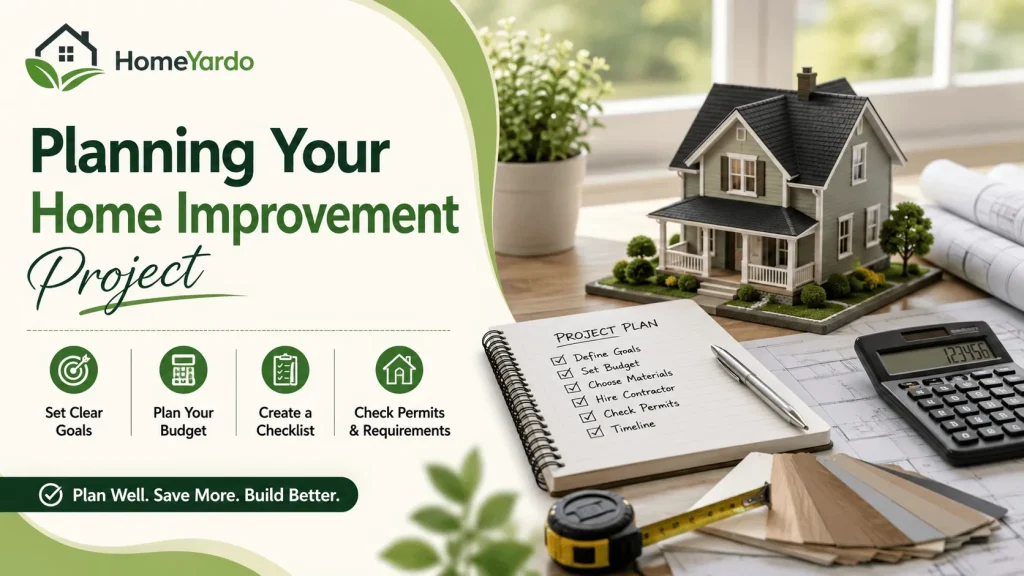
Every successful home improvement project begins with careful planning. Before starting any renovation, homeowners should determine their goals and establish a realistic budget. Some projects focus on appearance, while others prioritize functionality, safety, comfort, or energy efficiency.
Creating a checklist helps organize the renovation process. Consider which rooms require immediate attention, estimate material and labor costs, and decide whether professional contractors are necessary. Researching products and comparing prices can also help you stay within budget without sacrificing quality.
For larger projects, it is also worth checking whether local permits or building requirements apply. Keeping some extra money in the budget for unexpected costs can help when hidden problems are discovered during renovation.
A well-planned project reduces unnecessary expenses and makes it easier to achieve the desired results.
Kitchen Improvements
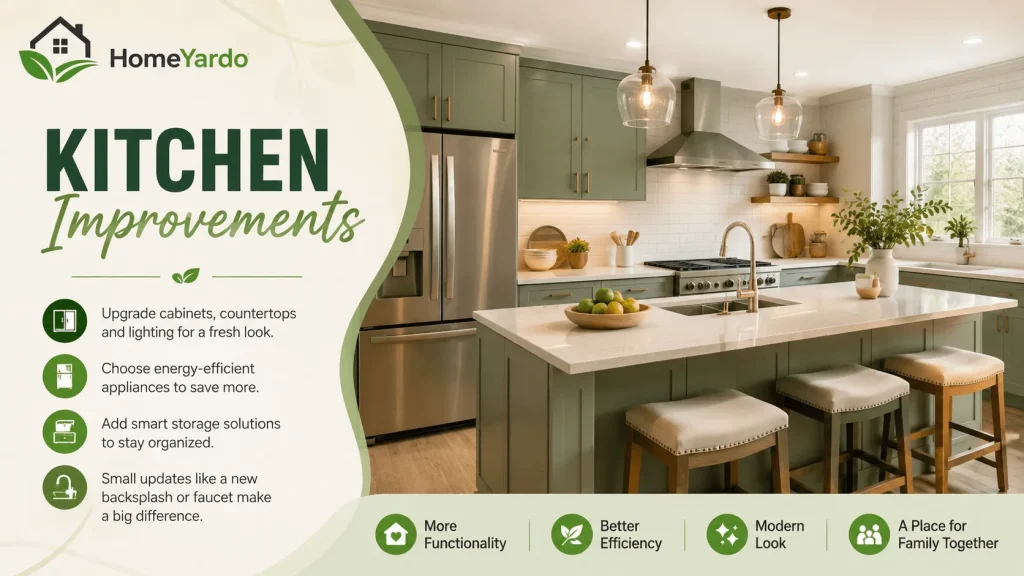
The kitchen is often considered the heart of the home. It is where families gather to cook, eat, and spend time together. Updating this space can improve both functionality and appearance.
Simple kitchen improvements include repainting cabinets, replacing cabinet handles, installing modern lighting, and upgrading countertops. New energy-efficient appliances can also reduce energy consumption while improving cooking performance.
Adding extra storage through shelves, drawer organizers, or pantry solutions helps keep the kitchen clean and organized. Even small upgrades, such as a new backsplash, sink, or faucet, can give the kitchen a fresh and modern look.
Before making major changes, consider how the kitchen is used every day. Good storage, practical work areas, and easy movement around the kitchen can be just as important as its appearance.
Bathroom Renovations
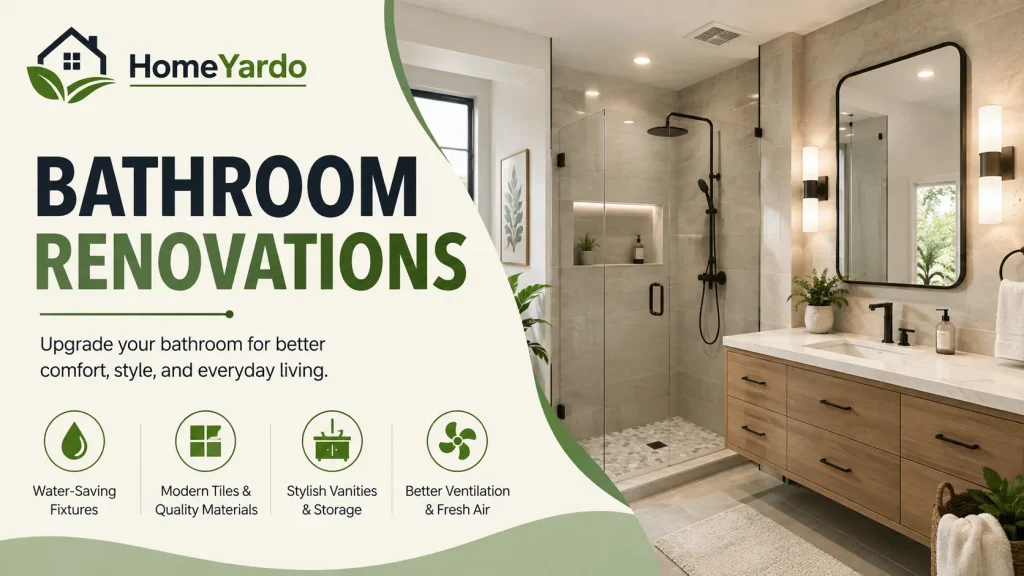
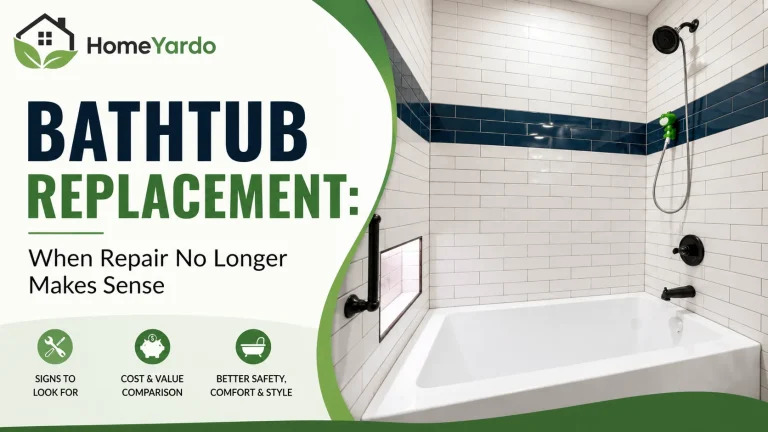
Bathrooms play an important role in everyday comfort and hygiene. Renovating an outdated bathroom can improve its appearance, functionality, and maintenance while potentially increasing its appeal to future buyers.
Popular bathroom upgrades include installing water-saving fixtures, replacing old tiles, upgrading mirrors, and adding better lighting. Walk-in showers, modern vanities, and efficient ventilation systems can create a cleaner and more comfortable environment.
Choosing moisture-resistant materials is particularly important in bathrooms. Suitable wall, flooring, and sealant materials can help handle regular exposure to moisture and reduce maintenance problems.
Good ventilation is also important because it helps remove excess humidity and can reduce the conditions that contribute to mold growth. Homeowners looking for better ventilation options can also learn about heat recovery ventilation and how it works in a home.
Living Room Enhancements
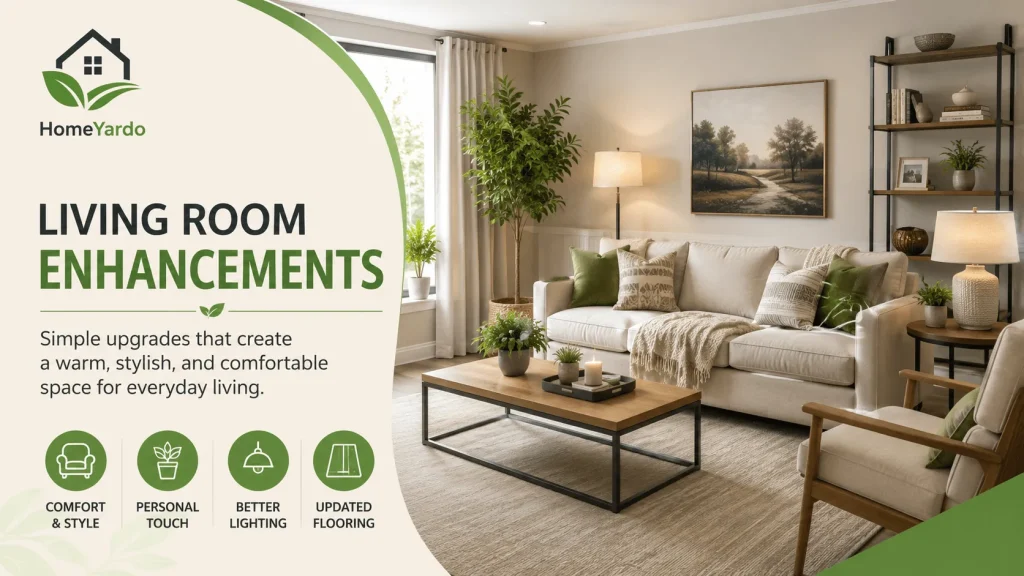
The living room serves as a main gathering place for family and guests. Improving this area can create a welcoming atmosphere while enhancing everyday comfort.
Fresh paint, modern furniture, decorative lighting, and updated flooring can transform the appearance of a living room. Neutral color schemes remain popular because they provide a flexible background and can make some spaces feel brighter and more open.
Adding indoor plants, artwork, or decorative shelves provides personality without requiring a large investment. Rearranging furniture to improve traffic flow can also make the room feel more spacious without purchasing anything new.
Lighting should also be considered carefully. A combination of general, task, and accent lighting can make the living room more practical for different activities.
We are masters of the unsaid words, but slaves of those we let slip out. Those who cannot remember the past are condemned to repeat it. Our lives begin to end the day we become silent about things that matter.
Bedroom Upgrades
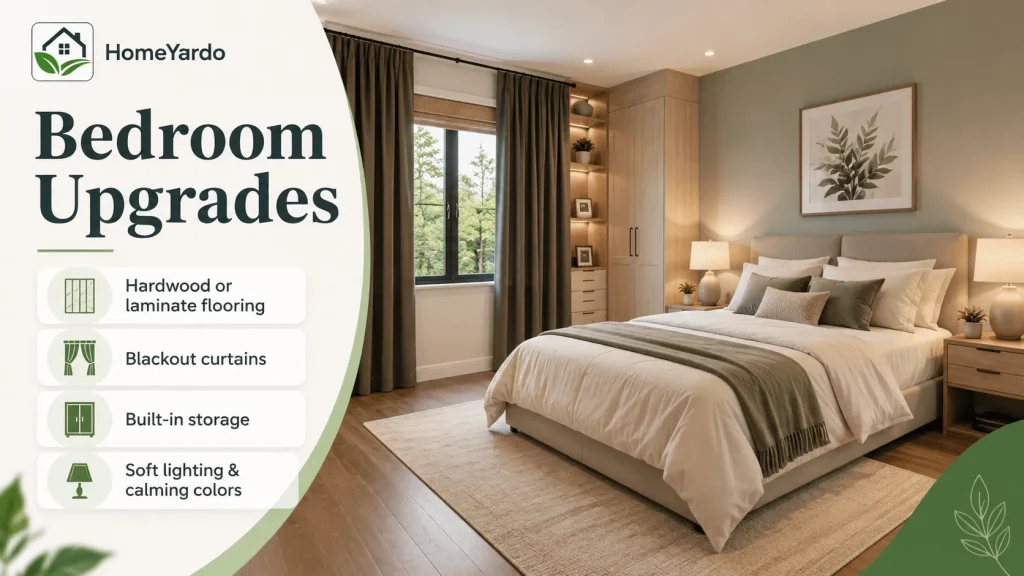
A comfortable bedroom can support rest and relaxation. Home improvement projects in bedrooms often focus on creating a peaceful, organized, and comfortable environment.
Replacing old flooring with hardwood or quality laminate can create a cleaner appearance and make the room easier to maintain. For homeowners considering hardwood flooring, red oak wood flooring is one option to explore. Installing blackout curtains can help control unwanted light, while built-in wardrobes can maximize available storage space.
Soft lighting, comfortable bedding, and calming wall colors can contribute to a relaxing atmosphere. Proper insulation and well-sealed windows can also help maintain comfortable indoor temperatures throughout the year. Decorative comforters can also add warmth, texture, and personality to the bedroom while making the space feel more inviting.
Energy Efficiency Improvements
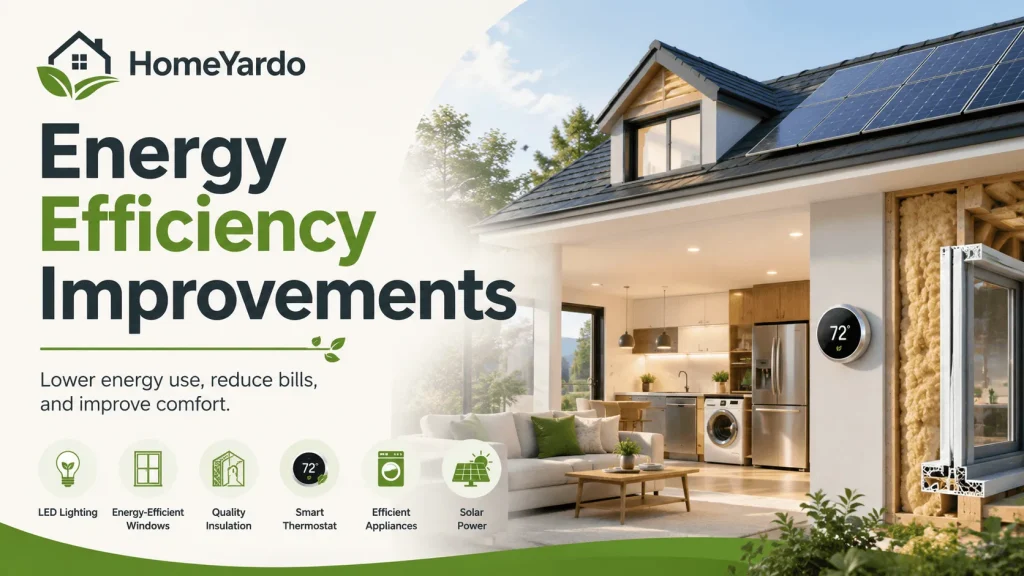
Modern homeowners increasingly prioritize energy efficiency because reducing energy use can help lower utility costs and improve household comfort.
Installing LED lighting throughout the house can reduce electricity consumption compared with older lighting technologies. Energy-efficient windows can help regulate indoor temperatures by reducing unwanted heat transfer.
Proper insulation in suitable areas of walls and ceilings can reduce heat loss during colder weather and heat gain during warmer periods. Smart thermostats, energy-efficient appliances, and solar panels can also contribute to a more energy-efficient home where appropriate.
The financial return of these improvements depends on factors such as the local climate, energy prices, property condition, and installation costs. For this reason, homeowners should consider both the upfront cost and expected long-term savings before choosing an upgrade.
Outdoor Home Improvements
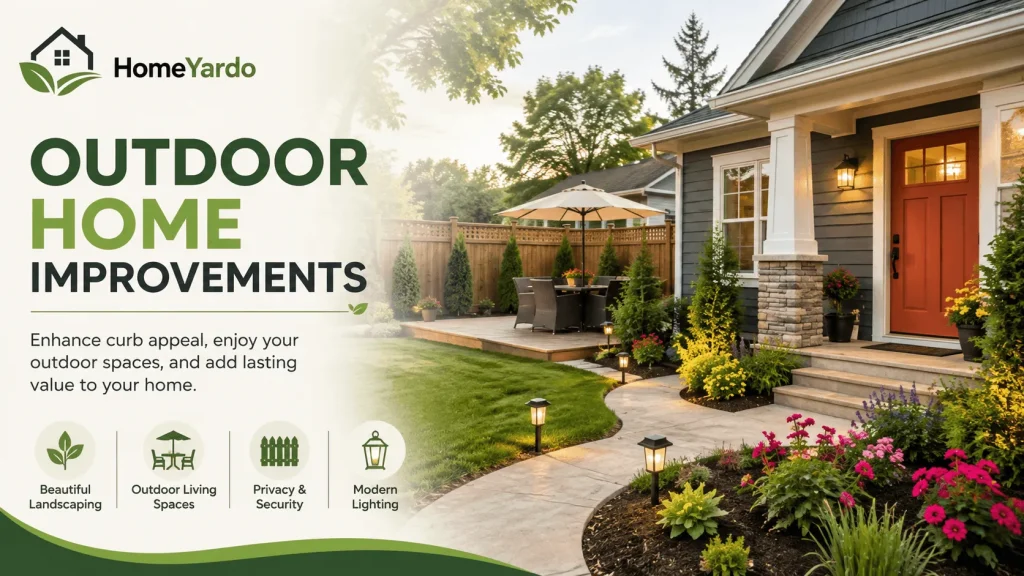
The exterior of a home creates an important first impression for visitors and potential buyers. Improving outdoor spaces can enhance curb appeal while making the property more enjoyable to use.
Simple landscaping projects such as planting flowers, trimming trees, and maintaining a healthy lawn can create an attractive appearance. A freshly painted front door, clean driveway, and modern outdoor lighting can also improve the home’s overall presentation.
Building a porch or patio provides additional outdoor living space for entertaining guests or enjoying family gatherings. Before starting larger outdoor projects, check local requirements and property boundaries where necessary.
Proper fencing and garden maintenance can also improve privacy, appearance, and security.
Smart Home Technology
Technology has become an increasingly common part of modern home improvement. Smart devices can provide greater convenience, security, automation, and energy management.
Smart doorbells with cameras allow homeowners to monitor visitors remotely. Smart locks can provide keyless entry, while automated lighting systems offer greater control over lighting schedules and energy use.
Voice-controlled assistants can manage compatible lighting, temperature controls, entertainment systems, and household schedules. These technologies can simplify daily routines and may also appeal to some future buyers.
When choosing smart-home products, consider device compatibility, privacy settings, security features, ongoing software support, and whether the technology meets a genuine need.
Budget-Friendly Home Improvement Tips
Not every renovation requires a large budget. Many affordable improvements can make a noticeable difference to a home’s appearance and functionality.
Painting walls is one of the most cost-effective ways to refresh a room. Replacing outdated light fixtures can modernize interior spaces, while updating cabinet hardware, installing floating shelves, and adding decorative mirrors can create a fresh look without major construction.
Regular maintenance is another important part of home improvement. Cleaning gutters, sealing windows, repairing small leaks, and servicing heating and cooling systems can help preserve the home’s condition and prevent larger problems.
Before starting a project, compare material prices and consider durability as well as the initial cost. The cheapest option may not always provide the best long-term value.
Common Mistakes to Avoid
Homeowners sometimes make costly mistakes during renovation projects. One common error is beginning work without proper planning or budgeting. This can lead to unfinished projects, delays, and unexpected expenses.
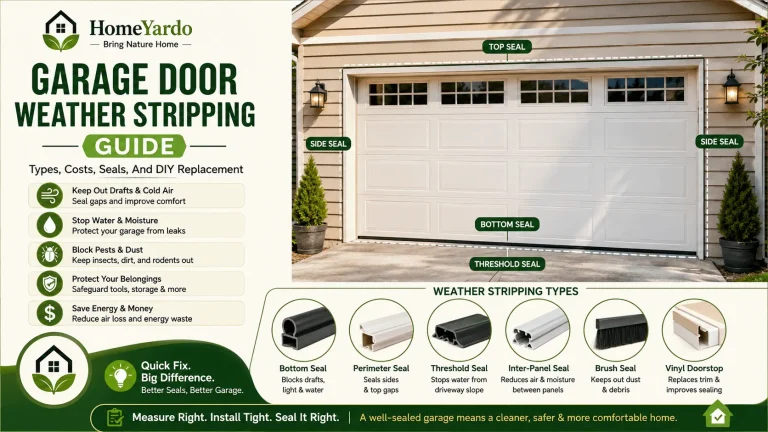
Garage-related improvements, for example, may include garage door weather stripping to help address gaps and improve protection from drafts and moisture. Materials should always be selected according to the room, climate, moisture exposure, and intended use.
Ignoring building codes or safety standards can also create legal, structural, or safety problems. For major electrical, plumbing, structural, roofing, or other specialist work, professional help may be necessary.
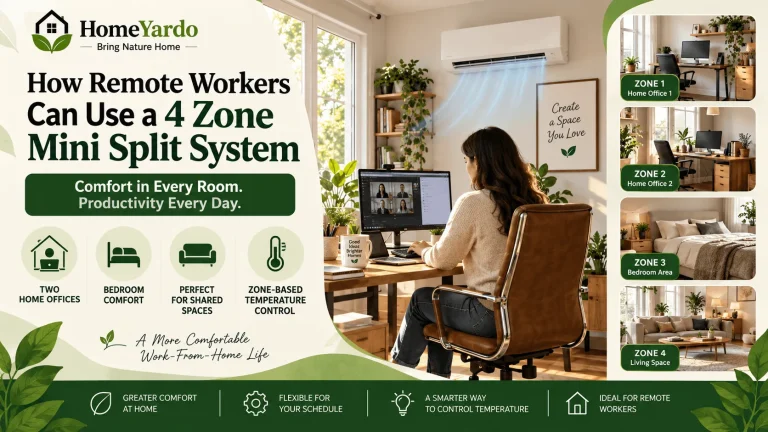
Another common mistake is focusing only on appearance while neglecting important systems such as plumbing, roofing, insulation, or electrical wiring. A balanced approach ensures that a home is both attractive and functional. If you are living with your family, then you need to consider things for everyone. In that case, stairlift and porch lift servicing on time can help reduce tension for certain family members.
The Long-Term Benefits of Home Improvement
Home improvement offers lasting benefits beyond visual appeal. A well-planned home can provide greater comfort, improved safety, better functionality, lower maintenance needs, and improved energy efficiency.
Financially, some improvements can increase resale appeal and attract more buyers. Updated homes may be more appealing to people looking for a move-in-ready property. However, the return on investment varies by project, property, location, and market conditions.
The benefits are not only financial. Living in a clean, organized, comfortable, and personalized environment can make everyday life more enjoyable. Improvements that solve practical problems can provide value to homeowners even when they have no plans to sell.
Conclusion
Home improvement is an ongoing process that enhances the beauty, comfort, safety, and functionality of a house. Whether you are making small cosmetic updates or completing major renovations, careful planning, smart budgeting, and quality materials can help produce better long-term results.
By focusing on essential areas such as kitchens, bathrooms, living spaces, bedrooms, energy efficiency, and outdoor improvements, homeowners can create comfortable and practical living environments.
The best home improvement projects are those that address real needs while fitting the property’s condition, budget, and long-term goals. Investing in the right improvements today can make everyday living more comfortable while helping protect the condition and value of one of your most important assets.
FAQ’s
Common projects include kitchen upgrades, bathroom renovations, flooring, painting, energy-efficiency improvements, outdoor upgrades, storage solutions, and smart-home installations.
Kitchen and bathroom improvements, energy-efficiency upgrades, quality flooring, improved curb appeal, and necessary repairs can increase a home’s appeal and value. The actual return varies by location and project.
Painting, replacing light fixtures, updating cabinet hardware, improving storage, adding shelves, replacing worn sealants, and upgrading small fixtures are relatively affordable options.
Simple tasks such as painting and decorating may be suitable for DIY. Electrical, structural, major plumbing, roofing, gas, and other specialist work should generally be handled by qualified professionals.