Before the Next Storm: What to Know Before Replacing Your Roof
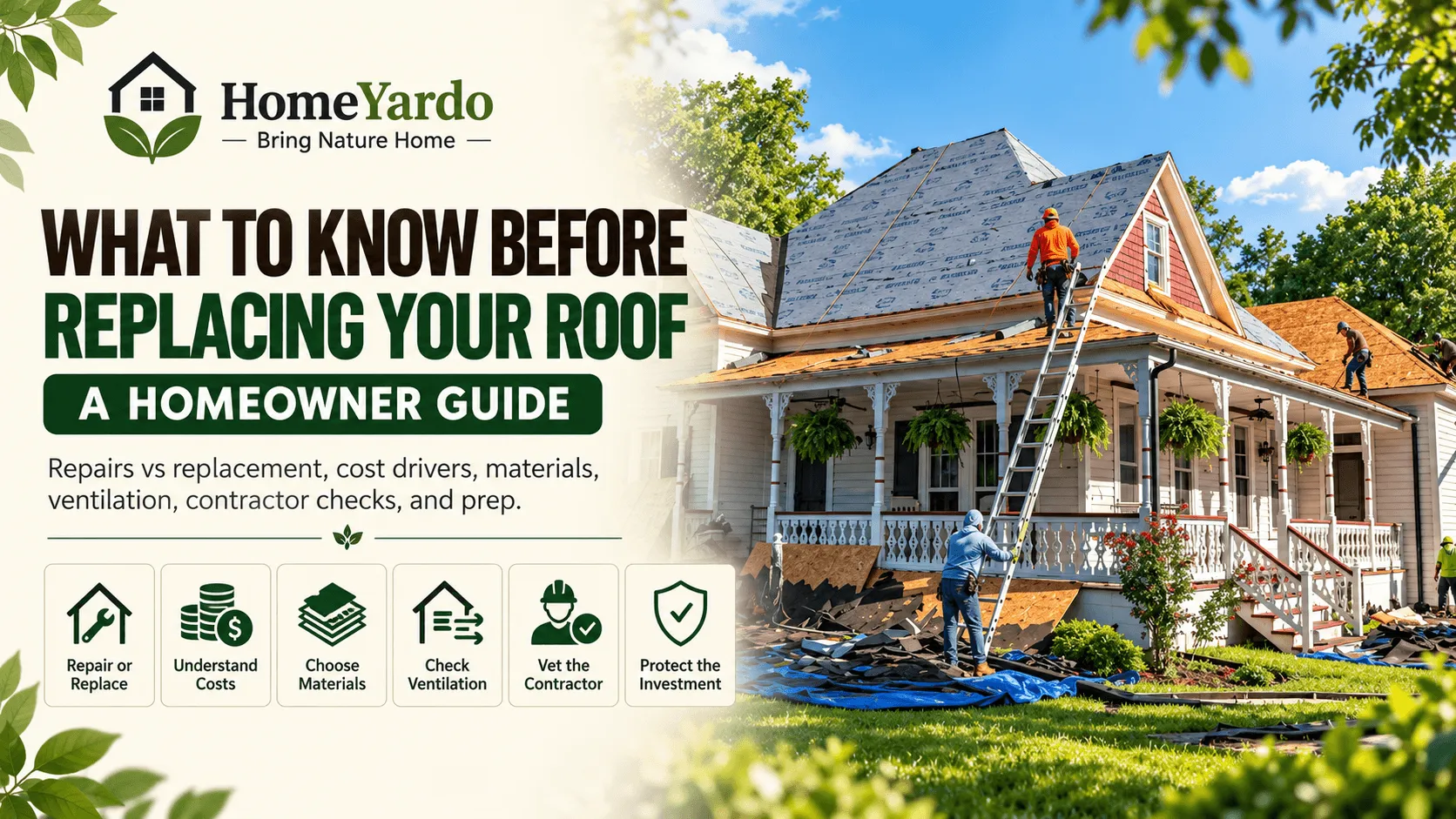
Replacing a roof is one of those home projects that becomes urgent very quickly once leaks, missing shingles, or interior stains appear. In Boulder, Colorado, where the population was estimated at 105,689 in 2025, homeowners also have to think about weather exposure, changing temperatures, snow, hail, and strong sun when evaluating roof performance. A replacement is a major investment, so the smartest approach is to understand what is failing, what the new system needs to do, and which details matter before work begins.
Know When Repairs Are No Longer Enough
Not every roof problem requires a full replacement. A small leak or a few missing shingles may be repairable when the rest of the roof is still sound.
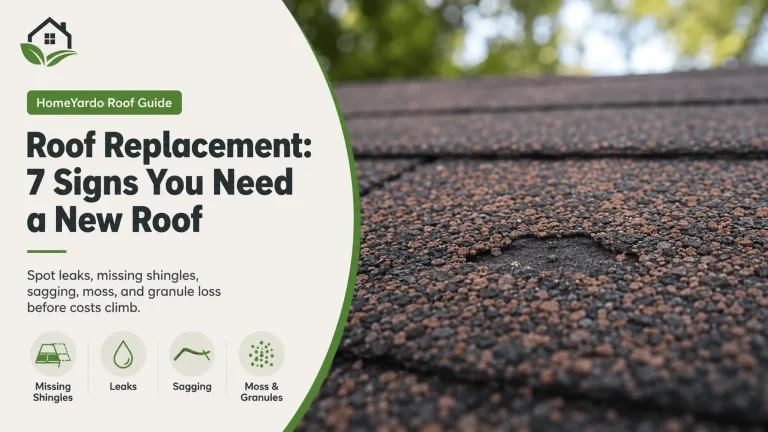
Problems become more serious when they keep returning. Repeated leaks, widespread shingle deterioration, sagging sections, soft decking, heavy granule loss, or an aging roof can indicate that repairs are only delaying a larger project.
If several areas are failing at once, paying for repeated patchwork may make less financial sense than replacing the system properly.
Boulder roofers can help homeowners compare repair and replacement options based on roof condition, local weather demands, and the expected life of the existing materials. The real question is whether a repair is likely to last.
Understand What Drives the Final Cost
Roof replacement pricing depends on much more than square footage.
Material choice matters, but so do roof pitch, accessibility, the number of valleys and penetrations, tear-off requirements, disposal, flashing, ventilation work, and the condition of the decking underneath.
A detailed quote should explain what is included instead of presenting one large number. Look for information about removal of old materials, underlayment, flashing, vents, cleanup, permits, warranties, and how damaged decking will be priced if it is discovered.
The lowest estimate is not always the best value if important work has been left out.
Choose Materials for Performance First
Appearance matters, but the roof has a bigger job than improving curb appeal.
Asphalt shingles remain common because they are relatively affordable and available in many styles. Metal can offer a long service life and strong resistance to fire and certain weather conditions. Other materials may last longer but can add weight or cost.
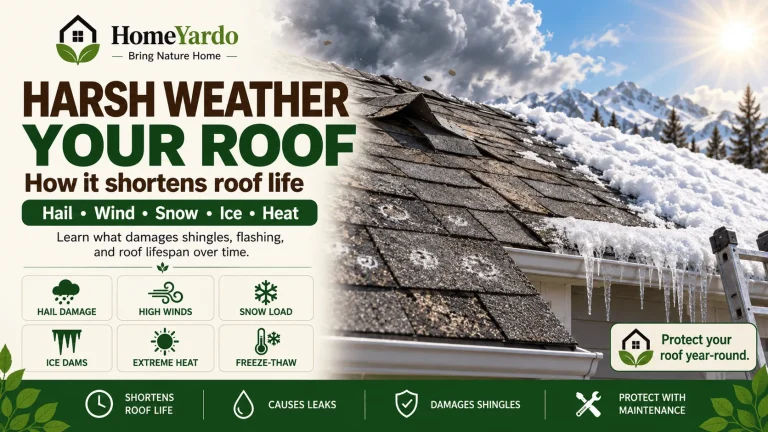
Climate should influence that decision. Roofing materials respond differently to heat, moisture, wind, impact, and temperature swings. Research on how extreme heat affects roofing materials shows that prolonged exposure can contribute to blistering, warping, cracking, and deterioration.
Performance should come before appearance when the climate is demanding.
Treat Ventilation as Part of the Roof
A roof is more than the visible outer covering.
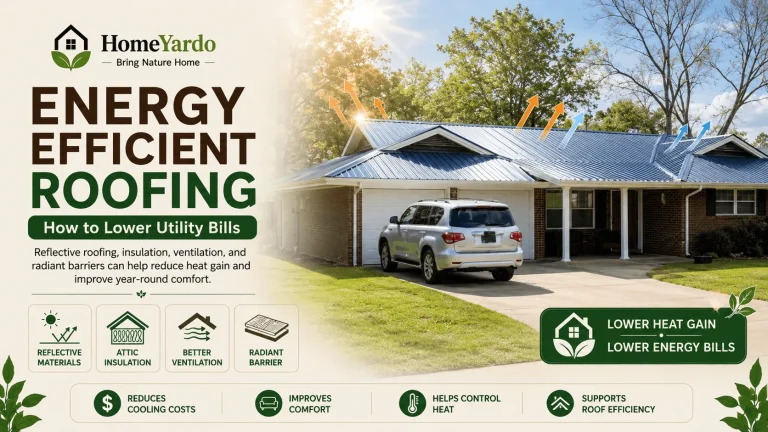
The attic, insulation, intake vents, exhaust vents, underlayment, flashing, and roof deck all affect how the system performs. Replacing shingles without addressing existing ventilation problems can shorten the life of the new roof.
Poor airflow may trap heat and moisture in the attic. Over time, that can contribute to condensation, wood deterioration, and premature aging of roofing materials.
Ask the contractor how ventilation will be evaluated before installation. The answer should include both intake and exhaust rather than simply adding more vents without considering how air moves through the space.
Replacement is the ideal time to correct those problems.
Expect the Deck to Reveal Surprises
The true condition of the roof deck is not always visible until the old roofing comes off.
Plywood or boards beneath the surface may have softened, rotted, or delaminated after years of moisture exposure. Damaged sections need to be replaced before the new roof is installed.
Ask in advance how additional decking work is priced. That helps prevent surprises on the final invoice.
Flashing deserves the same attention. Areas around chimneys, vents, skylights, and roof intersections are common places for water to enter when details are poorly installed or deteriorated.
A new roof should solve existing weaknesses, not hide them.
Vet the Contractor Beyond the Price
A roof can use excellent materials and still fail because of poor installation.
Before hiring anyone, verify insurance, licensing where required, warranties, references, and the exact scope of work. Ask who will supervise the project and whether subcontractors will be involved.
The written contract should specify materials, cleanup responsibilities, payment terms, and how unexpected repairs will be handled.
It is also worth asking how the proposed system handles wind, fire, moisture, and impact. Modern resilient roofing materials can improve resistance to severe conditions, but only when the complete assembly is installed correctly.
A good contractor should explain those choices clearly.
Prepare the House Before Work Starts
Roof replacement is noisy, physical work, and a little preparation can make the installation days easier.
Move vehicles away from the work area so crews can access the property and falling debris does not damage them. Secure fragile items on walls or shelves because repeated hammering can create vibration inside the house.
Cover belongings stored in the attic, keep children and pets away from work zones, and tell nearby neighbors when the project is scheduled.
Also ask how landscaping, gutters, windows, and exterior equipment will be protected.
Keep expectations realistic. Weather, hidden decking damage, or material issues can change the schedule. Clear communication makes delays easier to manage.
Protect the Investment After Installation
A new roof should reduce maintenance worries, not eliminate maintenance entirely.
Keep the contract, warranty information, product details, permits, invoices, and installation photos together. Those records can be useful for future repairs, insurance questions, or a home sale.
Then pay attention to the roof over time. Keep gutters clear, check for damage after major storms, and address loose flashing, missing shingles, or drainage problems before they grow.
The best replacement decisions focus on the entire roofing system rather than just the surface material. When the deck, ventilation, flashing, underlayment, drainage, and installation quality all work together, the roof has a much better chance of delivering the lifespan you expected.
A roof replacement is expensive enough the first time. Careful planning helps make sure you are not paying for the same problems twice.
FAQ’s
Before replacing a roof, understand why the existing system is failing, whether repairs remain practical, what the quote includes, which materials suit your climate, how ventilation and decking will be handled, and what warranties apply. You should also verify the contractor’s qualifications and understand how unexpected repairs will be priced.
Move vehicles and outdoor furniture away from the work area, protect attic belongings, secure fragile indoor items, keep children and pets away from the site, and discuss landscaping protection with the contractor. Confirm where materials and dumpsters will be placed before work begins.
A detailed estimate should identify roofing materials, removal of the existing roof, underlayment, flashing, vents, fasteners, disposal, cleanup, permits, decking allowances, warranty terms, and how additional repairs will be charged.
Not automatically. Decking that remains dry, structurally sound, and suitable for the new roofing system may remain in place. Rotten, weakened, delaminated, or otherwise damaged sections should generally be replaced before new roofing is installed.
Yes. Roof replacement is a good time to evaluate attic intake and exhaust ventilation. Existing airflow problems may contribute to moisture accumulation or excessive attic temperatures and should not simply be covered by new roofing materials.
Compare total cost, expected service life, climate exposure, roof design, maintenance, fire and wind performance, impact resistance, appearance, and installation requirements. The best option depends on the house and local conditions rather than one material being universally better.
Ask about insurance, licensing where required, project supervision, material specifications, flashing, ventilation, decking repairs, permits, warranties, property protection, cleanup, payment terms, weather delays, and who will perform the installation.
Common discoveries include rotten decking, old moisture damage, inadequate flashing, damaged sheathing, deteriorated areas around roof penetrations, and previous repairs that were hidden beneath the roofing material.
If an inspection confirms widespread deterioration or a roof that can no longer reliably resist weather, completing replacement before severe weather can reduce the risk of leaks and further damage. A roof in otherwise serviceable condition should not be replaced solely because storm season is approaching.
Before replacing a roof, understand why the existing system is failing, whether repairs remain practical, what the quote includes, which materials suit your climate, how ventilation and decking will be handled, and what warranties apply. You should also verify the contractor’s qualifications and understand how unexpected repairs will be priced.
Move vehicles and outdoor furniture away from the work area, protect attic belongings, secure fragile indoor items, keep children and pets away from the site, and discuss landscaping protection with the contractor. Confirm where materials and dumpsters will be placed before work begins.
A detailed estimate should identify roofing materials, removal of the existing roof, underlayment, flashing, vents, fasteners, disposal, cleanup, permits, decking allowances, warranty terms, and how additional repairs will be charged.
Not automatically. Decking that remains dry, structurally sound, and suitable for the new roofing system may remain in place. Rotten, weakened, delaminated, or otherwise damaged sections should generally be replaced before new roofing is installed.
Yes. Roof replacement is a good time to evaluate attic intake and exhaust ventilation. Existing airflow problems may contribute to moisture accumulation or excessive attic temperatures and should not simply be covered by new roofing materials.
Compare total cost, expected service life, climate exposure, roof design, maintenance, fire and wind performance, impact resistance, appearance, and installation requirements. The best option depends on the house and local conditions rather than one material being universally better.
Ask about insurance, licensing where required, project supervision, material specifications, flashing, ventilation, decking repairs, permits, warranties, property protection, cleanup, payment terms, weather delays, and who will perform the installation.
Common discoveries include rotten decking, old moisture damage, inadequate flashing, damaged sheathing, deteriorated areas around roof penetrations, and previous repairs that were hidden beneath the roofing material.
If an inspection confirms widespread deterioration or a roof that can no longer reliably resist weather, completing replacement before severe weather can reduce the risk of leaks and further damage. A roof in otherwise serviceable condition should not be replaced solely because storm season is approaching.