Window Replacement: Costs, Materials & Planning Guide
Choosing a replacement window project is more than just getting a quote per window. The final price can be influenced by the style, size, frame material, glass package, installation method, labor, removal, finishing work, permits and the condition of the existing openings. Older homes may have hidden rot, moisture damage, faulty sills or frame concerns that are only revealed when the old windows are removed.
Homeowners should understand what a full window replacement process involves and which elements really essential for their house before they start getting prices. The proper decision can be influenced by energy efficiency, comfort, beauty, noise reduction, durability and long term maintenance. And you can compare what each contractor is actually putting in by having comprehensive like-for-like bids.
It covers the primary window replacement costs, material possibilities, installation options, hidden costs, energy efficient features, and planning the project without relying exclusively on the lowest advertized price.
key Takeaways
- Budget for the complete project, including windows, labor, removal, repairs, finishing, permits, and cleanup.
- Window style, size, frame material, glass package, and installation method can significantly affect costs.
- Compare itemized, like-for-like quotes rather than choosing based on the lowest advertised price.
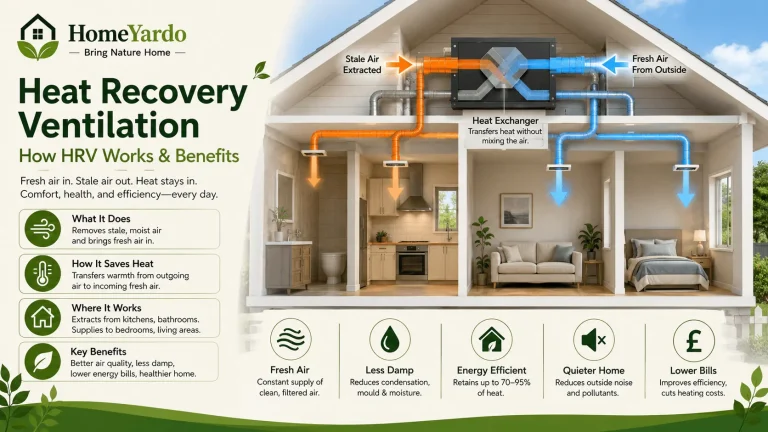
- Proper insulation in suitable areas of walls and ceilings can reduce heat loss during colder weather and heat gain during warmer periods. Heat recovery ventilation can also be considered when ventilation and indoor air quality are part of the home’s efficiency goals.
- Set aside a contingency reserve for hidden damage, especially in older homes or full-frame replacements.
- Replacing the most damaged or inefficient windows first can make a phased project more manageable.
- Review product and artistry warranties, change-order procedures, and permit requirements before signing.
Planning a window project starts with more than counting openings and multiplying by an advertised price. Planning a home improvement project can also help homeowners organize budgets, priorities, materials, and unexpected costs before starting larger work. A realistic budget accounts for the products, the condition of the existing openings, installation details, finishing work, and a reserve for repairs that may not be visible until old windows are removed.
Homeowners considering professional window replacement can make stronger decisions by defining the full scope. Can you identify the details that influence the final number? before comparing estimates. The goal is not always to choose the least expensive option. It is to select windows and installation work that address the home’s actual needs, such as drafts, moisture, difficult operation, excessive heat, noise, or outdated appearance, while staying within a manageable budget.
Why A Window Budget Needs More Than A Price Per Window
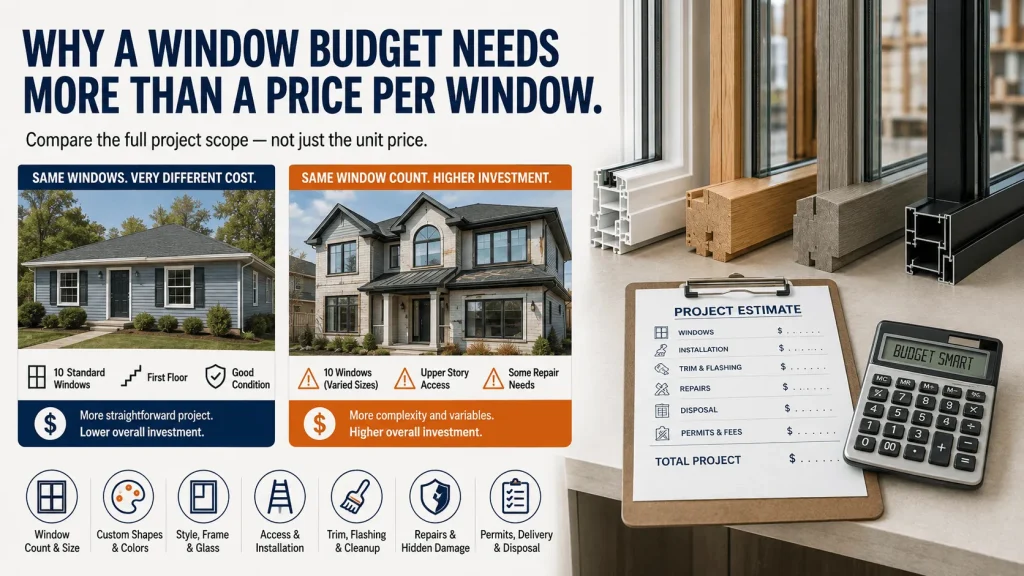
Two homes with the same number of windows can receive very different estimates. One may have standard first-floor openings in good condition, while the other has oversized windows, second-story access, damaged sills, custom trim, or older construction that needs repairs. A low starting price may also exclude removal, disposal, exterior capping, interior finishing, or permit costs. Compare the entire project scope, not simply the cost of each window unit.
The Main Factors That Shape Project Cost
Before requesting estimates, identify the details that influence the final number.
Important cost drivers include:
- The number of windows and their rough dimensions.
- Standard versus custom sizes, shapes, and colors.
- Window style, frame material, glass package, and hardware.
- First-floor access versus upper-story or difficult-to-reach openings.
- Interior trim, exterior cladding, flashing, sealants, and cleanup.
- Possible sill, wall, insulation, or framing repairs.
- Local permits, inspections, delivery requirements, and disposal fees.
How Window Styles Affect The Budget
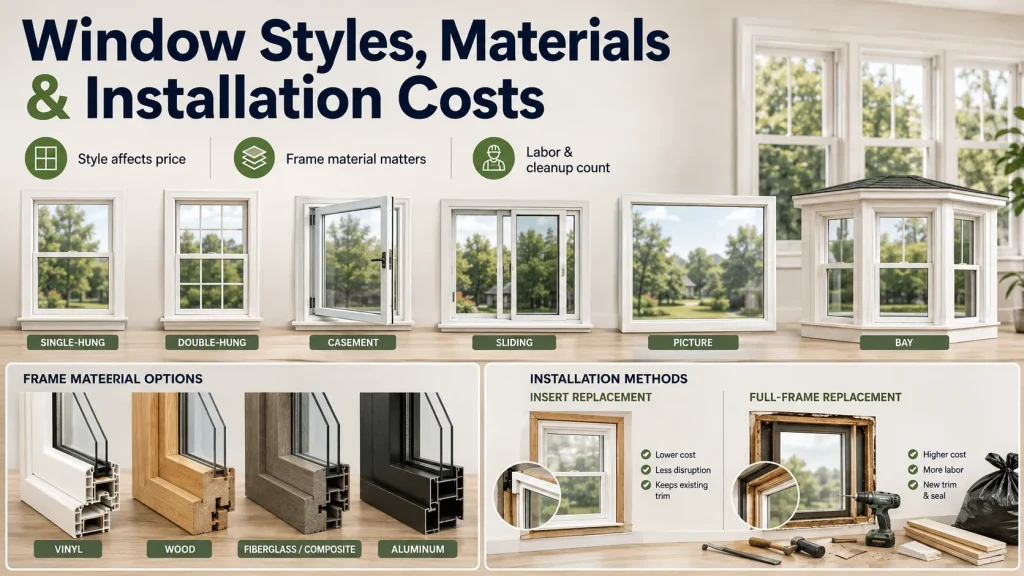
Style affects both product pricing and installation complexity. Single-hung windows provide basic ventilation and are often straightforward. Double-hung windows allow both sashes to operate, which can improve ventilation and cleaning convenience. Casement windows can provide wide airflow, while sliding windows are a practical choice for broad openings. Picture windows bring in light and views but do not open. Bay, bow, and specialty-shaped windows typically cost more because they may require custom sizing, structural support, and detailed finishing.
Comparing Frame Materials
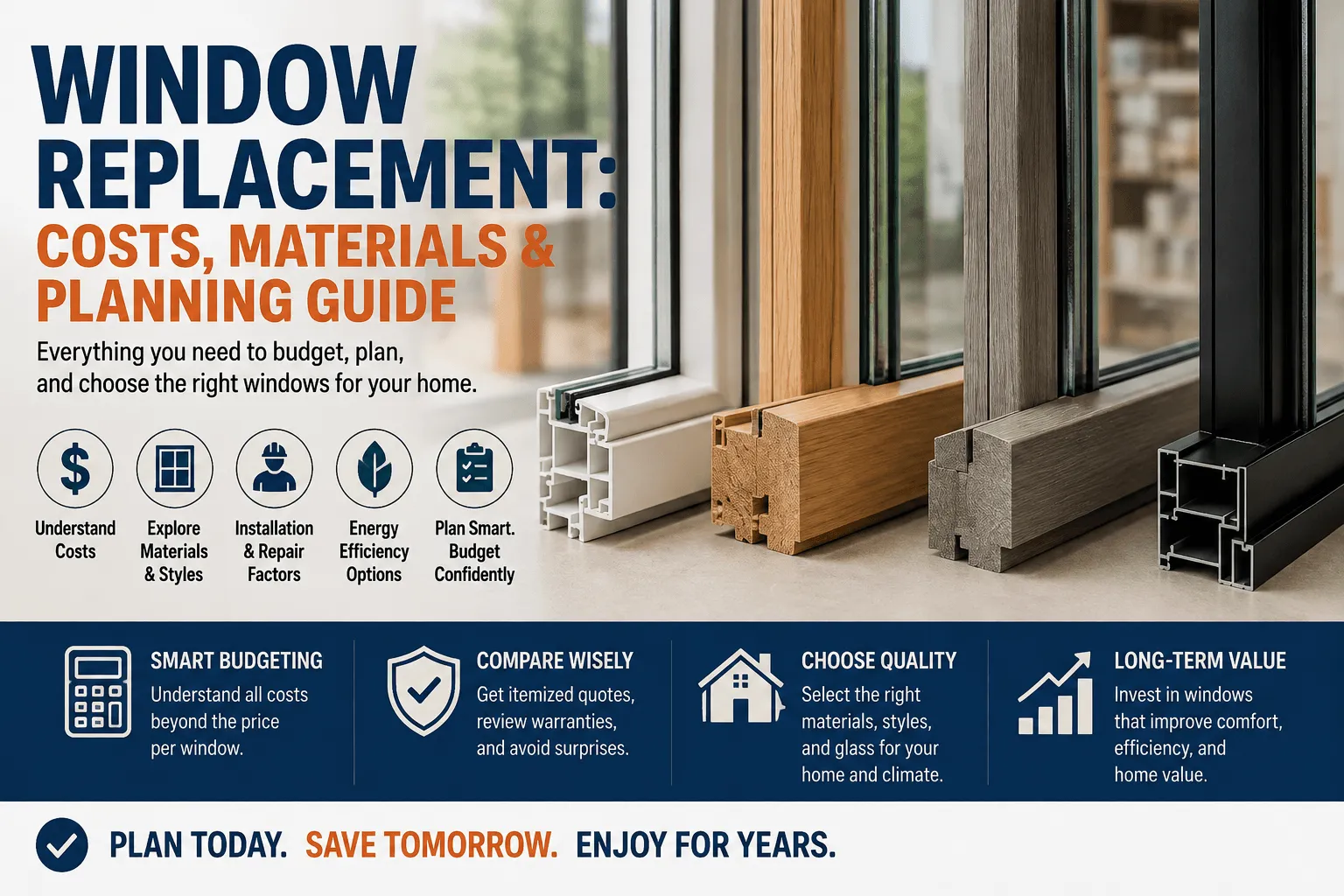
Frame selection should balance appearance, upkeep, insulation, durability, and long-term repair needs. Vinyl is generally low maintenance and often budget-friendly. Wood offers a traditional look but needs ongoing care. Fiberglass is strong and stable, though it may cost more upfront. Aluminum can be slim and durable, but it may insulate less effectively than other options. Composite frames vary widely by product, so compare their construction and warranties carefully rather than assuming all composites perform the same.
Installation, Removal, And Cleanup Costs
Installation deserves its own budget line. Insert replacement fits a new window into an existing frame and can be appropriate when the frame is sound. Full-frame replacement removes the existing frame and may reveal rot, water damage, insulation gaps, or structural concerns. Quotes should state whether they include old-window removal, disposal, trim, capping, flashing, sealing, touch-up work, and debris cleanup. Correct installation is essential for controlling air leakage and water intrusion, so labor details should never be treated as an afterthought.
When Energy-Efficient Upgrades Make Sense
Efficiency upgrades are most useful when they solve a comfort or climate-related problem. Double-pane glass is common, while triple-pane glass may be worthwhile in very cold climates or especially noisy locations. Low-emissivity, or low-e, coatings help manage heat transfer and reduce ultraviolet exposure. U-factor describes insulating ability, where lower values generally indicate better insulation, while the solar heat gain coefficient indicates how much solar heat passes through the glass. The window guidance for different climate needs can help homeowners compare certified windows and storm-window alternatives.
Hidden Costs To Check Before Signing
Ask how unexpected conditions will be handled before work begins. Potential surprises include soft or rotten framing, damaged sills, lead-based paint precautions in older homes, historic design requirements, structural changes for larger openings, and special delivery needs. Homeowners should also plan to move furniture, remove blinds or shutters, and temporarily protect openings if weather delays occur. A written change-order process makes these situations easier to manage.
How To Compare Window Quotes Fairly
- Confirm the style, size, frame, glass, color, and hardware for every opening.
- Verify whether labor, removal, disposal, trim, cleanup, permits, and inspections are included.
- Compare the installation method and any allowance for repairs.
- Review product warranties separately from artistry warranties.
- Request written pricing for changes caused by concealed damage.
A 2026 survey of 1,000 homeowners found substantial variation in project costs and buying experiences, reinforcing why detailed, like-for-like quote comparisons are more useful than headline prices alone.
When Replacing Windows In Stages Works Best
Replacing windows in phases can protect cash flow without ignoring urgent needs. Start with windows that leak, will not operate, have broken glass, or create severe drafts. Group later work by room or side of the home to keep the project organized. Keep records of model names, dimensions, finishes, hardware, and warranty information so future orders can match the first phase as closely as possible.
A Simple Window Replacement Budget Checklist
- Count all openings and identify the highest-priority problems.
- Set a target budget plus a separate contingency reserve.
- Choose essential features before considering upgrades.
- Collect two or three itemized estimates.
- Compare installation methods, repair allowances, and warranties.
- Confirm permit requirements and save all project documents.
Conclusion
A smart window replacement budget begins with the home’s specific needs rather than relying on one advertised price. By comparing window styles, frame materials, glass performance, installation methods, labor, warranties, and possible repairs, homeowners can develop a more realistic understanding of the total investment. It is also important to consider the condition of existing frames and openings, since hidden rot, moisture damage, outdated flashing, or damaged trim can affect the final cost.
Requesting detailed, itemized estimates makes it easier to identify what is included and avoid unexpected charges later. With careful planning, homeowners can prioritize the windows that need the most attention, select features that deliver meaningful benefits, and choose a replacement project that supports comfort, energy performance, appearance, durability, and long-term value.
FAQ’s About Window Replacement Budgets
A full project can create a consistent appearance and simplify scheduling, but phased work may be easier on the budget. Prioritize safety, water damage, and major comfort issues first.
Not always. The value depends on climate, existing window condition, comfort goals, energy costs, and how long the homeowner expects to stay in the home.
Comparing only the lowest advertised or quoted price without confirming installation details, finishing work, repair allowances, and warranty coverage.
Sometimes. Weatherstripping, glass repair, hardware repairs, and storm windows may be sensible options when the existing frames remain sound, and the goal is improved performance rather than a full update.
Set aside a contingency that feels realistic for the home’s age, visible condition, and project complexity. Older homes, custom openings, and full-frame work generally justify a larger reserve.