
Timber Cladding Indoors: Maintenance Demands Most People Underestimate
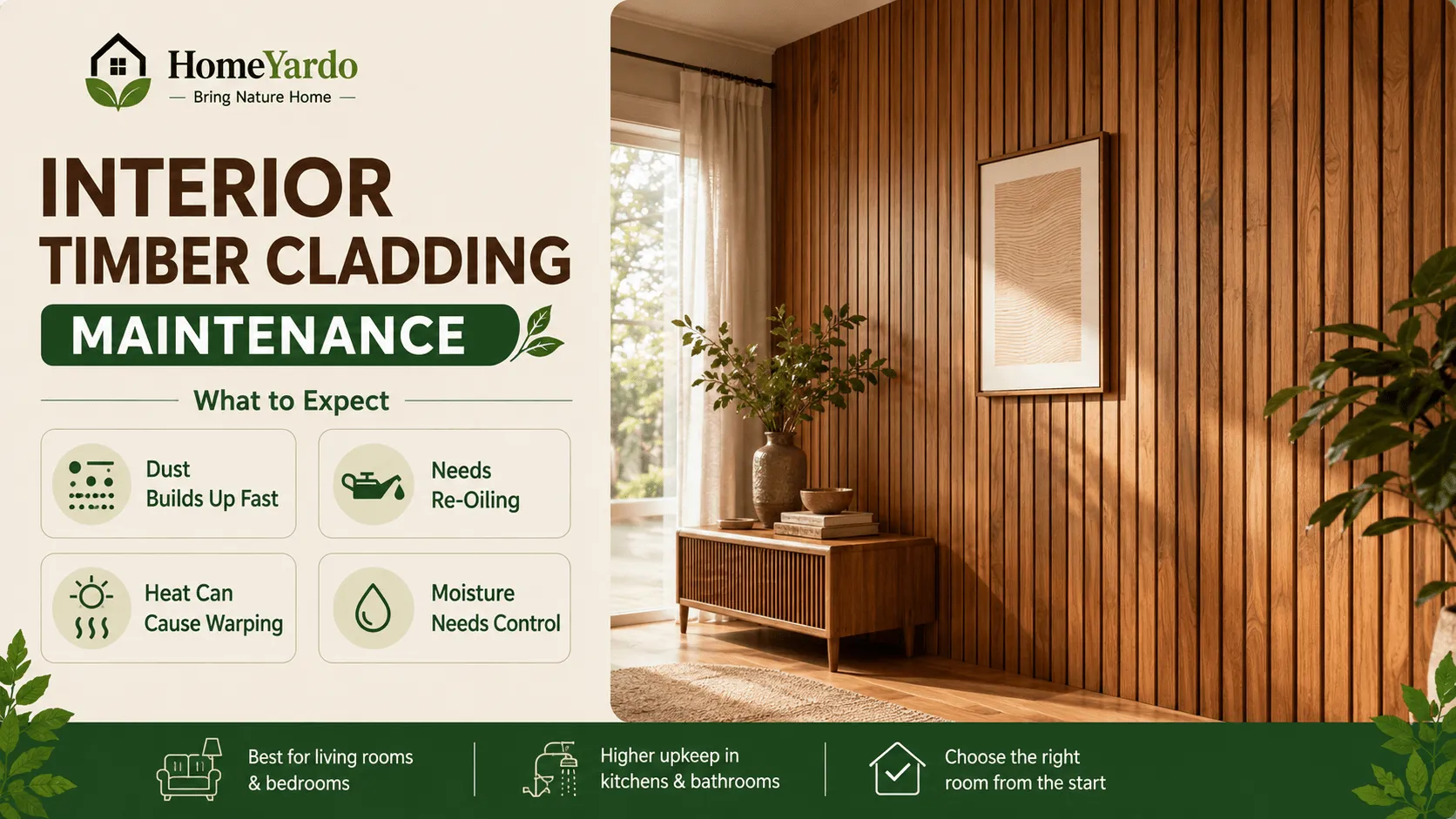
Timber wall cladding has a way of selling itself. You see it in a showroom or a mate’s living room, and it just works. But there’s a gap between what timber panelling looks like on day one and what it asks of you in year three.
Most people who’ve fitted it indoors didn’t fully account for the upkeep, and a few have quietly admitted they’d have chosen differently in certain rooms. Let’s get into the specific jobs timber walls create and where they cause the most regret.
Dust Builds Up Faster Than You’d Think
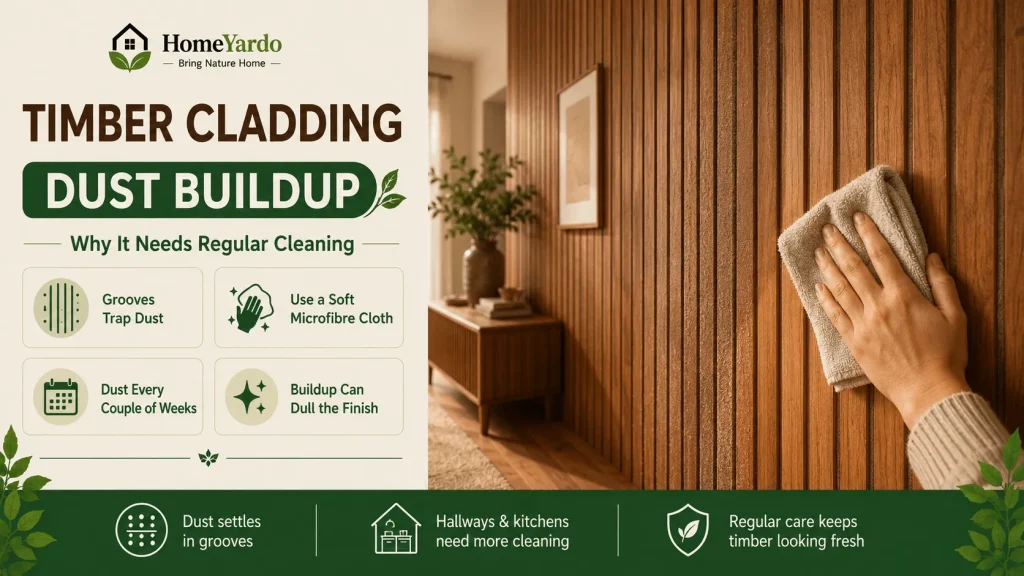
Flat walls don’t collect much dust. Timber cladding, with its grooves, joints and textured grain, is a different story. Dust settles into every channel, and once it mixes with the wood’s natural oils or any finish you’ve applied, it becomes sticky and harder to shift.
For most rooms, you’ll want to dust timber panels every couple of weeks at a minimum. A soft microfibre cloth works best, since feather dusters just push it around. In kitchens or hallways near front doors, dust and grime build up even faster.
Skip a few weeks and the wood starts to look dull. It won’t damage the timber straight away, but over time it dulls the finish and makes re-oiling less effective.
Re-Oiling and Re-Sealing: A Job That Never Really Ends
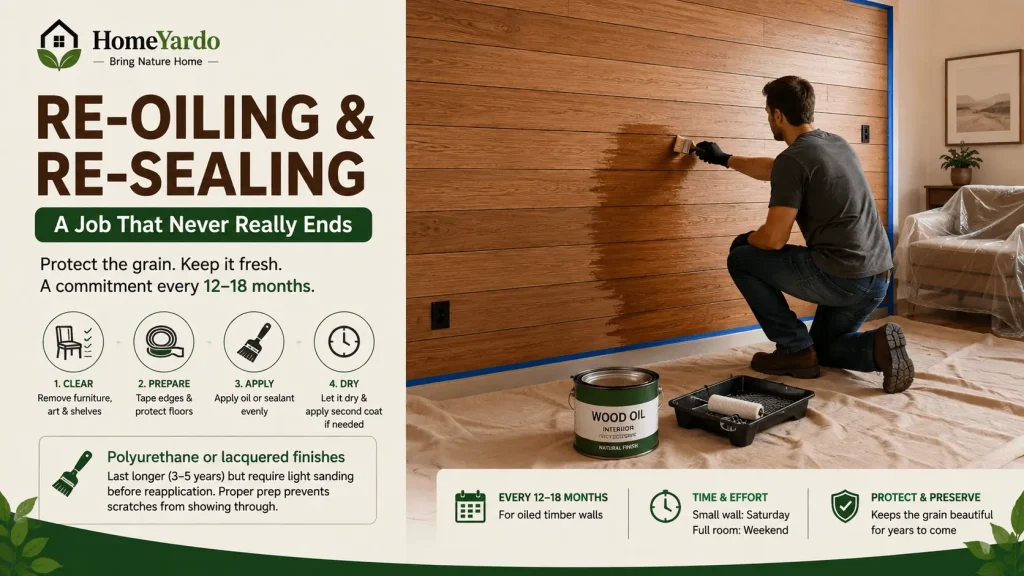
This is the one that catches people out. Interior timber cladding needs periodic re-oiling or re-sealing to protect the grain and keep it looking fresh. For most oiled timber walls, you’re looking at every 12 to 18 months.
That means clearing the wall of furniture, art and shelves. It means taping off edges, protecting your floor, applying a coat, letting it dry and sometimes applying a second. A small feature wall takes a Saturday afternoon. A fully clad room is a weekend project.
Polyurethane or lacquered finishes will go longer between treatments, sometimes three to five years. But when they do need work, you’ll often need to lightly sand the surface first, and any scratches will show through if you don’t prep properly.
Heat Sources and Warping
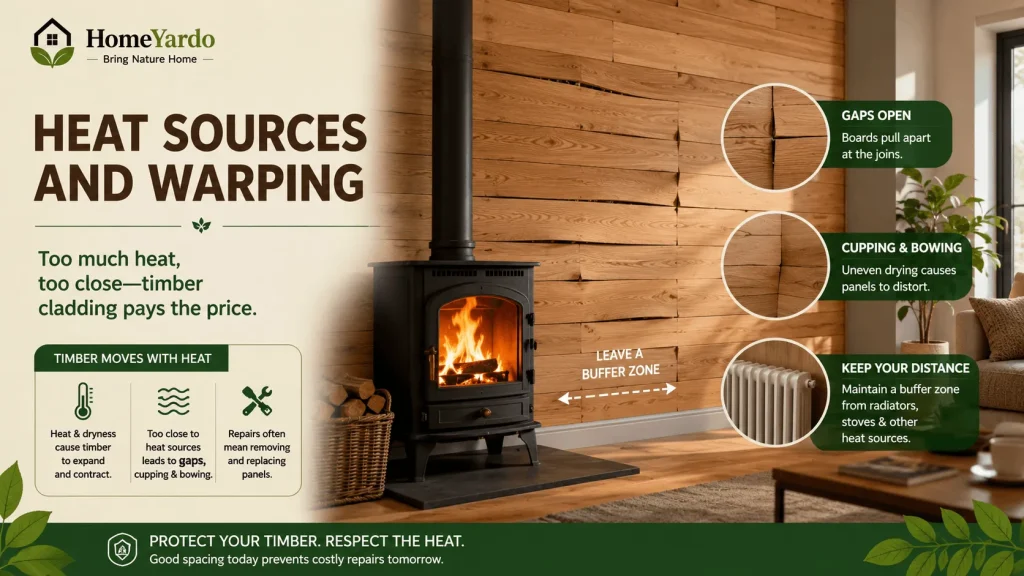
Timber moves. It expands and contracts with changes in temperature and humidity. Indoors, the biggest offenders are radiators, wood-burning stoves and underfloor heating. If timber cladding sits too close to a direct heat source, you’ll see gaps open between boards, or individual panels starting to cup and bow.
This happens a lot where a feature wall sits behind a log burner. The heat dries the wood unevenly, and within a couple of winters the boards pull apart at the joins. Fixing it means removing and replacing panels. The advice is to leave a buffer zone, but in smaller rooms that’s not always realistic.
Condensation: The Hidden Problem in Wet Rooms

If you’ve clad a bathroom wall in timber and the room doesn’t have strong ventilation, you’re asking for trouble. Moisture from showers gets behind the panels and sits there, leading to mould, staining and eventually rot. Kitchens are similar, with steam from cooking causing the timber to swell and contract over repeated cycles.
Good extraction fans and airflow gaps behind the cladding will help, but both need to be planned from the start. In homes where moisture and indoor air quality are ongoing concerns, heat recovery ventilation can also provide controlled fresh-air exchange while helping reduce heat loss. Retrofitting ventilation behind an existing timber wall is expensive.
When Timber Works and When It Doesn’t
In the right room, timber cladding is unmatched. A living room feature wall in oak or cedar, properly maintained, will look stunning for decades. The surrounding wall and furniture colours also affect how warm or heavy the timber feels, so colour psychology in interior design can be useful when choosing a finish and room palette. If you’re also using natural wood elsewhere in the room, red oak wood flooring can complement the warmth of timber wall cladding. Bedrooms suit timber cladding well too, since they’re low-moisture environments.
The problems stack up in bathrooms, utility rooms and kitchens. These are high-moisture, high-traffic spaces where timber’s maintenance demands go from manageable to frustrating. For those rooms, a growing number of homeowners are turning to wipe-clean PVC cladding panels instead. Suppliers like Simply Cladding carry PVC panels in colours designed to sit alongside timber finishes elsewhere in the home, so you can mix materials without rooms clashing.
Pick the Right Material for the Right Room
Timber cladding indoors is a commitment. If you go in knowing that and choose rooms where the conditions suit it, you’ll be rewarded with walls that age beautifully. But fit it everywhere without thinking about moisture, heat and daily wear, and you’ll spend more time maintaining it than enjoying it. Match the material to the room and budget for the upkeep from the start.
FAQ’s
There is no universal schedule. Routine dusting and cleaning may be required regularly, while refinishing depends on the timber, surface treatment, sunlight, humidity and manufacturer recommendations. Oiled surfaces generally need more frequent attention than durable factory-applied finishes.
Not always. Some panels arrive factory-finished, while others are supplied unfinished and require an appropriate oil, lacquer or other coating. Follow the manufacturer’s specification for the particular timber product.
Some timber cladding products can be used in bathrooms, but moisture resistance, ventilation and installation method must be considered. Confirm that the specific product is approved for humid or splash-prone environments.
It can be, particularly away from direct water, grease and intense heat. Kitchen extraction, surface finish and ease of cleaning should be considered before choosing the product.
Remove loose dust with a soft microfibre cloth or suitable vacuum attachment. For more thorough cleaning, use only products compatible with the timber’s finish and avoid saturating the wood with water.
Timber can expand and contract as moisture conditions change. Poor acclimatisation, large humidity changes, unsuitable installation or concentrated heat can increase the risk of gaps, cupping or distortion.
Possibly, but clearances and material requirements depend on the heating appliance and cladding product. Follow manufacturer instructions and applicable fire-safety or building requirements.
Its colour can change with prolonged exposure to daylight and UV radiation. The amount and type of change depend on the timber species, finish and level of exposure.
PVC is generally easier to wipe clean and does not normally require oiling or refinishing. Timber offers natural grain and ageing characteristics but may require more ongoing care depending on its finish and environment.
It can be when natural timber is an important part of the room’s design and the installation conditions suit the material. In high-moisture or heavily used areas, a lower-maintenance alternative may be more practical.