
Build A Useful Home Heating Record Before The Next Service Visit
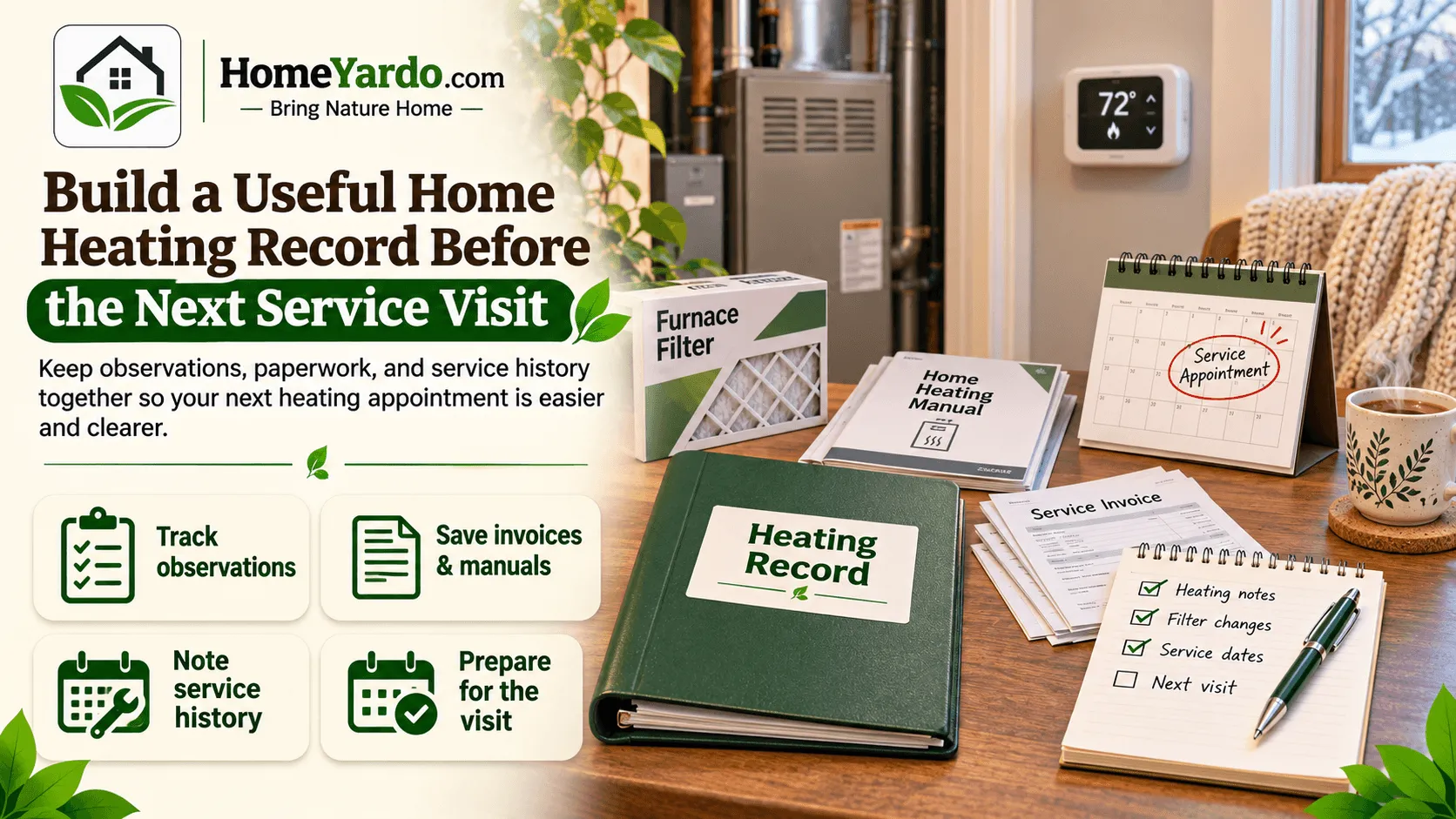
When a furnace behaves differently, it can be difficult to explain the problem from memory. One room felt colder on Tuesday, an unfamiliar sound appeared over the weekend, and someone changed a setting without mentioning it. A short heating record can turn scattered impressions into information you can share with a professional.
The record is not a diagnostic tool and should never delay help with a concerning situation. Its purpose is simpler: keep observations, equipment information, and past service details together so you do not have to reconstruct them while arranging an appointment.
Begin With What You Already Know
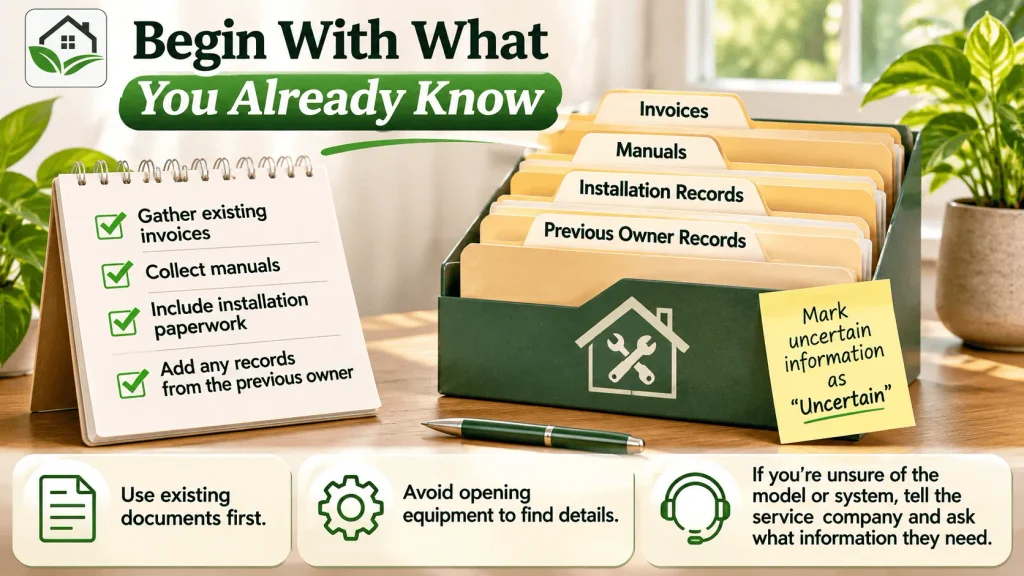
Create a folder for existing invoices, manuals, and installation paperwork. If the home changed owners, include any relevant records you received at purchase. Mark uncertain information as uncertain. A previous owner’s estimate of equipment age is not the same as a documented installation date.
Use readily available documents rather than opening equipment to search for details. If you do not know the model or system type, say so when booking service and ask what information the company needs. There is no benefit in guessing at technical details simply to make a checklist look complete.
Write Observations in Ordinary Language
Describe what happened, where you noticed it, and approximately when. “The upstairs bedroom felt cooler than usual last night” is a useful observation. “The furnace needs a new part” is a conclusion that requires professional assessment. Keeping the two separate helps you communicate without narrowing the conversation prematurely. Some signs your furnace is dying may warrant professional attention, but observations alone cannot establish the cause. Record only what you can observe safely during normal use.
Include whether the issue happened once or has recurred, but do not run the equipment repeatedly to reproduce a problem. Record only what you can observe safely during normal use. If there is a suspected gas leak, a carbon monoxide alarm, or another immediate hazard, follow emergency guidance and seek urgent help instead of continuing to collect notes.
Give Changes In The Household Some Context

Note relevant changes around the time the concern appeared. Perhaps the home had recent work, a thermostat was replaced, or normal occupancy changed. These details do not establish a cause, but they may help the professional understand the situation and ask more focused questions.
Keep the context proportionate. A concise timeline is easier to review than a long account of every temperature fluctuation. Identify the main concern first, then add two or three details that help explain it. If several household members noticed different things, combine their observations without pretending they all describe the same event.
Use The Record When Arranging Service
When contacting a provider, lead with the current situation and your location. Explain whether the system is providing heat and describe any concern you believe needs prompt attention. Ask the company how it prioritizes the request rather than assuming a normal appointment is suitable for every situation.
Homeowners seeking furnace repair in Lake Lotawana can review Eric Kjelshus Energy Heating and Cooling’s local heating page when arranging a service conversation. Bring the observations and available records to the appointment, and let the professional determine what assessment is appropriate.
Confirm practical details such as the appointment window, who will be present, and how the technician will gain access. Ask about any diagnostic visit charges or authorization process before the visit. Do not assume that a quoted appointment fee includes every repair that might be recommended.
Prepare The Visit Without Attempting Repairs
Ask whether the company needs access to particular areas and make ordinary household arrangements accordingly. Secure pets and let other household members know someone is coming. Do not move equipment, remove panels, or alter connections as part of preparation. If access is difficult, explain the situation when scheduling.
Have the relevant paperwork available, but do not feel obliged to print every record. A clearly organized digital folder can be useful if you can find the documents during the conversation. Keep a short list of questions so the main concern does not get lost among unrelated household projects.
Ask for an Explanation You Can Record
After the assessment, ask the technician to explain the findings and the recommended next step in plain language. Clarify what has been established and what remains uncertain. If more than one option is presented, ask what each option addresses rather than assuming the least expensive or most extensive choice is automatically best.
Request a written description of proposed work and the price before approving it. Ask about any conditions that could change the scope and how those changes would be authorized. The purpose is not to challenge every technical term, but to understand the decision you are being asked to make. Keeping a record of estimated costs can also help when planning for unexpected home repair costs.
Distinguish a repair recommendation from a maintenance recommendation or a longer-term planning suggestion. They may all be worth discussing, but they are not necessarily the same task. Ask which items relate directly to the problem that prompted the visit and which can be considered separately.
Close The Loop After The Appointment
Add the service invoice and any written findings to the folder. Record what work was completed, what was deferred, and whether a follow-up was agreed. Save any written care instructions received at the appointment as well. Keep the provider’s contact information with the record so a later question can refer to the correct visit.
If a concern continues or changes after service, contact the company with a factual description. Refer to the previous visit and explain what you are observing now. Avoid assuming that a similar symptom proves an identical cause. The new information should support another professional conversation, not an attempt to diagnose the system yourself.
Keep the System Simple Enough To Use
A heating record does not need special software. A folder and a brief dated note can be enough. Give file names you will recognize later, such as the service date and company name. Keep future appointments or agreed actions separate from completed work so unfinished items remain visible.
Review the folder when a new service appointment is arranged, not as a reason to monitor equipment obsessively. Follow the manufacturer’s and service professional’s guidance for normal ownership and maintenance. Your notes supplement that guidance; they do not replace it.
The most helpful homeowner record is accurate, concise, and honest about what is unknown. By saving the facts while they are easy to remember, you make future conversations clearer. That preparation supports informed decisions without requiring you to become a furnace technician or make technical judgments beyond your role.
Final Takeaway
A useful heating record does not require technical expertise. It requires accurate observations, organized paperwork, and a clear history of previous service.
Record what you noticed, when it happened, and what professionals found or recommended. Keep uncertain information labeled as uncertain, and leave diagnosis and repairs to qualified technicians.
A simple record can make your next service conversation clearer while helping you manage future heating maintenance.
FAQ’s
A heating service record should include equipment details, dates of unusual observations, descriptions of symptoms, previous service invoices, completed repairs, technician findings, and outstanding recommendations. You can also keep warranty documents and future appointment details in the same folder.
Collect previous service records, write down recent heating concerns, confirm appointment and access arrangements, and prepare questions for the technician. Do not open equipment panels or attempt repairs as part of the preparation.
Explain what you observed, where and when it happened, and whether it has occurred more than once. Use ordinary language rather than guessing which component has failed. Details about recent thermostat changes or previous service may also be helpful.
Yes. Previous invoices can document repair dates, work performed, charges, replaced components, and service recommendations. They may help a future technician understand the equipment’s history and identify previously reported concerns.