HVAC Warning Signs You Shouldn’t Ignore at Home
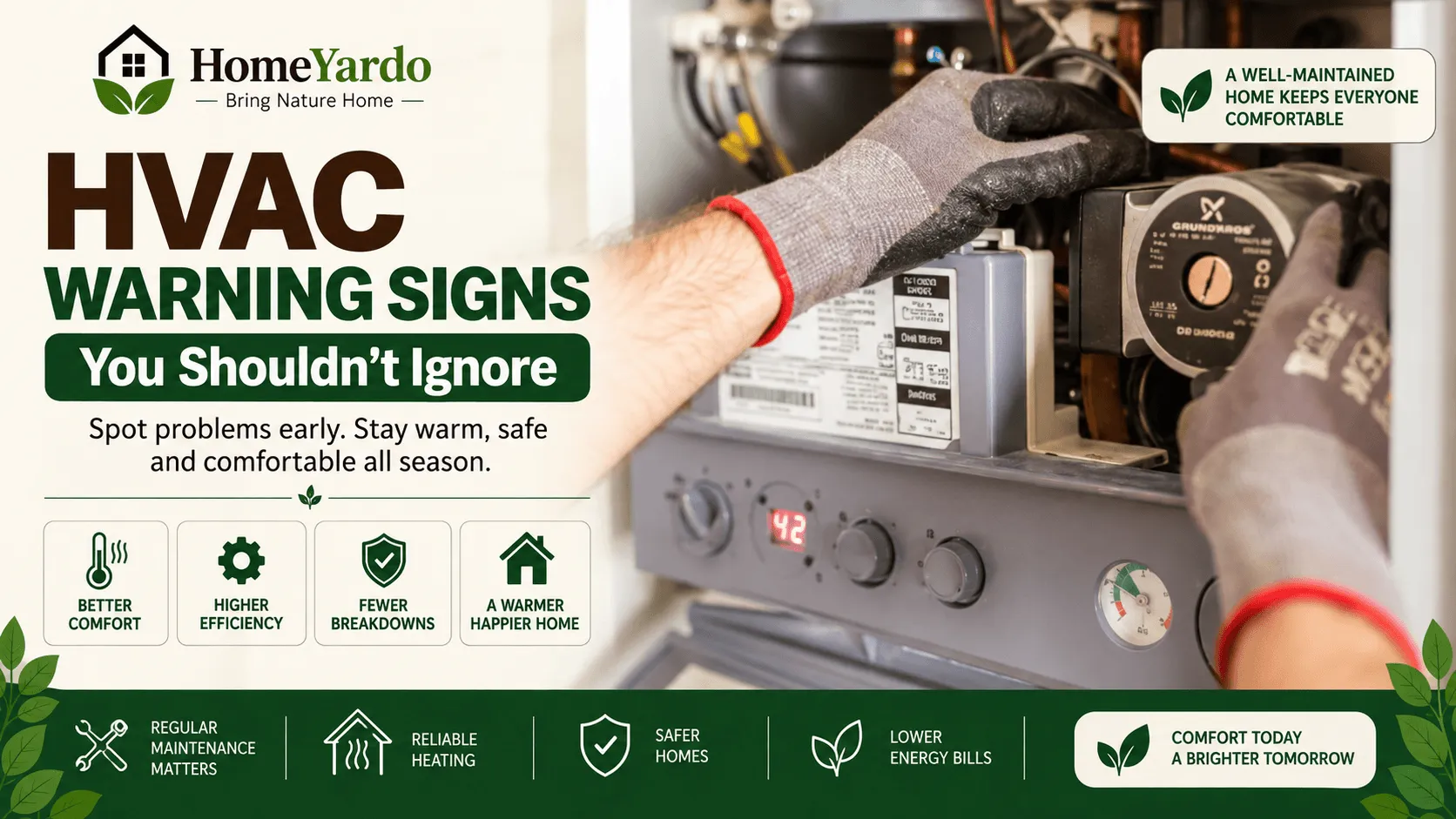
A heating system rarely chooses a convenient time to stop working. The good news is that many problems cause noticeable changes before the system fails completely. Weak airflow, unusual noises, inconsistent temperatures, unfamiliar smells, short cycling, or longer operating times can all signal that something has changed.
Not every symptom means an expensive repair is coming. A dirty filter, blocked vent, or incorrect thermostat setting may explain some problems. What matters is knowing which checks are reasonable for a homeowner and when a change deserves professional attention.
Regular maintenance can also make developing problems easier to spot. Scheduling seasonal HVAC tune-ups before periods of heavy use gives homeowners an opportunity to identify maintenance needs before the heating system is under its greatest seasonal load.
Quick Guide: Which HVAC Warning Signs Need Attention?
| Warning Sign | What You Can Check | When to Get Help |
|---|---|---|
| Uneven heating | Vents, filter, thermostat settings | When the problem persists or appears suddenly |
| Short cycling | Filter and thermostat | When repeated cycling continues |
| New noises | Where and when the sound occurs | When noise is loud, worsening, grinding, or banging |
| Weak airflow | Filter and open registers | When several rooms have poor airflow |
| Longer run times | Thermostat and filter | When operation has clearly changed |
| Higher energy use | Weather and household-use changes | When increases occur with other HVAC symptoms |
| Burning or electrical smell | Stop and assess the situation safely | Prompt professional attention |
| Fuel-gas odor or smoke | Treat as a safety issue | Follow emergency guidance immediately |
| Repeated breaker trips | Do not repeatedly reset the breaker | Professional electrical/HVAC assessment |
Some symptoms are mainly comfort problems. Others may indicate an immediate safety concern.
The purpose of this table is not to diagnose the equipment. Different HVAC systems can produce similar symptoms for very different reasons.
Your Home Doesn’t Feel Evenly Warm Anymore
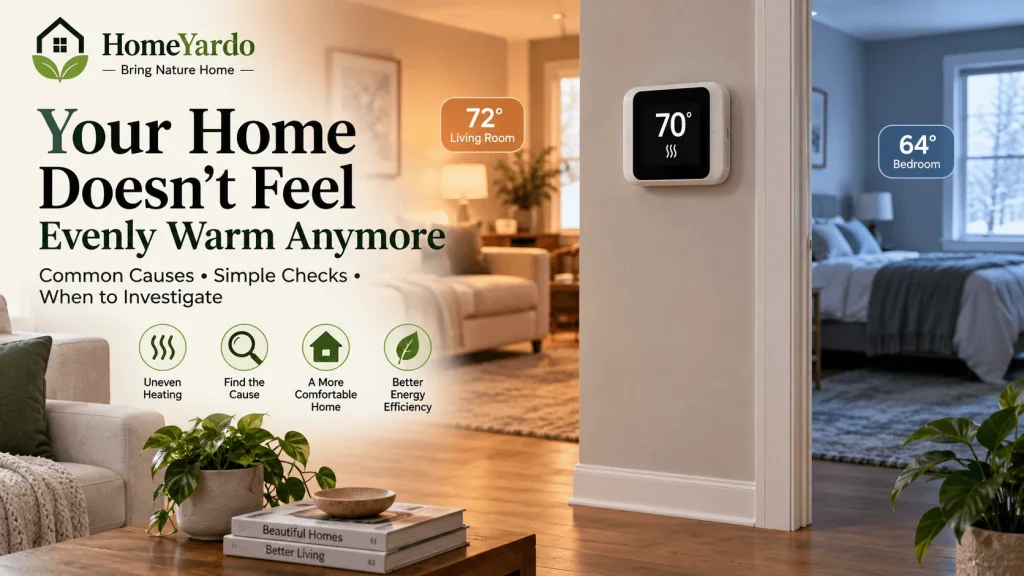
One of the easiest heating problems to notice has nothing to do with looking at the equipment. You simply stop feeling as comfortable as you normally do.
Perhaps the bedroom reaches the thermostat setting while another room stays noticeably cooler. Maybe the ground floor feels warm but upstairs never quite catches up.
Uneven heating can have several causes, including restricted airflow, blocked registers, duct problems, thermostat issues, air leakage, insulation problems, or declining equipment performance.
Start with the basics. Make sure supply and return vents are not blocked by furniture, rugs, or curtains. Check the filter and confirm that the thermostat settings have not changed.
It also helps to consider whether the problem is really coming from the HVAC system. Drafts or temperature differences around walls, ceilings, attics, and windows can sometimes point toward signs your home needs new insulation rather than a fault with the heating equipment itself.
The timing of the change matters. A room that has always been slightly cooler is different from one that suddenly becomes difficult to heat.
If previously comfortable rooms develop a significant temperature difference and basic checks do not explain it, further investigation makes sense.
Short Cycling Shouldn’t Become the New Normal
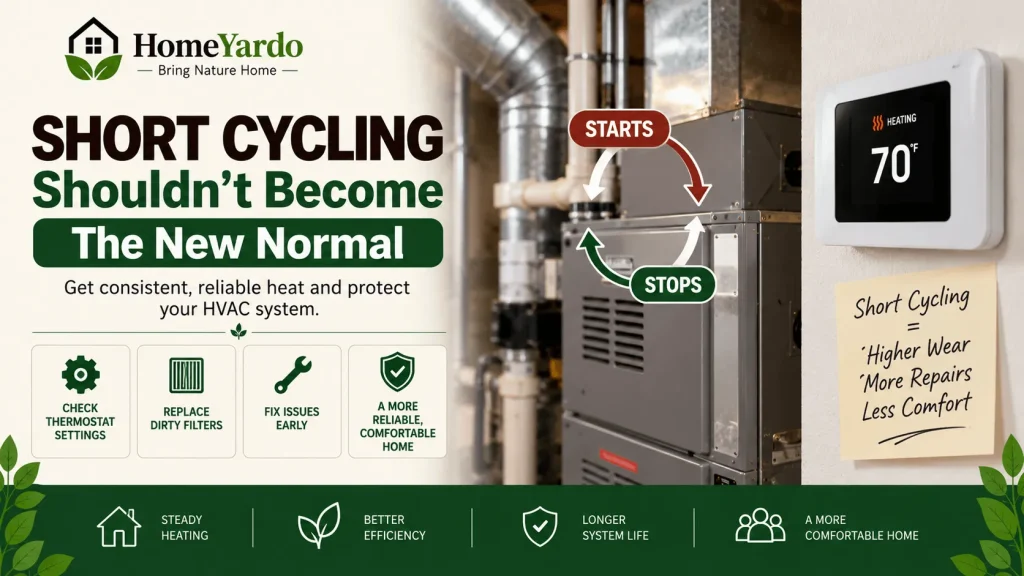
A heating system normally needs enough operating time to move the indoor temperature toward the thermostat setting.
Short cycling occurs when the equipment repeatedly starts and stops after unusually brief periods. Instead of completing a normal heating cycle, the system shuts down and begins again soon afterward.
Possible causes vary by equipment type but can include restricted airflow, thermostat problems, overheating, controls, electrical components, or equipment faults.
Start by checking the thermostat settings and filter. Do not repeatedly increase the thermostat temperature in an attempt to overcome the problem.
For persistent cycling issues, heating system repair services can help determine whether the cause involves airflow, controls, electrical components, overheating, or another part of the system. The goal should be finding out why the operating pattern changed rather than compensating for it.
Repeated starting and stopping can also put extra operating stress on equipment while leaving the home less comfortable. A new short-cycling pattern therefore deserves attention even when the system is still producing heat.
New Noises Are Worth Listening To
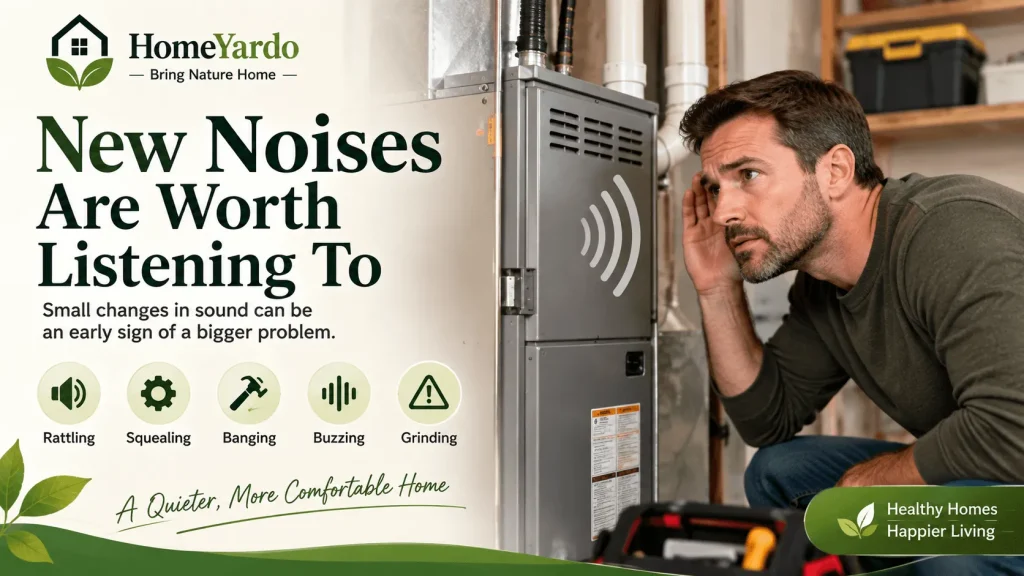
HVAC equipment is not silent. Blowers, burners, heat pumps, ductwork, relays, and other components all produce some sound during normal operation.
What matters is a noise that is new, considerably louder than usual, or becoming more frequent.
Rattling may come from a loose panel or component. Squealing and grinding can involve moving parts. Banging, buzzing, scraping, or repeated clicking can have different causes depending on the system.
Do not diagnose a mechanical failure from the sound alone. Two systems can make similar noises for completely different reasons.
Instead, make a few observations that may help during troubleshooting:
- Does the noise happen when the system starts?
- Does it continue while the system runs?
- Does it occur during shutdown?
- Does it seem to come from the furnace, heat pump, air handler, vent, or ductwork?
- Has the sound become louder over time?
Do not remove equipment panels or reach into moving or energized components simply to identify a noise. If a new mechanical sound is persistent or severe, professional inspection is the safer next step.
Weak Airflow Can Point to a Bigger Issue
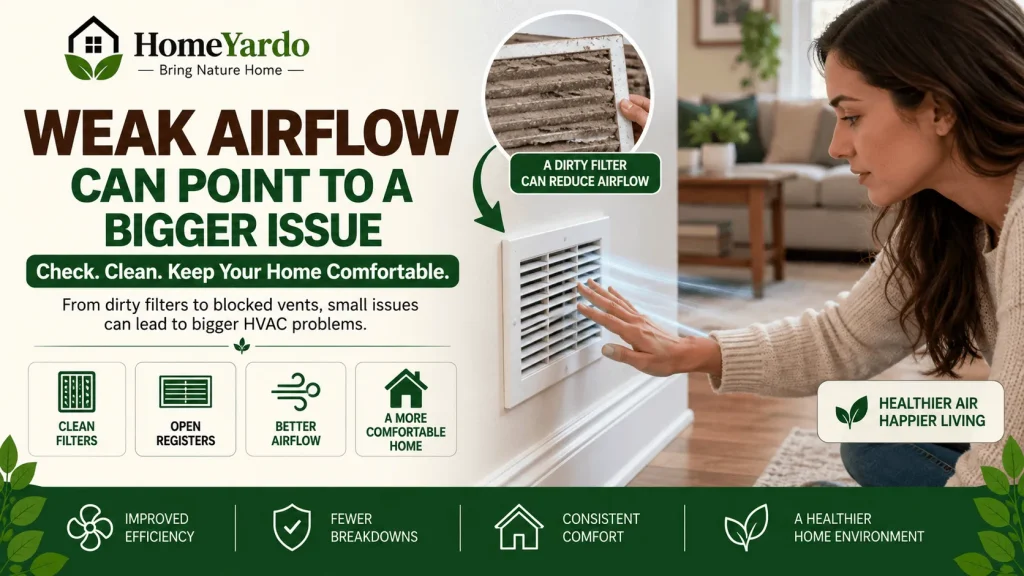
Warm air is not very useful if too little of it reaches the room.
Weak airflow may result from something relatively simple, such as a dirty filter or blocked register. It can also involve the blower, ductwork, dampers, or other system components.
Check several vents before deciding that airflow throughout the house is poor.
If only one or two rooms have weak airflow, individual registers or ductwork may deserve attention. If airflow has declined throughout the house, the cause may be closer to the central HVAC equipment.
Checking and replacing HVAC filters regularly is one of the simpler maintenance habits that can support proper airflow and equipment performance.
Use a filter type appropriate for the HVAC equipment rather than assuming that a denser filter is always better. Filter requirements can vary between systems.
If the filter is in reasonable condition, the registers are open, and airflow remains noticeably weaker than it used to be, the change deserves further investigation.
The Heating System Is Running Much Longer Than It Used To
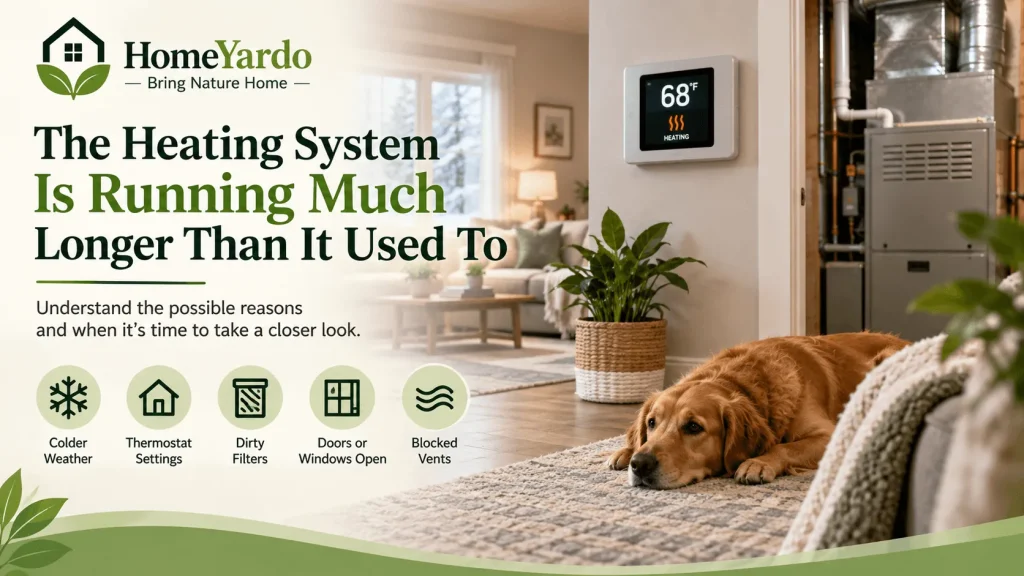
Longer operation is not automatically evidence of an HVAC problem.
A heating system will naturally work harder during colder weather. Changes in thermostat settings, doors being opened frequently, home occupancy, insulation, and other conditions can also increase runtime.
The warning sign is an unexplained change.
Suppose the outdoor conditions are similar to previous weeks, but the heating system now takes much longer to reach the same thermostat setting. If that change appears alongside poor airflow, uneven temperatures, or frequent cycling, there may be a performance problem worth investigating.
Begin with the thermostat and filter. Also check whether doors or windows have been left open or whether vents have recently been blocked.
When no simple explanation fits, continued unusually long operation can justify an HVAC inspection.
Rising Energy Use Can Be Another Clue
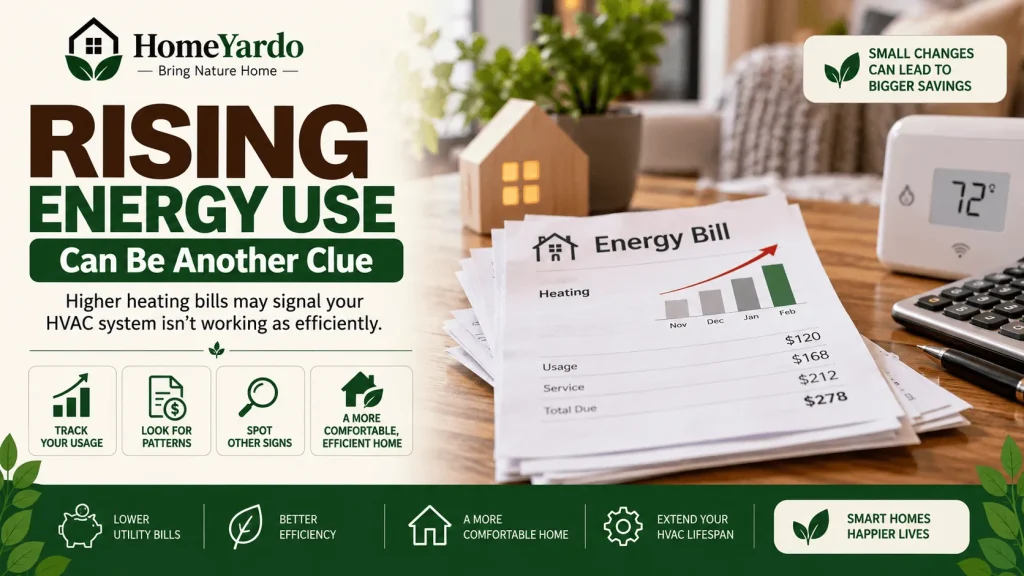
Heating bills naturally rise and fall with weather, fuel prices, household habits, and thermostat settings. One expensive bill does not prove that the HVAC system is failing.
Look for a pattern instead.
If energy consumption continues to rise while household routines and weather conditions are reasonably comparable, pay attention to how the heating equipment is operating.
Restricted airflow, control problems, deteriorating components, or other system issues may cause equipment to operate longer while delivering the same or less comfort.
Compare similar periods when possible. A very cold January should not be measured against a mild November without accounting for the weather difference.
Energy use becomes more useful as a diagnostic clue when it appears with other symptoms, such as:
- Longer heating cycles
- Weak airflow
- Uneven room temperatures
- Frequent starting and stopping
- Difficulty reaching the thermostat setting
The combination tells you more than the utility bill alone.
Unusual Smells Deserve More Caution
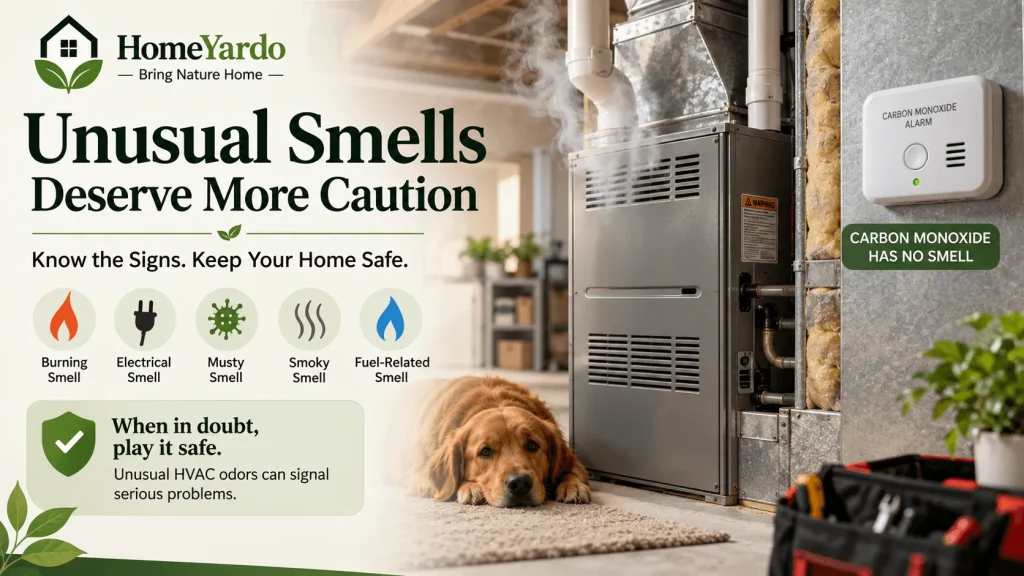
Some HVAC odors have harmless explanations.
A heating system that has not operated for several months may briefly produce a dusty smell when it first runs. That odor should normally be temporary.
Persistent burning, electrical, musty, smoky, or fuel-related odors are different.
A burning or electrical smell may indicate overheating or an electrical problem. Musty odors may be associated with moisture or contamination somewhere in the HVAC or duct system.
Any suspected fuel-gas odor should be treated as a safety concern rather than an ordinary heating problem. Follow the emergency guidance provided by your fuel supplier, fire department, utility, or other appropriate local authority.
Do not continue experimenting with equipment when you see smoke or suspect an electrical, combustion, or fuel hazard.
Carbon Monoxide Cannot Be Detected by Smell
Fuel-burning heating equipment adds another safety consideration: carbon monoxide.
Carbon monoxide cannot be reliably detected by sight or smell. Working carbon monoxide alarms are an important household safety measure wherever fuel-burning appliances are used.
Follow alarm-manufacturer instructions for installation, testing, replacement, and response procedures.
If a carbon monoxide alarm sounds, treat it as a safety event and follow the alarm manufacturer’s and local emergency authorities’ instructions rather than trying to determine the HVAC cause yourself.
Repeated Breaker Trips Shouldn’t Be Treated as a Reset Routine
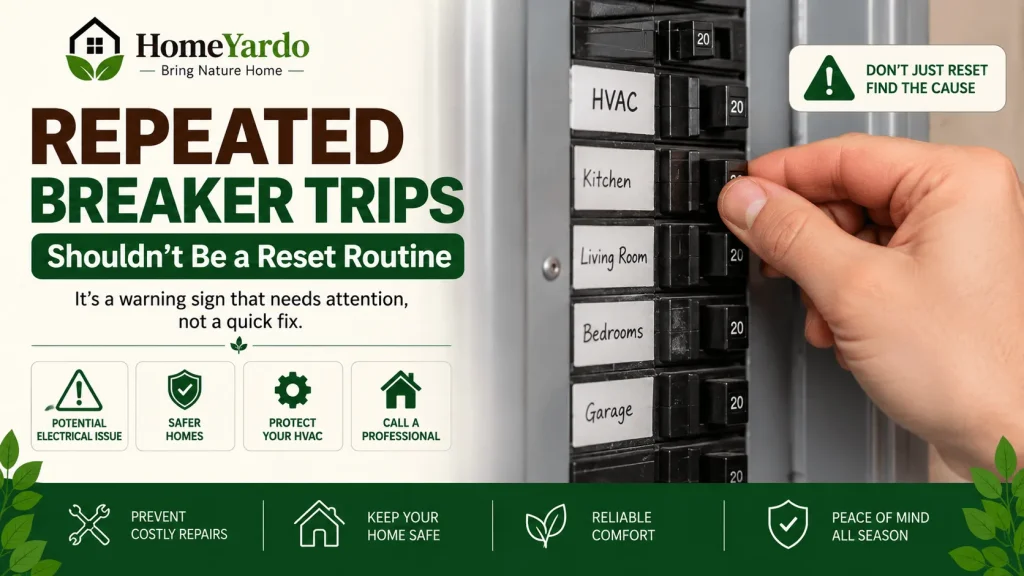
One additional warning sign worth watching is an HVAC system that repeatedly trips a circuit breaker or other electrical protection.
A single trip can occur for different reasons. Repeated trips are more concerning.
Do not keep resetting the breaker every time the system stops. Electrical protection devices are designed to interrupt operation when certain abnormal conditions occur, and repeatedly restoring power does not identify why that condition exists.
Homeowners can check whether the HVAC system appears to be the equipment associated with the tripped circuit, but electrical panels and energized HVAC components should be left closed unless the person working on them is qualified to do so.
Persistent breaker trips, burning odors, visible electrical damage, or signs of overheating call for professional assessment.
Know Which HVAC Problems Can Wait and Which Cannot
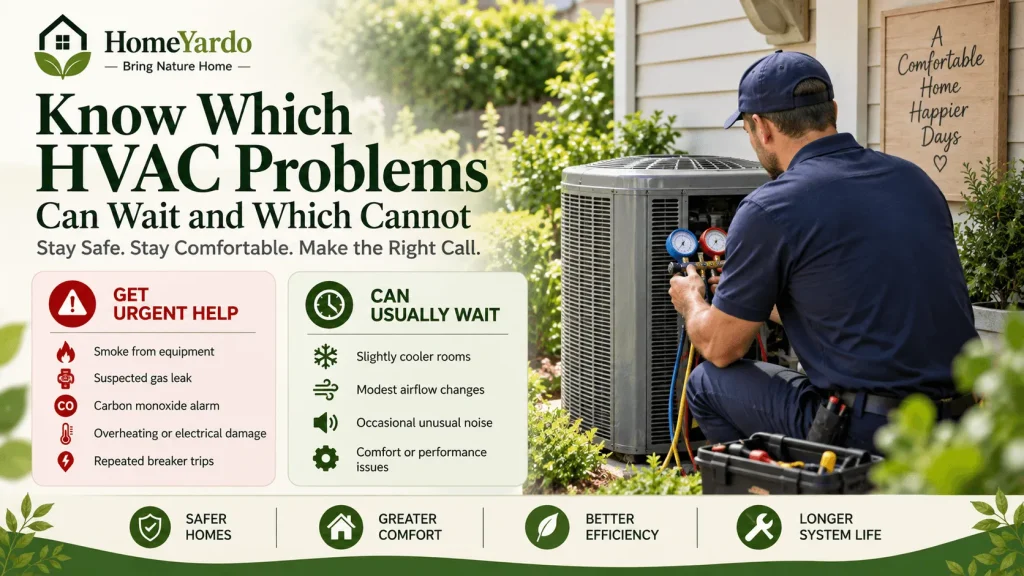
Not every HVAC warning sign requires emergency service.
A slightly cooler room, modest airflow difference, or occasional unfamiliar noise may give you time to check basic maintenance items and monitor whether the condition continues.
Safety-related symptoms belong in another category.
Seek appropriate urgent assistance when there is:
- Smoke coming from HVAC equipment
- A suspected fuel-gas leak
- A carbon monoxide alarm
- Visible overheating or electrical damage
- Repeated electrical protection trips accompanied by other warning signs
- Another condition that appears to create an immediate danger
If the issue appears limited to comfort or performance, arrange normal service rather than waiting for the system to fail completely.
What Homeowners Can Safely Check Before Calling for HVAC Service

You do not need to take equipment apart to perform useful preliminary checks.
Start with the things designed for routine homeowner access:
- Check the thermostat. Confirm the correct mode, temperature setting, schedule, and batteries where applicable.
- Inspect the HVAC filter. Follow the equipment or filter manufacturer’s replacement guidance.
- Look at accessible registers. Make sure supply and return openings are not unintentionally blocked.
- Compare several rooms. Determine whether the problem affects one area or the whole home.
- Observe the operating pattern. Note how frequently the system starts and approximately how long it runs.
- Record unusual sounds or smells. Note when they occur without opening equipment panels.
- Look for recent household changes. Closed vents, furniture movement, thermostat programming, open windows, or renovation work may affect comfort.
Stop at observation and routine maintenance.
Combustion equipment, electrical components, motors, controls, refrigerant circuits, safety devices, and internal mechanical repairs require the appropriate knowledge and equipment to inspect safely.
Can Routine Maintenance Prevent Every Heating Breakdown?
No maintenance schedule can guarantee that an HVAC system will never fail.
Equipment contains electrical and mechanical parts that can eventually wear or malfunction. Maintenance is useful because it provides an opportunity to check system operation, service routine components, and identify developing problems before peak heating or cooling demand.
HomeYardo’s guide to preventing costly AC breakdowns follows the same basic principle on the cooling side: changes in airflow, sound, cycling, and performance should be investigated rather than ignored.
For heating equipment, a seasonal inspection can be particularly useful before sustained cold weather, when an unexpected loss of heat becomes much more disruptive.
Notice Changes Before They Become Breakdowns
You do not need to become an HVAC technician to notice when your heating system stops behaving normally.
You already have a useful baseline: how your home usually feels, how strongly air normally comes from the vents, how often the equipment typically runs, and what sounds it normally makes.
Pay attention when that baseline changes.
Uneven temperatures, short cycling, weak airflow, unfamiliar noises, unusually long operating periods, rising energy consumption, or strange odors can all provide useful clues.
Start with basic homeowner maintenance checks where appropriate. If the problem continues, avoid compensating indefinitely by raising the thermostat, resetting electrical protection, or ignoring the symptom.
A heating system does not have to stop working completely before it deserves attention. Identifying a change early gives you more time to determine what is happening and arrange appropriate service before a comfort problem turns into a cold-weather breakdown.
FAQ‘s
Some common warning signs of HVAC problems are uneven temperatures in the house, poor airflow, strange noises, short-cycling, long run times, strange smells, unexplained energy bill spikes, and trouble reaching the thermostat setting. A change from the system’s normal behavior is often more meaningful than any symptom by itself.
Check simple causes such as the thermostat, filter, and blocked registers first. If poor heating, short cycling, weak airflow, unusual noises, or other changes continue after those checks, professional diagnosis may be appropriate.
Short cycling does not have one universal cause or level of risk. It may be associated with airflow restrictions, controls, overheating, thermostat issues, or other faults. Persistent short cycling should be investigated rather than treated as normal operation.
Uneven heating can result from blocked registers, airflow restrictions, duct issues, thermostat problems, insulation or air-leakage problems, or HVAC equipment performance. Comparing several rooms can help determine whether the problem is localized or affects the entire house.