When a Shower Upgrade Actually Makes Family Life Easier
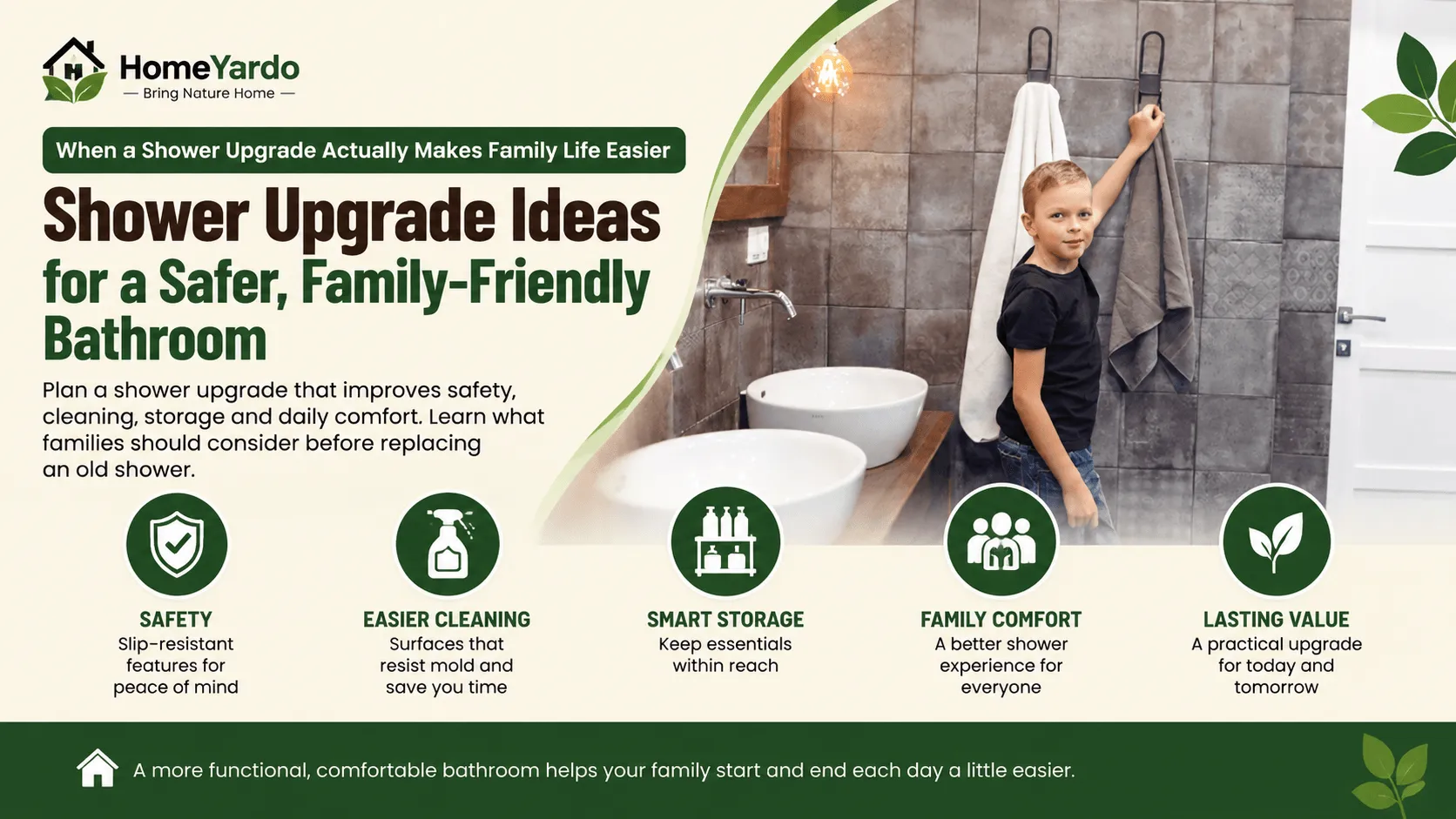
Your shower probably isn’t the most glamorous part of your home, but it gets a surprising amount of daily traffic. Between rushed school mornings, post-work cleanups, bath-to-shower transitions for growing kids, and the occasional attempt at five peaceful minutes alone, it matters more than most people admit. If your current setup feels cramped, slippery, outdated, or annoyingly hard to clean, a shower upgrade can shift your routine in practical ways that go far beyond looks.
The Best Upgrade Depends on How Your Family Actually Lives
A beautiful shower that doesn’t fit your routine is just expensive optimism. Before choosing materials or finishes, think about how your bathroom gets used on an average Tuesday.
Do you need room to help a younger child wash up? Is your teen taking showers that rival feature-length films? Do you share one main bathroom among several people? Are you planning to stay in your home long enough that aging-in-place features make sense now?
That’s where talking with a shower replacement company can be useful, especially when you need solutions tied to layout, accessibility, storage, and durability rather than just style boards. The right plan should reflect your household traffic, cleaning tolerance, and budget.
A family-friendly shower often includes practical extras such as built-in shelving, handheld showerheads, wider openings, and materials chosen for daily wear rather than showroom sparkle.
Your Shower Affects the Rhythm of the Whole House
A shower isn’t just a fixture. It’s part of your household’s timing system. When it works well, mornings move with less friction. When it doesn’t, everything slows down.
A narrow entry, weak water pressure, old caulking, or a tub wall that’s awkward to step over can create small frustrations that stack up fast. Teenagers take longer in the bathroom. Younger kids need more help. You end up wiping mildew again when you already cleaned it three days ago.
For families, convenience isn’t a luxury term. It often means:
- easier supervision for younger children
- faster cleaning after sports or outdoor play
- fewer slip hazards
- less grout scrubbing
- better use of limited bathroom space
Those details may sound minor on paper. In real life, they can change how calm or chaotic your day feels.
Outdated Showers Usually Have Problems You’ve Learned to Ignore
Most people don’t decide to upgrade a shower because of one dramatic issue. It’s usually death by a thousand annoyances. You start adjusting your habits around the shower instead of expecting the shower to work for you.
Maybe the door sticks. Maybe the fiberglass base has permanent staining that no cleaner can defeat. Maybe the tile grout has entered its villain era. Maybe one family member avoids that bathroom entirely because getting in and out feels unstable.
Older showers also tend to hide wear in places you don’t see right away, including:
- soft spots behind walls
- mold growth around failing seals
- poor drainage
- outdated materials that stain easily
- layouts that no longer fit your family’s needs
You don’t need a full bathroom overhaul to fix those issues. In many homes, replacing the shower itself is the smart move, especially when the goal is to improve comfort, accessibility, storage, and maintenance.
Safety Features Matter More Than You Think
If you have kids, aging parents visiting often, or your own minor balance issues after a long day, shower safety stops being an abstract design topic very quickly.
A safer shower can include low-threshold entry, non-slip flooring, grab bars that actually support weight, built-in seating, and better lighting. Those features don’t have to make your bathroom look clinical. Good design has caught up with common sense.
This matters in ordinary moments. Picture a child hopping in with wet feet, or a parent trying to shave while balancing like a flamingo on a slick surface. That setup isn’t ideal.
According to the Centers for Disease Control and Prevention, bathrooms remain a common place for household injuries, especially falls. Small layout changes can reduce risk while making the space more comfortable for everyone who uses it.
Cleaner Design Can Save You Real Time
A shower that looks nice for one week and then becomes a grout-maintenance side quest isn’t doing you any favors. Busy homes need surfaces that are practical, not just photo-friendly.
Modern shower systems often use wall surrounds and materials designed to resist mold, soap scum, and staining more effectively than older tile-heavy builds. Fewer seams usually mean fewer places for grime to settle in and fewer opportunities for water to sneak where it shouldn’t.
That can translate into simpler upkeep like:
- wiping surfaces instead of deep scrubbing
- less mildew around corners and joints
- fewer specialty cleaners under the sink
- less time resealing grout or patching caulk
When you’re already managing meals, laundry, schedules, and the mysterious disappearance of every clean towel, easier maintenance earns its place.
Budget Planning Gets Easier When You Know What You’re Paying For
Shower upgrades can vary a lot in cost, and confusion usually starts when people compare completely different scopes of work. Swapping out worn surfaces is one thing. Reworking plumbing, drainage, walls, and layout is another.
A realistic budget should account for:
- demolition and disposal
- plumbing adjustments
- waterproofing
- wall and base materials
- doors or enclosures
- fixtures and hardware
- labor and installation timeline
It also helps to think beyond the sticker price. A low-cost option that cracks, leaks, or demands constant repairs can turn into a money pit with a shampoo caddy.
If resale is on your radar, bathroom updates often attract attention from buyers. The National Association of Realtors regularly notes that bathroom improvements rank high for homeowner appeal. Even if you’re not selling soon, daily usability has its own return.
A Good Shower Upgrade Should Solve Problems, Not Create New Ones
Home projects have a special talent for sounding simple until your bathroom is out of service and someone is brushing teeth in the kitchen. Planning matters.
Ask practical questions before work starts. How long will the project take? Which bathroom will everyone use during installation? What materials hold up best in humid family spaces? What kind of warranty is offered? Will cleaning be easier, or just different?
You’ll also want to watch for common mistakes, including:
- choosing finishes that show every water spot
- ignoring storage needs
- prioritizing trends over safety
- underestimating ventilation issues
- picking a layout that still feels cramped
The strongest results usually come from balancing function and appearance. You want a space that feels better to use at 7:10 a.m., not just one that photographs well at 2:00 p.m.
FAQ’s
Do I Need To Replace A Shower?
It can be when the current shower is hard to clean, uncomfortable to get into, leaky, damaged or just not quite right for the home. Replacement can increase usefulness without necessarily necessitating a total bathroom redesign.
Things To Consider Before You Replace A Shower?
Start with available space, entry height, waterproofing, drainage, storage, cleaning needs, accessibility, fittings and budget. Existing leaks or moisture damage should also be inspected prior to applying new finishes.
What Makes A Shower Family-Friendly?
A family-friendly shower usually emphasizes easy access, ample space, non-slip surfaces, handy storage and fixtures that can accommodate different users. A handheld shower head is especially good for cleaning and kids.
How Can I Make A Shower Safer For Youngsters And The Elderly?
Look at slip-resistant flooring, a lower threshold, properly built grab bars, adequate lighting and a handheld showerhead. Some users may additionally benefit from built-in chairs.
Are Groutless Shower Walls Simpler To Clean?
They can cut the number of joints to be cleaned than with small format tile installations. Maintenance still depends on wall material, installation quality and cleaning instructions from the manufacturer.
Should I Replace My Tub With A Shower?
This depends on how many bathrooms your home uses. A shower may make bathing more accessible and allow for more usable space, but families that bathe young children often or use the tub may want to preserve at least one bathtub someplace in the home.
How Long Does A Shower Replacement Take?
The schedule is subject to alter based on demolition, plumbing upgrades, waterproofing, material choices and discovery of hidden problems. Not all replacements will be performed within the same time frame. Ask your installer for a project-specific schedule.
What Does A Shower Improvement Cost?
“There’s no one reliable benchmark price for all projects. Costs will vary depending on the size of the shower, materials, enclosure, plumbing adjustments, waterproofing, labor and any repairs found after demolition. Compare written estimates on the same scope of work.
Can I Just Change The Shower And Not Redo The Complete Bathroom?
Yes. If the rest of the bathroom is functional and in good condition, replacing just the shower may solve the major usability or maintenance problem while limiting costs and disturbance.
Which Shower Head Saves Water?
WaterSense labeled showerheads are built to use no more than 2.0 gallons per minute while still fulfilling EPA performance criteria. They are worth looking into when replacing shower fittings.
Questions To Ask A Shower Replacement Company Before Hiring Them
Ask about waterproofing, materials, labor, warranties, project time, plumbing modifications, permits, cleanup, hidden-damage procedures and what is included in the printed estimate.
Will I Need Additional Bathroom Ventilation When I Upgrade My Shower?
If the bathroom has any existing problems of continuous condensation or humidity issues, then the ventilation system should be investigated during the project. New shower surfaces don’t do anything to fix poor moisture removal.