
Why Dublin Landlords Hire a Plumber in Dublin Before Rental Property Inspections
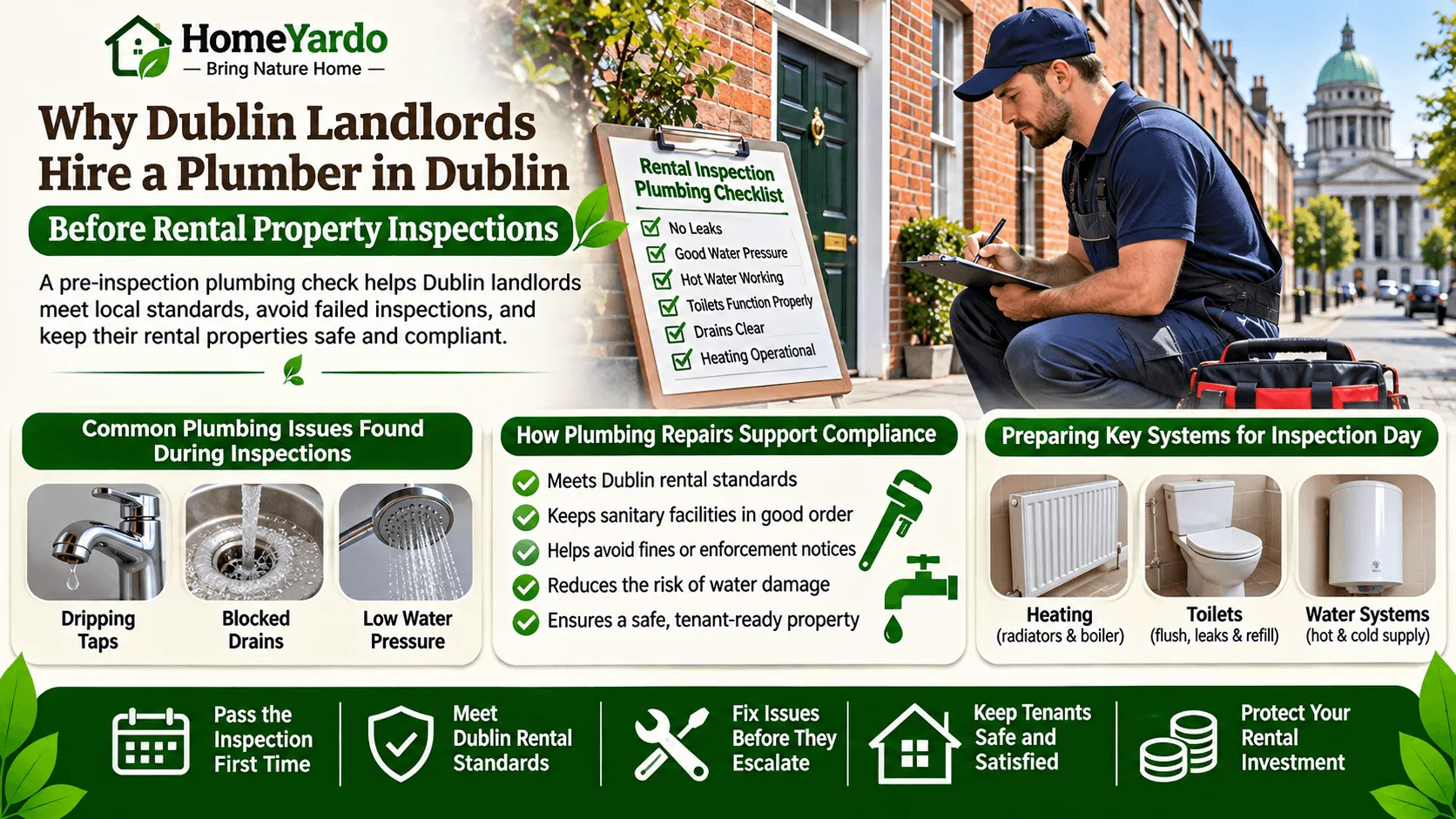
A rental property plumbing inspection Dublin OH landlords arrange before a scheduled property review can help identify leaks, drainage problems, and unreliable fixtures before they affect tenants or lead to further repairs. Whether the property is occupied or being prepared for new tenants, a properly functioning plumbing system is an important part of maintaining safe and comfortable living conditions.
From leaking faucets and running toilets to inconsistent water pressure, small plumbing problems can sometimes indicate more significant issues behind walls or beneath floors. Addressing these concerns early helps protect the property from avoidable water damage and keeps maintenance work organized.
For landlords in Dublin, Ohio, plumbing maintenance is also connected to obligations under Ohio’s landlord-tenant laws and applicable local housing and building codes. A pre-inspection visit from a qualified plumber can help identify problems, prioritize repairs, and document completed work.
The goal is not simply to prepare for an inspection. It is to keep the property’s water supply, drainage, heating equipment, and sanitary fixtures operating safely and reliably throughout the tenancy.
Why Dublin Landlords Hire a Plumber Before Rental Property Inspections
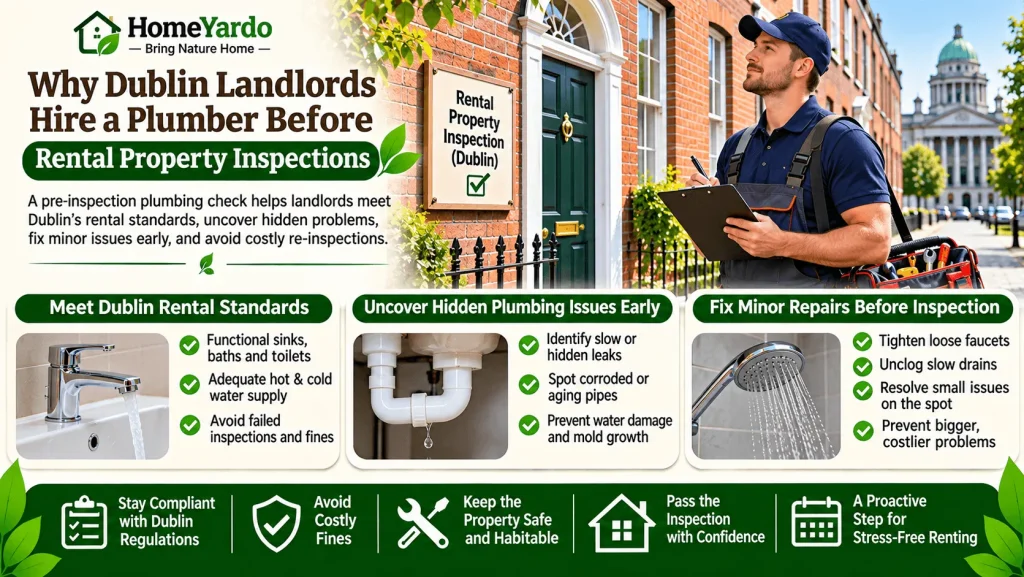
The decision to book a plumber before an inspection often starts with the need to meet strict rental standards set by the Dublin City Council. These standards include functional sinks, baths, toilets, and adequate hot and cold water supplies. Any sign of a leaking pipe or a malfunctioning fixture can lead to a failed inspection, requiring costly re-inspections and potential fines.
Scheduling a landlord plumbing inspection in Dublin allows property owners to identify hidden issues that might not be immediately obvious, such as slow leaks behind walls or corroded pipes under floorboards. These problems, if left unchecked, can result in water damage or mold growth, both of which can compromise the safety and habitability of a rental property. Comparing Dublin rental property standards helps landlords understand what inspectors typically look for during a visit.
Routine checks between tenants can help identify developing plumbing problems before an official inspection or maintenance complaint. HomeYardo’s guide on how to prevent plumbing problems explains practical ways to monitor water pressure, drains, fixtures, and hidden leaks before they require more extensive repairs
By hiring a Plumber in Dublin for a pre-inspection check, landlords can resolve minor repairs on the spot, like tightening loose faucets or unclogging drains. This step prevents routine issues from escalating into major concerns and ensures the property stands up to scrutiny when the official inspection takes place. The plumbing professional’s visit becomes a preventative measure, not just a response to visible problems.
Common Plumbing Issues Found During Dublin Rental Inspections
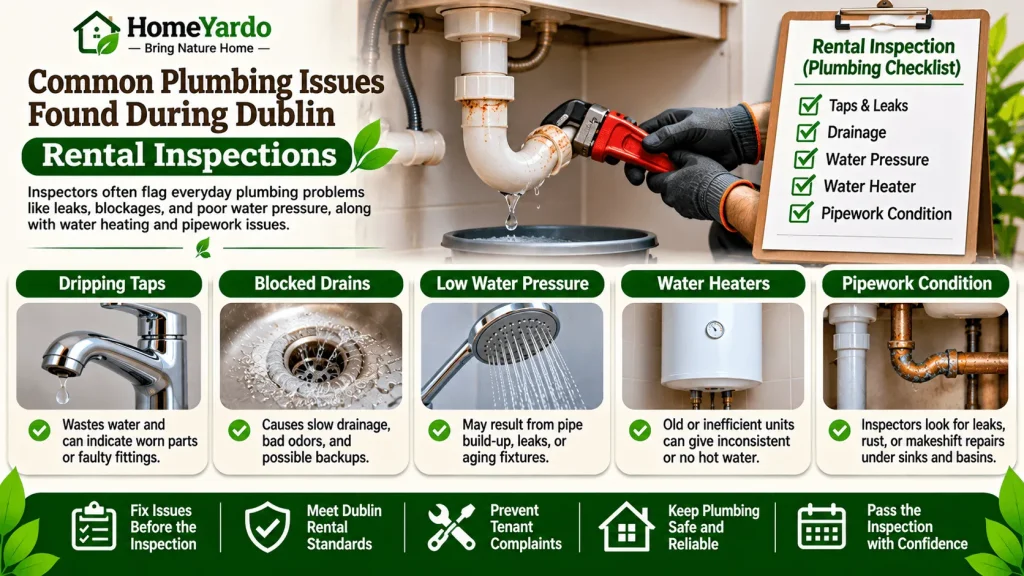
Among the most frequently cited plumbing concerns during property inspections are dripping taps, blocked drains, and low water pressure. These issues might seem minor but can indicate underlying wear and tear or poor previous repairs. Inspectors pay particular attention to these details, as they can quickly lead to tenant complaints or regulatory breaches if not addressed.
A small leak can become a larger maintenance concern when water reaches cabinetry, flooring, or concealed building materials. Understanding why small plumbing leaks should be repaired promptly can help landlords decide which problems need attention before tenants or inspectors identify further damage
Water heaters are another critical focus during landlord plumbing inspections Dublin properties undergo. Old or inefficient water heaters may produce inconsistent temperatures or even fail to supply hot water entirely, which is a direct violation of housing regulations. Ensuring these units are properly serviced or replaced is a key step in passing inspection.
Another area often examined is the condition of visible pipework under kitchen sinks and bathroom basins. Signs of rust, leaks, or makeshift repairs can raise red flags. Routine plumbing maintenance before the inspection helps landlords avoid these pitfalls and demonstrates a commitment to providing safe, functional accommodation. Guidance on plumbing maintenance for rental properties offers helpful checklists for these inspections.
How Plumbing Repairs Support Rental Property Compliance

One of the core requirements for rental property compliance in Dublin is a reliable, sanitary water supply and drainage system. Regular plumbing repairs—such as replacing worn washers, fixing leaking joints, and clearing blocked pipes—directly contribute to meeting these legal obligations. Failure to maintain these systems can result in enforcement notices, fines, or even loss of rental income.
Addressing plumbing faults before the inspection also supports compliance with the Housing (Standards for Rented Houses) Regulations. These rules mandate that all sanitary conveniences, such as sinks and toilets, are in good working order and supplied with adequate water. Ignoring even minor defects can jeopardize a landlord’s ability to legally let the property.
For landlords who manage multiple units, systematic plumbing repairs help streamline compliance across their portfolio. Catching problems early, rather than waiting for tenant complaints or failed inspections, leads to fewer disruptions and a smoother relationship with both tenants and authorities. Proactive repairs also minimize the risk of water damage, which can have expensive, long-term consequences.
Preparing Heating, Toilets and Water Systems for Inspection Day
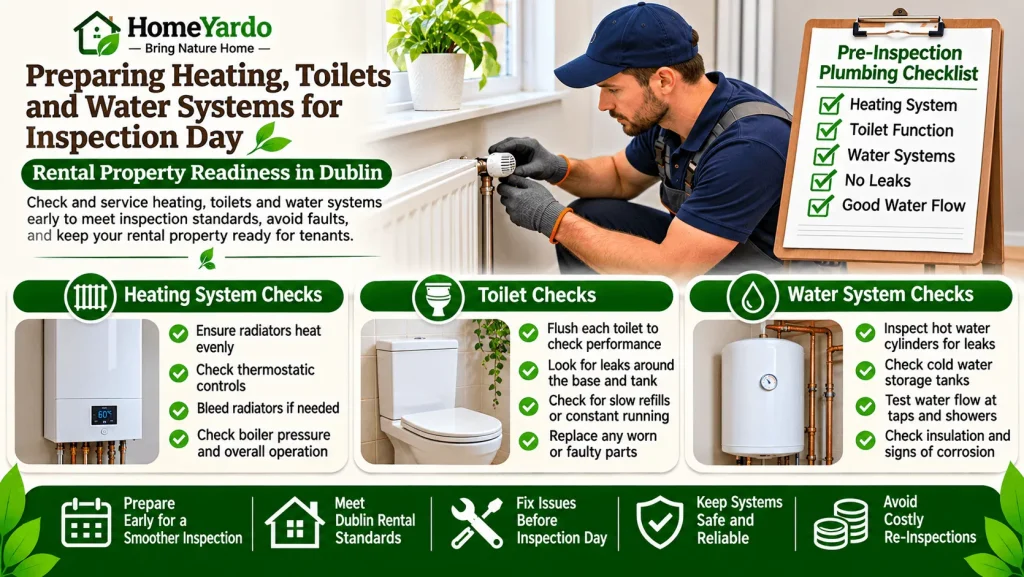
In Dublin’s climate, heating systems are particularly important during rental inspections. Landlords should ensure that radiators heat up evenly and thermostatic controls are functional. Bleeding radiators and checking boiler pressure are common steps taken during a professional plumbing check, ensuring consistent warmth throughout the property.
Toilets are another focal point. Inspectors often flush each unit to check for leaks, slow refills, or persistent running water—issues that can waste water and signal deeper faults. Landlords commonly ask plumbers to inspect toilet mechanisms and replace any worn components ahead of time.
Not every toilet leak leaves visible water on the bathroom floor. A failing internal seal may allow water to pass quietly into the bowl, causing unnecessary water consumption. HomeYardo’s guide on how to tell if your toilet is leaking explains common warning signs and simple checks that can help identify the problem.
Water systems, including hot water cylinders and cold water storage tanks, must be free from leaks and provide sufficient flow at every tap or shower. Preparing these systems for inspection involves checking insulation, testing flow rates, and looking for any signs of corrosion or damage. These steps reassure both inspectors and tenants that the property is ready for occupation and free from immediate repair needs.
FAQ’s About Rental Property Plumbing
A rental property plumbing inspection involves checking the condition and operation of plumbing fixtures, water supply connections, drains, toilets, and water-heating equipment. Landlords may arrange a professional inspection before a municipal property review, between tenancies, or when recurring plumbing problems need attention.
A plumber can identify hidden leaks, blocked drains, deteriorating fixtures, and water heater problems before they lead to more extensive repairs. An early inspection also gives landlords time to correct maintenance concerns and document completed work.
Common issues include leaking faucets, running toilets, slow drains, corroded pipe connections, fluctuating water pressure, and unreliable hot-water delivery. Some problems are visible, while others require professional investigation.
Ohio law generally requires landlords to maintain plumbing and sanitary fixtures and appliances supplied or required to be supplied by the landlord in good and safe working condition. Responsibilities may also depend on the nature of the damage, applicable law, and the rental agreement.
There is no single inspection schedule suitable for every property. Landlords can consider plumbing checks between tenancies, during routine maintenance visits, and whenever tenants report leaks, unusual water pressure, or drainage problems. Any applicable local inspection requirements should be confirmed separately.
Significant plumbing defects may lead to code-compliance findings when they violate applicable requirements. Examples could include unsafe or nonfunctional sanitary facilities, serious leaks, or failure of required plumbing services. The result depends on the applicable code and the inspector’s findings.
The appropriate choice depends on the fixture’s condition, repair history, and the extent of deterioration. A worn washer or seal may be repairable, while a badly corroded connection or repeatedly failing fixture may justify replacement. A qualified plumber can help evaluate the options.
Landlords should check accessible faucets, drains, toilets, water heater connections, visible pipes, shutoff valves, and areas showing moisture or corrosion. They should also review tenant-reported problems and arrange professional assessment for concerns involving hidden leaks or unsafe equipment.
Pricing depends on the property’s size, number of fixtures, inspection scope, and whether diagnostic testing or repairs are included. Landlords should request an itemized quote and confirm whether the service covers only a visual inspection or additional plumbing tests.
No. A private plumbing assessment can help landlords identify and correct maintenance problems, but it does not replace a required municipal inspection or constitute official code approval. Landlords should confirm any applicable inspection procedures with the relevant local authority.
Conclusion
Scheduling a professional plumbing inspection before the official rental property assessment gives Dublin landlords a practical advantage. A single call to a qualified plumber can uncover hidden problems, reduce compliance risks, and ensure that heating, toilets, and water systems all meet local standards. Landlords preparing for inspection should book a pre-inspection check and address any plumbing concerns in advance, making the process smoother for everyone involved.