Plants for Full Sun That Handle Heat, Dry Soil, and Strong Light
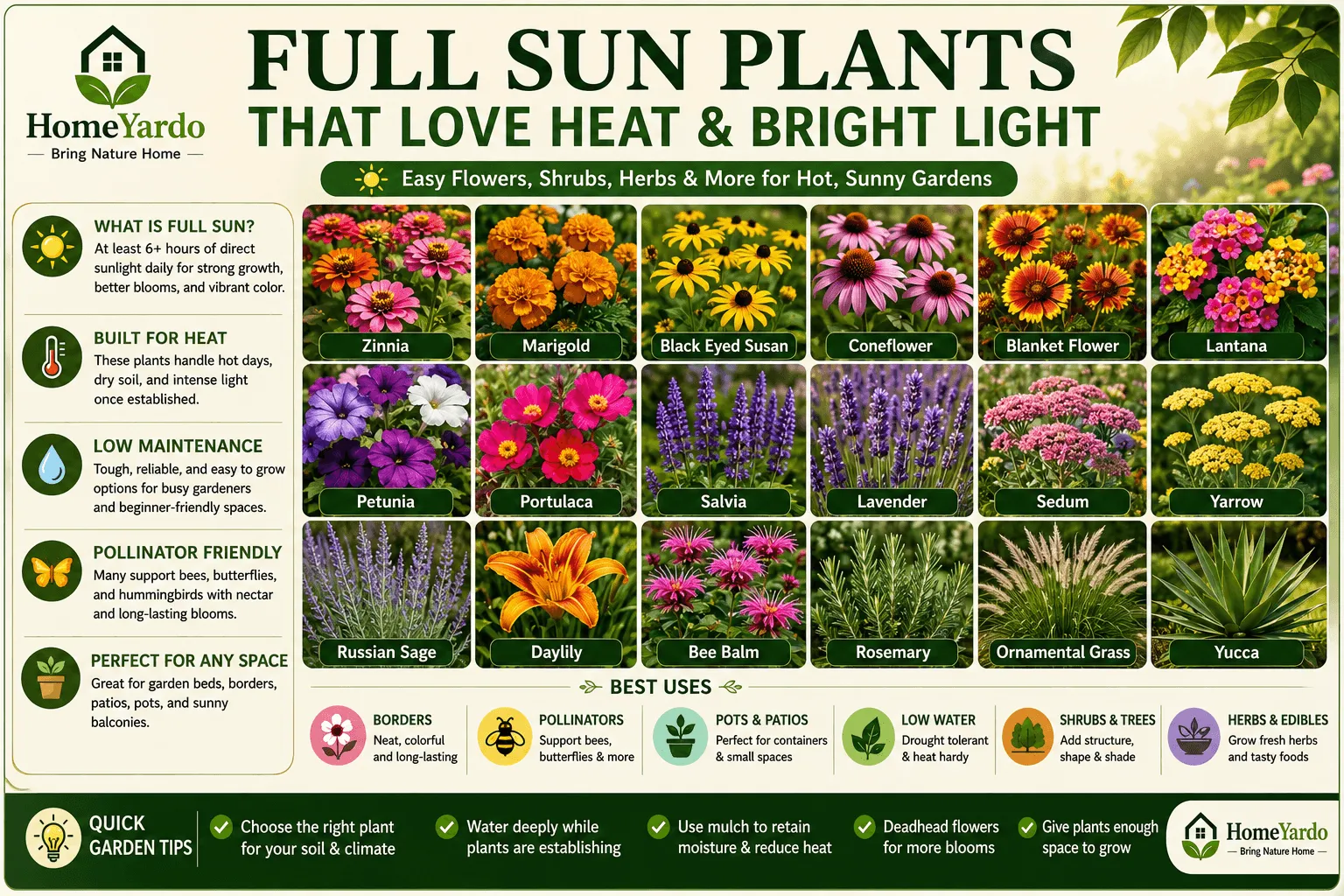
Garden spaces that are sunny can be stunning, but harsh lighting could expose a plant that isn’t right quickly. A strong sun, hot soils, dry breeze, pavements, walls and even tiny containers can result in burnt leaves, wilting and weak flowering as well as dry, swollen roots.
Full sun generally refers to at least 6 hours of direct sunlight per day. Certain plants blossom best when they get this much light, whereas others require airflow, moisture or afternoon protection to be healthy.
The best option is determined by the location first. The hot and dry areas of a patio balconies facing south, clay beds, sandy patches, or humid gardens won’t all have the same plant selection. These full sun garden plants work best when the plant, soil, heat level, and watering routine all match the same sunny space.
This guide outlines direct sunlight, full sun as well as heat tolerance and drought tolerance, so that each plant can be placed in the correct spot.
Quick Answer: Best Full Sun Plants To Start With
A well-lit garden begins with plants that are able to take on the bright sunlight. For flowers that are easy to care for such as marigolds, zinnia, black-eyed Susan, blanket flower and coneflower are good starting options.
In the case of perennials, it is recommended to plant lavender salvia catmint, yarrow daylily, sedum, and agastache can be found in many sunny gardens. For pots, petunia calibrachoa, geranium flower, lantana and portulaca provide a strong color when the watering is well-controlled.
For hardy full sun plants, start with dependable options that can handle bright light and normal outdoor stress once they settle in. Lavender, yarrow, sedum, Russian sage, daylily, juniper, and ornamental grasses are useful hardy plants for full sun when the soil and climate are right. Plants for full sun and heat, choose those that will thrive in bright light and warm soil, particularly in a patio, unprotected border, or south-side garden.
| Need | Best Plant Options | Why They Work |
|---|---|---|
| Easy Flowers | Zinnia, marigold, black eyed Susan | Simple care, strong color, good beginner choices |
| Dry Soil | Lavender, sedum, Russian sage, yucca | Handle drier conditions once established |
| Pots | Petunia, calibrachoa, geranium, lantana | Good color and container performance |
| Hot Patios | Portulaca, lantana, fan flower, geranium | Better suited to bright, warm container spaces |
| Pollinators | Bee balm, salvia, coneflower, milkweed | Nectar and pollen support bees, butterflies, and hummingbirds |
| Structure | Juniper, rosemary, ornamental grasses | Shape, texture, and year-round interest in many climates |
If you have an outdoor space that is hot, begin with portulaca or lantana fan flower or Geranium. In the event that your soil is drained and open, you can plant the lavender, sedum, Russian or yarrow or yucca.
For a long-lasting summer hue, such as zinnia and petunia coreopsis, marigold and the blanket flower are good selections. To attract pollinators salvia, bee balm, coneflower, and milkweed, as well as Agastache, are great choices to add more color to your bed.
What Does Full Sun Mean For Plants?

Full sun describes light exposure. It is not always a sign that plants can withstand hot, dry and drained soil or extreme temperatures in summer.
A plant that is in an area with sun can get sufficient light, but struggles when the soil remains too dry, the root systems overheat, or if the plant is situated near brick or concrete. Full sun is best when the plant is also matched to the water temperature, the soil, climate, and the temperature of the area.
Sun tolerant plants can handle brighter conditions than shade plants, but they still need the right soil, moisture, and root space. Strong light helps them grow, but poor placement can still cause stress. Plants that thrive in full sun require good light for good growth but should be in soil, water and spacing that best suits their natural growth habit.
Full Sun Vs Direct Sunlight
Full sun generally refers to six or more hours of direct sunshine per day. In open spaces, south-facing areas and patios with exposed walls, some plants could receive more than 8 hours of direct sunlight.
Direct sunlight refers to the way that sunlight reaches the leaves and is not blocked by shade cloths or trees, buildings or larger plants. The plants in direct sunlight should be able to endure without filtering sunrays on their leaves for long periods of time and not only the bright shade or the reflected light.
Certain flowering plants bloom more effectively when exposed to long-lasting sunlight. Some heat tolerant plants or full sunshine in cooler climates require protection during the afternoon in extremely hot areas.
Direct sunlight flowers such as zinnia, marigold, lantana, portulaca, and coneflower usually bloom better when the sun reaches them clearly for several hours each day. Those plants that grow in direct sunlight require leaves, stems and roots that are able to withstand several hours of unfiltered light, as well as the constant wilting and leaf burn that can occur.
Morning Sun Vs Afternoon Sun
Morning sun is more gentle since it has lower temperatures. It assists in drying dew off leaves and encourages growth, without causing as much heat stress.
The afternoon sun is more intense and hotter. Plants that like afternoon sun include Patios, beds that face west, and walls, as well as gravel fencing and paved areas, which are able to hold heat and reflect it towards plants. These areas require more robust choices like portulaca, lantana as well as rosemary, sedum fan flower, yucca and Russian sage.
A plant that is able to handle the morning sun can still die in a patio pot facing west. The timing of light is as important as the amount of sunlight.
Full Sun Vs Heat Tolerant Vs Drought Tolerant
Full sun, heat tolerance and drought-tolerance are all related; they’re not exactly identical. A plant may require all day sun, but still require continuous water. Some plants can withstand dry conditions once it matures, but require watering in the beginning of the season.
| Term | Meaning | What It Does Not Mean |
|---|---|---|
| Full Sun | Needs 6 or more hours of direct light | Does not always handle dry soil |
| Heat Tolerant | Handles hot air and warm soil better than tender plants | Does not mean the plant never needs water |
| Drought Tolerant | Handles dry periods after roots are established | Does not mean no watering after planting |
New plants require constant irrigation until the roots are able to spread to the soil around them. Even drought-tolerant plants may fail if placed in hot weather and then left to dry.
Outdoor Full Sun Plants By Space

Outdoor spaces with sunny areas require various plants depending on the dimensions, layout as well as heat exposure and maintenance requirements. A front border needs tidy growth. A garden bed can accommodate larger plants. The patio requires smaller or less fragrant plants.
Select the area first and then select the plant. This makes the garden simpler to maintain and helps reduce overcrowding later.
For Front Yard Borders
The front yard borders require plants that are neat as well as bloom in a way that will maintain their form throughout the seasons. Black-eyed Susan coneflower salvia, catmint daylily and yarrow. Coreopsis, Dianthus, Salvia, and Shasta daisies can be used when the weather is favorable.
Catmint and lavender are great for edges as they are tidy. Coneflower, daylily and black-eyed Susan and coreopsis can be placed further back so that they can have more space.
They add colour, pollinator value and curb appeal without regular planting.
For Backyard Beds
Backyard beds can be adapted to accommodate larger and larger plants. Russian sage coreopsis, bee balm decorative grasses, blanket flowers red hot poker if they are suitable, as well as rosemary in warm climates such as crape myrtle, juniper and panicle hydrangea can create a fuller and more shaded plant.
Plants are layered according to their height. Larger shrubs or grasses could be placed on the rear. Flowers can be found in the middle. Sedum that is low-growing and creeping thyme as well as dianthus, can smooth the edge of the front.
This style of layering makes a room look more spacious even when flowers aren’t in bloom.
For Patios And Walkways
For walkways and patios, you need plants that are slim, smell nice or flow neatly out of pots. Lavender and rosemary, creeping and thyme small rosemary and dwarf lavender, portulaca, calibrachoa, geranium, fan flower, and small zinnias can be adapted to in these areas.
Creeping Thyme can be used to cover the stepping stones in areas that have a lot of foot traffic. Lavender and rosemary release scent when they are brushed. Fan flowers, petunia and calibrachoa are able to provide color to bright containers without encroaching on the pathway.
Make sure to keep the mature width in mind to ensure that plants don’t block walking spaces.
Full Sun Plants For Pots, Patios, And Balconies

Potted plants full sun require special care as containers get hot and dry more quickly than the soil in the garden. Small containers, dark pots, balcony doors that are windy, as well as hanging baskets, are able to dry quickly.
The best container plants should be matched to the pot’s size as well as the light exposure and watering schedule. Dry-loving plants shouldn’t be in the same pot as plants that love moisture unless the container has been managed cautiously.
Plants For Pots Full Sun
Petunia, calibrachoa flower Geranium, lantana sweet potato vine, portulaca rosemary, dwarf lavender creeping zinnia as well as ageratum, dichondra where humidity is consistent and nasturtium in areas where temperatures are not too extreme will thrive in pots that are sunny.
Petunia and calibrachoa provide strong colors, but they require more frequent drinking and feeding than portulaca. The dwarf lavender and rosemary require more pronounced drainage. Lantana and fan flowers handle hot patios with ease and require regular attention.
Mandevilla can scale a small trellis that is placed in a sunny pot. Dichondra can be seen soaring over the pot’s edges and provides an attractive silver or green leaf contrast.
Plants For Balcony Full Sun: South-Facing Balconies
South-facing balconies are often flooded with prolonged hours of direct sunlight. Geranium, petunia and citrus in pots chillies, lavender fan flower, lantana mandevilla and rosemary are all good choices when you water consistently.
Balconies can also get windy. Wind can dry the soil and cause stress to leaves, particularly in pots that are small. Larger pots, grouped pots and constant watering can to reduce stress.
Plants that are tender, like peppers, citrus and a variety of geraniums, could require protection from frost in cold climates. In extremely hot regions some shade in the afternoon may aid during heat spikes.
How To Keep Pots Alive In Full Sun?
Utilize larger containers when you can. The more soil volume protects roots from rapid water and heat fluctuations.
Pots with lighter colors are cooler than dark-colored pots under intense sunlight. Small hanging pots dry out the fastest therefore they require greater focus when it is hot. Self-watering containers are a great option during hot spells, but drainage is still a factor.
Choose quality pots instead of dense garden soil. Examine the top of the potting mix prior to watering. Make sure to water thoroughly, and then let the excess water go. Saucers are a great way to help plants that need moisture temporarily. Dry-loving herbs and succulents shouldn’t be left in water.
Put pots in danger into temporary shade during the extreme afternoon temperatures.
Best Full Sun Flowers For Bright Garden Beds

- They add color, pollinator activity and a seasonal rhythm to vibrant beds. Certain plants are annuals that flower heavily during a single season, whereas other perennials bloom when the conditions are right.
- Mixing perennials with annuals creates rapid color and longer-lasting structure. Annuals fill in gaps fast while perennials form the mainstay of the sunny bed. Plants that love heat generally thrive best when they have plenty of water so the root zone does not become bone dry, adequate airflow and continuous direct sunlight.
Zinnia
- Zinnia is a simple annual flower to brighten summer beds. Common garden zinnias are often listed as Zinnia elegans. They are able to grow from seeds they can handle intense light and will produce vibrant flowers for a cutting garden.
- Type: Annual
- Best For: summer color and cut flowers
- Sun: Full sun
- Water: Moderate
- Also know how to avoid the buildup of air flow and mildew.
- Directly sow zinnias after the frost has melted and the soil is warm. Sprinkle water at the base as it is feasible to.
Marigold
- Marigolds are among the easiest annuals suitable for gardeners who enjoy sunny weather. Many garden types are part of the species of Tagetes and its hybrids.
- Type: Annual
- Best for: Borders, vegetable garden edges, beginner beds
- Sun: Full sun
- Water: Moderate
- Be on the lookout for tired blooms and soil that is overly wet
- Marigolds can withstand heat well if the soil doesn’t stay dry for a long time. Deadheading helps keep plants looking fresher throughout summer.
Black Eyed Susan
- Black eyed Susan often called Rudbeckia species is a border favourite with golden flowers and a dark center. Certain varieties behave as perennials while others have a shorter life span based on the climate and variety.
- Type: Short or perennial timed perennial
- Best for: Borders, pollinators, seedheads
- Sun: Full sun
- Water: Moderate to Low following the establishment
- Be on the lookout for self seeding on sites that are favorable
- It is a pollinator-friendly plant during the bloom, and also provides seeds to birds later in the season.
Coneflower
- Coneflower, commonly Echinacea varieties and hybrids is a perennial of the prairie which thrives in sunny, open beds.
- Type: Perennial
- Ideal for: Pollinator borders and sunny, dry beds
- Sun: Full sun
- Water: Moderate to low following the establishment
- Look out for: Winter wet soil
- Coneflower attracts butterflies and bees when it is in flower. Seedheads may support birds later when they are left alone.
Blanket Flower
- Common flowers and hybrids of Gaillardia are an enduring choice of flowering plant for a hot, sunny location.
- Type: Short or perennial timed perennial
- Ideal for: Hot dry borders, and front edges
- Sun: Full sun
- The water level is low after establishment.
- Be on the lookout for: rich or wet soil
- It thrives in light well-drained soil. If the soil is wet and heavy the plants could weaken or even fail earlier.
Lantana
- Lantana includes Lantana camara, as well as a variety of varieties, which are a tolerant flower that has bright clusters of flowers.
- Physiology: Perennial or annual, depending on climatic conditions.
- The best for hot pots, pollinator color sun drenched borders
- Sun: Full sun
- Water: Moderate to low following the establishment
- Look out for: Invasive risk in certain warmer areas
- In colder regions the lantana plant is usually planted as an annual. If you live in warmer climates, be sure to consult the local guidelines before planting.
Petunia
- Petunia hybrids are very popular full-sun annuals that are great for pots as well as baskets and borders. They are prolific bloomers with strong regular, steady water and gentle feeding.
- Type: Annual
- The best color for pots or baskets, borders
- Sun: Full sun
- Water: Moderate
- Look out for dry containers and stress to the nutrients
- Petunia isn’t a drought-tolerant plant. If it’s in pots that are hot, it might require regular watering to keep blooming.
Portulaca
- Portulaca is often Portulaca grandiflora is a great option for dry, hot and sunny areas. Its succulent leaves allow it to cope with dry conditions more effectively than most bedding flowers.
- Type of flower: Annual succulent
- Ideal for dry pots and rock gardens, as well as edging
- Sun: Full sun
- Water: Low
- Be on the lookout for wet soil
- It is effective in containers that are shallow with sunny gaps and exposed edges where soft plants can wilt.
- Other sun-loving annuals to think about include cosmos and sunflower calendula and nasturtium as well as morning glory and nicotiana and ageratum. Morning glory and sunflowers require more space in the vertical direction, whereas cosmos and calendula are able to assist in filling up sunny beds with lighter seasonal colors.
Full Sun Flowers That Bloom All Summer

- Long-blooming flowers are great in sunny gardens where you need regular color throughout the late spring until warmer weather. The length of the bloom is dependent on sun and water levels, the volume of soil deadheading, the degree of heat stress. Many summer flowers perform best when they receive steady light, enough root space, and deep watering during hot weather.
- Even flowers that love sun can slow down if tiny pots are left to dry out repeatedly or if the soil conditions become too sloppy to support an ongoing flowering.
Best Long Blooming Choices
- Zinnia, petunia and the lantana, calibrachoa fan flower, blanket flower salvia, coreopsis marigold, cosmos ageratum, verbena, sunflower and mandevilla are able to provide vibrant summer colors under the right conditions.
- Cosmos and Zinnia are great to cut gardens. Petunias, calibrachoas, fan bloom, verbena and others do well in pots. Mandevilla adds vertical color on a trellis. Sunflowers can be cultivated in a round shape for an extended bloom.
How To Keep Summer Flowers Blooming
- Take out flowers that are old and no longer need deadheading, like marigolds, zinnia, petunia and blanket flower. Some of the newer petunia varieties require less deadheading but they still need water and nutrition.
- It is better to water deeply than just water the surface. One drawback of container annuals is the need for frequent, regular fertilizing because they are continuously flushing nutrients out of the soil with regular watering.
- Roots will dry out too quickly in small pots, leading to shorter blooming periods. Flowering plants are more likely to hold their form during the summer in larger pots.
Summer Perennial Flowers Full Sun That Come Back Each Year

For sunny beds, a long term structure can be provided by perennials. They are able to return every year in a climate that is suitable and may help reduce the need for frequent planting. The most productive full-sun perennials need the right soil. Some prefer dry, sharp drainage. Others prefer more water. Make sure to consider mature size, blooming season and water requirements prior to selecting a location. For a longer lasting sunny bed, choose full sun perennial plants that match the site’s soil, water needs, and mature size.
Lavender
- Lavender, also called the Lavandula species, is fond of sunlight, lean soil and is a great drain. It’s great for scent and bees, as well as edging herb gardens and designs for dry garden design.
- Common range: usually zones 5-9 based on the type
- The best for fragrance Dry borders and pollinators
- Bloom: late spring through the end of summer.
- Be aware of wet clay and excessive watering
- If the soil is humid, lavender can shrink even if it is getting sufficient light.
Salvia
- Salvia encompasses a wide range of varieties of both perennial and annual. Salvias that are perennially grown are prized for their tall flower spikes, a strong pollinator potential, and longer blooms.
- Common range: varies based on the type
- The best for bordering bees and butterflies, hummingbirds, and border plants
- Bloom: From Spring until Fall, depending on the type of flower.
- Pay attention to: differences in the hardiness
- Select annual or perennial salvias based on the climate. Certain varieties are hardy and others are cultivated for their warm-season color.
Salvia also pairs well with purple perennials when the goal is a cooler color palette in a bright sunny border.
Catmint
- Catmint, also known as Nepeta species is a low-maintenance perennial that has soft foliage and blue purple flowers.
- Common range: typically zones 3-8 based on the type
- Ideal for: Edges beds with low maintenance soft texture
- Bloom time: From spring to summer, usually reblooms after cutting
- Watch out for: Sprawling immediately after bloom
- Cutting back of the first flowering can help refresh the growth and encourage new blooms.
Daylily
- Daylily or Hemerocallis species and hybrids is tough, forgiving and is a good choice for planting large quantities in sun-filled beds.
- Common range: typically zones 3-9 based on the type
- Best for: Beginner gardens, mass planting, borders
- Bloom: Summer
- Be on the lookout for clumps of crowded flies.
- Each flower lasts only a few minutes. However, mature plants can produce numerous buds. Split clumps of flowers when the flowers weaken.
Yarrow
- Yarrow, also known as Achillea species is a flat-flowering plant with a cluster of flowers with finely textured leaves. It is a great choice for meadow-style beds, gardens with dry soil and borders for pollinators.
- Common range: usually zones 3-9 based on the kind of terrain.
- The best choices are dry beds, Pollinator border, and informal borders
- Bloom: Summer
- Watch for: Spreading in favorable sites
- You can place yarrow wherever you want a natural-looking appearance or cut it back to ensure that it grows in a controlled manner.
Russian Sage
- Russian sage, sometimes referred to as Perovskia atriplicifolia or other related forms is a silver-colored plant with the delicate, purple flowers.
- Common range: typically zones 4-9 based on the kind of terrain.
- Ideal for: Dry, sun-filled structure with silver leaves long bloom
- Bloom: Summer to autumn
- Be on the lookout for floppy stems that are in rich soil or shade
- It requires a wide space with adequate drainage. Beware of crowding it with high-water plants.
Sedum
- Sedum is a mixture of low groundcover and upright types. Certain upright forms are also included under Hylotelephium.
- Common range: usually zones 3 to 9, based on the kind of terrain.
- The best choice is dry beds or rock gardens, and late-season pollinators
- Bloom: Late summer through the end of fall for many upright species.
- Be on the lookout for soggy roots
- The drainage of a good quality is more important than soil that is rich. Insufficient moisture can result in poor growth.
Bee Balm
- Bee balm, also known as Monarda species, is a tubular flower that entice bees, hummingbirds, and butterflies.
- Common range: usually zones 4-9, based on the kind of terrain.
- Ideal for: Pollinator gardens, hummingbirds, summer color
- Bloom: Summer
- Look out for: Powdery mildew
- Provide bee balm with airflow and beware of crowding. These varieties can be useful in gardens with high humidity.
Agastache
- Agastache has beautiful foliage and nectar-rich flowers. It is a great choice for butterflies, bees, and hummingbirds.
- Common range: varies according to the kind
- Best for: Heat, pollinators, upright texture
- Bloom: Summer to autumn
- Be on the lookout for wet soil
- It requires sun and drainage. If the ground is wet and heavy, plants might not be able to come back reliably.
Low Maintenance Full Sun Plants For Beginners

Low maintenance doesn’t mean you don’t need to take care. It’s because the plant grows more easily to maintain after roots are established and the soil is in line with its requirements.
A low-maintenance plant may still fail if it is in the wrong soil, in too small a pot, or in extreme heat, without water at the beginning of the season.
Best Easy Care Picks
Zinnia marigold, black-eyed Susan catmint, Russian sage, lavender, creeping juniper grasses, coreopsis thyme Shasta daisy, when it is suitable and local milkweed are good choices in sunny locations.
Pick marigolds and zinnia as your quick year-round color. Pick yarrow, catmint, the sedum Russian sage and lavender to create longer-lasting beds. Creeping ornamental grasses as well as juniper can provide structure and cover.
Milkweed is a valuable plant for pollinators, but the region of selection is crucial.
What Low Maintenance Really Means
Low maintenance plants typically require less trimming, less feeding and less watering once roots have settled. Some also have greater insect resistance when they are planted in the correct place.
The first season is still important. Plants need water to grow, properly mulch and monitor for stress in the heat. Pots typically require more care than beds in the ground because they dry out faster.
Drought Tolerant Full Sun Plants For Dry Soil

Dry sunny beds require plants that are able to withstand the light and less moisture following the establishment. A variety of good options are found in Prairie, Mediterranean, rocky, or dryland-like growing conditions.
Plants that are drought-tolerant aren’t non-water-dependent. They require constant care as roots develop. They get better at handling dry spells.
Best Plants For Dry Sunny Beds
Lavender, sedum Russian Sage, yarrow, lamb’s ear, yucca coneflower, agastache flower rosemary, coreopsis creeping thyme, stipa when is safe for the region and agave in areas where the they are able to withstand the harsh winters. for beds that are dry and sunny.
They generally like drainage and do not like sitting in moist soil. Some thrive better with lighter soil and avoid heavy feeding.
It is important to water new plants frequently in the beginning, and then decrease frequency depending on the plant’s requirements.
Plant Traits That Help In Hot Sun
Plants designed to withstand the heat usually show obvious survival characteristics. The leaves of silver or grey can reflect light. The leaves that are fuzzy slow the loss of water. They also reduce drying. Succulent leaves store moisture.
Needle-like leaves, strappy leaves, aromatic oils, tall forms, and deeper roots are also able to help plants deal with dry and hot air.
Before purchasing, take a look at the leaves. Silver fuzzy, waxy fragrant, narrow or needle-like leaves often indicate more tolerance to hot sun and dry days.
Soil And Mulch Tips For Dry Areas
Make sure that the drainage is improved prior to planting plants that are dry. A planter’s hole that is a reservoir of water could cause damage to roots, even if it appears dry.
Gravel mulch can be used in plants with Mediterranean design where drainage is essential. Organic mulch is ideal for the majority of flower beds due to the fact that it holds the moisture in cool, moist soil.
The soil that is hard and dry in the summer months may require compost or structural improvements. It is not recommended to apply the same treatment for each plant. Rosemary, lavender, sedum and succulents generally require better drainage than the flowers that prefer moisture.
Full Sun Shrubs And Small Trees For Structure

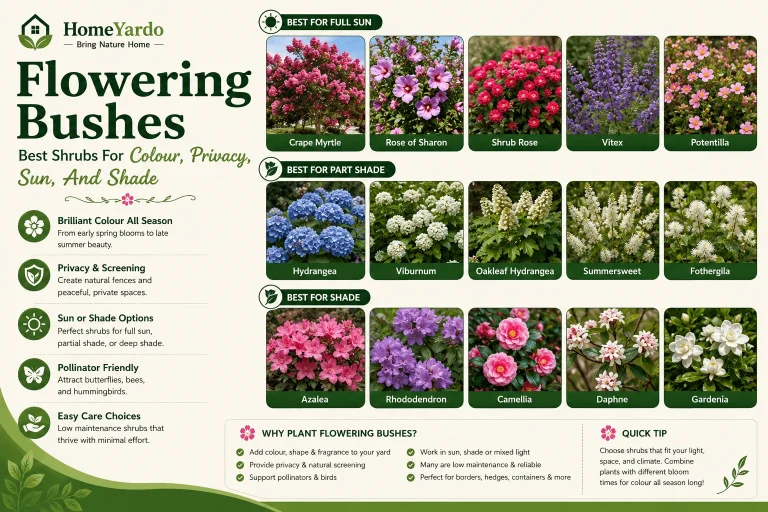
Small trees and shrubs give an attractive shape to gardens when the flowers of the year fade. They can create borders and corners, soften corners, increase the appearance of height and add all year long structures. For stronger structure around sunny beds, use shrubs for full sun that can handle bright exposure without constant rescue watering.
Select your shrubs according to the size of the mature plant, the climate, water requirements and pruning levels. The plant that is suitable for a huge sunny bed might be too large to be used as a walkway or patio edge.
Rosemary
Rosemary, is now commonly referred to scientifically as Salvia rosmarinus, is able to be a tiny woody shrub in warm climates.
It is a fan of sunshine, sharp drainage, and a good airflow. It is useful in areas near patios, pathways and edible beds, as well as the dry garden, and the fragrant borders.
If you live in colder climates, the rosemary could require pot culture and winter protection.
Juniper
Juniper provides an evergreen structure to the sun-filled landscapes. It is available in spreading, upright, and creeping varieties.
It’s great in dry slopes, slopes as a border, or for foundation planting. The slender juniper plant can cover the ground, whereas upright varieties can give form.
Avoid drained, waterlogged soil.
Panicle Hydrangea
Panicle hydrangea is also known as Hydrangea paniculata, is more sensitive to the sun than most hydrangeas. It is able to thrive in bright borders if the soil moisture is constant.
It’s not a dry soil plant. When it is hot, intense afternoon sunlight may cause wilting and leaf stress when the plant dries out.
Rose
Roses require sunlight for robust blooming. The majority of varieties thrive with airflow, light and feeding. and trimming.
They’re not the cheapest quality full sun care option. They are suitable for gardens where regular maintenance is feasible.
The proper spacing reduces the risk of spreading diseases around leaves.
Crape Myrtle
Crape myrtle is an excellent choice for hot climates where it is robust. It has flowers that bloom in summer and is able to be planted as a plant or a small tree.
Pick a size that will fit the area. An overgrown plant in a small bed that is small requires frequent pruning and will never appear natural.
Purple Leaf Sand Cherry
Purple leaf sand cherries are used for their dark foliage and ornamental shape. Full sun helps deepen leaf color.
It is a good shrub or small ornamental tree in the right conditions. It needs plenty of space and water during its establishment.
Citrus In Pots
The citrus plant thrives in sunny patios and warmer balconies. In cold environments, pots make it easier to relocate plants for winter-time protection.
Container citrus requires regular watering as well as feeding, drainage and protection from frost when winter temperatures fall. It’s a plant that is sunny however, it is not a water-poor plant.
Other sun-loving shrubs to think about include caryopteris and spiraea. Thuja, philadelphus where the size and climate are suitable. Bottlebrush is suitable in warmer climates, Westringia in mild coastal regions and Indian hawthorn in areas that are appropriate.
Full Sun Herbs And Edible Plants
Full sun is beneficial for various edible and medicinal plants due to the strong light that supports the flavor, flowers and fruiting, as well as steady growth.
The edible plants usually require more water than dry garden ornamentals, particularly in pots. The woody Mediterranean plants and fruits are not treated in the same way.
Herbs That Like Full Sun
Rosemary, thyme and oregano, basil, sage and lavender all work well in the sunny spots. Oregano, thyme and sage generally prefer drainage that is good and less sloppy soil.
Basil loves sun, but requires much more water than the woody herb. In hot climates, basil can benefit from moderate afternoon shade.
Vegetables And Fruiting Plants For Sunny Spaces
Chillies, peppers and eggplants, citrus and even strawberries, if the climate allows require strong sunlight for optimal development and growth.
They are more demanding than flowering sun plant species. The peppers and tomatoes will require assistance, regular feeding and constant irrigation. Fruits require nutrition and protection in colder climates.
Care Notes For Edibles In Full Sun
Vegetables in containers dry up quickly in hot temperatures. Mulch, larger pots, and constant watering reduce stress.
Mediterranean herbs typically require a sharper drainage, and a lower amount of water. Chilies, tomatoes, peppers as well as eggplant, basil citrus, and strawberries require more steady water and nutrition.
Beware of letting fruiting plants swing between bone dry, and wet. This pattern could reduce the fruit’s quality and growth.
Full Sun Grasses, Groundcovers, And Succulents

Flowers aren’t the only method of filling your garden. Grasses, groundcovers and succulents can add texture, motion as well as coverage and structure in between blooming cycles.
Before planting spreading grasses plants like ice, or strong groundcovers, be sure to check if they are advisable locally. Certain plants do well in one climate, but spread too widely in another.
Ornamental Grasses For Sunny Areas
Fountain grass, switchgrass Mexican feather grass, in regions that are safe and lomandra in warm areas as well as stipa when appropriate native grasses are able to provide texture and movement.
Certain grasses self-seed or spread throughout certain climates. Pick non-invasive choices and match their mature size with the bed.
Grasses are great to use behind flowers or on dry borders, where the movement of the plants softens the design.
Groundcovers For Full Sun
Creeping Thyme, creeping Juniper and ice plant, which are it is not invasive, and snow in summer groundcovers of sedum, convolvulus, in the right areas, can provide shade to the sunny soil.
Creeping thyme is a good choice for the stepping zones with only light pedestrian traffic. Creeping juniper is a good choice for slopes and dry, open ground.
Beware of invasive groundcovers in areas where local guidelines warn against them.
Succulents For Hot Sunny Spots
Sedum, aloe in warmer climates, agave when the climate allows, yucca and Ice plant, and some Euphorbia can be used in areas of sunshine with drainage that is good.
Succulents may not be all cold-hardy. Certain varieties require frost-free conditions or a container to grow so that they are able to be relocated during winter.
The main principle is drainage. The soil that is damp can cause damage to succulents more quickly than strong sunlight.
Best Full Sun Plants By Garden Use

A plant that do well in full sun or in a dry border may not fit a humid flower bed or a small patio pot. Choosing by goal makes plant selection easier.
Use the garden purpose first, then check the climate, mature size, water needs, and soil.
For Borders
Salvia, catmint, daylily, coneflower, black eyed Susan, yarrow, coreopsis, Shasta daisy where suitable, and dianthus can work well in sunny borders.
Pair upright plants with softer edging plants. Salvia and coneflower add height, while catmint and dianthus can soften the front edge.
For Pollinators
Bee balm, regionally suitable milkweed, salvia, coneflower, agastache, lantana, zinnia, and coreopsis can support pollinators in sunny gardens.
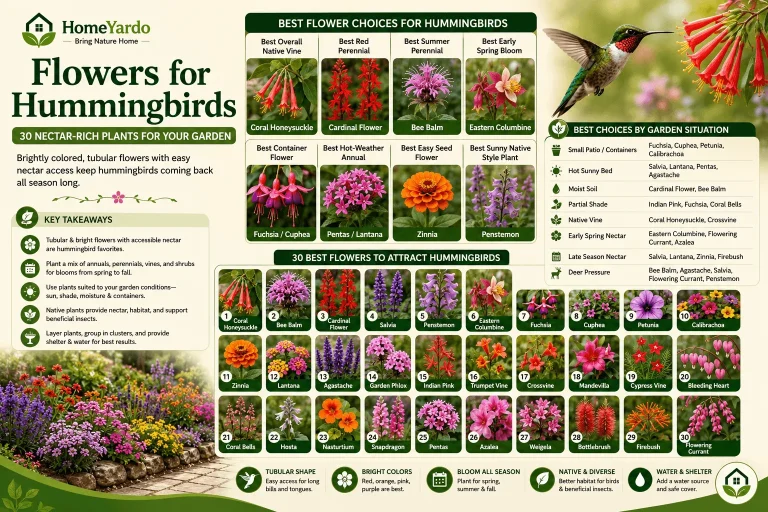
Choose regionally suitable native plants where possible. Use a mix of bloom times so nectar and pollen are available across more of the season. To bring more movement into the garden, include flowers for hummingbirds with tubular blooms and nectar rich flowers through summer. Avoid pesticide use on open flowers.
For Landscaping
Full sun landscaping plants include Juniper, rosemary, crape myrtle, ornamental grasses, lavender, Russian sage, panicle hydrangea, and evergreen anchors that can support sunny landscape beds.
These plants provide structure, not just color. Repeating a few plants across a bed creates a more settled look than adding one of everything.
For Small Spaces
Dwarf lavender, compact salvia, calibrachoa, portulaca, dwarf lantana, creeping thyme, dwarf rosemary, compact zinnia, and dwarf coreopsis work well where space is limited.
Small-space plants still need root room. Use containers large enough to hold moisture and support mature growth.
For Cut Flowers
Zinnia, coneflower, black eyed Susan, salvia, yarrow, blanket flower, cosmos, sunflower, calendula, and ageratum are useful for sunny cutting areas.
Cut regularly to encourage fresh blooms. Sunflowers and zinnias can be succession-sown for a longer harvest window where the growing season allows.
Full Sun Plants By Growing Condition

Sunlight is only one part of plant selection. Soil texture, humidity, reflected heat, wind, and rainfall all affect plant health.
Hot weather plants and plants for extreme heat should be chosen by heat tolerance and water need, not by sun exposure alone. Plants for extreme heat need more than a full sun label. They should also handle reflected heat, dry wind, hot containers, and long afternoon exposure without collapsing quickly.
Plants For Hot Afternoon Sun
Lantana, portulaca, sedum, Russian sage, blanket flower, yucca, rosemary, fan flower, and pentas in warm humid conditions, and mandevilla in trellised pots can handle hot afternoon sun better than tender shade-leaning plants.
Some heat lovers still need moisture. Plants for hot sun includes Pentas, mandevilla, and canna are not dry soil plants, even though they can grow in heat.
New plantings still need steady water in the root zone.
Plants For Clay Soil In Full Sun
Daylily, black eyed Susan, bee balm, switchgrass, panicle hydrangea with moisture, and canna with water can grow in sunny clay soil when drainage is reasonable.
Clay holds moisture but can drain slowly. Improve structure with compost where needed.
Avoid lavender, rosemary, and sedum in wet clay unless drainage is corrected.
Plants For Sandy Soil In Full Sun
Lavender, yarrow, sedum, rosemary, blanket flower, coneflower, creeping thyme, and some ornamental grasses can suit sandy sunny areas.
Sandy soil drains quickly and dries fast. New plants may need more frequent water during establishment.
For plants that need more moisture, add organic matter to help the soil hold water longer.
Plants For Coastal Full Sun
Rosemary, juniper, lantana in warm regions, lomandra in suitable regions, ice plant where non-invasive, portulaca, and some tough ornamental grasses can work in exposed coastal sun.
Coastal sites may include wind, salt, sandy soil, and reflected heat. Choose plants known to tolerate local conditions and water carefully while roots establish.
Plants For Hot And Humid Gardens
Pentas, lantana, canna, crape myrtle, salvia, fan flower, caladium where moisture is available, and some tropical-style annuals can work in warm humid gardens.
Humidity can increase disease pressure on crowded plants. Give plants room and airflow.
Moisture-loving heat plants should not be treated like drought plants.
Plants To Use Carefully In Full Sun

Some plants are often recommended for sun, but they still need the right conditions. A plant can love light and still dislike dry soil, wet roots, cold winters, or invasive spread.
Use these plants with care rather than avoiding them completely.
Hydrangeas
Panicle hydrangeas handle more sun than many hydrangea types. Bigleaf hydrangeas usually need more protection, especially in hot regions.
Sunny hydrangeas need consistent moisture. Hot afternoon sun can cause wilting, scorched leaves, or weak flowering if the plant dries out.
Canna Lily
Canna lily can grow in full sun and gives bold leaves with tropical-looking flowers. It works well where soil stays evenly moist.
It is not a dry soil plant. In cold regions, rhizomes may need lifting or winter protection.
Roses
Roses need sun for strong flowering, but they also need care. Good airflow, watering, feeding, pruning, and disease checks matter.
They are better for gardeners who can provide routine attention. For easier sunny beds, catmint, yarrow, sedum, and black eyed Susan usually need less care.
Citrus
Citrus needs strong sun and warmth. In mild climates, it can grow outdoors in the ground or in large containers.
In cold climates, container citrus needs winter protection indoors or in a frost-free place. It also needs regular water and feeding during active growth.
Butterfly Bush, Lantana, Ice Plant, And Some Grasses
Butterfly bush, lantana, ice plant, and some ornamental grasses are useful in some sunny gardens but can spread aggressively in certain regions.
Check local extension guidance, nursery advice, or regional invasive plant lists before planting. Sterile varieties or non-spreading alternatives may be better in sensitive areas.
How To Plant Full Sun Plants Successfully

Strong planting habits help sunny plants settle faster. Even though plants can struggle when planted too deeply, placed in the wrong soil, or left dry during the first weeks.
Start by studying the site, then choose plants that match the light, heat, soil, and water pattern.
Step 1: Check The Sun Pattern
Watch the area for a full day if possible. Count how many hours of direct sun the bed, pot, or balcony receives.
Notice whether the sun is mostly morning or afternoon. Check for reflected heat from paving, walls, fences, gravel, and metal railings.
Step 2: Match Plant To Soil
Dry soil plants need drainage. Moisture-loving plants need soil that does not dry too fast.
Clay, sandy soil, and container mix behave differently. Clay may need compost to improve structure. Sandy soil may need organic matter for moisture retention. Container plants need potting mix that drains but still holds enough moisture.
Drainage matters most for dry-loving plants such as lavender, rosemary, sedum, and many succulents.
Step 3: Plant At The Right Time
Plant hardy perennials and shrubs in spring or fall when temperatures are milder. Plant tender annuals after the last frost date.
Zinnia, cosmos, sunflower, and nasturtium often do well when direct sown after the soil warms. In short growing seasons, tender seedlings can be started indoors before planting outside.
Avoid transplanting during heat waves. If planting in warm weather is unavoidable, water deeply and protect the plant while it settles.
Step 4: Water During Establishment
New plants need steady moisture while roots spread. Water deeply at the root zone instead of shallow daily sprinkling.
Morning watering is usually best. Once plants are established, reduce watering based on the plant’s natural needs.
Dry-tolerant plants should still be checked during long hot spells.
Step 5: Mulch And Monitor
Mulch decreases evaporation and stabilizes soil temperature. Mulch should be several inches from stems and crowns. Mulch according to the requirements of the plants. Organic mulch helps many mixed borders.
Gravel mulch may work for some Mediterranean or succulent types of plantings that require dry soil. Look for wilting, crispy edges, dropped buds, dry potting mix and stunted growth. Many times these are the initial signs before total demise of a plant.
Full Sun Plant Care Calendar

Care changes through the year. A sunny garden may need planting, watering, trimming, mulching, and protection at different times depending on the climate.
Use seasonal timing as a guide, then adjust to local weather and frost patterns.
Spring
Plant hardy perennials, shrubs, and cool-tolerant plants when the soil is workable. Wait until frost risk passes before planting tender annuals.
Direct sow annuals such as zinnia, sunflower, cosmos, and nasturtium after the soil warms. Refresh mulch, divide crowded perennials, and add compost where suitable.
Start checking moisture as sunny days become warmer.
Summer
Water deeply during dry weather. Check containers often because full sun pots can dry much faster than ground beds.
Deadhead repeat bloomers such as zinnia, marigold, petunia, and blanket flower. During heat events, temporary shade can help vulnerable potted plants.
Watch for pests, mildew, and leaf scorch in crowded or stressed plantings.
Fall
Fall is a good time to plant hardy shrubs and perennials in many mild regions. Cooler temperatures reduce stress while roots grow.
Leave some seedheads for birds where suitable. Add mulch before winter in cold areas, but avoid burying plant crowns.
Remove diseased foliage where needed.
Winter
Protect tender potted plants from frost. Move citrus, geraniums, and other tender container plants into shelter where needed.
Avoid overwatering dormant plants, especially dry-loving herbs and succulents. Wet cold soil can damage roots.
Use winter to plan annual replacements and adjust beds that struggled during summer.
Common Mistakes With Sun Plants

Most sunny garden failures come from plant mismatch, not bad luck. A plant may be right for sun but wrong for the soil, pot, water pattern, or climate.
Avoid these common problems before planting.
Thinking Full Sun Means No Water
Even though plants are in full sun, they still get water. Water loss is greater in exposed beds and pots in hot and windy conditions.
Drought tolerance is generally achieved after establishment. Young plants require frequent watering until the roots have spread out.
Using Small Pots In Hot Sun
Small pots dry and heat up rapidly. Root stress can be exacerbated by dark containers and hanging baskets.
Larger pots will retain moisture for longer and will insulate roots from extremes in temperature. Use containers that have drainage holes in them.
Ignoring Afternoon Sun
Afternoon sun is harder on plants than morning sun. It becomes even stronger near walls, driveways, patios, gravel, and fences.
West-facing spaces need tougher plants such as lantana, portulaca, rosemary, sedum, Russian sage, and yucca.
Planting Dry Soil Plants In Wet Soil
Lavender, rosemary, sedum, and many succulents dislike wet roots. Too much moisture can cause rot and weak growth.
For these plants, drainage matters more than rich soil. Avoid placing them in low areas where water collects.
Skipping Regional Suitability Checks
Some plants are tender in cold regions. Others spread too much in warm climates.
Check hardiness, invasive risk, and native alternatives before planting lantana, butterfly bush, ice plant, certain grasses, and vigorous groundcovers.
Master Comparison Table: Best Sun Plants
A quick comparison makes it easier to choose plants by type, use, water needs, and main caution. Check mature size, hardiness, and local suitability before making a final choice.
| Plant | Type | Best For | Water Need | Pot Friendly | Main Caution |
|---|---|---|---|---|---|
| Zinnia | Annual Flower | Summer color, cut flowers | Moderate | Yes | Needs airflow |
| Marigold | Annual Flower | Borders, vegetable beds | Moderate | Yes | Deadhead for cleaner bloom |
| Black Eyed Susan | Perennial Or Short Lived Perennial | Borders, pollinators | Low To Moderate | Sometimes | Can self seed |
| Coneflower | Perennial | Pollinators, dry beds | Low To Moderate | Sometimes | Needs drainage |
| Blanket Flower | Perennial Or Short Lived Perennial | Hot dry borders | Low | Yes | Dislikes wet soil |
| Lantana | Annual Or Perennial | Heat, pots, pollinators | Low To Moderate | Yes | Can spread in warm regions |
| Petunia | Annual Flower | Pots, baskets, borders | Moderate | Yes | Needs feeding and water |
| Portulaca | Annual Succulent Flower | Dry pots, edging | Low | Yes | Avoid wet soil |
| Calibrachoa | Annual Flower | Pots, baskets | Moderate | Yes | Needs drainage |
| Fan Flower | Annual Flower | Hanging baskets, pots | Moderate | Yes | Protect from cold |
| Geranium | Tender Perennial Often Grown Annual | Pots, patios | Moderate | Yes | Frost tender |
| Lavender | Perennial Herb | Fragrance, dry beds | Low | Yes | Hates wet clay |
| Salvia | Perennial Or Annual | Pollinators, borders | Low To Moderate | Yes | Hardiness varies |
| Catmint | Perennial | Edging, low care beds | Low | Sometimes | May sprawl after bloom |
| Daylily | Perennial | Mass planting, borders | Moderate | Sometimes | Divide crowded clumps |
| Yarrow | Perennial | Dry beds, pollinators | Low | Sometimes | Can spread |
| Russian Sage | Perennial | Dry sunny structure | Low | No | Needs space |
| Sedum | Succulent Perennial | Dry beds, late flowers | Low | Yes | Avoid soggy roots |
| Bee Balm | Perennial | Hummingbirds, pollinators | Moderate | Sometimes | Needs airflow |
| Agastache | Perennial | Heat, pollinators | Low To Moderate | Sometimes | Needs drainage |
| Coreopsis | Perennial Or Annual | Long bloom, borders | Low To Moderate | Yes | Some types are short lived |
| Pentas | Annual Or Tender Perennial | Humid heat, pollinators | Moderate | Yes | Frost tender |
| Rosemary | Herb Or Shrub | Dry beds, edible gardens | Low | Yes | Needs drainage |
| Juniper | Evergreen Shrub | Structure, slopes | Low | No | Avoid wet soil |
| Panicle Hydrangea | Shrub | Sunny shrub borders | Moderate | Large Pots Only | Needs moisture |
| Rose | Shrub | Flowers, structure | Moderate | Some Types | Needs routine care |
| Crape Myrtle | Shrub Or Small Tree | Hot climate flowers | Low To Moderate | Large Pots Only | Climate dependent |
| Purple Leaf Sand Cherry | Shrub Or Small Tree | Foliage color | Moderate | Large Pots Only | Needs space |
| Citrus | Fruiting Plant | Sunny patios, edible use | Moderate | Yes | Needs frost protection |
| Creeping Thyme | Groundcover Herb | Walkway edges, dry sun | Low | Yes | Needs drainage |
| Creeping Juniper | Groundcover Shrub | Slopes, groundcover | Low | No | Needs room |
| Yucca | Succulent Shrub | Hot dry structure | Low | Large Pots Only | Sharp leaves |
| Aloe | Succulent | Warm dry pots | Low | Yes | Frost tender |
| Ornamental Grass | Grass | Texture, movement | Low To Moderate | Some Types | Some spread |
| Milkweed | Perennial | Pollinators | Low To Moderate | Sometimes | Choose regional types |
| Canna | Tender Perennial | Bold foliage, humid heat | Moderate To High | Yes | Needs moisture |
Conclusion
A successful sunny garden starts with plant matching. Strong light alone is not enough to decide what to grow. Heat, soil, water, pot size, reflected sun, and local climate all shape the final choice.
For easy starting points, choose zinnia, marigold, lavender, salvia, catmint, sedum, lantana, rosemary, or black-eyed Susan. Start with one sunny bed or one container group, then add more plants once watering and heat exposure are easy to manage.
FAQ’s
The best choices include zinnia, marigold, black eyed Susan, coneflower, lavender, salvia, catmint, sedum, rosemary, and juniper. The right choice depends on soil, water, climate, and whether the plant grows in a bed or a pot.
Full sun usually means 6 or more hours of direct sunlight per day. Morning sun is gentler, while afternoon sun is hotter and dries the soil faster. A l sun plant may still need water in hot weather.
Zinnias, marigolds, petunias, blanket flowers, coneflowers, black eyed Susans, lantana, and portulaca do well in full sun. Many bloom better with strong light, but regular watering helps them flower longer.
Good plants for full sun and heat include lantana, portulaca, lavender, Russian sage, sedum, yarrow, salvia, rosemary, yucca, and fan flower. These plants still need water while getting established. If the question is what plants tolerate full sun, start with plants that handle both direct light and the soil conditions of the planting spot.
Plants that thrive in direct sunlight include lavender, rosemary, zinnia, marigold, salvia, coneflower, daylily, sedum, lantana, and ornamental grasses. Match each plant to soil type and local climate before planting.
Plants for hot afternoon sun include portulaca, lantana, sedum, lavender, Russian sage, rosemary, blanket flower, yucca, and some ornamental grasses. Avoid moisture-loving plants unless watering is reliable.
Heat loving plants include zinnia, marigold, lavender, salvia, coneflower, rosemary, sedum, lantana, yarrow, and Russian sage. These plants usually grow best with at least 6 hours of direct sunlight, but soil, water, and local climate still matter.
Plants that need full sun often include flowering annuals, many herbs, prairie perennials, and dry garden plants. Zinnia, lavender, rosemary, salvia, coneflower, blanket flower, and portulaca usually need strong light to grow well and produce steady flowers.
Plants good in full sun include black eyed Susan, catmint, daylily, sedum, juniper, ornamental grasses, petunia, lantana, and coreopsis. The best option depends on whether the spot is dry, humid, windy, in a pot, or planted in the ground.
Full sun summer flowers include zinnia, marigold, petunia, lantana, blanket flower, coreopsis, salvia, cosmos, verbena, and sunflower. Many bloom longer when they have enough soil volume, deep watering, and deadheading where needed.
Watering depends on plant type, soil, weather, and container size. New plants need regular water until established. Potted plants in the sun may need water much more often than plants in garden beds.
Some sun plants can grow indoors only with a very bright, unobstructed south-facing window or a strong grow light. Most outdoor plants for direct sunlight perform better outside because indoor light is usually weaker than direct outdoor sunlight.
References