Planning a Bathroom Remodel That Lasts for Years
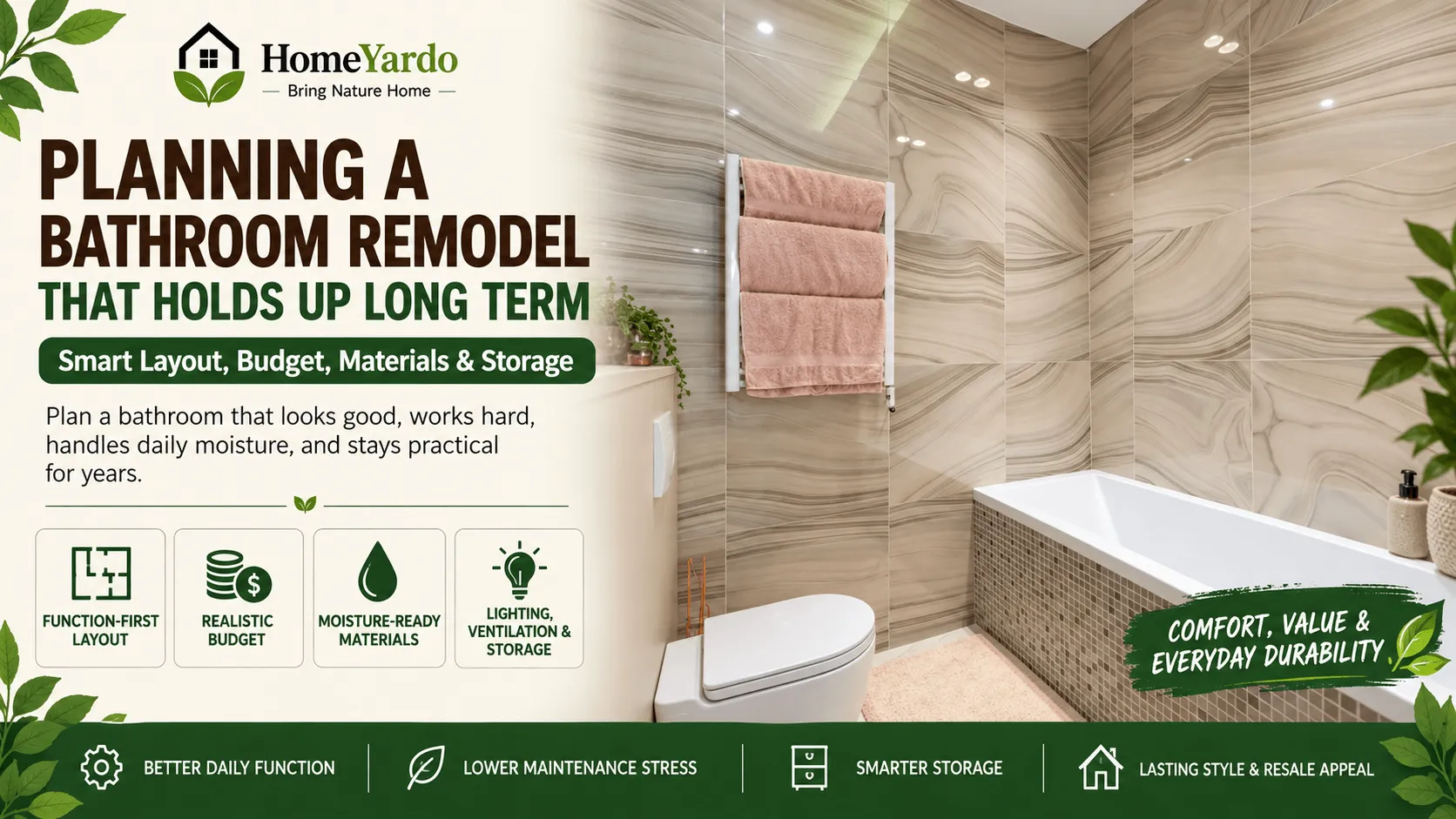
Your bathroom gets used every single day, yet it’s often one of the last rooms you seriously rethink. A remodel can make mornings smoother, improve storage, cut water waste, and even raise your home’s value. It can also become a budget-eating mess if you rush the planning. If you want a space that looks good and works hard, you need more than tile samples and wishful thinking. You need a smart plan.
Start With How You Actually Use the Bathroom
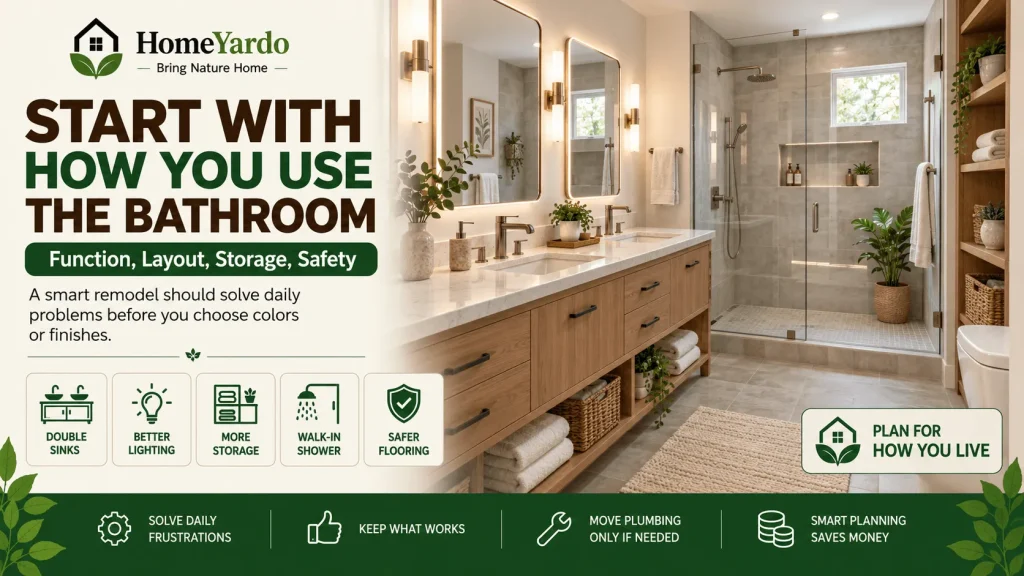
Before you pick colors or scroll through inspiration photos for two hours straight, bathroom remodeling ideas can help you think through the practical decisions that shape the project, look at how the room functions right now. Ask yourself what feels annoying, cramped, outdated, or hard to clean. Be specific.
Maybe you need:
- Double sinks because two people are always fighting for mirror space
- Better lighting for shaving or makeup
- More storage for towels, skincare, and cleaning supplies
- A shower upgrade that feels safer and easier to maintain
- Flooring that won’t turn into an ice rink when wet
A remodel should solve daily problems, not just create a prettier background for selfies. If your current layout works, keeping plumbing in place can save serious money. If it doesn’t, changing the layout may be worth the extra cost.
Set a Budget That Covers More Than the Fun Stuff
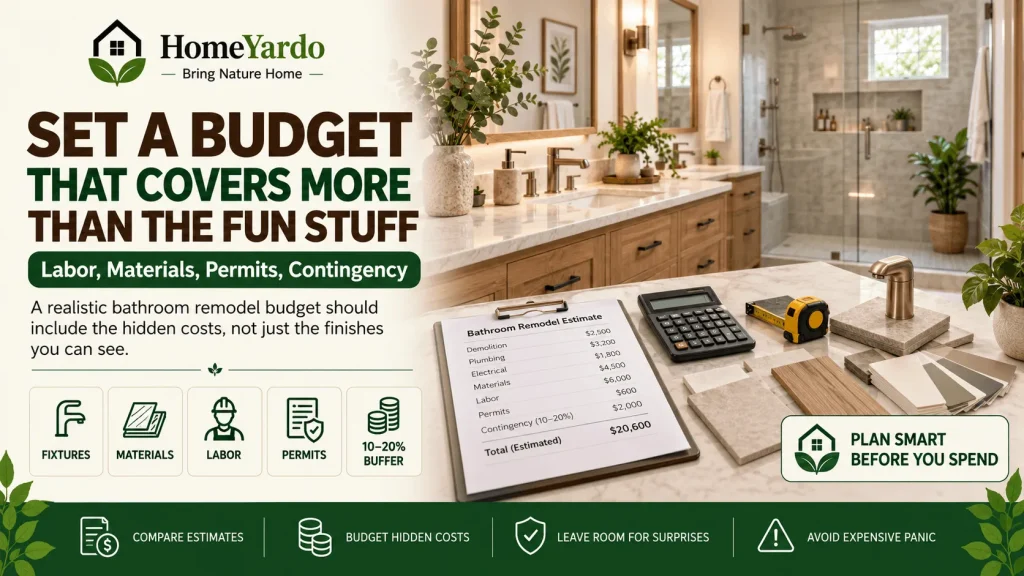
It’s easy to spend your whole mental budget on a rainfall showerhead and dramatic tile. A realistic remodel budget also needs to cover labor, materials, permits, demolition, plumbing, electrical work, and a cushion for surprises hiding behind the walls. If you’re comparing the best bathroom remodeling company for your project, pay close attention to how clearly the estimate accounts for those less-visible costs, not just the finishes you can see.
A practical budget usually includes:
- Fixtures like sinks, toilets, faucets, and tubs
- Flooring and wall materials
- Vanity, mirrors, and storage
- Lighting and ventilation
- Labor and installation
- Permit fees if required
- A contingency fund of 10 to 20 percent
Bathrooms are notorious for surprise issues such as water damage, mold, or old wiring. None of those come with a charming vintage vibe. If you build in breathing room from the start, you’re less likely to panic when the project uncovers something expensive.
Know Which Upgrades Add Real Value
Not every upgrade is worth the splurge. Some features look trendy online but become annoying, hard to clean, or oddly specific for future buyers. Focus first on improvements that boost comfort, durability, and resale appeal.
High-value upgrades often include:
- Quality ventilation to control moisture
- Water-efficient fixtures with a clean, timeless design
- Durable porcelain tile or other low-maintenance surfaces
- Better storage built into the vanity or walls
- Improved lighting layered for task and ambient use
- Curbless or low-threshold showers for accessibility
According to the National Association of Realtors, bathroom upgrades often support resale value because buyers pay attention to kitchens and baths first. You don’t need a spa worthy of a celebrity tour. You need finishes and features that hold up under daily use and still look current in a few years.
Choose Materials That Can Handle Moisture and Mess
Bathrooms are humid, heavily used, and constantly splashed. A beautiful material that stains, warps, or gets slippery fast will lose its charm in record time. Pick surfaces based on performance first, style second.
Smart material choices include:
- Porcelain tile for floors and shower walls
- Quartz countertops for low maintenance
- Semi-gloss or moisture-resistant paint
- Solid wood alternatives or well-sealed vanities in damp spaces
- Grout colors that hide normal wear better than bright white
Texture matters too. Super smooth flooring may look sleek, but slip resistance deserves more respect. The same goes for grout lines. Tiny mosaic tiles can offer grip, but they also mean more grout to scrub. There’s always a tradeoff. If you hate fussy upkeep, let that guide your choices as much as the style board does.
Don’t Ignore Ventilation, Lighting, and Storage
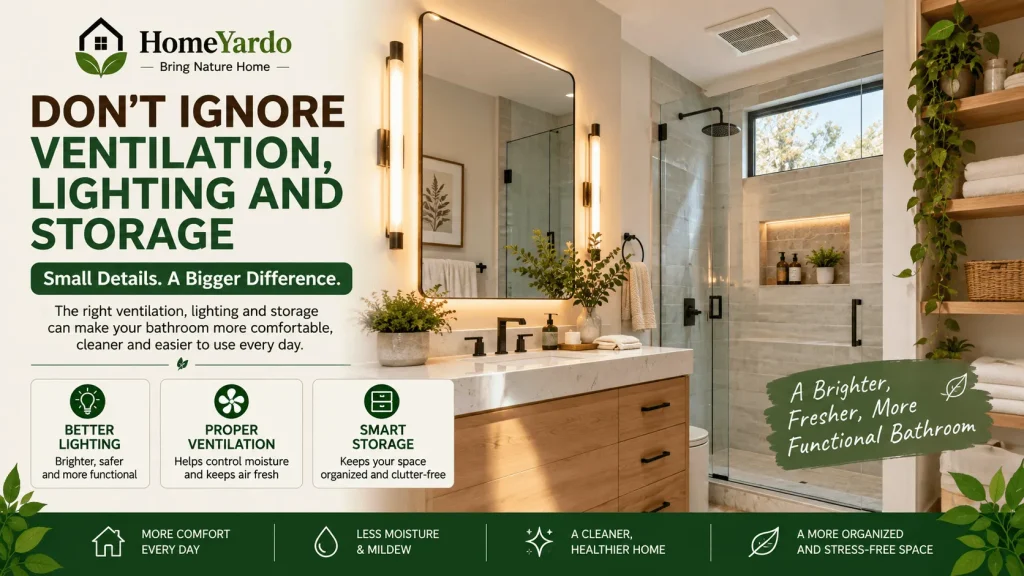
These three details rarely get the spotlight, yet they shape how your bathroom feels every day. A room can have gorgeous tile and still be frustrating if the mirror fogs constantly, the lighting is harsh, or there’s nowhere to put anything.
A balanced lighting plan should include:
- Overhead light for general brightness
- Task lighting around the mirror
- Accent lighting if you want a softer feel
Ventilation matters just as much. The U.S. Department of Energy notes that proper ventilation helps manage indoor moisture and improve air quality. Heat recovery ventilation is one system homeowners can learn about when considering whole-home ventilation. In practical terms, that means fewer mildew issues and less peeling paint.
Storage should fit your habits. Drawers often work better than deep cabinets where products disappear into the void. Recessed niches, medicine cabinets, and vertical shelving can add space without making the room feel packed.
Make the Layout Work Harder, Even in Small Bathrooms
A larger bathroom isn’t always necessary. Better layout decisions can dramatically improve comfort and function, even in a tight footprint. Think in terms of clearance, movement, and sightlines.
Ask these questions:
- Does the door swing into useful space?
- Is the toilet the first thing you see?
- Can drawers and shower doors open fully?
- Is there enough counter space near the sink?
- Would a floating vanity make the room feel bigger?
Wall-mounted fixtures, frameless glass, large-format tile, and lighter finishes can visually open the room. Pocket doors can also save space when a standard swing door becomes a daily nuisance. Small bathrooms reward smart editing. Every inch needs a job.
Prepare for the Remodel Before Demolition Starts
Once demolition begins, your house gets noisier, dustier, and less convenient. Planning for that disruption can save your sanity. If the bathroom being remodeled is your only full bath, the logistics become especially important.
Before work starts, make a plan for:
- Where you’ll store toiletries and towels
- Which bathroom everyone will use
- How kids, guests, or older adults will manage access
- Whether any materials need long lead times
- What your contractor needs for entry, parking, or work hours
You should also confirm product selections before the project gets moving. Last-minute changes tend to create delays and add costs. Remodeling has enough drama already. It doesn’t need a surprise faucet backorder joining the cast.
Finish With Choices You’ll Still Like in Five Years
The best bathroom remodel balances style, comfort, and practicality. Trendy choices can be fun, but permanent features should have staying power. If something feels exciting only because it’s everywhere online right now, give it a second look.
Stick with a foundation that ages well:
- Neutral tile or stone looks
- Clean-lined fixtures in classic finishes
- Storage designed around real use
- Lighting that flatters without being dim
- Durable materials that clean up easily
You’re not aiming for a showroom that feels untouched. You’re creating a space that supports busy mornings, late-night routines, and everything in between. When the planning is thoughtful and the workmanship is solid, your bathroom remodel stops feeling like a gamble and starts feeling like one of the smartest upgrades you can make.
FAQ’s
Start with function rather than finishes. Identify problems with the current layout, storage, shower, lighting, ventilation, and accessibility. Once you know what the remodel needs to fix, establish the budget and layout before selecting decorative materials.
Many homeowners keep roughly 10% to 20% of the planned budget available for unexpected work. The appropriate amount depends on the age and condition of the bathroom and how much plumbing, electrical, or structural work is involved.
There is no single finish that guarantees longevity. Good waterproofing, drainage, ventilation, quality installation, and materials suitable for wet environments work together to protect the bathroom over time.
Keeping plumbing fixtures in their existing locations can simplify some remodels. However, changing the layout may be worthwhile when the current design creates poor circulation, inadequate storage, accessibility problems, or an impractical shower arrangement.
Porcelain or ceramic tile, low-maintenance countertops, moisture-resistant paint, and properly finished cabinetry are common choices. Maintenance also depends on grout, surface texture, installation quality, and the cleaning products required by the manufacturer.
It depends on the location and scope of work. Cosmetic updates may be treated differently from projects involving plumbing, electrical, structural, or ventilation changes. Check requirements with your local building authority before construction starts.
Prioritize clear walking space, appropriately sized fixtures, usable storage, good lighting, and an efficient door and shower configuration. A better layout often improves a small bathroom more than simply trying to fit additional features into it.
Consider low-threshold shower access, slip-resistant flooring, good lighting, easy-to-use fixtures, comfortable clearances, and reinforcement for future grab bars. These features can make the bathroom easier to use as household needs change.
Major products should generally be selected early enough that their availability is confirmed before the related installation work begins. Check lead times for vanities, tile, tubs, shower doors, fixtures, and custom products with your contractor or supplier.
There is no fixed lifespan because installation quality, materials, moisture control, maintenance, and usage all matter. Planning around waterproofing, ventilation, durable materials, and repairability gives the bathroom a better chance of performing well for many years.