Why Self-Binding Gravel Is Perfect for Natural-Looking Garden Paths
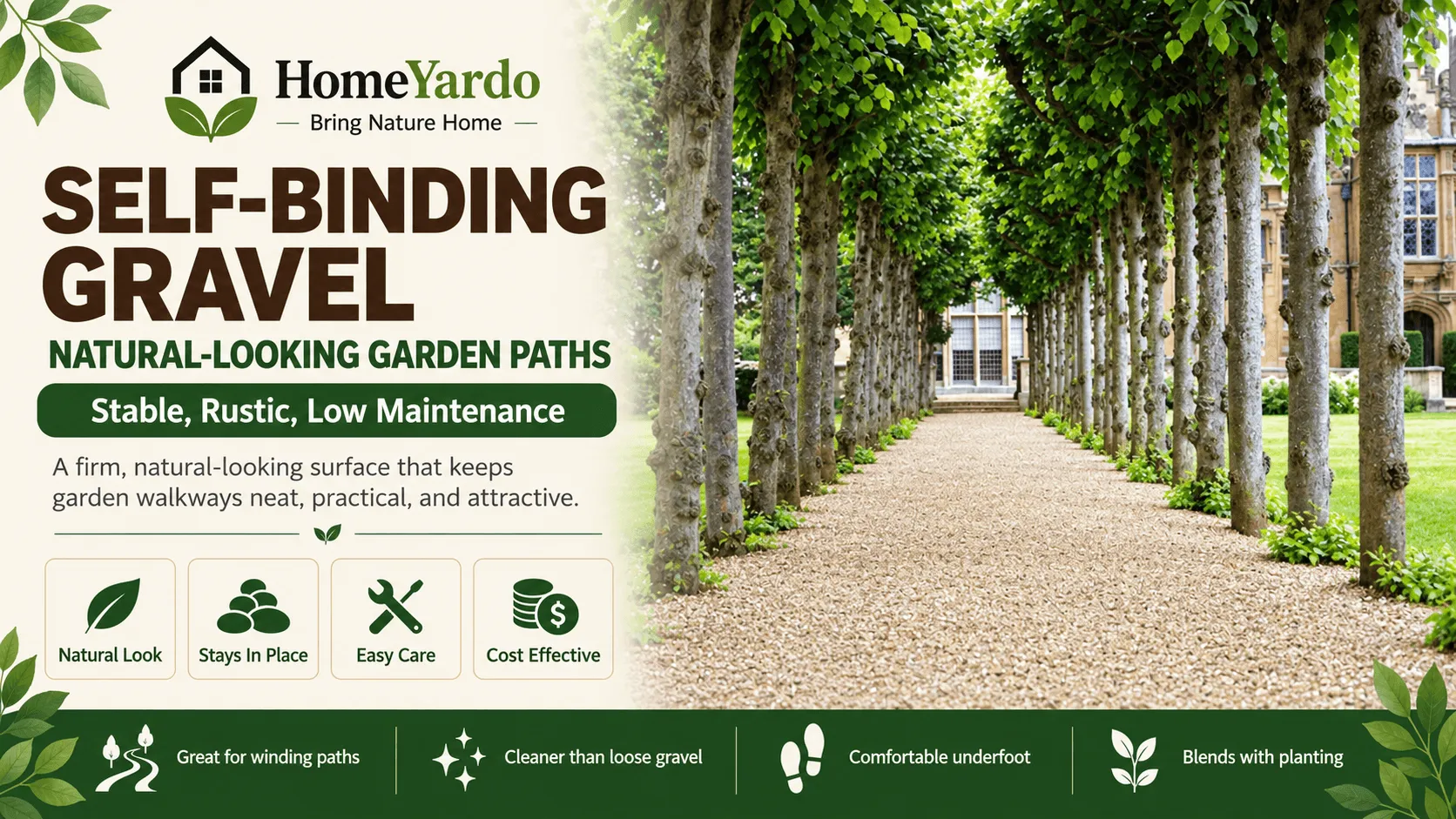
If you’re thinking of a garden overhaul project then you’re probably giving consideration to access and pathways. It is all well and good having a great looking garden, but you ideally want one that is not going to be ruined by foot traffic and people walking all over your lawn. Designing well-placed garden paths is a must. Once you have decided where you would like your paths to be laid out, it is time to start thinking about what material you are going to use. Like most home and garden DIY projects, this is a balancing act between what looks good and what is going to work out to be the most practical choice.
Gravel is a popular choice, but loose gravel is hard to keep in place – which means it won’t be long before you have it all over your lawns and flowerbeds. Concrete and block paving offer stability, but they can look cold, rigid, and unnaturally harsh in a lush green setting. This is where self-binding gravel comes in—offering the perfect middle ground between natural rustic charm and a durable, firm surface underfoot.
What Makes Self-Binding Gravel Stand Out?
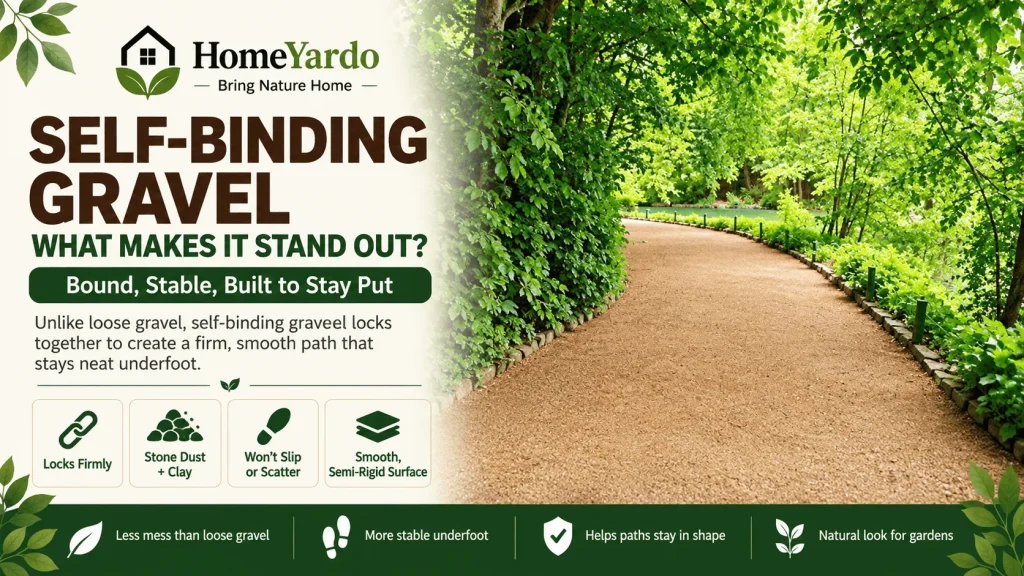
Traditional gravel is a loose stone that is easily moved around and shifts under weight. This means it is likely to stick to shoes or be easily kicked off of the path and onto lawns and flowerbeds. Self-binding gravel is engineered to lock firmly together. It contains a precise mixture of gravel, stone dust, and natural clay particles. When laid, watered, and compacted, the clay and dust act as a natural binding agent, cementing the crushed stones into a smooth, semi-rigid track that won’t slip or scatter.
Creating Great Kerb Appeal
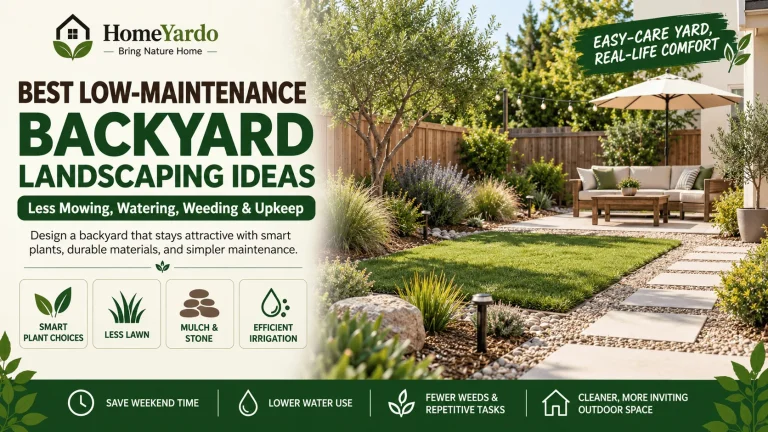
There are many practical reasons why people opt for self-binding gravel for their pathway requirements, but the fact that it looks great also helps. With soft, warm tones ranging from rich ambers to subtle earthy greys, it creates organic-looking walkways that complement flower borders, timber features, and period architecture. When designing your layout, following RHS path design principles ensures your walkways are comfortable to navigate while blending seamlessly into your planting scheme. If you are looking for pathways that look natural but also are likely to last, then choosing self-binding gravel from someone such as Mainland Aggregates is a great choice.
What Are The Benefits?
- Solid & Accessible: It creates a stable, flat surface that easily accommodates pushchairs, wheelbarrows, and wheelchairs without sinking.
- Stays in Place: Because the stones are bound together, you won’t find stray pebbles scattered across your lawn or tracked inside your home.
- Cost-Effective: Covering large or long winding stretches of garden with self-binding gravel is significantly more affordable than laying natural stone flags or block paving.
The Importance of Quality Aggregate
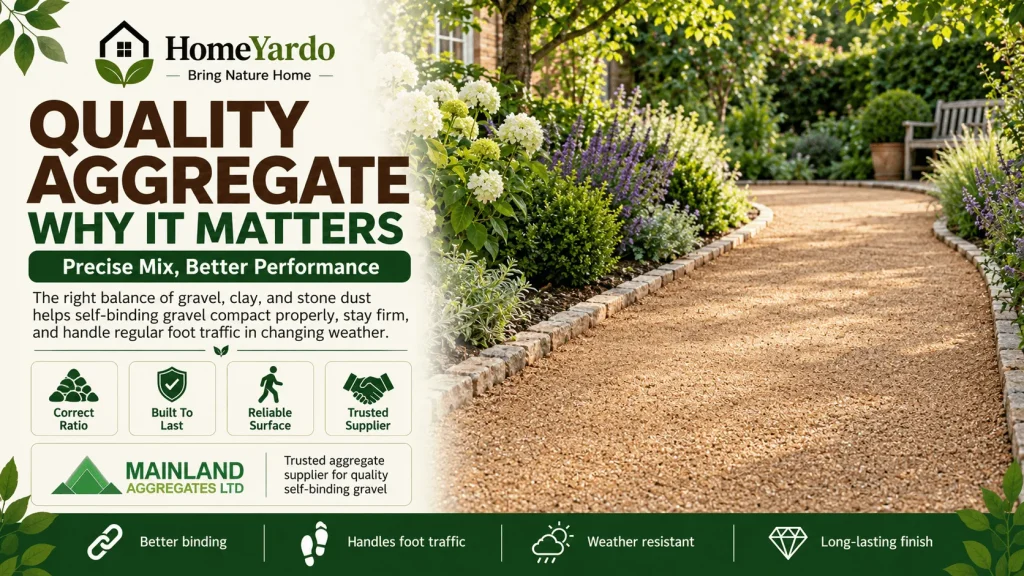
Not all aggregates are created equal—the ratio of clay to stone dust must be precise for the path to bind correctly. Sourcing your materials from dedicated specialists ensures your path will withstand heavy foot traffic and changing weather conditions. For reliable materials and expert advice, trusted suppliers like Mainland Aggregates supply premium self-binding gravels and path toppings designed specifically for long-lasting, attractive garden walkways.
Getting The Installation Right
If you are investing in a new garden path, then it stands to reason you are going to want it to last – after all, no one wants to be replacing their garden path every few months. The UK weather is changeable, so you want something that is going to be able to withstand stormy winters and hot summers. The quality of the aggregate matters, but equally how it is installed will make a big difference to the longevity of your project.
Always start with a compacted sub-base (typically MOT Type 1) and cover it with a high-quality weed membrane. Once the aggregate is spread you can compact the path. This happens by lightly spraying the surface with water activates the clay fines, allowing a roller or compactor to press the material into a solid, weather-resistant crust.
Because a compacted self-binding surface becomes semi-solid, rainwater won’t sink straight through it like loose gravel. In line with UK Sustainable Drainage Systems (SuDS) guidelines, be sure to build in a slight camber or cross-fall so surface water runs off safely into surrounding flowerbeds
Taking Care of Your Garden Path
The good news is that once your path is laid and installed fully, it takes very little maintenance to keep it in shape. It is worth giving it a sweep and removing any fallen leaves, twigs, and debris to help prevent weeds and rotting organic material. It is best to be gentle with any cleaning and sweeping, using tools such as pressure washers or steel rakes is not recommended.
Self-binding gravel strikes the perfect harmony between natural aesthetic beauty and rugged everyday functionality. It gives your garden paths a classic, earthy appearance without any of the mess, rutting, or maintenance hassles of loose stone. If you’re ready to upgrade your outdoor space with paths that look like they belong in nature, self-binding gravel is the ideal choice for your next DIY project.
FAQ’s
Self-binding gravel is a graded aggregate containing stone particles and fines. When correctly laid and compacted, those fines help the material form a firmer surface than ordinary loose gravel.
Yes. It suits many pedestrian garden paths because it offers a natural appearance with less movement than loose gravel. Correct drainage and compaction are important for long-term performance.
Yes. It should be installed over a firm, free-draining sub-base suitable for the expected traffic. Follow the specification for the particular product being used.
They can. Good preparation can reduce weed problems, but seeds may still land on the surface and grow in accumulated soil or organic matter. Regular sweeping helps keep the surface clean.
Aggressive pressure washing is generally best avoided because it can dislodge the fines that help form the compacted surface. Gentle cleaning is usually a better option.
The required depth depends on the product and expected traffic. Some suppliers specify about 50 mm compacted depth for pedestrian paths, but the manufacturer’s installation instructions should always take priority.