Backyard Design Ideas for the Way You Live
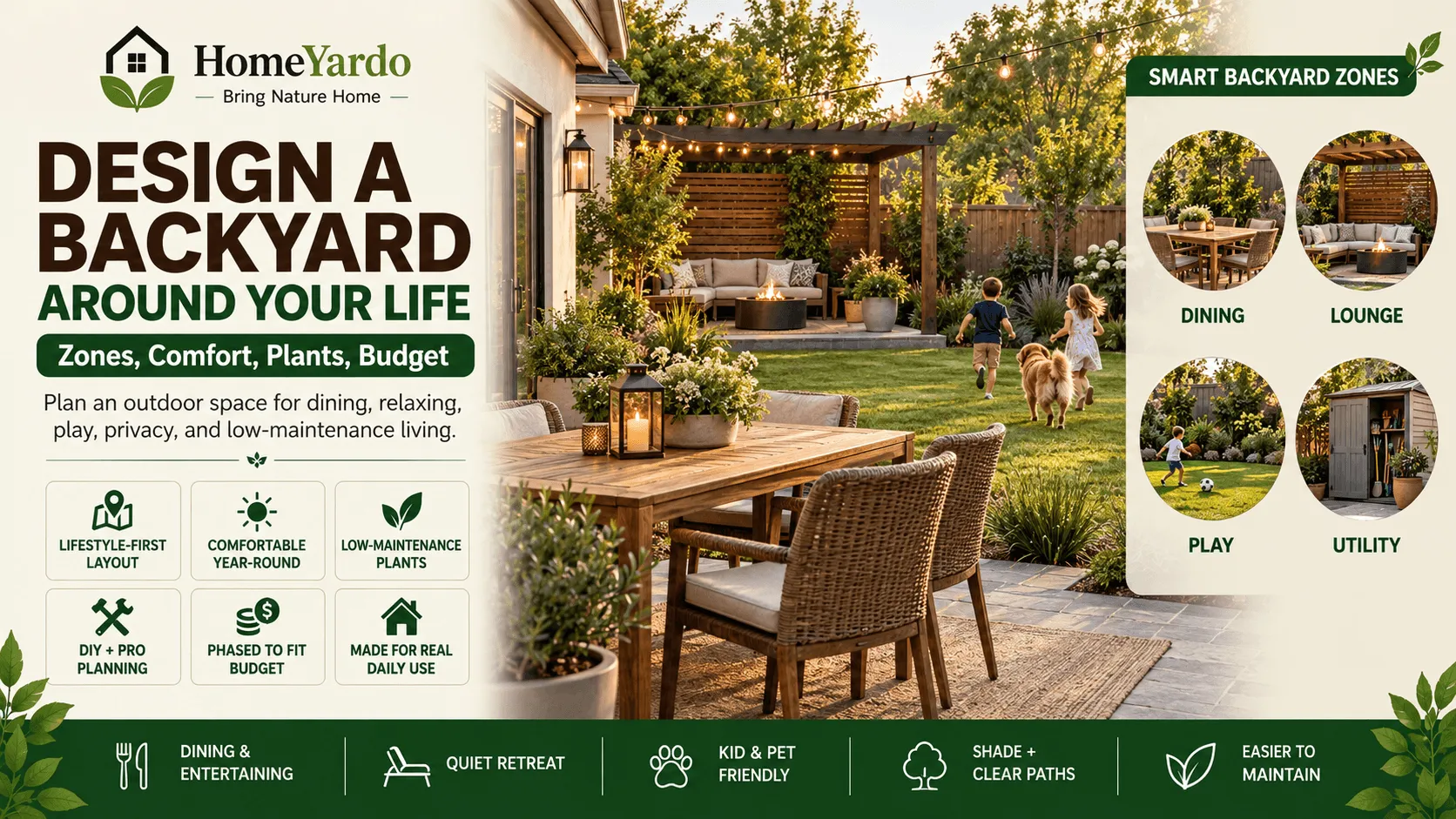
The outdoor project you are planning may begin with an inspiring vision for your yard, such as building a space for hosting summer dinners or creating a quiet retreat to unwind after a long day, but to bring that vision to life without wasted effort, you need to design around your actual daily habits rather than short-lived visual trends.
Creating a functional backyard does not mean you have to settle for a bland or purely utilitarian space because when you plan your layout around how you naturally spend your time, you make far better choices regarding hardscaping, furniture, and plants, which ensures that every square foot delivers real value.
Start With Your Priorities Before Choosing Materials
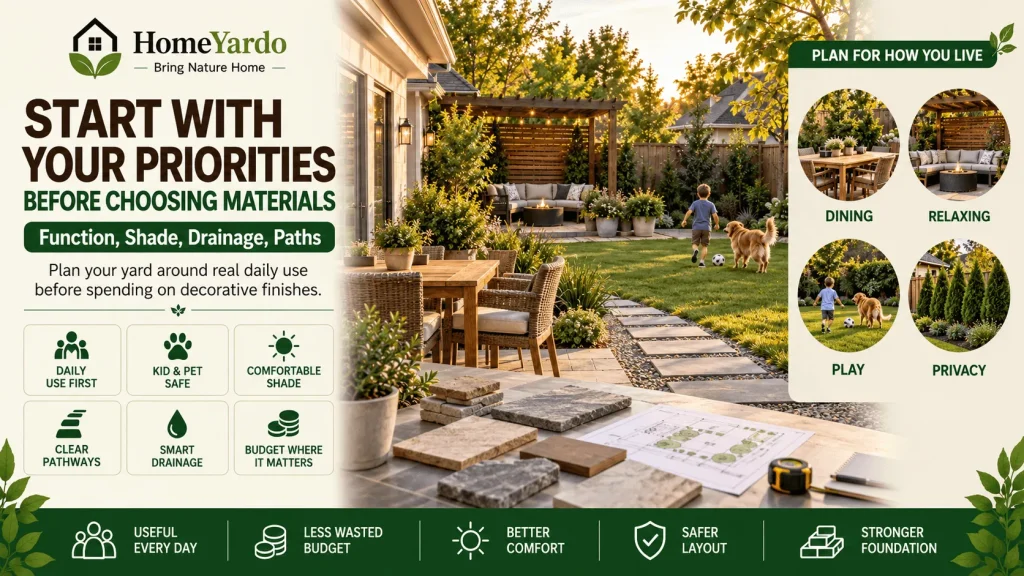
Homeowners can easily overspend on decorative features before they truly understand what their outdoor space needs to accomplish. High-end pavers and stylish fire tables are hard to resist, but you should choose them only after you have clarified how you plan to use the area.
Before you buy furniture or select stone samples, ask yourself a few basic questions regarding how you want to use the space on a typical Tuesday evening or a Saturday afternoon, whether you are trying to create a safe area for kids and pets, make a small lot feel larger, or build a quiet sanctuary shielded from neighbors.
It is essential to separate lifestyle priorities from purely decorative elements, as addressing practical concerns like proper drainage, comfortable shade, and clear pathways ensures you build a strong foundation before focusing on cosmetic upgrades.
If an outdoor feature does not improve how you actually live and relax in your yard, it is simply not something that deserves a large share of your budget.
Divide Your Space into Intentional Lifestyle Zones
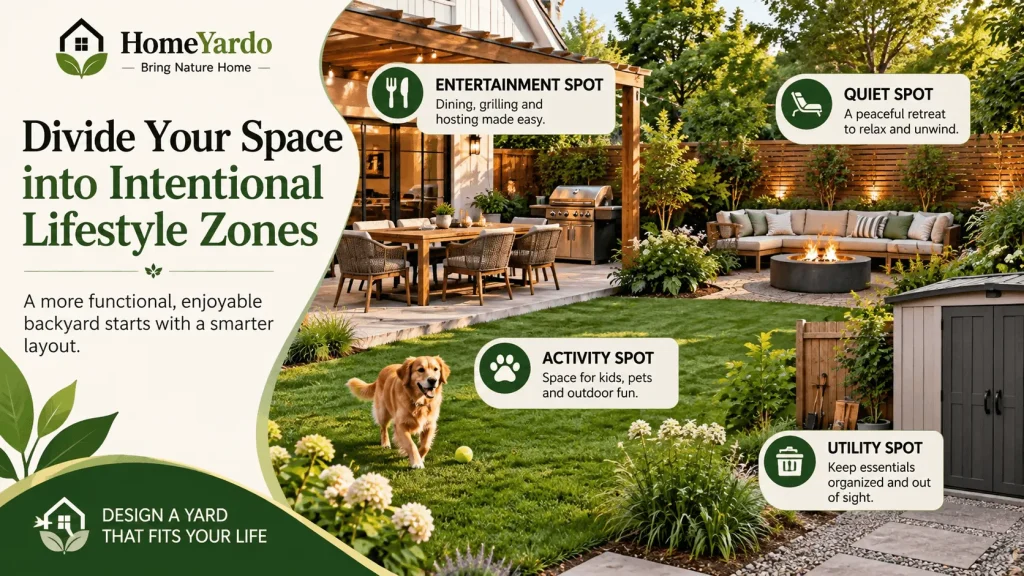
Just like your house’s interior design, it is essential for your garden to have different sections, just like you do inside, particularly because dividing up your yard helps to avoid any layout clashes.
Take the following activities and assign them their own zones:
- Entertainment Spot: Set up tables and grill stations near the back door to make outdoor dining easy.
- Quiet Spot: Designate the areas where you can relax in cozy corners screened off from the outside world by walls or greenery.
- Activity Spot: Create a space with robust turf or grass alternatives for kids, dogs, and fun sports away from delicate plantings.
- Utility Spot: Create a corner that is designated for the storage of things that you need, but do not want to see around your house.
Plan Your Layout and Hardscaping for Year-Round Comfort
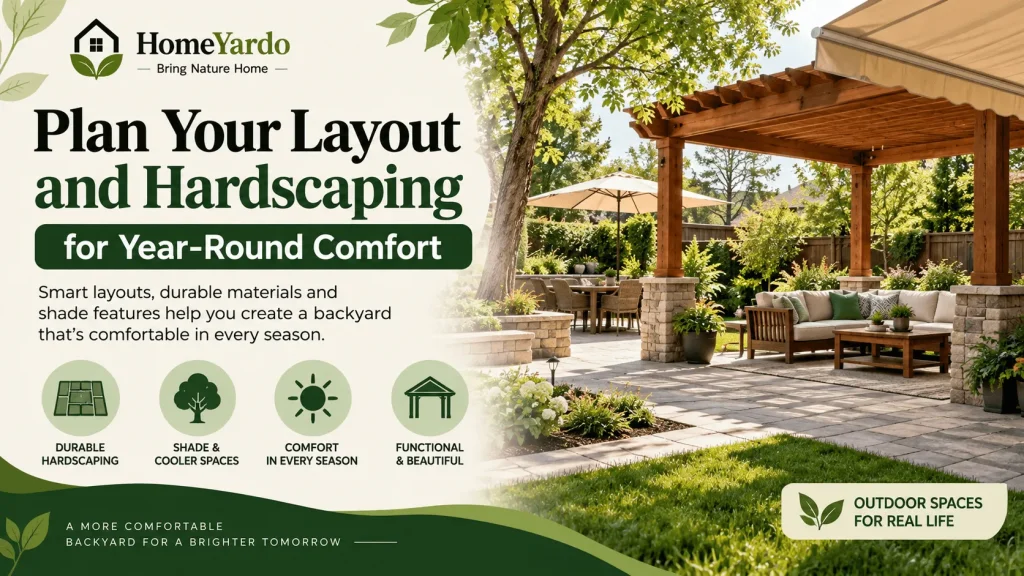
All parts of your backyard do not have the same purpose in every season, since the impact of things such as sunlight, wind conditions, and heat from the surfaces is critical in determining how frequently you spend time outdoors.
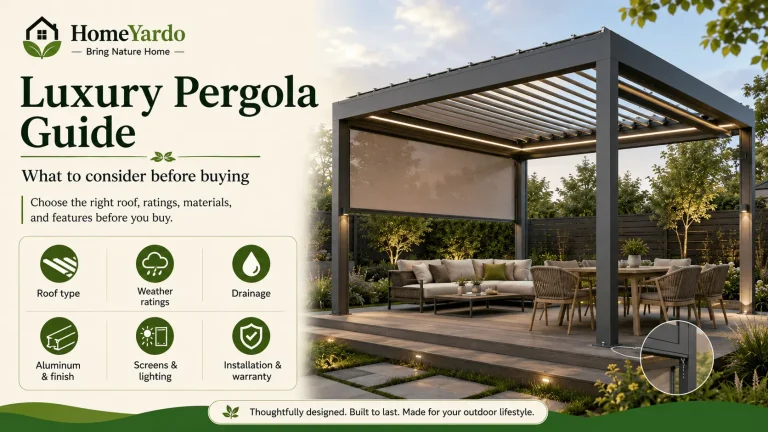
Major components like patios, pergolas, and stone pathways determine the general layout of the landscape, and although materials like poured concrete or paving stones give strong foundations for these busy parts of your yard, having too many hard surfaces means that you will capture the heat of summer and create a less friendly environment.
Incorporating shade trees, movable awnings, and wooden pavilions guarantees that your seating areas remain comfortable regardless of the intense afternoon sunlight.
Know When to DIY and When to Call in the Professionals
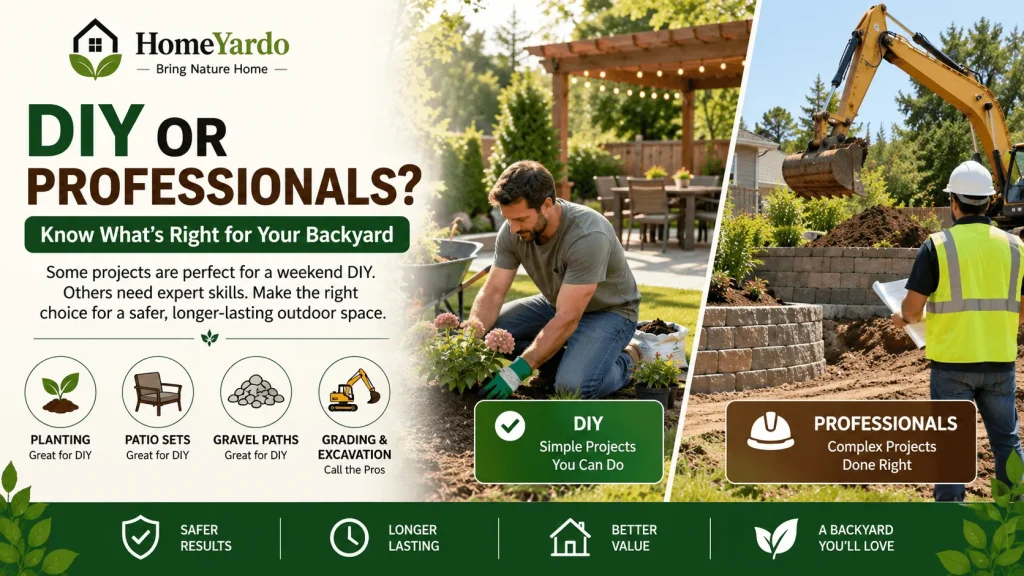
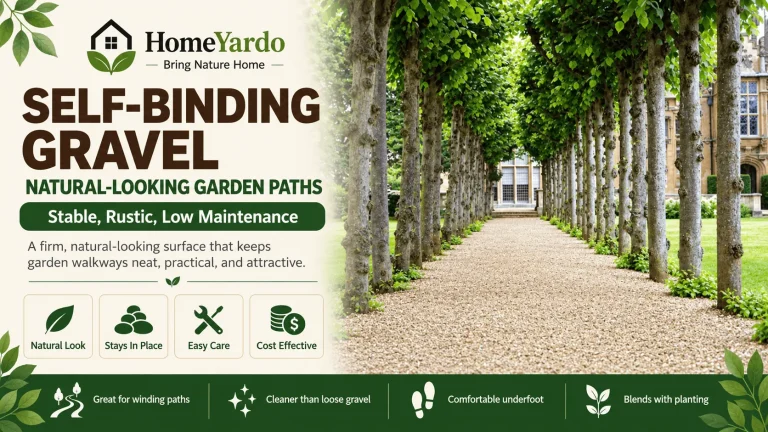
A successful outdoor project relies on knowing where your time and skills are best spent, which means simple projects like planting flower borders, assembling patio sets, or laying gravel pathways make fantastic weekend DIY tasks.
However, foundational elements require careful technical planning. Projects involving grading, heavy excavation, structural retaining walls, or complex drainage systems often require expertise beyond basic landscape planning, especially when coordinating different aspects of backyard outdoor living services.
Getting the site preparation and structural engineering right from the start prevents costly settling, water pooling, and structural damage down the road.
Choose Low-Maintenance Plantings That Fit Your Schedule
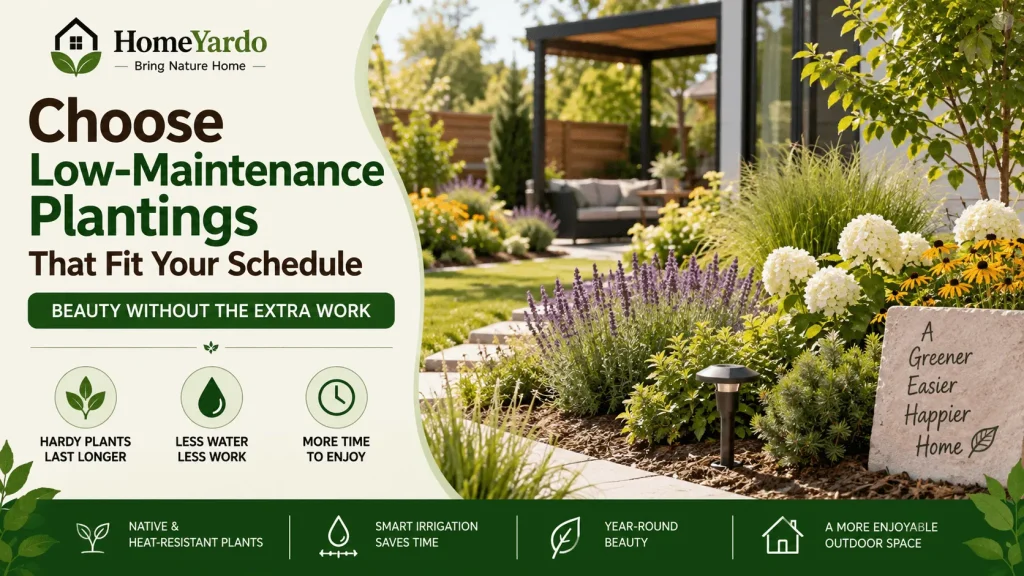
Plants need to make life better for you and not become another full-time job, and using low-maintenance plants that are suited to your particular soil and light is one way to reduce your maintenance work dramatically week by week and keep frustration at bay.
Natives and heat-resistant perennials can provide you with structure and beauty year after year without much fuss, whereas including evergreens for structure and seasonal bloomers will ensure your garden always looks complete.
A simple and automated drip irrigation system means that your plants get their water supply directly with very little effort on your part.
Phase Your Project to Protect Your Energy and Budget
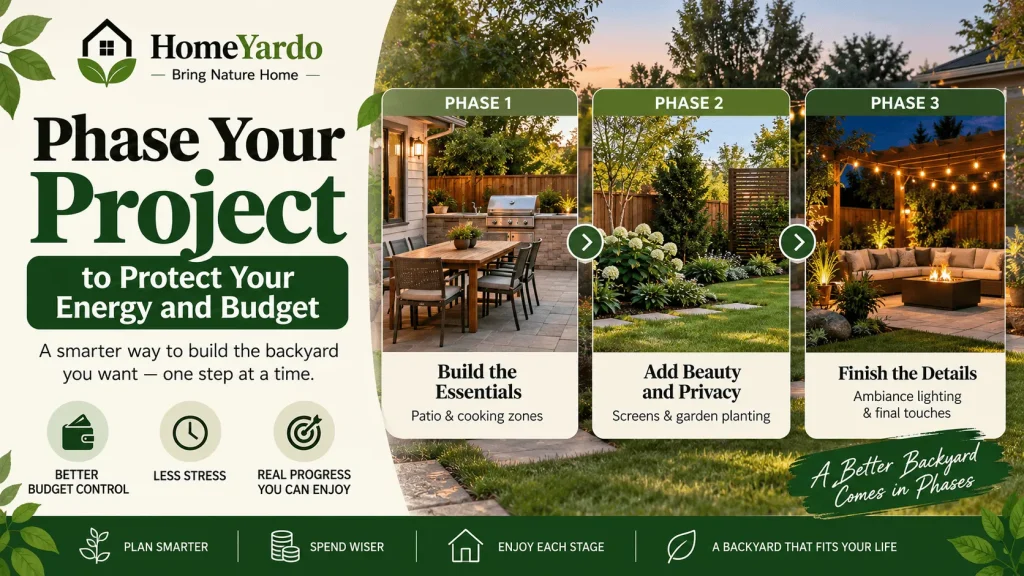
Transforming your whole yard need not happen at once because making attempts to tackle all zones at once usually results in decision fatigue and overspending.
Dividing your master design into phases makes it possible for you to benefit from the completed zones right away while spreading your financial burden out and allowing you to concentrate on the major patio and cooking zones during phase one, adding screens and garden planting in phase two, and ending with ambiance lighting in phase three.
It is crucial that you keep tabs on your objectives and expenses at all phases.
Create an Outdoor Space That Supports Your Best Life
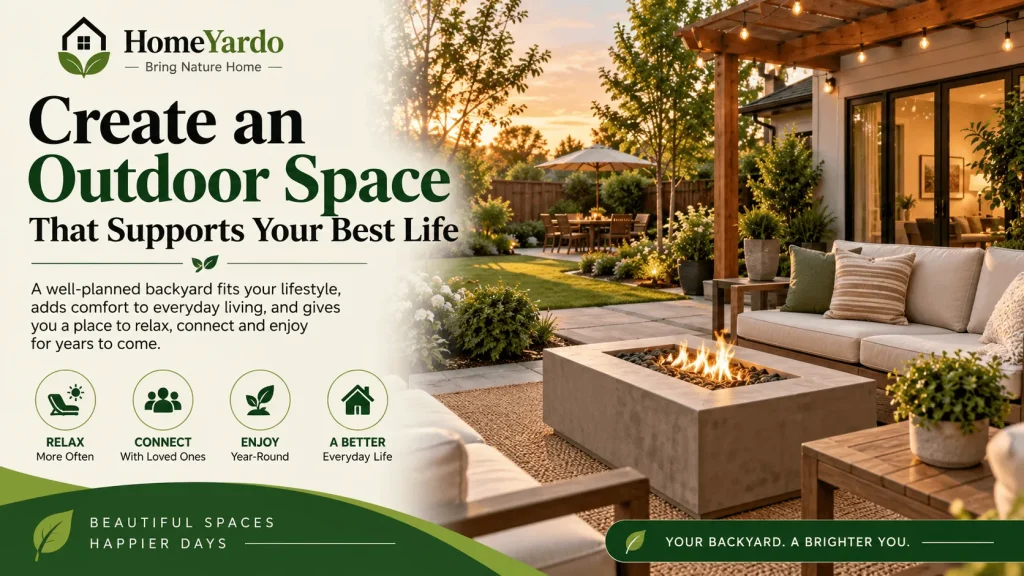
A great backyard does not lie in its resemblance to an impeccably designed magazine page or a carefully curated Instagram photo, but in how effortlessly it flows into the cycle of your daily routine. Once an outdoor area is well-planned with purpose, it stops being a burden on your task list and starts functioning as an integral part of your house where everything feels easy and convenient.
By creating a well-balanced combination of long-lasting hardscaping and low-maintenance plants, you make sure that your outdoor area will remain a pleasant place to stay in both warm and cold seasons, and by doing all the necessary groundwork from the start, you will guarantee yourself years of enjoying all of your efforts. In the end, thinking of your lifestyle first is what helps to create an outdoor space which feels like your own personal paradise.
FAQ’s
Start by considering how you want to use the area. What matters most: dining, entertaining, relaxing, gardening, children, pets, privacy, or open enjoyment. Then, before selecting materials and decorative features, consider sunlight, drainage, existing features, access, and space available.
Sort activities into such categories as eating, relaxing, playing, gardening and storage. The zones might be defined by variations in the paving, furniture, planting, lighting or ground level rather than by actual walls. Provide logical and comfortable pedestrian links between regularly used zones.
Choose plants that are suitable for the site’s temperature, soil, sun exposure, and available space. Limit elements that need frequent maintenance, group plants with comparable water needs, think about effective watering and select durable materials in high traffic areas.
There is no one percentage that will work for every property. Hardscaping should provide adequate firm space for walking, seating, dining and other activities without replacing lawn, planting, or permeable ground needlessly. The proper mix depends on the size of the yard, the climate, the drainage and how the space will be used.
DIY projects can frequently include simple planting, mulching, furniture installation, containers and some basic gravel walks. Qualified expertise and local permits may be required for large grading, drainage, retaining walls, utilities, structural work or extensive excavation.
Not really. Doing a backyard renovation in phases makes budgeting easier and lets you focus on the places you use the most. Plan the entire layout before you start, then do drainage and site prep before permanent hardscaping, planting, lighting and finishing details.