Home Wellness Trends More Homeowners Are Trying
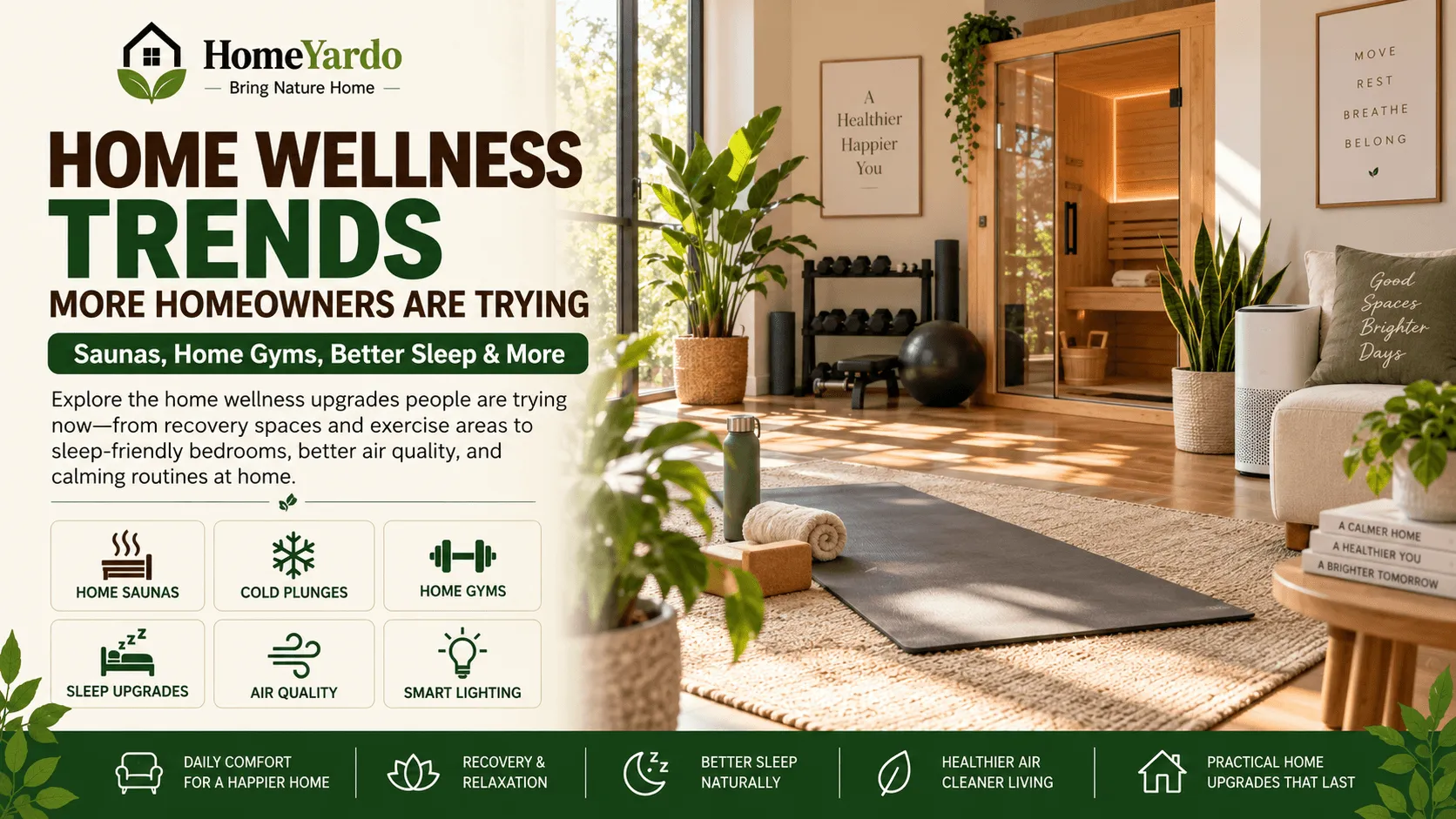
Home wellness is becoming a bigger part of how people plan and improve their living spaces. Instead of treating health routines as something that only happens at a gym, spa, or studio, many homeowners are creating spaces that support rest, movement, recovery, better sleep, and everyday comfort at home.
Some upgrades are simple, such as improving bedroom lighting or creating a quiet corner for meditation. Others involve larger projects, including home saunas, cold plunge areas, fitness rooms, and ventilation improvements.
The best home wellness upgrades are not necessarily the most expensive ones. They are the ones that fit your routine, your available space, and the way you actually use your home.
Why Home Wellness Is Becoming Part of Home Design
Home design has traditionally focused on appearance, storage, comfort, and resale value. Wellness adds another question: how does the space affect the people living in it?
Lighting can influence how comfortable a room feels at different times of day. Poor ventilation can make a home feel stale. A cluttered bedroom may make it harder to relax. A dedicated exercise area can remove some of the friction involved in working out regularly.
This does not mean every house needs to become a private spa.
It means homeowners are paying more attention to how layout, temperature, air, light, noise, and available space affect daily routines.
A useful home wellness project should solve a real problem rather than follow a trend simply because it is popular.
Home Saunas and Heat Therapy
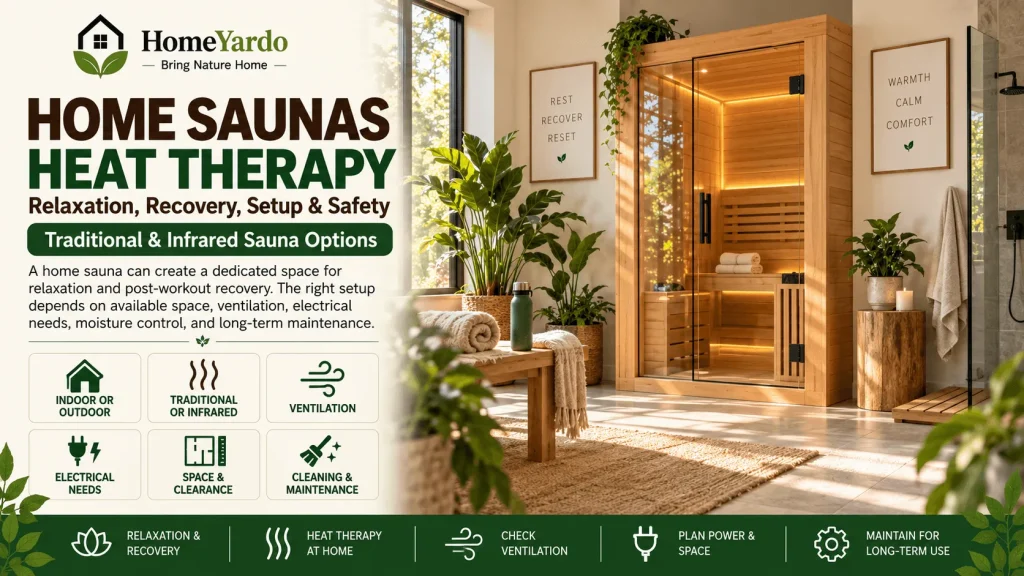
Home saunas are becoming more common among homeowners who want a dedicated place for relaxation and post-workout recovery.
A sauna can be installed as a separate indoor room, a compact freestanding unit, or an outdoor structure depending on the property and the type of system being used. Traditional saunas generally use higher temperatures, while infrared systems work differently and are often promoted for smaller residential installations.
People interested in the Sauna Benefits for Men may be looking at sauna use for relaxation, heat exposure, recovery routines, or general wellness. The more practical question for a homeowner, however, is whether a sauna can be installed safely and comfortably in the available space.
Before adding one, consider:
- Available floor space
- Electrical requirements
- Ventilation
- Heat and moisture management
- Flooring and wall materials
- Access to a shower or cooling area
- Manufacturer clearance requirements
- Ongoing cleaning and maintenance
Saunas also require sensible use. Heat tolerance varies, so sessions should be kept within personal comfort limits. Hydration matters, and anyone with medical concerns should discuss sauna use with an appropriate healthcare professional.
A sauna should be treated as part of the home’s infrastructure, not simply as another piece of furniture.
Cold Plunges and At-Home Recovery Areas
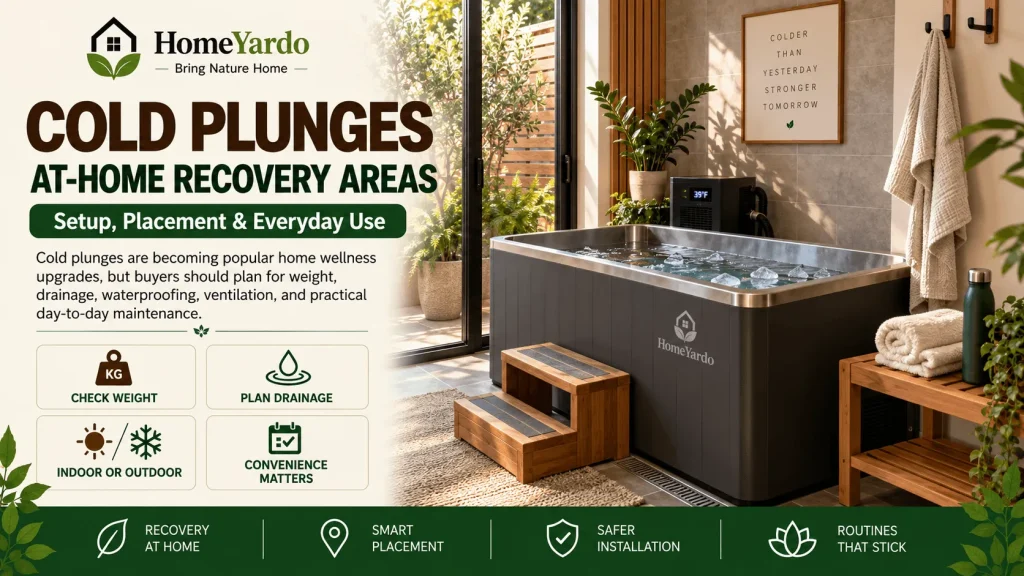
Cold plunges are another wellness feature appearing in garages, patios, bathrooms, and dedicated recovery rooms.
A basic setup may be as simple as a cold tub filled manually. More sophisticated systems can include filtration, sanitation, insulation, and temperature control.
Placement deserves more attention than many buyers initially expect.
A filled plunge tub can be extremely heavy. Indoor installations may require checking floor capacity, drainage, waterproofing, ventilation, and access for maintenance. Outdoor installations need a stable base along with protection from weather and debris.
Homeowners should also think about how the space will work after the initial excitement fades.
If using the plunge requires moving furniture, dragging hoses across the property, or cleaning the water every few days, it may become another unused purchase.
Convenience often determines whether a wellness feature becomes part of a routine.
Home Gyms Designed for Consistent Exercise
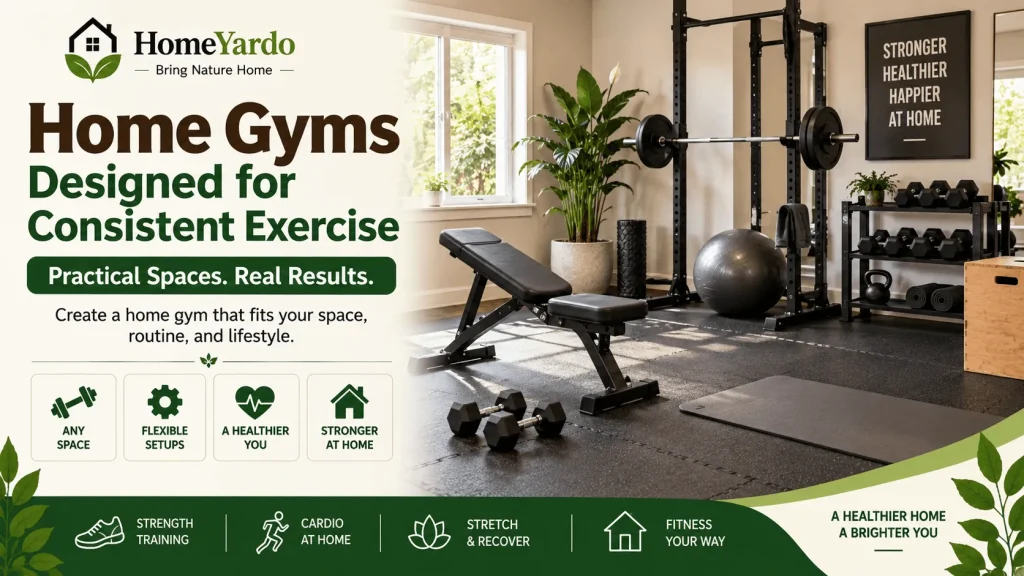
A home gym does not need commercial equipment or an entire spare room.
For many people, a small area with enough room for basic strength training, stretching, or cardio is more useful than an elaborate setup.
The best location depends on the activity.
A garage may work well for weights and larger equipment. A spare bedroom may be better for quieter workouts. A basement can provide more space, although ventilation, moisture, ceiling height, and lighting should be checked first.
Useful design considerations include:
- Durable flooring
- Adequate ventilation
- Safe electrical access
- Mirrors where appropriate
- Storage for smaller equipment
- Enough clearance around machines
- Good overhead lighting
- Noise control where rooms share walls
Rubber flooring can help protect the subfloor and reduce impact noise, but the right flooring depends on the type of exercise.
One common mistake is buying equipment before deciding how the space will actually be used.
Start with the routine. Then build the room around it.
Sleep-Friendly Bedroom Upgrades
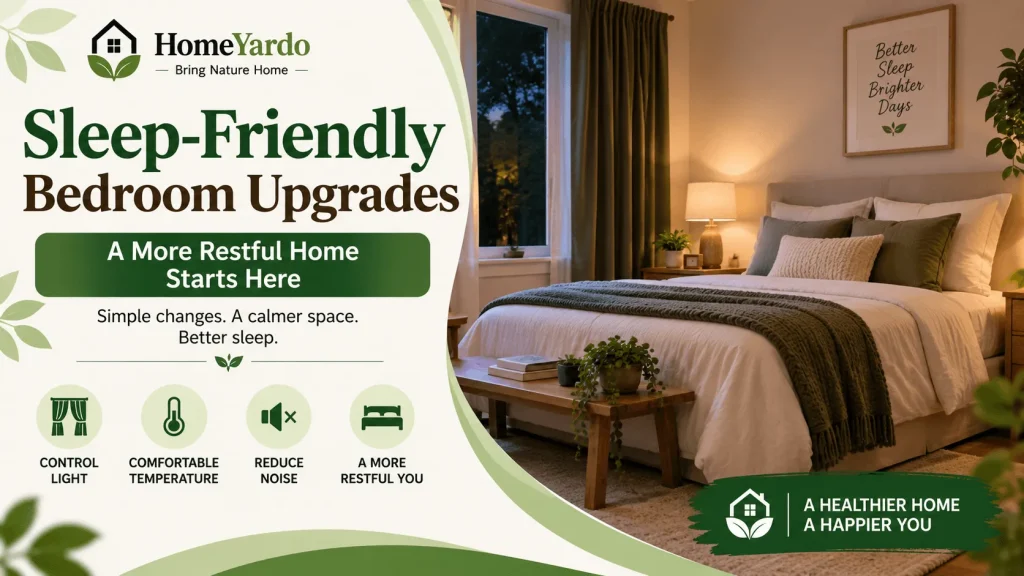
Sleep may be one of the easiest wellness areas to improve through changes to the home itself.
A bedroom does not need complicated technology to become more comfortable.
Light control is often a good starting point. Blackout curtains or properly fitted shades can reduce unwanted exterior light. Warmer lighting in the evening can create a calmer atmosphere than bright overhead fixtures.
Temperature also matters.
Bedrooms that become noticeably hotter or colder than the rest of the house may need attention to insulation, windows, HVAC balancing, or airflow rather than another fan or heater.
Noise can also affect comfort. Depending on the source, improvements may include heavier curtains, better window sealing, door weatherstripping, rugs, acoustic panels, or changes to room layout.
A sleep-friendly bedroom usually comes from fixing several small irritations rather than installing one expensive product.
Better Indoor Air Quality

Indoor air quality is an important part of home comfort, yet it is easy to overlook because many air-quality problems are invisible.
Dust, humidity, cooking emissions, outdoor pollutants, pet dander, and moisture can all influence how a home feels.
A good starting point is ventilation.
Kitchen range hoods and bathroom exhaust fans should vent properly. HVAC filters need to be appropriate for the system and replaced according to manufacturer recommendations. Homes with recurring humidity problems may need better moisture control rather than simply stronger air fresheners.
Other improvements can include:
- Fixing water leaks
- Controlling indoor humidity
- Cleaning supply and return vents
- Maintaining HVAC equipment
- Using appropriately sized air cleaners
- Improving bathroom ventilation
- Reducing indoor smoke and combustion sources
Portable air purifiers can be useful in some rooms, but they should be selected based on room size and filter performance.
Plants may make a room feel calmer, but they should not be treated as a substitute for proper ventilation or filtration.
Smart Lighting and Circadian-Friendly Spaces
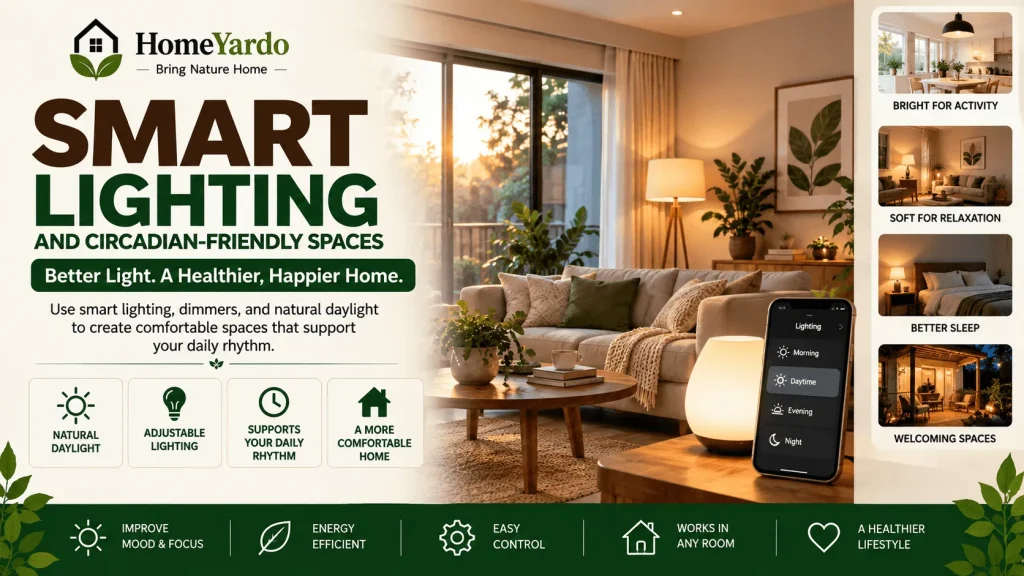
Lighting has moved beyond a simple choice between bright and dim.
Many homeowners now use adjustable bulbs, dimmers, automated blinds, and smart lighting schedules to change how rooms feel throughout the day.
Bright light may be useful in kitchens, offices, and exercise areas. Softer light often works better in bedrooms and living spaces later in the evening.
The goal does not have to be a complicated automated system.
A few well-placed lamps and dimmers can make a noticeable difference.
Natural daylight should also be considered when planning a room. Furniture placement, window coverings, and wall colors can affect how much daylight reaches the useful parts of a space.
Smart lighting is most useful when the automation makes daily life easier rather than creating another app that needs constant adjustment.
Wearables and Smart Home Wellness Technology

Wearable devices and smart home systems increasingly overlap.
Fitness trackers may monitor activity, heart rate, sleep patterns, or workouts. Smart thermostats can manage temperature schedules. Air-quality monitors can track humidity or certain pollutants. Connected lighting can change automatically throughout the day.
These tools can help homeowners identify patterns.
They can also generate more information than most people need.
Consumer devices should be treated as monitoring tools rather than medical diagnostic systems. Measurements can vary between products and conditions.
The most useful technology usually answers a practical question.
Is the bedroom getting too warm overnight?
Is indoor humidity staying too high?
Are you actually using the home gym?
Does automated lighting make your evening routine easier?
If the data does not change a useful decision, collecting more of it may not provide much value.
Meditation and Quiet Spaces at Home
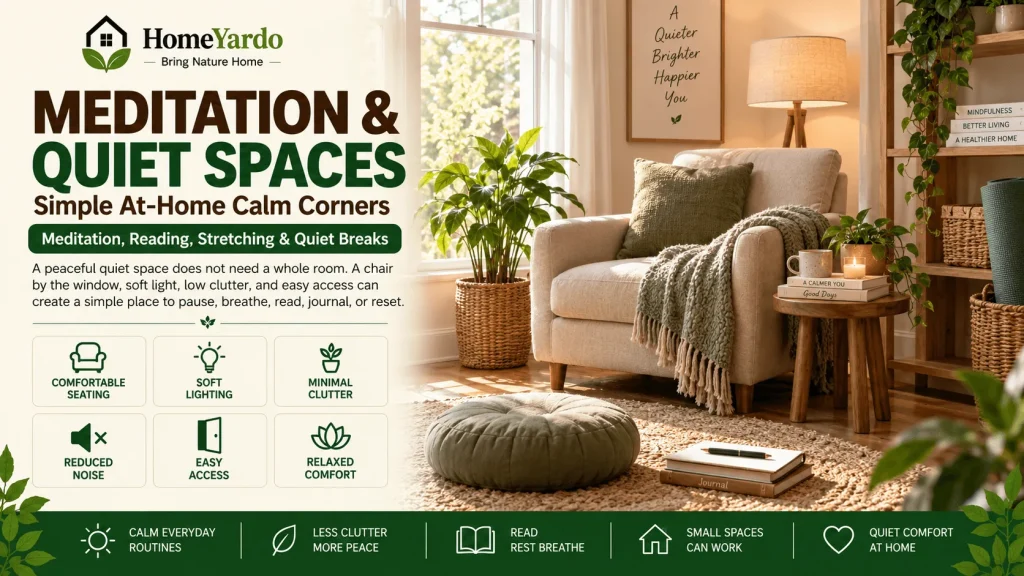
A dedicated meditation room sounds appealing, but many homes do not have an unused room available.
Fortunately, a useful quiet space can be much smaller.
A corner near a window, a section of a bedroom, an enclosed porch, or even a comfortable chair away from the television may work.
The main goal is to reduce distractions.
Consider:
- Comfortable seating
- Soft lighting
- Minimal clutter
- Reduced noise
- Easy access
- Comfortable temperature
- Storage for anything used regularly
This space can be used for meditation, reading, stretching, journaling, or simply taking a short break.
Avoid overdesigning it.
If a quiet area requires ten minutes of setup every time you want to use it, it probably will not stay quiet for long.
Outdoor Wellness Spaces

Backyards and patios can also become part of a home wellness routine.
A shaded seating area can provide a comfortable place to read or relax. A covered patio can support outdoor exercise during mild weather. Gardens can make outdoor spaces more pleasant to spend time in.
More elaborate setups may include:
- Outdoor saunas
- Cold plunge tubs
- Showers
- Yoga platforms
- Hot tubs
- Pergolas
- Privacy screens
- Outdoor fitness areas
Weather exposure, drainage, electrical safety, privacy, and maintenance all become important once wellness equipment moves outdoors.
A beautiful setup is useful only if it remains practical during normal weather conditions.
How to Choose Home Wellness Upgrades You Will Actually Use
Home wellness trends can become expensive quickly, so it helps to separate useful improvements from novelty purchases.
Start by identifying the problem you want to solve.
If the bedroom is uncomfortable, investigate temperature, lighting, noise, and ventilation before buying sleep technology.
If exercise consistency is the goal, create a practical workout area before filling the room with machines.
If recovery is important, compare the actual space and maintenance requirements of a sauna, cold plunge, or both.
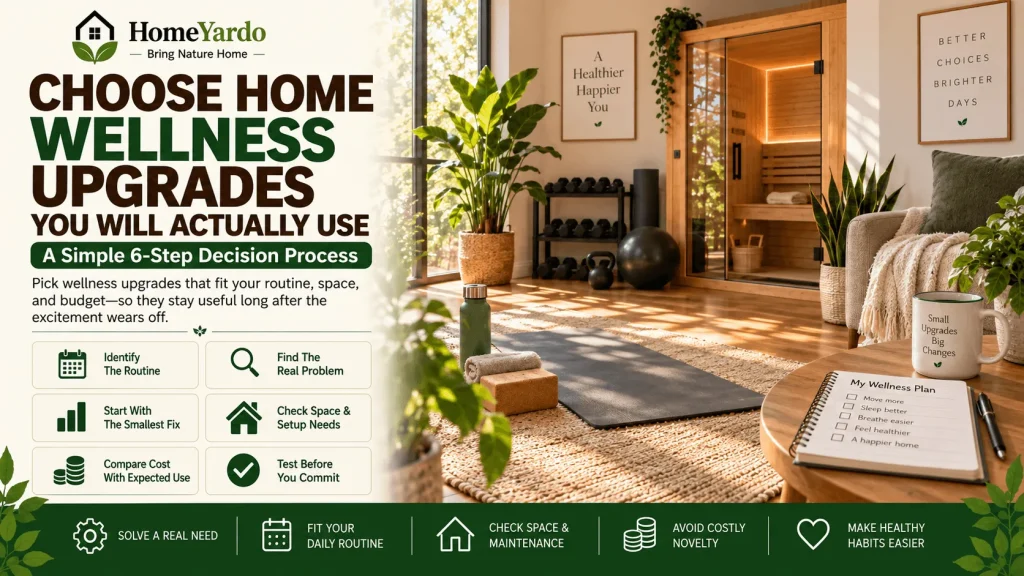
A simple decision process can help:
- Identify the routine you want to improve.
- Determine what currently makes that routine difficult.
- Choose the smallest home change that addresses the problem.
- Check space, electrical, ventilation, structural, and maintenance requirements.
- Compare installation cost with expected use.
- Try the routine before committing to a major permanent project.
A home wellness upgrade should make healthy routines easier.
If maintaining the upgrade becomes more demanding than using it, the design probably needs reconsideration.
Home Wellness Trends Worth Considering
Home wellness is moving toward spaces that support everyday routines rather than rooms designed only to look impressive.
Home saunas and cold plunges may appeal to people focused on recovery. Home gyms can make exercise more accessible. Better bedroom design can support a more comfortable sleep environment. Improved ventilation and filtration can make indoor spaces more pleasant. Quiet areas and thoughtful lighting can make it easier to switch off at the end of the day.
Not every trend belongs in every home.
The strongest improvement is usually the one that solves a specific problem, fits naturally into the property, and continues to be useful long after the novelty disappears.
FAQ’s
What Are The Most Popular Home Wellness Trends?
Common home wellness trends include home saunas, cold plunges, exercise rooms, smart lighting, air-quality monitoring, sleep-friendly bedrooms, meditation spaces, outdoor recovery areas, and connected wellness technology. Which option makes sense depends on available space, budget, maintenance requirements, and how regularly the homeowner expects to use it.
Is A Home Sauna Worth Adding?
A home sauna may be worthwhile for people who already use sauna sessions regularly and have suitable space, ventilation, electrical capacity, and budget. Buyers should compare installation requirements and ongoing maintenance rather than focusing only on the initial equipment price.
Can A Cold Plunge Be Installed Indoors?
Yes, but indoor installation requires planning. The weight of the filled tub, waterproofing, drainage, ventilation, access, condensation, and potential spills should all be considered. Larger or permanently installed systems may require professional assessment before installation.
How Can I Make My Bedroom Better For Sleep?
Start with practical factors such as unwanted light, noise, temperature, ventilation, mattress comfort, and clutter. Blackout shades, dimmer lighting, better airflow, window sealing, and reducing unnecessary electronics may improve the room without requiring expensive sleep technology.
Are Smart Home Wellness Devices Accurate?
Accuracy varies by product. Smart thermostats, humidity monitors, air-quality sensors, fitness trackers, and sleep devices can provide useful estimates and identify patterns, but consumer devices should not be treated as medical diagnostic tools.
What Is The Easiest Home Wellness Upgrade To Start With?
Start with the room or routine that causes the most frustration. Improving lighting, ventilation, bedroom temperature, exercise storage, or a quiet seating area usually costs less and requires less commitment than installing equipment such as a sauna or cold plunge.
FAQ’s
Common home wellness trends include home saunas, cold plunges, exercise rooms, smart lighting, air-quality monitoring, sleep-friendly bedrooms, meditation spaces, outdoor recovery areas, and connected wellness technology. Which option makes sense depends on available space, budget, maintenance requirements, and how regularly the homeowner expects to use it.
A home sauna may be worthwhile for people who already use sauna sessions regularly and have suitable space, ventilation, electrical capacity, and budget. Buyers should compare installation requirements and ongoing maintenance rather than focusing only on the initial equipment price.
Yes, but indoor installation requires planning. The weight of the filled tub, waterproofing, drainage, ventilation, access, condensation, and potential spills should all be considered. Larger or permanently installed systems may require professional assessment before installation.
Start with practical factors such as unwanted light, noise, temperature, ventilation, mattress comfort, and clutter. Blackout shades, dimmer lighting, better airflow, window sealing, and reducing unnecessary electronics may improve the room without requiring expensive sleep technology.
Accuracy varies by product. Smart thermostats, humidity monitors, air-quality sensors, fitness trackers, and sleep devices can provide useful estimates and identify patterns, but consumer devices should not be treated as medical diagnostic tools.
Start with the room or routine that causes the most frustration. Improving lighting, ventilation, bedroom temperature, exercise storage, or a quiet seating area usually costs less and requires less commitment than installing equipment such as a sauna or cold plunge.