Best Outdoor Fan in Australia for Ultimate Comfort
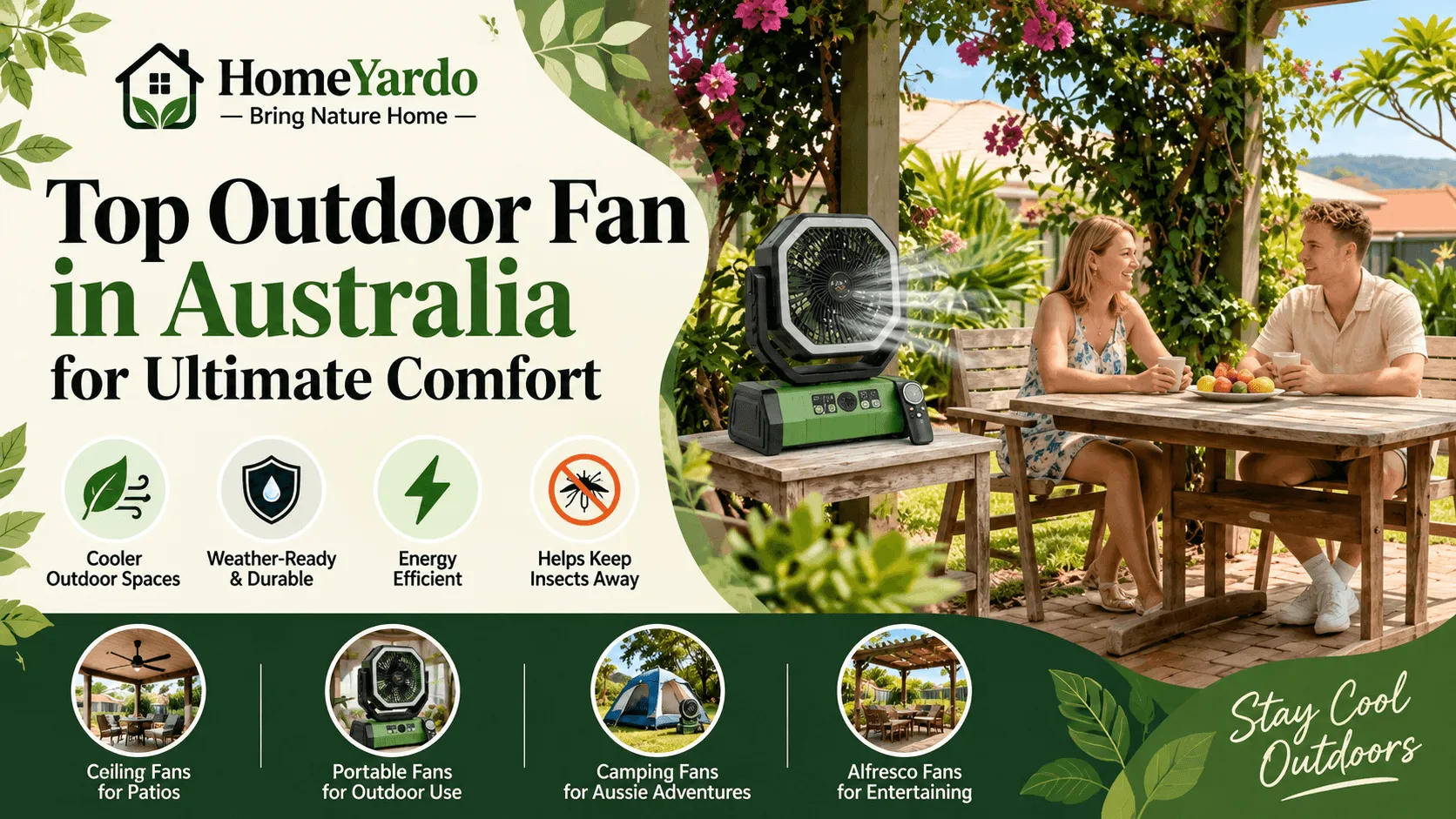
Outdoor fans can transform your outdoor space during Australia’s warm weather. The right fan improves comfort for patios, backyard BBQs, or camping trips. This guide covers what to look for, how outdoor fans compare, and how to choose the best setup for your needs.
Key Highlights
- Outdoor fans help improve outdoor comfort in patios, pergolas, and other outdoor entertaining areas.
- In Australia, the right fan depends on your outdoor space, airflow needs, and exposure to moisture or dust.
- Ceiling fans and alfresco ceiling fans are popular for covered zones, while portable units suit flexible use.
- Energy efficiency matters, especially when you want long cooling without high power use.
- Durable materials, controls, and weather-ready designs make a big difference outdoors.
- Good placement and sizing help outdoor fans move enough air where you need it most.
Exploring Outdoor Fan Options in Australia
Not every outdoor space needs the same Outdoor Fan in Australia. Fixed ceiling fans work well for covered patios, while portable fans are better for moving between a deck, campsite, or workbench. The best option depends on whether you want permanent or flexible cooling.
Also, consider local conditions—Australia’s heat, dust, moisture, and salty air mean outdoor fans must be tougher than indoor ones. The following sections explain comfort, fan types, and what works best outdoors.
Why Outdoor Fans are Essential for Comfort
Australia’s climate can turn outdoor living areas into hot, still spaces fast. When air stops moving, even a shaded patio can feel uncomfortable. Outdoor fans help by creating steady cooling airflow, which makes sitting, dining, or working outside feel easier during warmer months.
For many homes, the best outdoor fans for Australian patios or alfresco areas are the ones designed for the setting. Covered spaces often suit outdoor ceiling fans, while portable rechargeable fans work well if you want airflow in different spots without being tied to one location.
That flexibility matters. You can use portable options for backyard BBQs, camping, patios, and off-grid trips. A well-made outdoor fan gives you practical cooling, quieter operation, and better outdoor comfort without relying on bulky systems that are harder to move or manage.
Popular Types of Outdoor Fans for Aussie Spaces
Australian homes and outdoor spaces use various fan styles. Fixed ceiling fans are common in covered areas, while portable fans are popular for flexible cooling. For safe outdoor use in Australia, choose fans with outdoor-rated construction, weather resistance, and appropriate IP ratings.
Popular options include:
- Ceiling fans for patios, verandas, and pergolas (For covered entertaining areas, the structure itself also affects shade, weather exposure, and where a fan can be positioned, so it helps to understand what to consider when choosing a pergola before planning the complete setup.)
- DC outdoor ceiling fans for energy efficiency and quiet operation
- Portable desk and floor fans for patios or picnics
- Clip-on fans for camping chairs, gazebos, or strollers
- Rechargeable camping fans for tents or caravans
Brands like Hunter Pacific, Claro, and Horizon DC are popular, but features matter more than the name. Look for remote or wall controls, multiple speed settings, stylish designs, and reliable performance outdoors.
Key Features to Look for in an Outdoor Fan in Australia
A quality outdoor fan should meet the needs of your space, not just look appealing. Heat, dust, and moisture can shorten its lifespan if it’s poorly built. Prioritize durability, proper IP ratings, and sturdy materials.
Consider practical factors like blade pitch, controls, and housing quality. Stainless steel parts, rust-resistant finishes, and weatherproof construction help ensure longevity. The next sections highlight key features for Australian conditions.
Weather Resistance and Durability Standards
When comparing outdoor fans, prioritize weather resistance. Australian conditions—dust, moisture, and intense heat—demand durable construction. Outdoors, durability isn’t optional; it’s essential.
Key features to look for:
- Appropriate IP ratings for moisture or dust exposure
- Stainless steel or anti-rust parts to prevent corrosion
- Tough ABS housings for durability
- Aluminum components for strength without added weight
These factors are crucial near the coast, where salty air accelerates wear on poorly protected appliances. For Australian weather, choose a fan built specifically for outdoor use instead of repurposing an indoor model.
Motor Type, Controls, and Operating Modes
The motor greatly impacts how a fan feels over time. Many buyers choose DC ceiling fans for their energy efficiency and flexible speed settings. While AC models are still available, DC fans offer lower power use and smoother operation.
Key control features:
- Remote control for easy adjustments
- Wall control for simple, fixed setups
- Multiple speed options for precise comfort
Safety relies on proper ratings and design. Outdoor-rated ceiling fans in Australia are built to handle exposure in covered or semi-exposed areas. Even with excellent controls, a fan not designed for outdoor use isn’t the right choice.
Choosing the Right Size Outdoor Fan for Your Space
Fan size directly affects airflow. A fan that’s too small won’t move enough air across your seating or dining area. Too large, and it can make the space feel awkward and unbalanced.
Choosing the right ceiling fan involves considering coverage, layout, and how open the area is. The same basic relationship between blade span, mounting position, and airflow also matters when choosing a ceiling fan for a larger space, although residential outdoor areas have different installation requirements. Patios, decks, and pergolas each have unique needs. The next sections cover how proper sizing and placement improve results.
Fan Sizing for Patios, Alfresco Areas, and Decks
To pick the right outdoor ceiling fan for your covered deck, start by assessing the space. Small patios need smaller fans, while larger areas may require bigger or multiple fans for proper airflow.
Match the fan’s size and shape to your deck—long decks or wide patios often need different solutions than square ones. Consider blade pitch, as it impacts air movement.
Prioritize function over just measurements. Center fans over seating or dining areas, or use multiple fans for separate zones rather than one oversized unit.
How to Place Outdoor Fans for Maximum Coverage
Fan placement can enhance or reduce its effectiveness. Strong airflow won’t help if the fan is too far from where you sit or blocked by walls or beams. On verandas and patios, position fans based on how you use the space. Think about seating, dining, and entertaining zones first. A broader backyard design based on how you use the space can also help you decide which areas need the most shade and airflow.
For optimal results:
- Center fans over main activity areas
- Avoid blade obstructions
- Align fans with dining, seating, or work zones
- Use multiple fans in wider spaces for full coverage
Consider weather exposure. If one side gets more moisture or dust, choose a weather-resistant fan for that spot. Smart placement and proper features ensure comfort, especially in hot Australian climates.
Comparing Indoor and Outdoor Fans for Australian Use
Many people wonder if indoor fans can be used outdoors. In Australia, outdoor fans are specifically built to withstand moisture, dust, and heat, while indoor fans quickly deteriorate outside.
The main differences are safety, materials, and durability. Before installing a fan on your patio or pergola, compare indoor and outdoor models—especially in humid or coastal areas.
Construction Differences and Safety Ratings
The main differences between indoor and outdoor ceiling fans are their construction and protection. Indoor fans are designed for dry, sheltered spaces, while outdoor fans feature durable, weather-resistant materials to handle dust and moisture safely.
Quick comparison:
| Feature | Indoor Ceiling Fans | Outdoor Ceiling Fans |
|---|---|---|
| Intended Use | Dry indoor rooms | Patios, covered outdoor areas |
| Materials | Standard finishes | Durable ABS, anti-rust, weatherproof |
| Moisture Protection | Minimal | Built for moisture exposure |
| IP Ratings | Not required | Essential for safety |
| Corrosion Resistance | Low | High |
Always use an outdoor-rated fan in exterior spaces. Indoor fans can’t withstand weather or wear like outdoor models.
Performance in Coastal and Humid Conditions
Outdoor ceiling fans can be effective in coastal or humid Australian areas, but only if designed for those conditions. Coastal homes face extra moisture and salty air, which can quickly damage standard materials.
Durability is key. Choose outdoor-rated fans with corrosion-resistant parts and weatherproof housings for long-lasting performance—especially in high humidity.
Not all outdoor fans are the same; coastal environments are harsher on appliances. Pick sturdy, well-built models to ensure reliability and reduce early wear.
Benefits of Using an Outdoor Fan in Australia
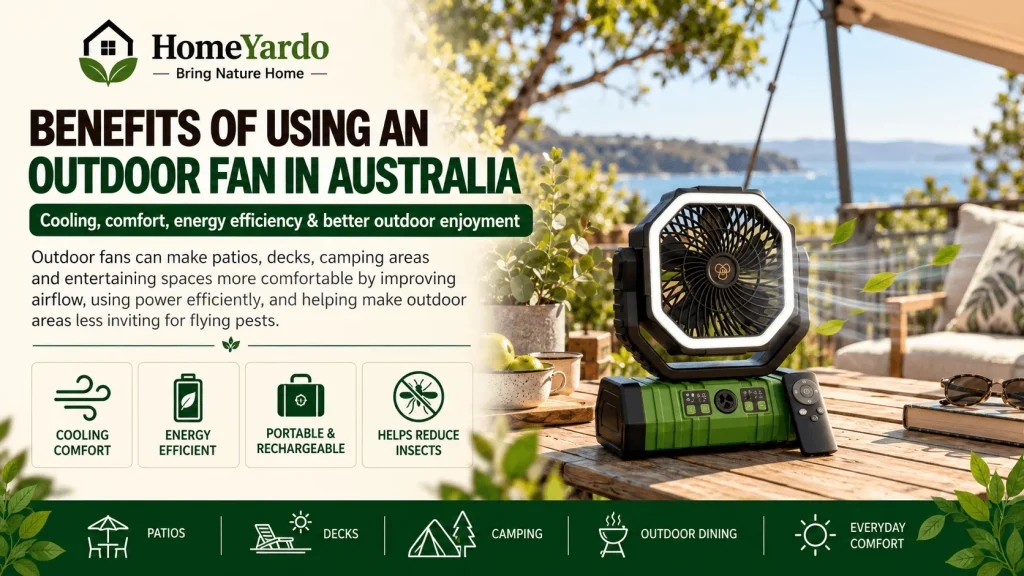
Outdoor fans offer more than simple cooling. They can make patios, decks, and outdoor entertaining areas more usable during hot weather by keeping air moving where people gather. Airflow works best as part of a comfortable outdoor setup that also considers seating, shade, and how guests move through the area. These backyard garden party setup ideas show how those elements can work together for outdoor entertaining. That steady breeze can improve comfort during meals, work, or quiet evenings outside.
They can also be practical from a power point of view. Many outdoor fans are designed for energy efficiency, and portable rechargeable models use less energy while still delivering useful airflow. Next, let’s look at comfort, running costs, and another welcome bonus: fewer pests around your seating area.
Cooling, Comfort, and Energy Efficiency
Yes, there are energy-efficient outdoor fans available for Australian homes. Many buyers prefer DC designs and rechargeable portable models because they can deliver cooling while using less energy. That makes them useful for everyday outdoor comfort, especially in spaces used often through warmer months.
Portable outdoor fans can also support off-grid living. USB rechargeable units work well with power banks and even solar top-up use, which helps on camping trips or in places where you want simple, flexible cooling without fixed wiring.
Comfort is the main result. A steady stream of moving air can make sitting outdoors feel easier, even when temperatures rise. When you combine outdoor comfort with energy efficiency, you get a practical solution that suits patios, tents, decks, and work areas without heavy power demand.
Reducing Insects and Boosting Outdoor Enjoyment
Outdoor fans enhance comfort outside by cooling and keeping air moving, which can make it harder for pests to linger near people, food, or seating areas. This is useful in spaces like backyard dining areas, covered patios, and camping sites.
So, do outdoor ceiling fans help keep insects away in Australia? They can help by circulating air, making the area less inviting to flying pests. While not a complete pest solution, they do make outdoor spaces more enjoyable.
Conclusion
In conclusion, choosing the right outdoor fan in Australia can greatly improve your comfort on hot summer days. Consider factors like weather resistance, motor type, and size to ensure lasting performance in Australia’s varied climate. Outdoor fans not only keep you cool but also help reduce insects, making your outdoor space more enjoyable. Ready to upgrade your patio or backyard?
FAQ’s
Clean outdoor fans regularly with a soft cloth to remove dust and grime from the outdoor space. Check for early surface damage, especially on exposed parts. For maintenance, keep moisture buildup under control and inspect stainless steel or anti-rust components so the fan stays in better condition over time.
Yes. A dc outdoor ceiling fan is a popular option for energy efficiency because it can use less energy while still providing steady airflow. Models with multiple speed settings also help you manage power use. Some buyers also look for smart ceiling fans for easier day-to-day control.
Yes, if they are designed for those conditions. Coastal ceiling fans should offer good durability, resistance to corrosion, and suitable ip ratings for moisture exposure. In humid or coastal areas, outdoor-rated construction matters because standard indoor models are less prepared for ongoing damp air and salt exposure.