How To Set Up Your Backyard For A Garden Party
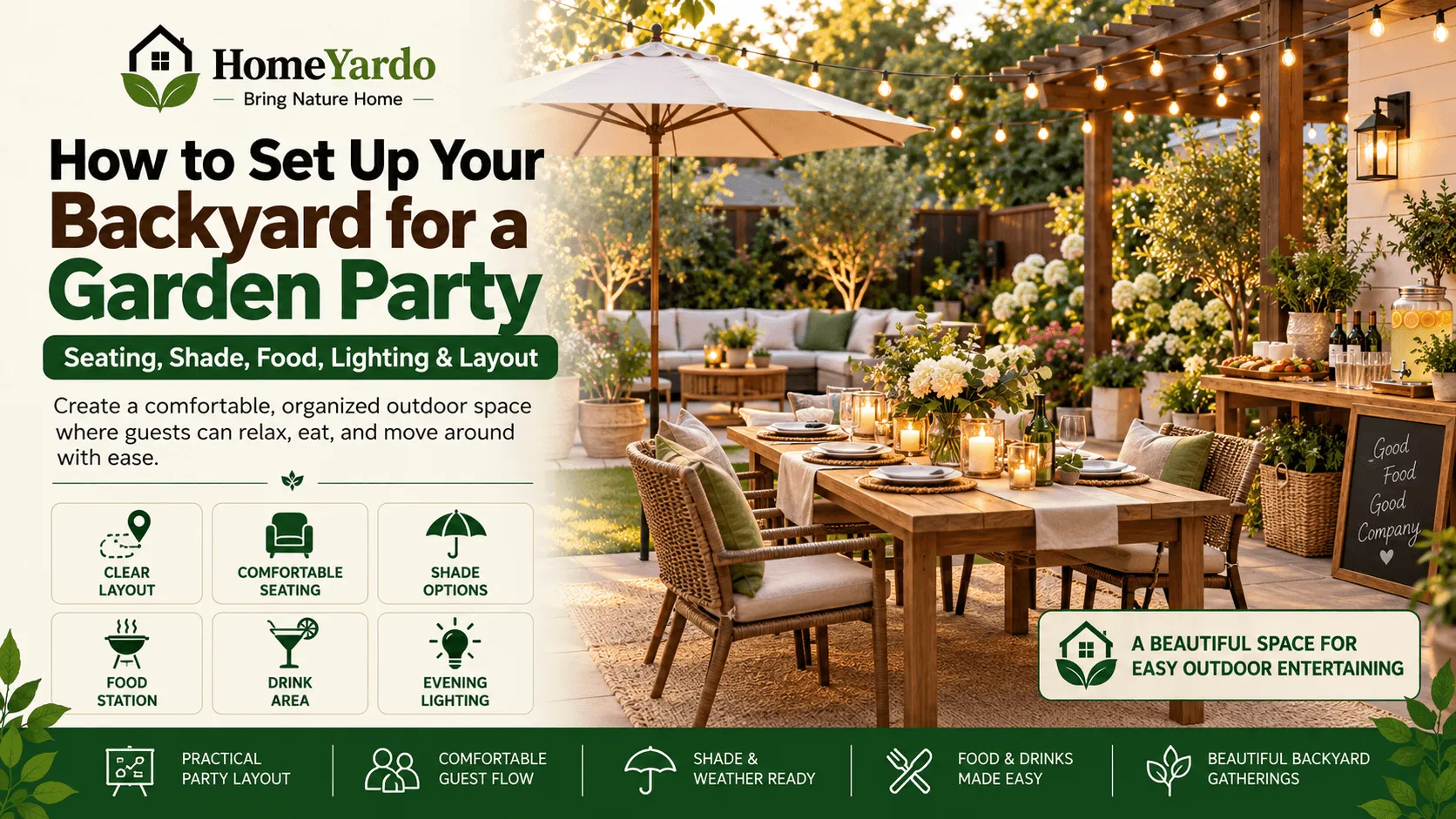
Setting up your backyard for a garden party starts with creating a comfortable, organized space where guests can relax, eat, and move around easily. You don’t need expensive decorations or a professionally landscaped garden to host an enjoyable gathering.
What matters most is how you arrange the space.
A successful garden party needs comfortable seating, clear pathways, shade, convenient food and drink stations, suitable lighting, and protection against changing weather.
The easiest approach is to treat your backyard like a temporary outdoor event venue. Organize the practical details before adding decorations.
Whether you’re planning an afternoon lunch, birthday celebration, or evening gathering, the following steps will help you prepare your outdoor space.
1. Map the Backyard Before Moving Furniture
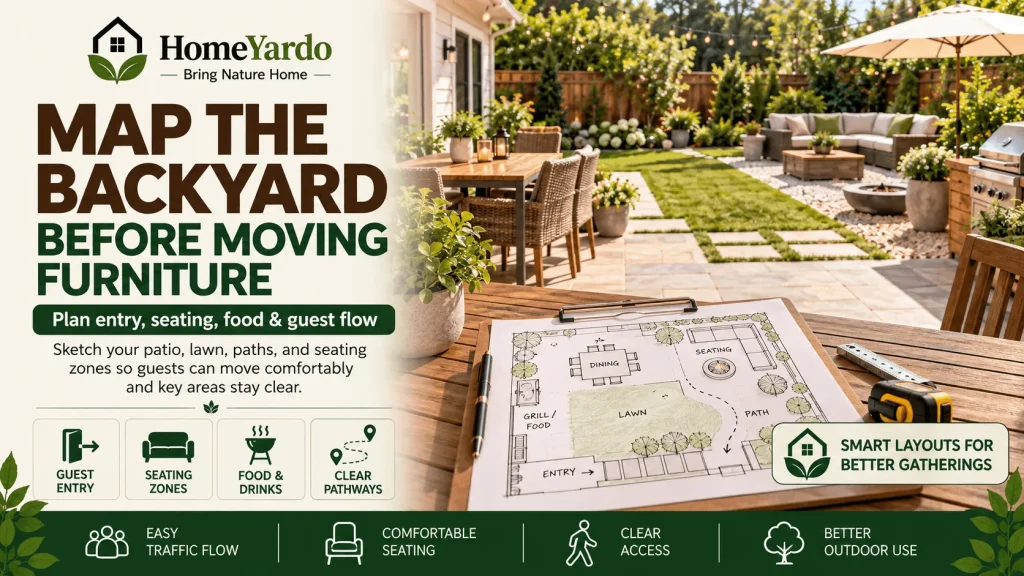
Start by measuring your available outdoor space and identifying where guests will enter, sit, eat, and move around.
You don’t need professional design software. A simple sketch showing your patio, lawn, garden beds, pathways, and existing furniture will help you decide where everything belongs.
Mark any areas that should remain accessible or off-limits, including narrow walkways, uneven ground, steps, and delicate flower beds.
Keep the main routes between your house, seating, refreshments, restrooms, and backyard exit clear.
Avoid placing chairs where people will need to squeeze behind seated guests.
For larger gatherings, custom yard signs can be used to direct guests toward parking, the backyard entrance, food stations, games, or other areas without requiring someone to give directions throughout the event.
How Much Backyard Space Do You Need?
The space required depends on your guest count, seating arrangements, and planned activities.
A formal outdoor dinner requires enough room for tables, chairs, and serving areas. Casual gatherings can use smaller conversation groups and open lawn space.
Before deciding on your final layout, arrange a few chairs and walk between them.
Check whether guests can move comfortably without disturbing seated people.
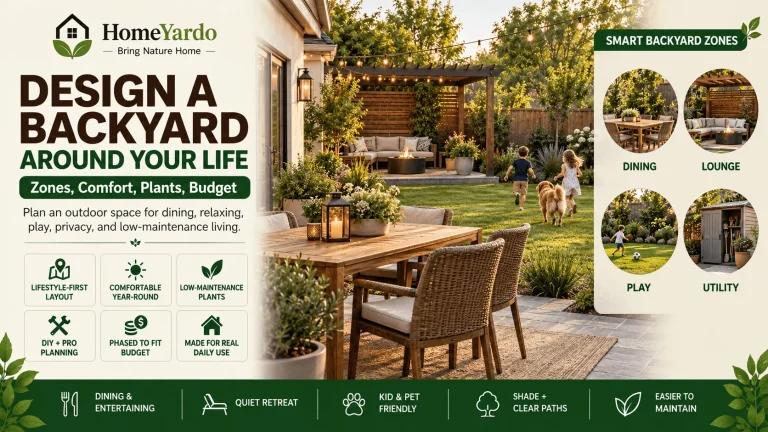
If you’re considering longer-term improvements, HomeYardo’s guide to designing a backyard around the way you live explains how to organize outdoor spaces around different activities.
2. Divide the Yard Into Functional Zones
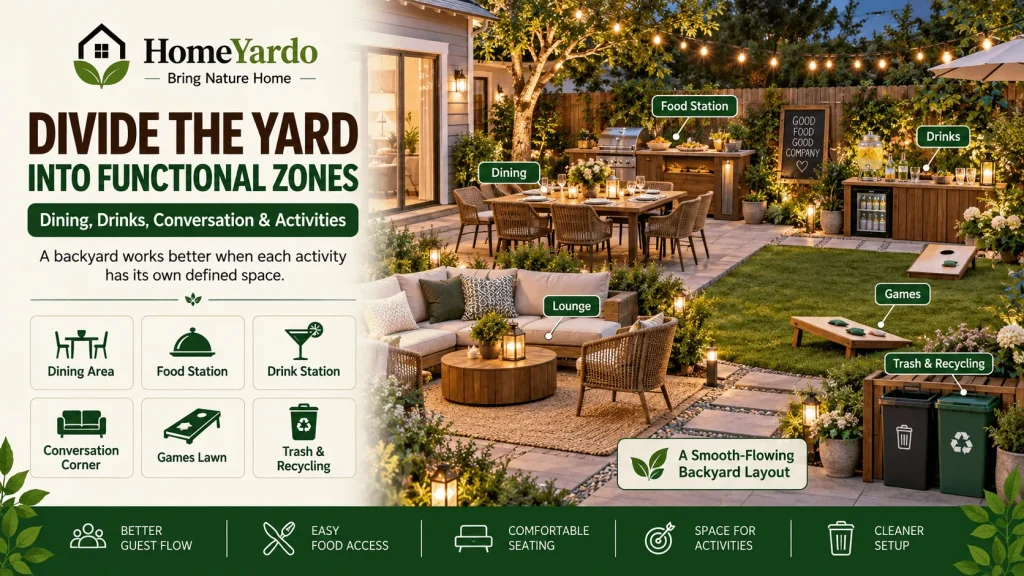
A backyard works better when every activity has a defined area.
Instead of placing all your furniture together, divide the available space into smaller zones for dining, conversation, refreshments, and activities.
This arrangement helps guests move naturally between different parts of the garden without creating congestion.
Useful Garden Party Zones
Consider creating the following areas:
- Main seating area for dining and group conversations.
- Food station with easy access to serving equipment.
- Beverage station for drinks and refreshments.
- Conversation corner with comfortable outdoor furniture.
- Children’s activity area, if needed.
- Open lawn for outdoor games.
- Clearly marked trash and recycling station.
- Temporary storage area for spare supplies.
You don’t need a separate area for every activity. Smaller backyards can combine dining and conversation spaces or position refreshments along the patio.
Keep food and drinks close enough to the house for convenient restocking without blocking entry points.
Choose areas that already have suitable surfaces, natural shade, or existing furniture.
If your garden requires improvements before entertaining, consider some low-maintenance backyard landscaping ideas that make outdoor spaces easier to organize and maintain.
3. Calculate Seating Before the Party
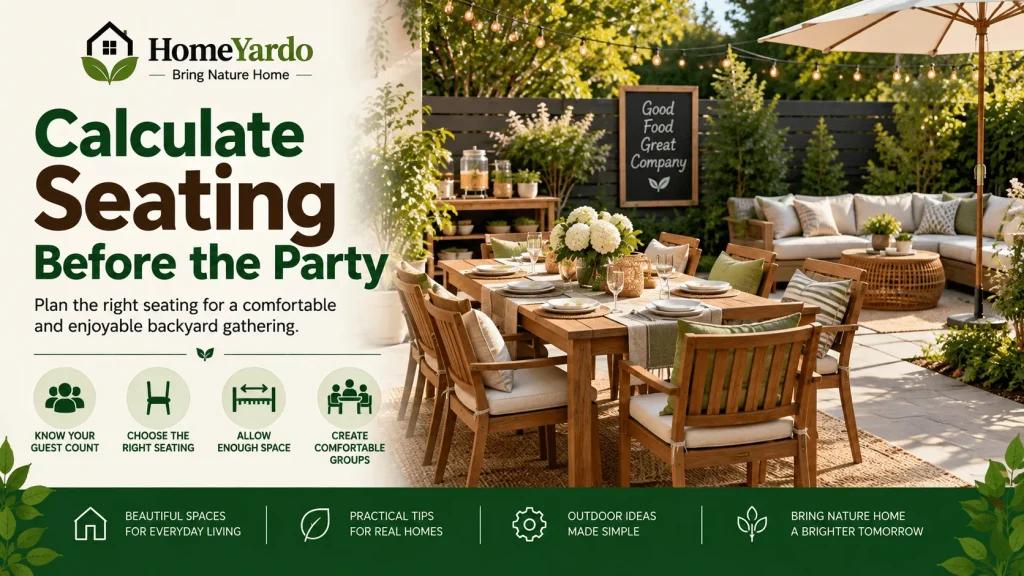
Comfortable seating is one of the most important parts of preparing your backyard.
Start by confirming your expected guest count. Then decide whether everyone needs somewhere to sit simultaneously.
A formal sit-down meal normally requires one suitable seat per guest.
For casual gatherings, combine dining chairs, outdoor sofas, benches, stools, and standing tables.
How Should You Arrange Garden Party Seating?
Position furniture according to how guests will use each area.
Keep dining furniture close to the food station and place conversation seating somewhere quieter.
Allow enough room for people to move chairs away from tables and walk behind seated guests.
Avoid placing furniture directly against flower beds or fences if doing so prevents comfortable movement.
Consider the needs of older guests, children, and anyone who may have difficulty walking on uneven ground.
Provide stable chairs with back support where necessary.
For larger parties, arrange several smaller seating groups rather than creating one crowded gathering area.
Before guests arrive, test each seating arrangement to confirm that it feels comfortable.
4. Create Shade Where People Will Stay Longest
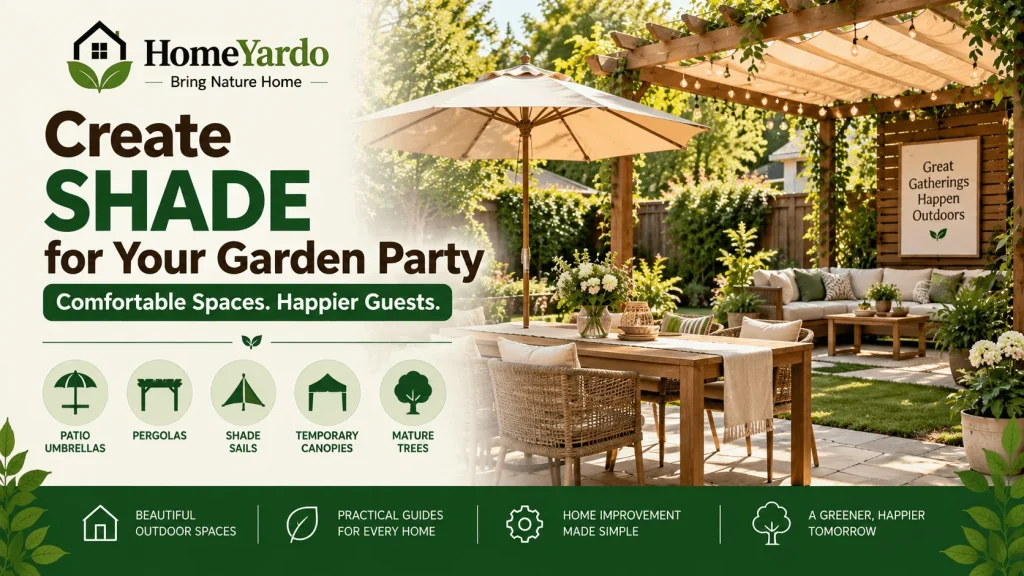
Shade should be part of your initial backyard layout rather than something you consider after arranging the furniture.
Observe where sunlight reaches your garden during the hours of your planned gathering.
An area that looks shaded in the morning may receive intense sunlight during the afternoon.
Choose seating locations accordingly.
Best Shade Options for an Outdoor Garden Party
Different types of shade work for different outdoor spaces.
- Patio umbrellas: Suitable for individual tables and smaller seating groups.
- Pergolas: Useful for established outdoor dining and conversation areas.
- Shade sails: Can cover larger spaces when correctly installed.
- Temporary canopies: Provide additional shade for occasional gatherings.
- Mature trees: Offer natural shade where their location and condition are suitable.
Prioritize shade over dining tables, children’s seating, older guests’ seating, beverage areas, and spaces where people will spend extended periods.
Avoid depending on one umbrella to protect the entire gathering.
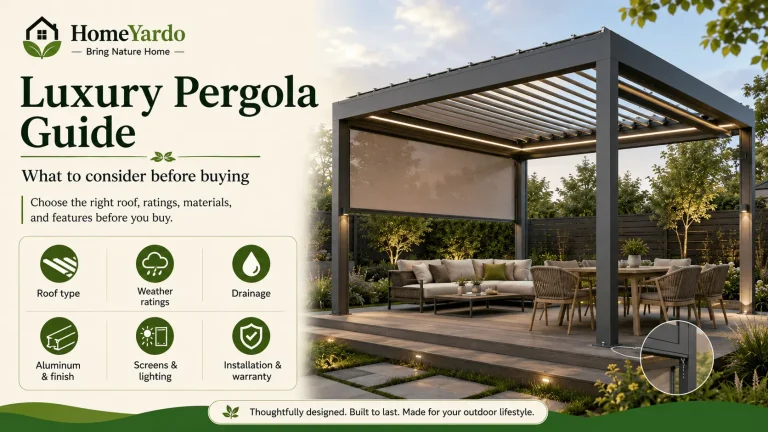
If you’re considering a permanent outdoor structure, HomeYardo’s guide to choosing a pergola for your backyard explains the differences between roof styles, weather protection, and installation considerations.
Remember that some pergolas provide shade without offering protection against rain.
Spread shaded areas throughout the garden so guests have options as the sun moves.
5. Plan the Food Station for Efficient Service
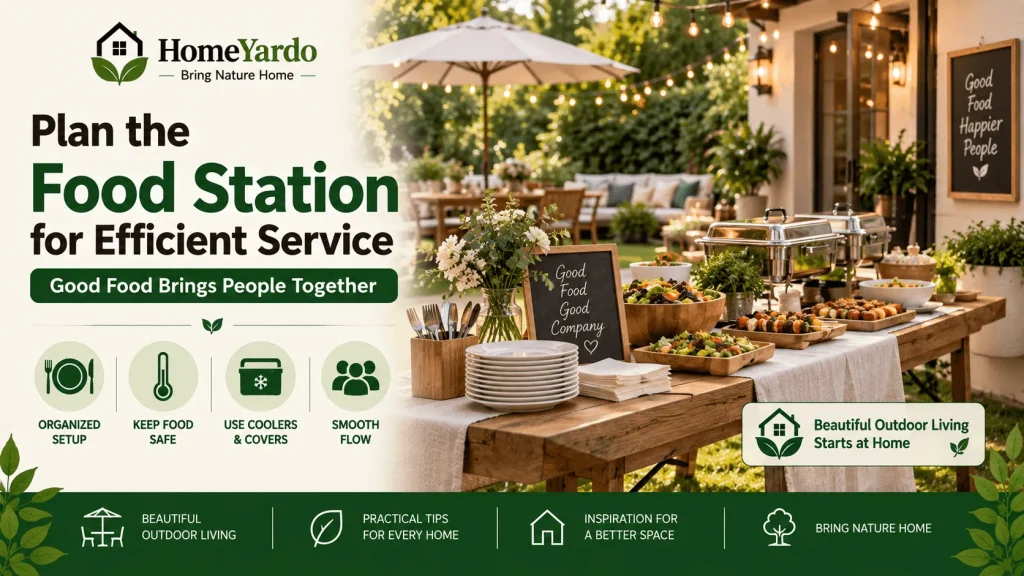
Your food station should be easy to reach without interrupting conversations or blocking walkways.
Position the serving table on stable, level ground, preferably somewhere shaded and reasonably close to the house.
For buffet-style dining, arrange food so guests can approach from one direction and move away after serving themselves.
Place plates and utensils at the beginning of the serving area. Keep napkins and condiments somewhere guests can reach without interrupting the line.
Leave sufficient room for people waiting to collect food.
How Do You Keep Food Safe at an Outdoor Party?
Food safety deserves special attention when serving meals outdoors.
Keep cold perishable foods at or below 40°F (4°C) and hot foods at or above 140°F (60°C).
Perishable foods should not remain without temperature control for more than two hours. If outdoor temperatures exceed 90°F (32°C), that limit falls to one hour.
Use coolers, insulated serving containers, and ice-filled trays when appropriate.
Keep food covered to help protect it from insects, leaves, and other outdoor debris.
Provide clean utensils for individual dishes and avoid mixing utensils used for raw and cooked foods.
Prepare additional food indoors and replenish the serving table when needed rather than placing everything outside at once.
6. Put Drinks in a Separate Area
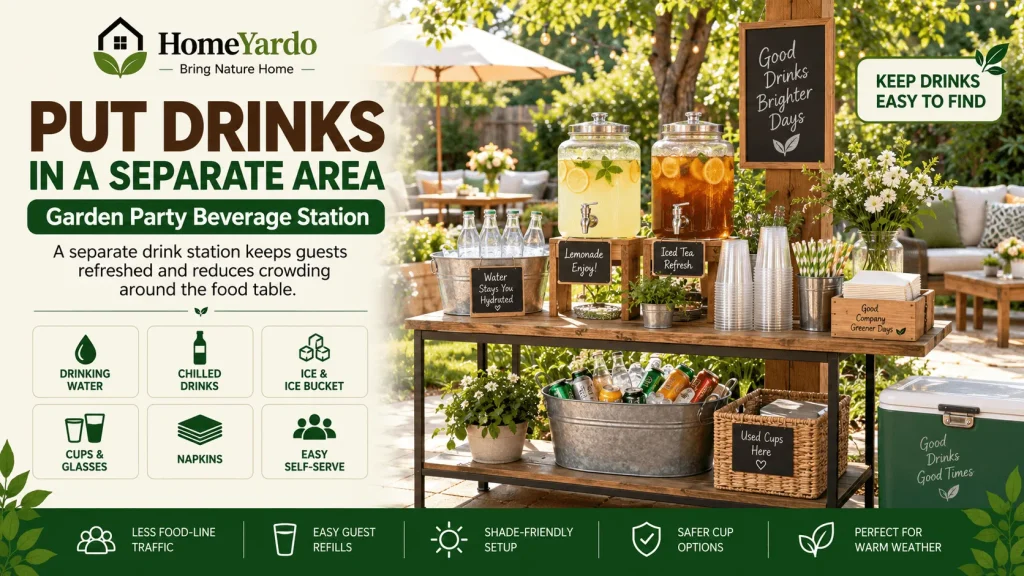
Food and refreshments don’t need to occupy the same table.
A separate beverage station allows guests to refill drinks without joining the food line.
Choose a location that is easy to find, protected from excessive sunlight, and accessible from the main seating area.
What Should a Garden Party Drink Station Include?
A practical beverage station can include:
- Drinking water
- Chilled beverages
- Suitable cups or glasses
- Ice and an ice bucket
- Napkins
- A container for used cups
- Extra refreshments for restocking
Make drinking water particularly easy to find during warm weather.
Store additional ice in an insulated cooler instead of carrying it repeatedly from the kitchen.
If children, pets, or a swimming pool are part of your backyard setup, consider whether reusable plastic cups would be safer than glass.
Place the beverage station on a stable surface so guests can serve themselves comfortably.
7. Prepare for Weather Changes
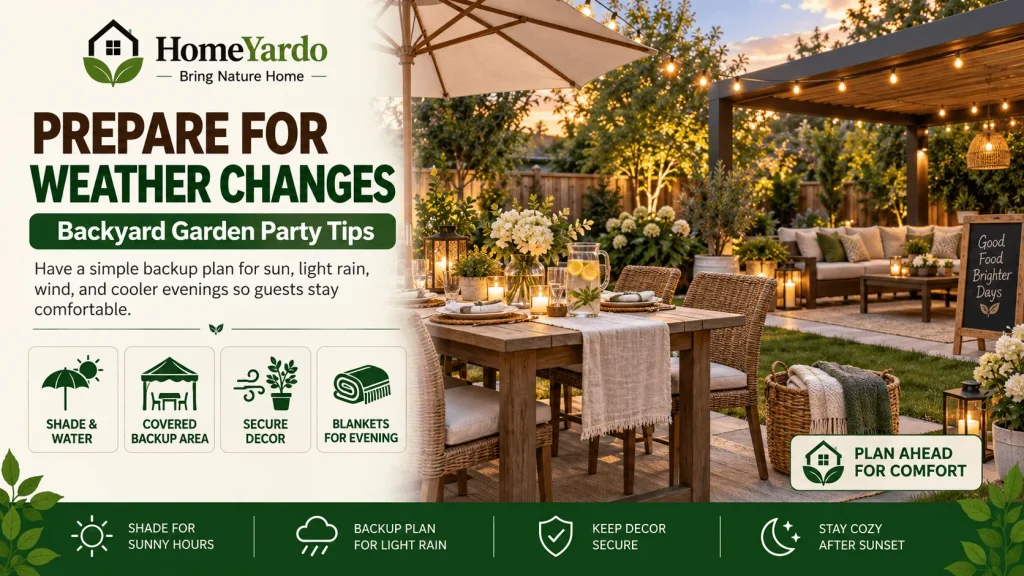
Even when the weather forecast looks favorable, prepare a simple backup plan.
Unexpected rain, stronger winds, excessive sunlight, or falling evening temperatures can affect an outdoor gathering.
Check the forecast when planning your event and again before setting everything up.
How Do You Weatherproof a Backyard Garden Party?
Prepare for the conditions most likely to affect your location.
For sunshine, provide shaded seating and accessible drinking water.
For light rain, identify a suitable covered area and decide which furniture and serving equipment can be moved indoors.
Secure lightweight tablecloths and decorations before guests arrive.
For evening events, consider keeping a few outdoor blankets available if temperatures may become uncomfortable.
Avoid using unsecured umbrellas or temporary canopies during strong winds. Follow the manufacturer’s anchoring and weather instructions.
Do not use a tent, pergola, or temporary canopy as shelter during thunderstorms.
If severe weather is expected, move the gathering indoors or postpone it.
Having a backup plan prevents last-minute confusion and reduces the risk of damaging furniture or equipment.
8. Use Lighting to Define the Space
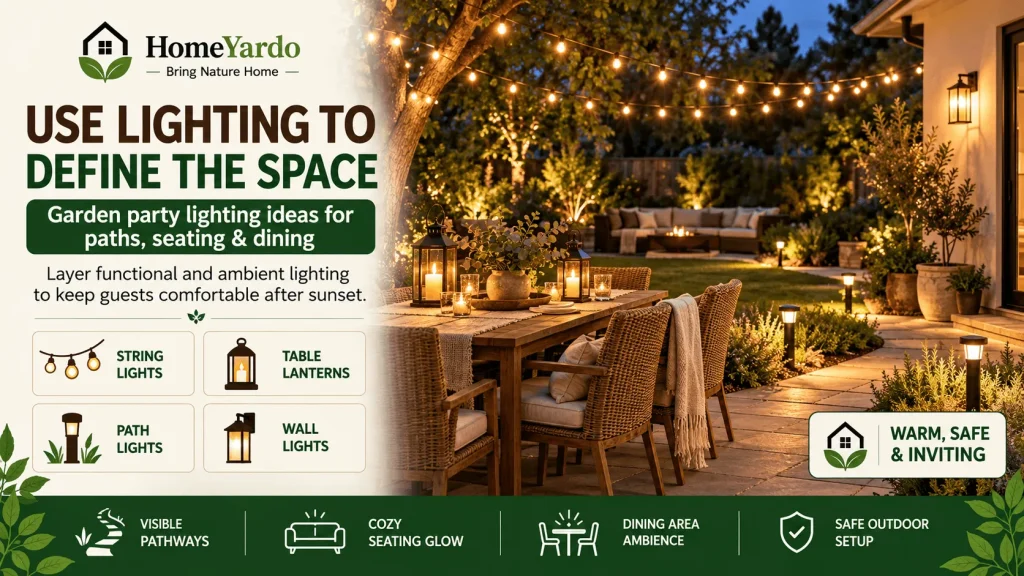
Lighting becomes particularly important when your garden party continues after sunset.
Start with functional lighting around entrances, steps, pathways, and changes in ground level.
Then introduce softer lighting around seating and dining areas.
Best Outdoor Lighting Ideas for a Garden Party
Consider combining several lighting options.
String lights: Suitable for creating general illumination above patios and seating areas when installed safely.
Battery-operated lanterns: Useful for dining tables, side tables, and conversation areas.
Solar pathway lights: Help identify the edges of garden paths, although they may not provide enough light on their own.
Existing outdoor wall lights: Can illuminate entrances and important walking routes.
Avoid pointing bright lights directly at seated guests.
Position lighting to minimize glare while keeping pathways visible.
Use outdoor-rated electrical equipment and follow the manufacturer’s installation instructions.
Keep electrical connections protected from water and prevent cords from creating tripping hazards.
Test the lighting after sunset before the event rather than assuming that everything will be bright enough.
9. Keep Decorations Proportional to the Yard
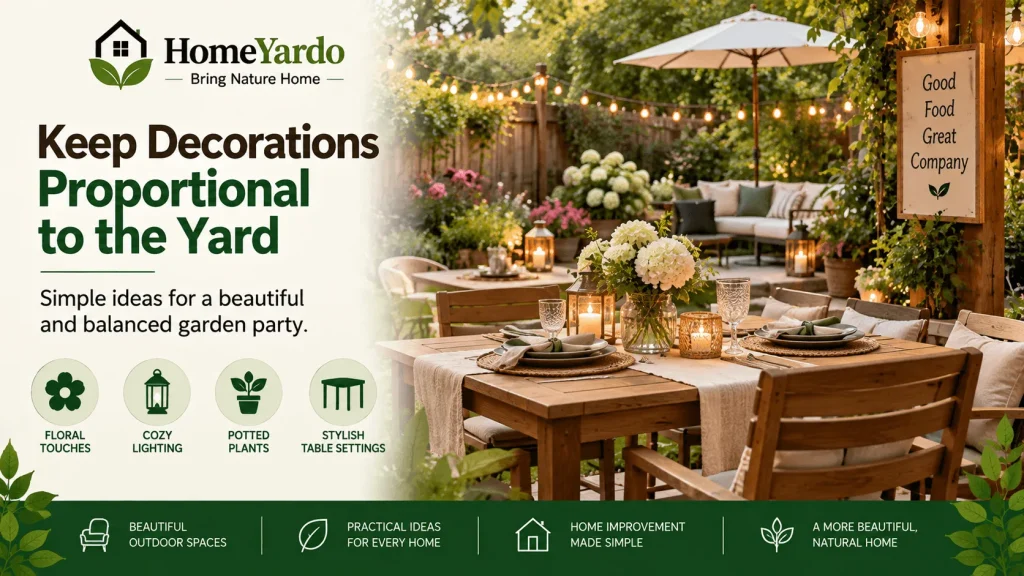
Garden parties already have a natural backdrop, so decorations don’t need to cover every available surface.
Your existing flowers, shrubs, lawn, and garden features can provide much of the visual appeal.
Choose decorations that complement your garden rather than competing with it.
Simple Backyard Garden Party Decoration Ideas
Consider using:
- Small floral arrangements
- Potted plants
- Coordinated tablecloths
- Fabric table runners
- Battery-operated lanterns
- Seasonal flowers
- Reusable outdoor decorations
Limit your color palette to two or three complementary colors for a coordinated appearance.
Keep table centerpieces low enough that seated guests can see one another.
Avoid placing fragile decorations near play areas, narrow pathways, or places where guests will move frequently.
You can also improve the appearance of your existing outdoor space by cleaning garden furniture, trimming overgrown plants, and removing unnecessary clutter.
For more permanent improvements, HomeYardo’s guide to improving your garden’s aesthetic appeal offers ideas for coordinating plants, pathways, outdoor furniture, and decorative features.
Your decorations should support the layout rather than make the space harder to use.
10. Set Up Lawn Activities Away From Dining
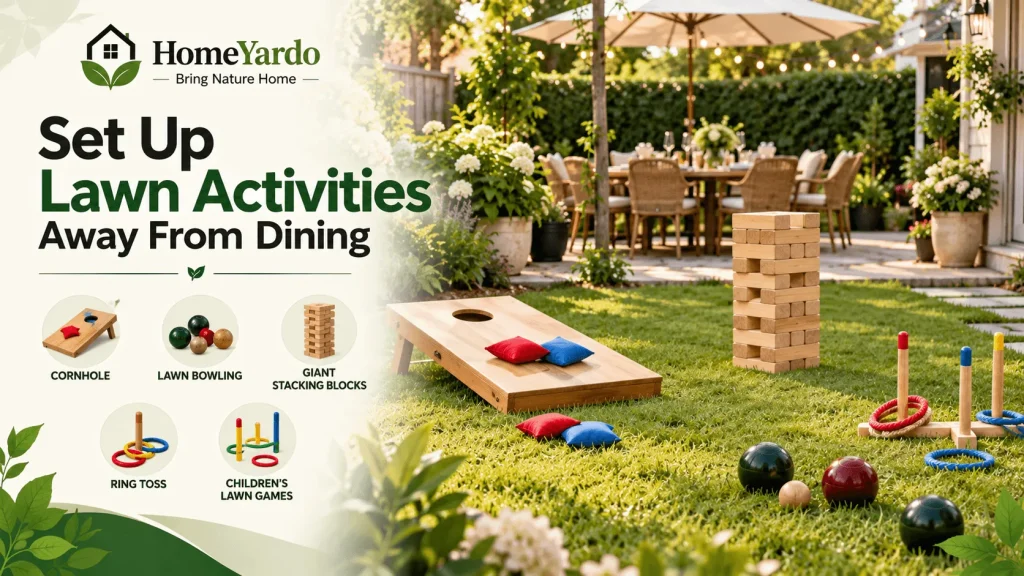
Outdoor games can make your gathering more enjoyable, but they need their own space.
Position activities away from dining tables, refreshments, fragile decorations, and delicate planting areas.
Choose games according to the size and condition of your lawn.
Easy Backyard Activities for Garden Parties
Depending on the space available, consider:
- Cornhole
- Lawn bowling
- Giant stacking blocks
- Ring toss
- Simple children’s lawn games
Allow extra room around each activity.
Players and spectators will often spread beyond the game’s immediate boundaries.
If children are attending, designate an activity area that responsible adults can supervise without games interfering with the main seating space.
Keep active games away from pools, cooking equipment, and other potential hazards.
Don’t overcrowd a small garden with activities. One well-positioned game may be enough.
11. Make Trash and Recycling Easy to Find

Cleaning up becomes much easier when guests can dispose of waste throughout the event.
Place bins where people can find them without having to search.
For larger gatherings, consider setting up a waste station near food service and another close to the main seating area.
Label trash and recycling containers clearly.
Avoid placing bins immediately beside uncovered food or directly next to dining tables.
Line them before the event and keep replacement bags somewhere accessible.
Check the bins periodically, especially during larger gatherings.
If you’re using reusable cups, dishes, or serving equipment, provide a separate collection area so guests know where to leave them.
A well-organized waste station reduces litter and makes cleanup easier after guests leave.
12. Do a Full Walkthrough Before Guests Arrive
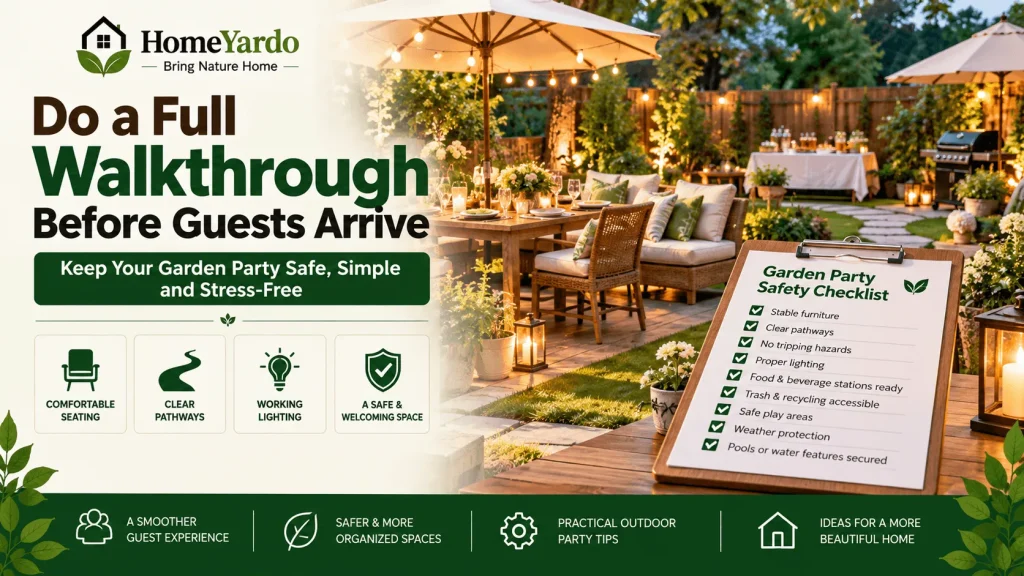
Once your backyard is arranged, walk through the space as though you’re attending the party.
Start at the entrance and follow the route your guests will take.
Check whether the seating, food station, beverages, restrooms, and activity areas are easy to find.
Sit in several chairs to make sure the arrangements feel comfortable.
Walk through the garden and identify anything that might create a problem.
Final Backyard Garden Party Safety Checklist
Before welcoming guests, check the following:
- Outdoor chairs and tables are stable.
- Main pathways are clear.
- Garden hoses and tools are stored safely.
- Electrical cords don’t create tripping hazards.
- Steps and uneven surfaces are visible.
- Temporary shade structures are properly secured.
- Food and beverage stations are ready.
- Trash and recycling containers are accessible.
- Outdoor lighting works correctly.
- Children’s activity areas are appropriately positioned.
- Weather protection is available if needed.
- Any pools, ponds, or other hazards have appropriate safeguards.
Test speakers, lighting, extension cords, and outdoor appliances before the event begins.
If your garden party continues into the evening, repeat the walkthrough after switching on your outdoor lights.
A final inspection helps you identify small problems before guests arrive.
Garden Party Setup Timeline
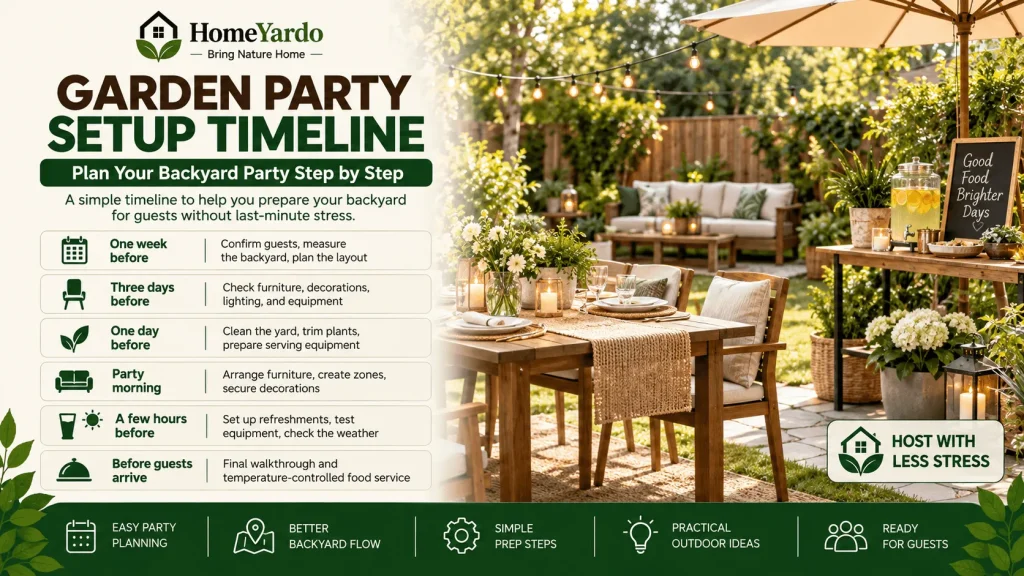
Preparing your backyard becomes easier when you divide the work across several days.
Use the following timeline as a general planning guide.
| When | What to Do |
|---|---|
| One week before | Confirm the guest count, measure the backyard, and plan the layout. |
| Three days before | Check furniture, decorations, lighting, and equipment. |
| One day before | Clean the backyard, trim obstructing plants, and prepare serving equipment. |
| Party morning | Arrange furniture, create activity zones, and secure decorations. |
| A few hours before | Set up refreshments, test equipment, and check the weather. |
| Before guests arrive | Perform a final walkthrough and prepare temperature-controlled food service. |
Adjust the schedule according to the size of your gathering and the amount of preparation required.
For larger events, arrange furniture and complete landscaping tasks early so you aren’t handling everything on the day.
Keep Your Backyard Garden Party Setup Practical
A successful backyard garden party doesn’t require expensive decorations or complicated landscaping.
Start with the practical details: clear pathways, comfortable seating, shade, accessible refreshments, appropriate lighting, and weather protection.
Arrange decorations and activities only after those elements are in place.
By planning your layout and preparing the space ahead of time, you can create an outdoor gathering where guests can comfortably enjoy themselves without constantly asking where to sit, find refreshments, or move between activities.
FAQ’s
Start by measuring your available space and dividing it into seating, dining, refreshment, and activity areas. Arrange furniture, provide shade, prepare food stations, install suitable lighting, and complete a safety inspection before guests arrive.
Use compact furniture, combine dining and conversation areas, and position refreshments along the patio or another convenient edge. Keep the center of the garden relatively open to make movement easier.
For a formal seated meal, provide one chair per guest. Casual gatherings can use a combination of chairs, benches, sofas, and standing areas, although guests who need seating should always have suitable options.
Use existing flowers, potted plants, reusable table decorations, and outdoor furniture. Clean and organize the garden before purchasing decorations. A simple arrangement often works better than filling the space with unnecessary accessories.