How To Keep School Playgrounds And Outdoor Areas Safe
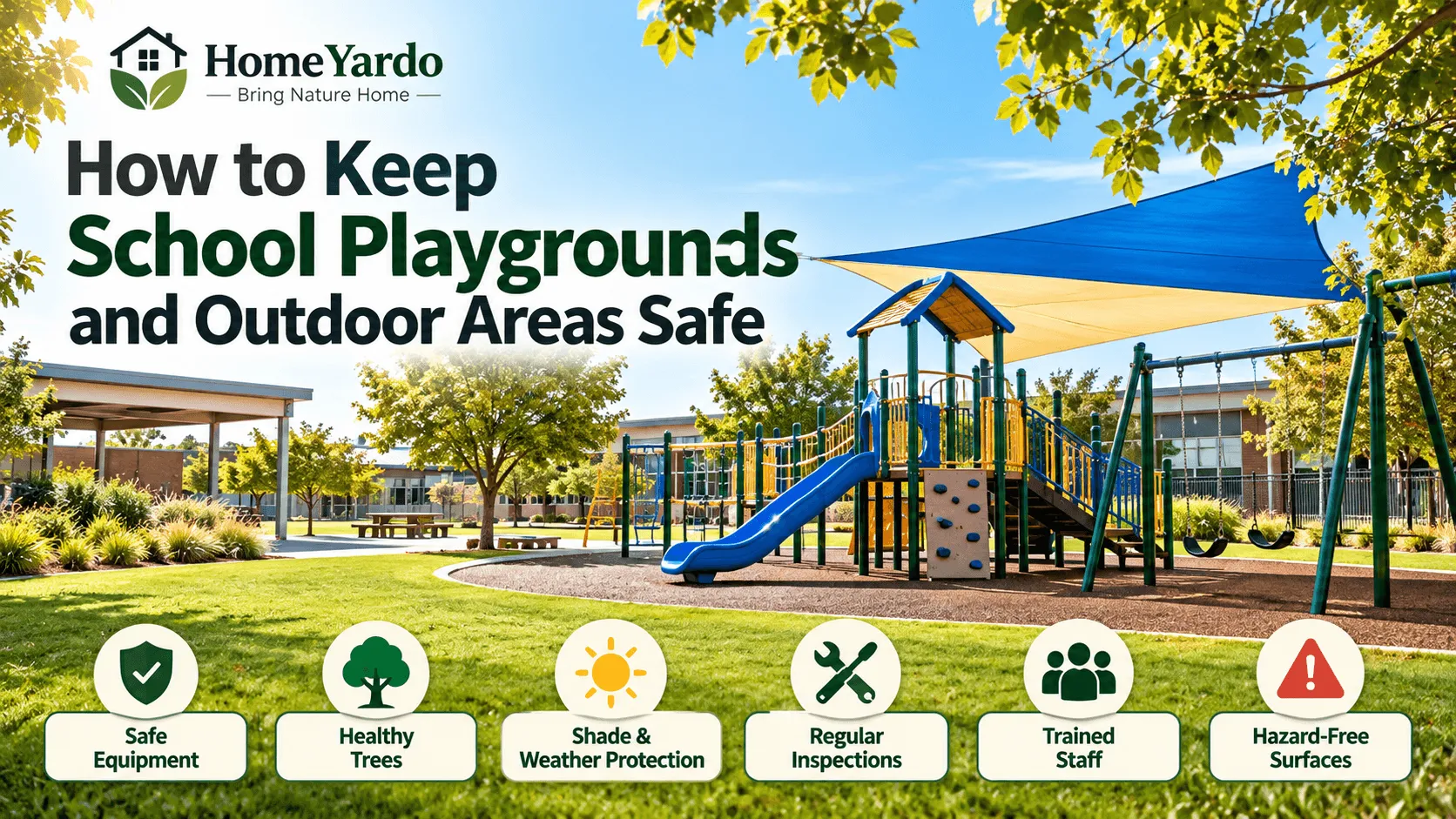
Picture the playground at lunchtime. Squeals of laughter, a footy sailing overhead, someone’s hat stuck in a branch. It’s glorious chaos. Behind that fun sits a real responsibility. Safety isn’t about wrapping kids in cotton wool. It’s about letting them play hard while we quietly manage the risks.
Why Playground Safety Matters
Kids spend a big chunk of their week outdoors. It’s where they build friendships, burn off energy and learn to take healthy risks. A safe space lets all of that happen without anyone holding their breath.
Protecting Kids and the School
A serious injury hurts a child first. It also rattles parents’ trust and can leave a school facing legal headaches. Prevention costs far less than the fallout. Think of safety as the foundations under a house. You rarely notice them, but everything rests on them.
Common Hazards In Outdoor Play Areas
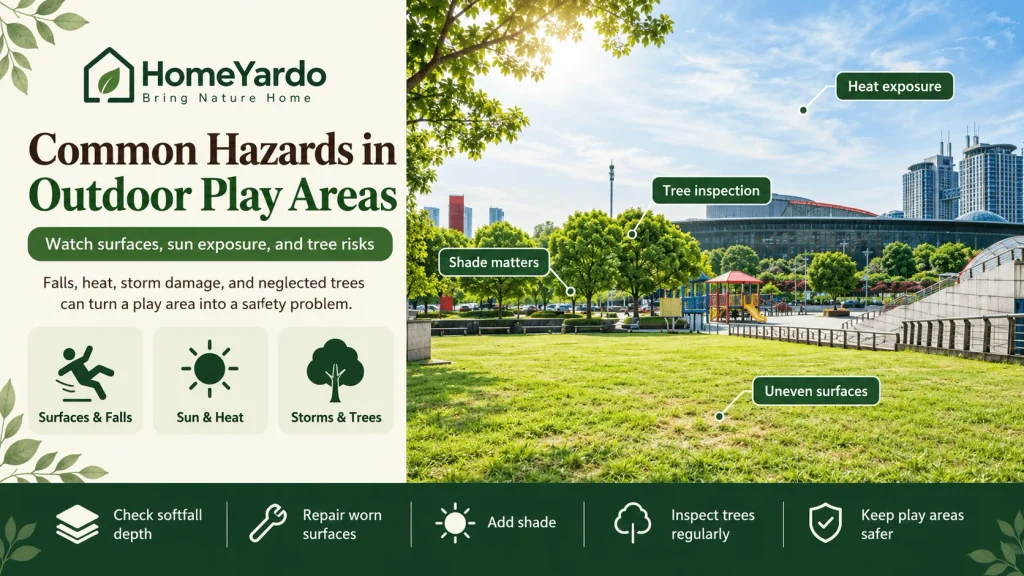
Hazards love to hide in plain sight. Some are obvious, while others sneak up on you.
Surfaces and Falls
Falls cause most playground injuries. Worn softfall, compacted mulch and gaps in rubber matting turn a small tumble into a trip to emergency. Check that surfaces are deep enough and evenly spread under climbing gear and swings.
Sun, Storms and Trees
Australian sun is brutal. Metal slides can scorch little legs, and shade is often scarce. Storms add another worry: falling branches. Regular school tree inspections let a qualified arborist spot dead limbs, rot and unstable roots before they come crashing down. Add shade sails or well-placed trees, and play gets cooler and safer
Maintaining healthy trees around school play areas also means watching for damaged branches, root problems, structural decline, and other changes that may require professional assessment.
Guidelines for Playground Equipment Safety
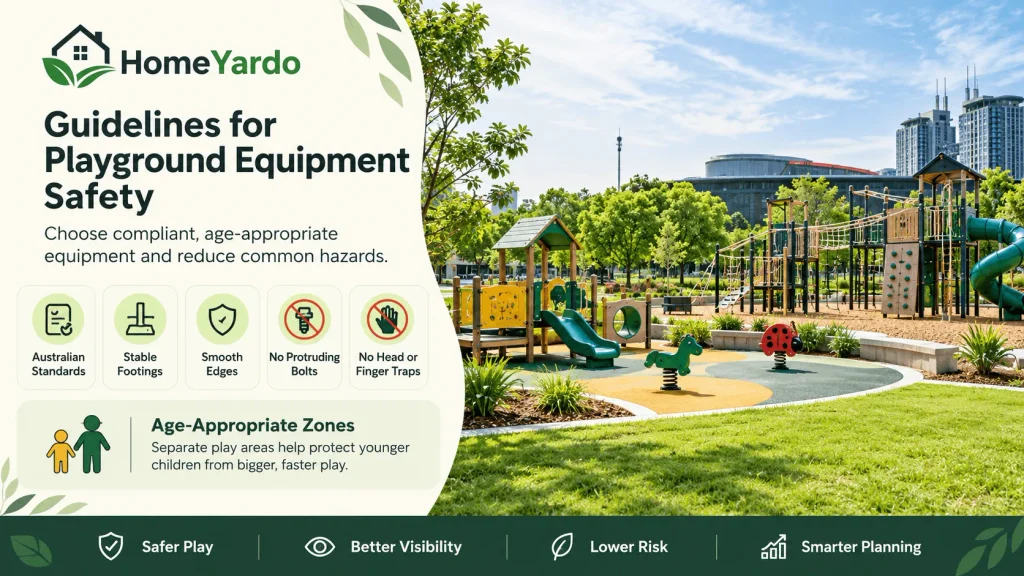
Every piece of equipment should meet the relevant Australian Standards. Look for stable footings, smooth edges and no protruding bolts. Gaps that could trap a head or finger are a definite no.
Age-Appropriate Zones
A Prep student and a Year 6 student need very different challenges. Separate zones keep little ones clear of flying elbows and ambitious leaps.
Regular Maintenance And Inspections
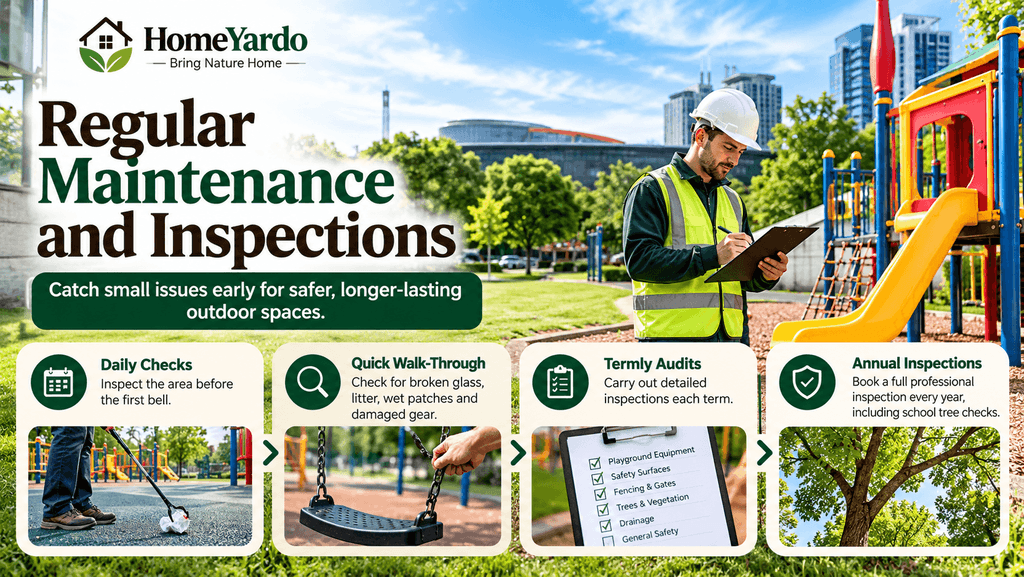
Equipment ages, just like the rest of us. Rust, cracks and loose fittings creep in quietly, so a steady routine catches them early. A broader year-round exterior maintenance routine can also help identify damaged paths, overgrown vegetation, fallen branches, drainage issues, and other outdoor problems before they become harder to manage
Daily Checks
Someone should check the area before the first bell. It takes minutes and prevents plenty of grief.
The Quick Walk-Through
Scan for broken glass, litter, wet patches and damaged gear. Give swing chains and handholds a firm tug. If something looks dodgy, rope it off and report it straight away.
Termly and Annual Audits
Book a detailed audit each term and a full professional inspection every year. Fold school tree inspections into that cycle too, especially after storms or heatwaves. Keep a written log. It proves you’re on top of things.
The Role of Staff Training
Teachers and grounds staff are your eyes and ears. Train them to spot hazards, supervise well and respond calmly. Where should a supervisor stand? Somewhere with a clear line of sight across the whole area. Refresh that training regularly, because good habits fade.
Engaging Students In Safety Practices
Kids are surprisingly good at safety when we treat them as partners. Explain the why behind each rule, not just the what. Appoint student safety captains who report broken gear. When children feel ownership, they look after the space.
Creating A Safe Environment Through Design
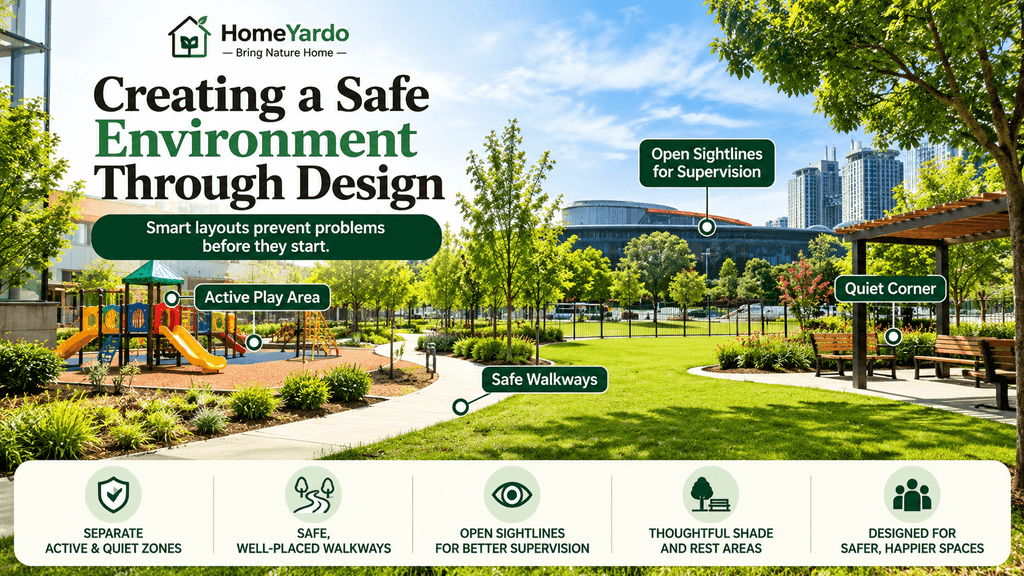
Smart layouts prevent problems before they start. Keep busy walkways away from swings. Place quiet corners thoughtfully. Make sure sightlines stay open so staff can see every nook. Good design works like a quiet bodyguard, always on duty.
The same principle used when designing an outdoor space around how it will be used applies to school grounds, where active play, quiet areas, pathways, shade, and supervision zones should work together.
Fencing And Access Control
Secure fencing keeps kids in and strangers out. Gates should self-close and latch above little hands’ reach. Pay extra attention to boundaries near roads and car parks. Who comes and goes matters just as much as what’s on the playground.
Emergency Procedures and First Aid Readiness
Even the best plans can’t stop every scrape. Make sure staff know the emergency procedure, evacuation points and who calls triple zero. Stock first aid kits near play areas and check them often. Ensure several staff hold current first aid certificates.
Conclusion
A safe playground doesn’t happen by accident. It comes from good equipment, regular checks, trained staff, smart design and kids who care. Start with one small step this week, whether that’s a daily walk-through or booking an overdue audit. Little actions add up, and a safer school is a happier one.
FAQ’s
Common concerns include deteriorated equipment, unsuitable or damaged impact surfacing, trip hazards, broken fencing, poor drainage, fallen branches, excessive surface heat, obstructed sightlines, and debris or contamination.
Inspection frequency depends on the type of inspection, equipment, usage, environment, manufacturer guidance, applicable Australian Standards, and school policy. AS 4685.0 provides guidance on inspection and maintenance requirements for playgrounds.