How To Choose Exterior Features That Complement Your Home
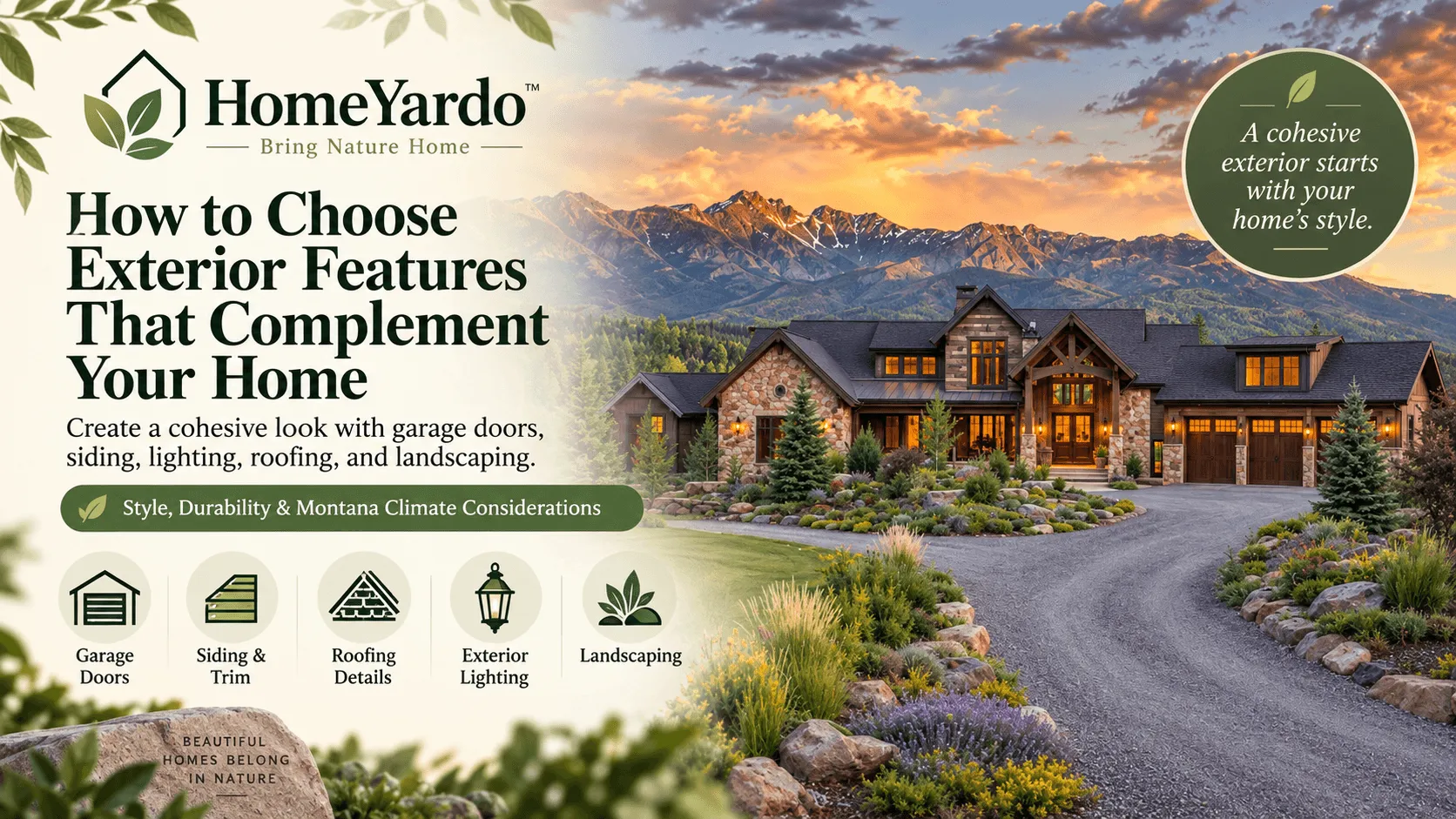
Choosing the right exterior home features can make a noticeable difference in how your house looks and feels. From garage doors and siding to lighting and landscaping, every detail should complement your home’s architectural style.
However, a feature that looks beautiful on another property may not suit yours. The goal is to create a consistent appearance while choosing materials that handle your local weather.
For Montana homeowners, this means balancing architectural design with practical considerations such as snow, temperature changes, wind, and maintenance.
Here is how to select exterior features that work together without compromising durability or functionality.
Identify Your Home’s Architectural Style First
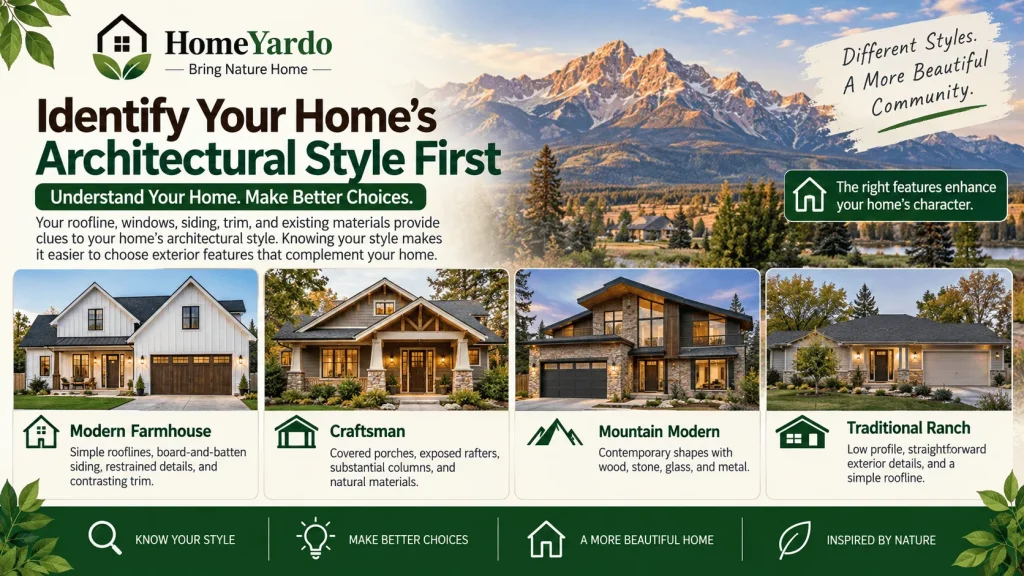
Before choosing new exterior features, identify your home’s architectural style. Its roofline, windows, siding, trim, and existing materials provide useful clues.
Understanding these details makes it easier to select garage doors, lighting fixtures, and landscaping that complement the building rather than compete with it.
Common Architectural Styles Found in the Belgrade Area
Several architectural styles are commonly associated with residential design in Montana.
- Modern farmhouse: Features simple rooflines, board-and-batten siding, restrained decorative details, and contrasting trim.
- Craftsman: Often includes covered porches, exposed rafters, substantial columns, and natural materials.
- Mountain modern: Combines contemporary shapes with materials such as wood, stone, glass, and metal.
- Traditional ranch: Typically features a low profile, straightforward exterior details, and a relatively simple roofline.
These styles are useful starting points, but your home may combine elements from more than one.
Identify its dominant architectural characteristics before making significant exterior changes.
Match Your Garage Door Style to Your Home’s Architecture
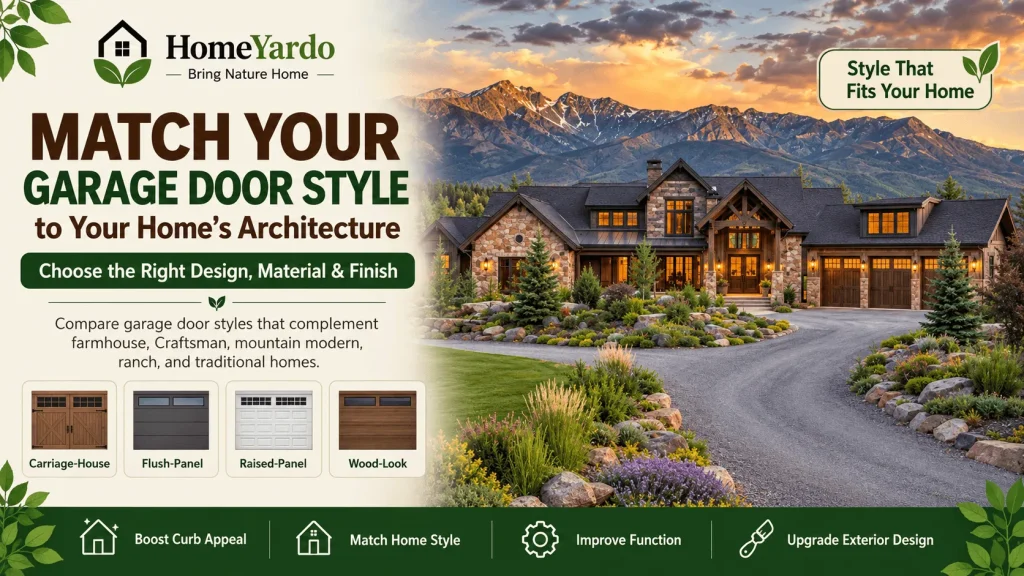
Garage doors are often among the largest visible features on a home’s exterior. Their appearance can influence how the entire property looks from the street.
Selecting a suitable design involves more than choosing a color. Consider panel patterns, windows, hardware, materials, and proportions.
Garage Door Styles and the Architecture They Fit Best
Different garage door designs complement different architectural styles.
| Garage Door Style | Suitable Home Styles | Design Characteristics |
|---|---|---|
| Carriage-house doors | Farmhouse and Craftsman | Traditional appearance, decorative hardware, and optional windows |
| Flush-panel doors | Mountain modern and Contemporary | Clean surfaces and minimal detailing |
| Raised-panel doors | Traditional and Ranch | Familiar panel patterns and understated styling |
| Wood-look doors | Craftsman and Mountain modern | Natural appearance and warm finishes |
When selecting a garage door, consider how its color and design relate to nearby windows, entry doors, and exterior trim.
A contrasting garage door can work particularly well when the same accent color appears elsewhere on the building.
When Should You Replace an Existing Garage Door?
A poorly functioning garage door may require more than cosmetic improvements.
Consider replacement when the existing door has extensive damage, persistent mechanical problems, or insufficient insulation for your needs.
A professional garage door installation may also provide an opportunity to select a design that complements your home’s architecture while improving everyday functionality.
However, repainting or replacing decorative hardware may be sufficient when the existing door remains structurally sound and operates correctly.
Choose Siding and Trim Colors That Work Together
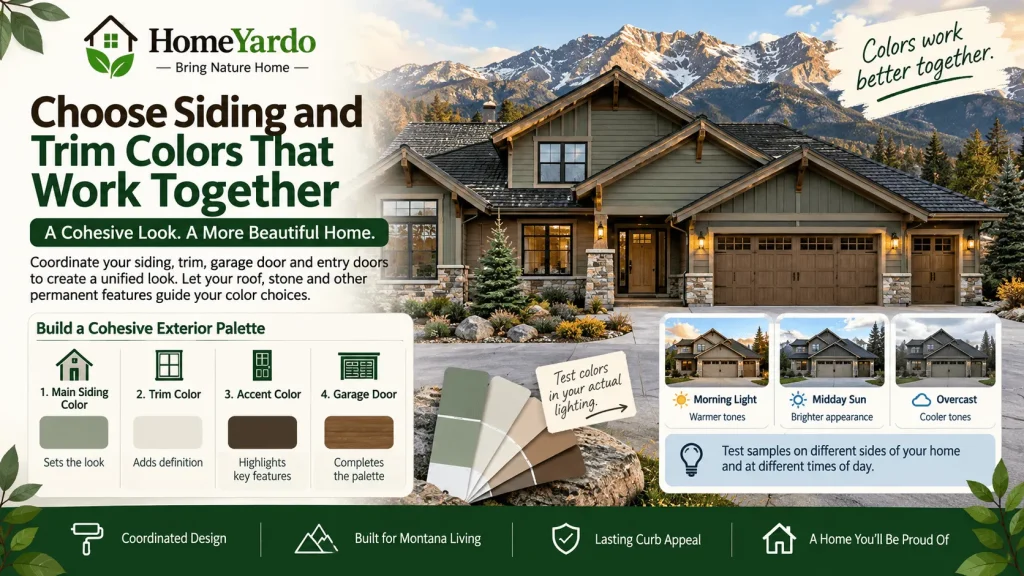
The right exterior color combination helps connect individual architectural features.
Rather than choosing siding, trim, and garage door colors independently, consider how they will appear together.
Your roof, existing stonework, and other permanent materials should influence the final color palette.
Choosing a Cohesive Exterior Color Palette
Start by identifying the colors that cannot easily be changed, such as your existing roof or natural stone.
Use these elements to guide your other choices.
A practical approach includes:
- Selecting one dominant siding color.
- Choosing a complementary trim color.
- Using an accent color for selected features.
- Considering how your garage and entry doors relate to the overall palette.
Restricting the design to a few coordinated colors often creates a more consistent appearance.
However, you do not need to match every exterior feature exactly.
Test Exterior Colors Before Making a Final Decision
Montana’s changing light conditions can influence how exterior paint and finishes appear.
Test samples on different sides of the house and observe them throughout the day.
Pay attention to how each color looks in direct sunlight, shade, and overcast conditions.
This simple step can help prevent expensive color-selection mistakes.
Pick Roofing and Trim Details That Reinforce the Style
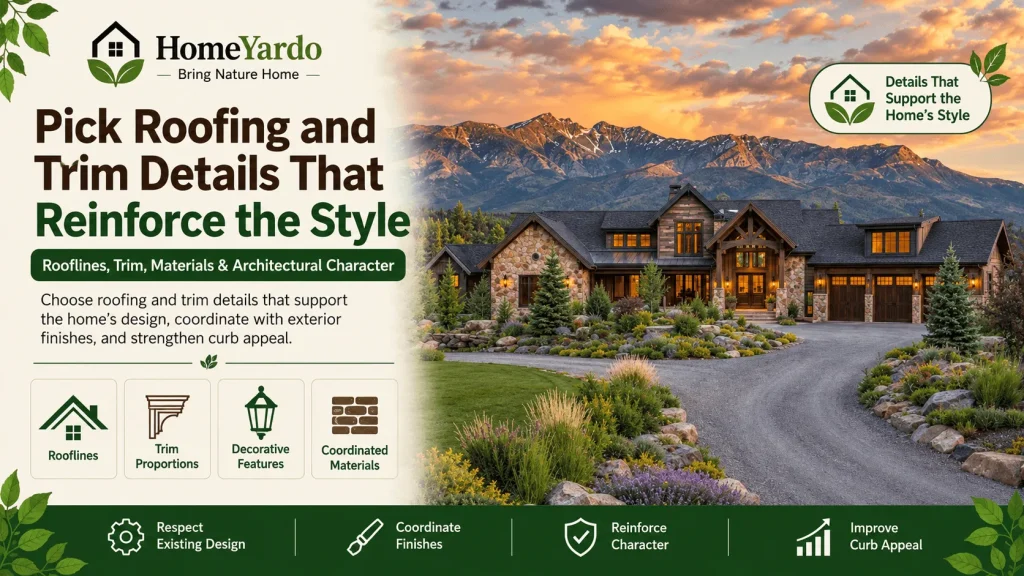
Roofing and trim contribute significantly to a home’s architectural character.
Their proportions, materials, and finishes should support the existing design.
Although replacing an entire roof for appearance alone is rarely necessary, roofing decisions become relevant during renovations and replacements.
Trim and Roofing Choices Worth Paying Attention To
Consider these architectural details:
- Rooflines: Existing roof shapes help establish architectural character. New extensions should generally respect the original design.
- Trim proportions: Substantial trim can complement farmhouse and Craftsman homes, while narrower profiles may suit contemporary designs.
- Decorative features: Exposed rafters and beams can reinforce traditional Craftsman or mountain-inspired architecture.
- Materials: Roofing and trim finishes should coordinate with the exterior’s dominant colors and textures.
Avoid making structural roofing changes purely for appearance without professional guidance.
The priority should be selecting suitable finishes and compatible architectural details.
Choose Exterior Lighting That Fits The Era And Style
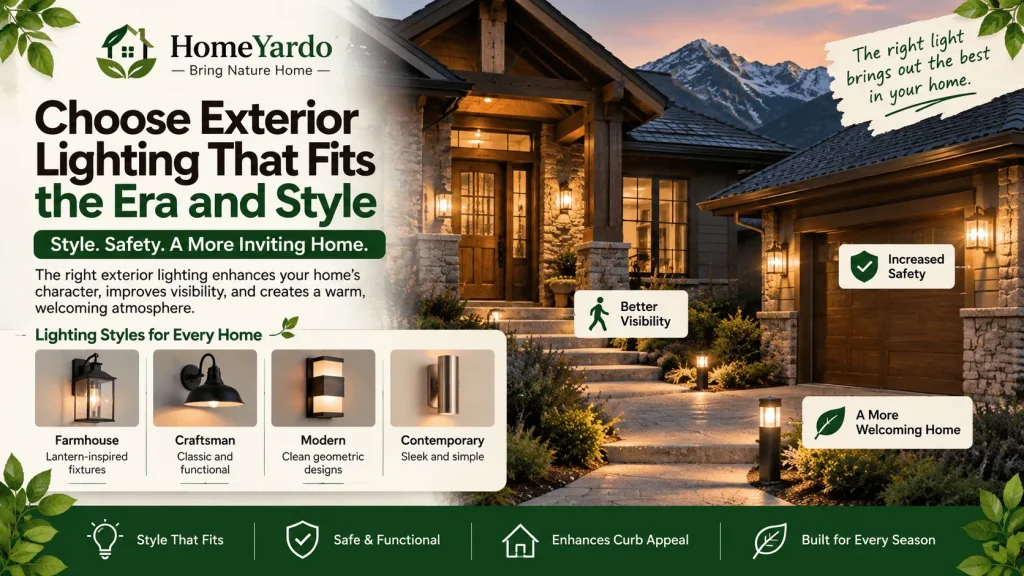
Exterior lighting should improve visibility and complement your home’s architecture.
Fixtures that are too large, too small, or stylistically inconsistent can distract from an otherwise coordinated exterior.
Consider fixture shape, mounting location, finish, and illumination.
Matching Lighting Fixtures to Your Home’s Style
Different lighting designs work with different architectural styles.
- Lantern-inspired fixtures can complement farmhouse and traditional Craftsman homes.
- Simple geometric fixtures often suit modern and contemporary exteriors.
- Black, bronze, and brushed-metal finishes can coordinate with door hardware and exterior accents.
- Appropriately sized fixtures help maintain visual balance around entryways and garage doors.
Consider matching finishes across several exterior features without making everything identical.
Balance Appearance With Practical Lighting Needs
Exterior lighting should support safety and everyday use.
Illuminate entrances, garage access points, stairs, and frequently used walkways.
Choose fixtures rated for their installation location and weather exposure.
Where appropriate, consider downward-directed lighting to limit glare and unnecessary illumination.
For electrical installation or modifications, use a suitably qualified professional.
Select Landscaping That Complements Rather Than Competes
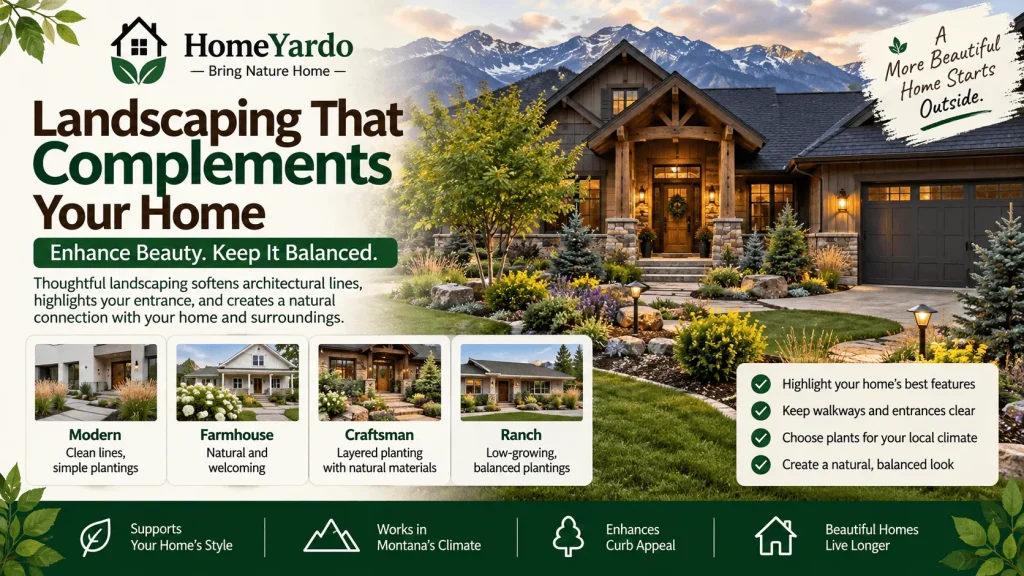
Landscaping helps connect your home to its surroundings.
Thoughtful planting can soften architectural lines, highlight entrances, and coordinate natural materials such as stone and timber.
However, landscaping should not obscure architectural features or interfere with access.
Montana homeowners must also account for local growing conditions, including winter temperatures, moisture availability, and seasonal sunlight.
Landscaping Choices That Support Your Home’s Style
Choose plants and landscaping materials that complement your home’s existing architecture.
Consider the following approaches:
- Modern homes: Simple planting arrangements, defined borders, and restrained material combinations.
- Farmhouse homes: Natural-looking planting beds and a mixture of complementary shrubs, flowers, and grasses.
- Craftsman homes: Layered planting that works with natural stone, timber, and established landscape features.
- Ranch homes: Low-growing shrubs and planting arrangements that complement the building’s horizontal proportions.
Select plants according to their mature size, soil requirements, sunlight exposure, and suitability for your local climate.
Native plants may be useful options, but suitability should always be assessed for the individual property.
Keep Your Home’s Main Features Visible
Avoid planting large shrubs directly in front of important architectural details.
Maintain appropriate clearance around garage doors, walkways, windows, and entrances.
Where your home includes stone or brick, consider incorporating related materials into garden borders or pathways.
The aim is to create a visual connection between the house and landscape without excessive decoration.
Choose Materials That Handle Montana’s Climate
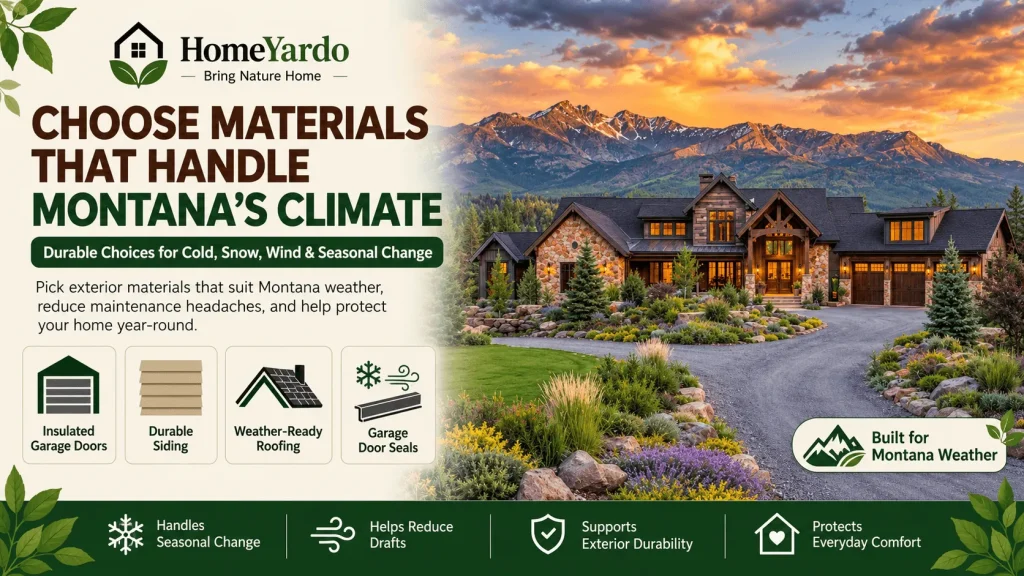
Exterior design decisions should account for local weather conditions.
Belgrade and other Montana communities experience cold winters, snow, wind, and considerable seasonal temperature changes.
Materials that perform well in mild climates may require different specifications or maintenance practices in Montana.
Material Considerations for Montana’s Climate
Garage doors
Consider insulated garage doors when temperature control is important, particularly where the garage is attached to the house.
Check weather seals and choose door systems with appropriate wind-resistance specifications.
Siding
Fiber cement and suitably specified engineered wood are potential options.
Compare manufacturer installation requirements, moisture resistance, maintenance needs, and warranty coverage before selecting a product.
Neither material should be assumed to outperform every alternative under all conditions.
Roofing
Metal roofing and asphalt shingles can both be suitable, depending on the building and installation.
Some metal roofing systems allow snow to slide off more readily, which can create hazards near entrances and walkways. Appropriate snow-retention measures may therefore be necessary.
Exterior hardware
Select fixtures, fasteners, and hardware designed for outdoor exposure.
Corrosion resistance and manufacturer temperature specifications deserve attention.
Don’t Overlook Garage Door Weather Protection
Garage doors can develop gaps around their bottom edges, sides, and upper frames.
Damaged weather seals may allow drafts, dust, moisture, and insects to enter.
Inspect these components periodically and replace deteriorated seals when necessary.
Professional assistance may be needed when gaps result from door alignment problems rather than worn seals. Proper sealing is especially important during Montana’s cold winters. Installing or replacing garage door weather stripping can help reduce drafts, limit moisture intrusion, and protect your garage from outdoor conditions. Check the bottom seal and the weatherstripping around the door regularly to identify signs of damage.
Avoid Mixing Too Many Styles At Once
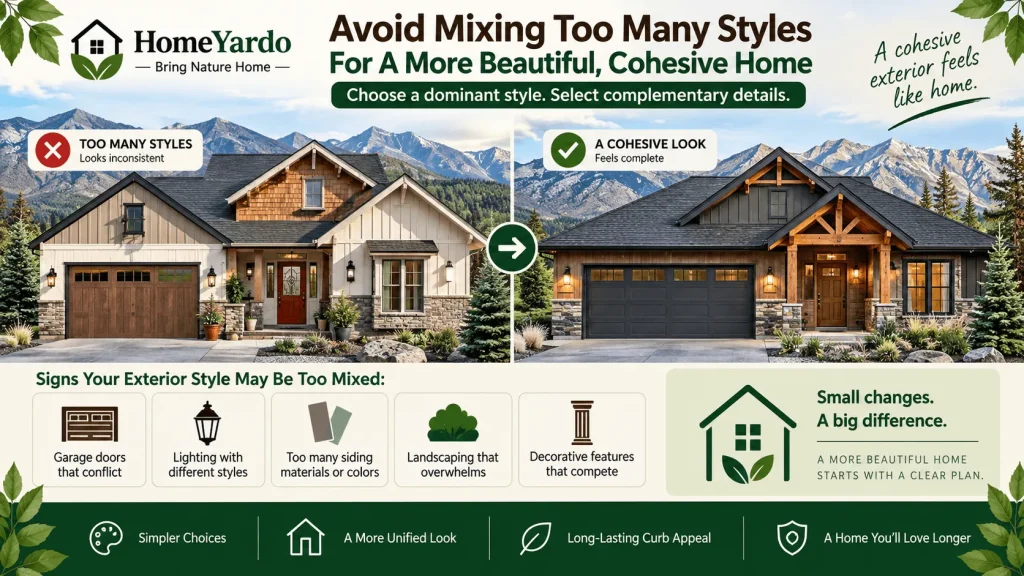
Combining architectural styles is not necessarily a problem.
However, adding unrelated exterior features without an overall design plan can create an inconsistent appearance.
The solution is to establish a dominant design direction and select complementary materials.
Signs Your Exterior Style Is Becoming Too Mixed
Review your exterior if you notice:
- Garage doors that conflict with the home’s architectural character.
- Lighting fixtures with noticeably different design styles.
- Too many unrelated siding materials or accent colors.
- Landscaping that overwhelms the building.
- Decorative features that compete for attention.
These issues do not always require extensive renovations.
Sometimes, changing one prominent feature or simplifying a color palette is enough to improve visual consistency.
Plan Exterior Improvements Before Making Major Changes
Before purchasing new exterior features, evaluate the entire property.
A coordinated plan helps prevent situations where one improvement creates additional work elsewhere.
Start by identifying which existing architectural features you want to preserve.
Then decide which areas require cosmetic updates and which need functional improvements.
Create a Simple Exterior Improvement Plan
Consider the following questions:
- Which architectural style best describes your home?
- Which existing materials and colors must remain?
- Is your garage door consistent with the overall design?
- Which exterior features require repair or replacement?
- Are your preferred materials suitable for Montana’s weather?
- What is your available project budget?
Photograph the front and sides of the house before selecting materials.
You can also compare material samples and paint colors alongside existing exterior finishes.
For major projects, confirm relevant permit requirements, installation specifications, and contractor qualifications before work begins. Before making major exterior changes, consider how each improvement fits into your overall renovation budget. A thoughtful approach to home improvement planning can help you prioritize essential repairs, choose complementary materials, and avoid spending money on upgrades that may need to be changed later.
Maintain Consistency Once You’ve Set the Look
An attractive exterior requires ongoing maintenance.
Painted surfaces fade, hardware deteriorates, landscaping grows, and mechanical components experience wear.
Regular inspections help you maintain your original design without making unnecessary replacements.
Keeping Your Exterior Style Consistent Over Time
Develop a straightforward exterior maintenance routine.
- Inspect siding and trim for visible deterioration.
- Keep garage door surfaces clean and check for operational problems.
- Replace damaged exterior lighting fixtures when necessary.
- Maintain landscaping so entrances and architectural features remain visible.
- Review your original material and color choices before adding new features.
If your garage door no longer complements the property or has persistent mechanical problems, consider seeking professional guidance.
A garage door company in Belgrade, MT can help homeowners explore different garage door styles, materials, and installation requirements.
A Cohesive Exterior Starts With Understanding Your Home’s Style
Choosing exterior features becomes easier when every decision supports your home’s existing architecture.
Garage doors, siding, lighting, roofing, and landscaping should complement one another while meeting practical requirements.
For Montana homeowners, material durability and weather resistance deserve as much consideration as appearance.
Start with your home’s dominant architectural style, identify the improvements that matter most, and establish a consistent design direction before purchasing materials.
If your garage door needs attention, Bailey Garage Doors offers installation and repair services. Contact the company to discuss suitable options or inquire about garage door repair in Belgrade, MT, and confirm service availability for your location.
FAQ’s
Garage doors, siding colors, entry doors, exterior lighting, roofing, and landscaping can all influence curb appeal. The visual impact of each feature depends on its size, location, and relationship to the home’s architectural style.
Start by identifying your home’s architectural style and existing materials. Select colors, fixtures, and decorative elements that complement these features. Consider proportions, weather resistance, and maintenance requirements before making purchases.
Your garage door does not need to match your front door exactly. However, coordinating their colors, finishes, or design details can help create a more consistent exterior appearance.
Flush-panel doors, simple window arrangements, and restrained decorative details often complement modern architecture. The most suitable option depends on the home’s proportions, exterior materials, and overall design.