Top Landscaping Trends To Transform Your Outdoor Space
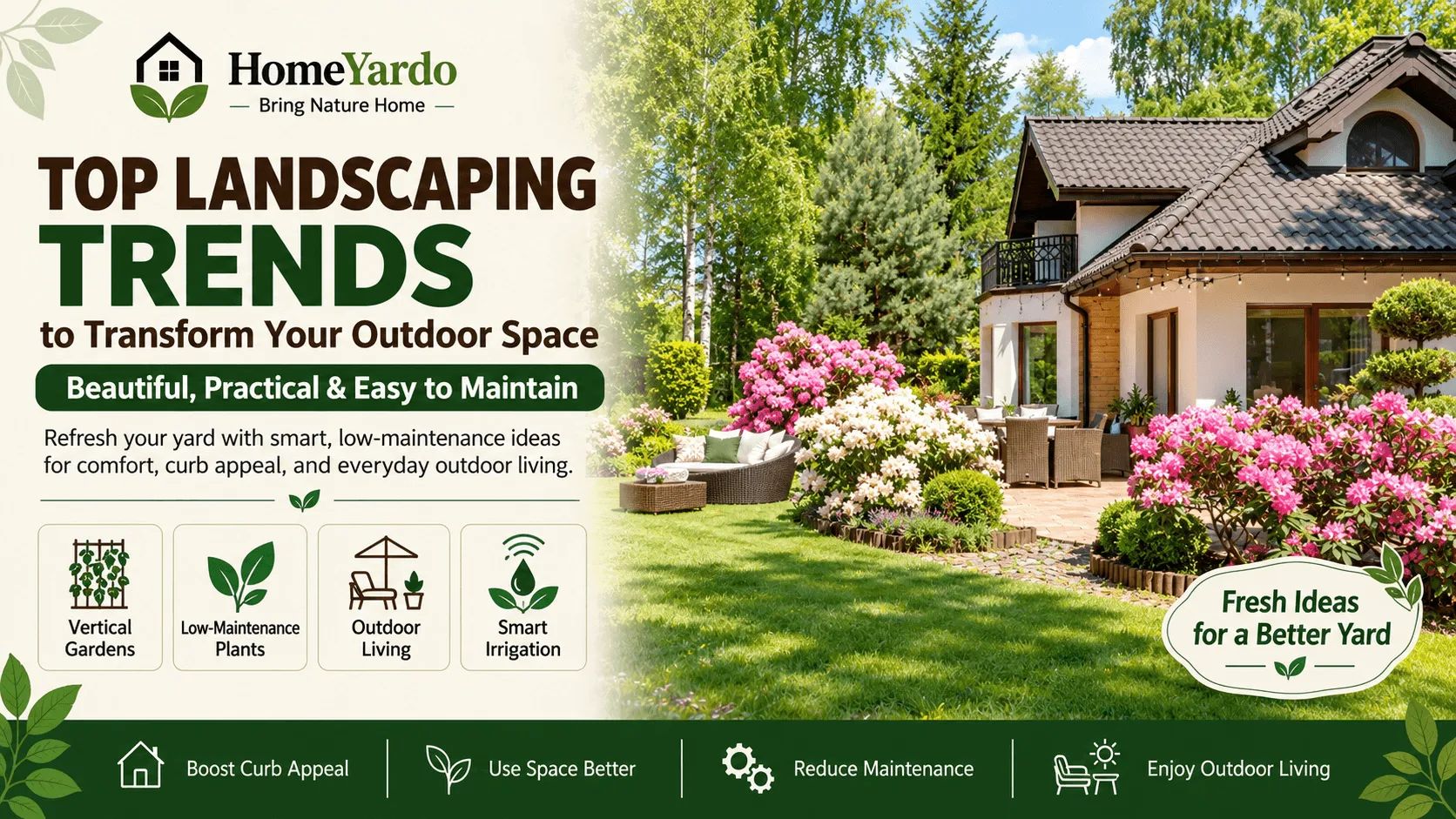
A beautiful yard doesn’t have to require expensive renovations or hours of weekly maintenance. Today’s landscaping trends focus on creating attractive, comfortable, and practical outdoor spaces that suit different budgets and lifestyles.
From vertical gardens and drought-tolerant plants to smart irrigation and outdoor entertainment areas, homeowners have plenty of ways to refresh their yards.
The trick is choosing improvements that suit your available space, local climate, and maintenance preferences. Here are some popular landscaping ideas that can help transform your outdoor space without making it harder to maintain.
1. Vertical Gardens for Small Outdoor Spaces
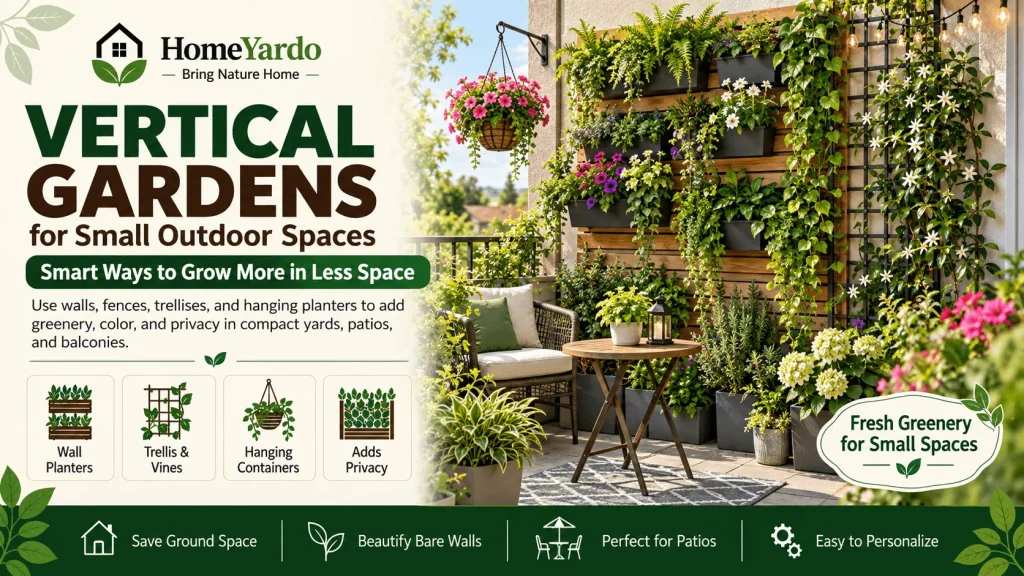
Vertical gardens are a creative way to introduce greenery when ground space is limited. Instead of planting everything in traditional garden beds, homeowners can use walls, fences, trellises, and hanging containers to grow different plants vertically.
This approach works particularly well for small backyards, patios, balconies, and narrow garden areas.
Climbing vines, trailing plants, herbs, and compact flowering varieties can transform an ordinary fence into an attractive garden feature.
Vertical gardens can also provide additional privacy and soften the appearance of outdoor walls.
Choose plants according to sunlight, watering requirements, and available growing space. Wall-mounted containers need adequate drainage and secure supports, particularly when filled with wet soil.
For an easier gardening experience, combine plants with similar watering needs.
2. Low-Maintenance Plants and Native Landscaping
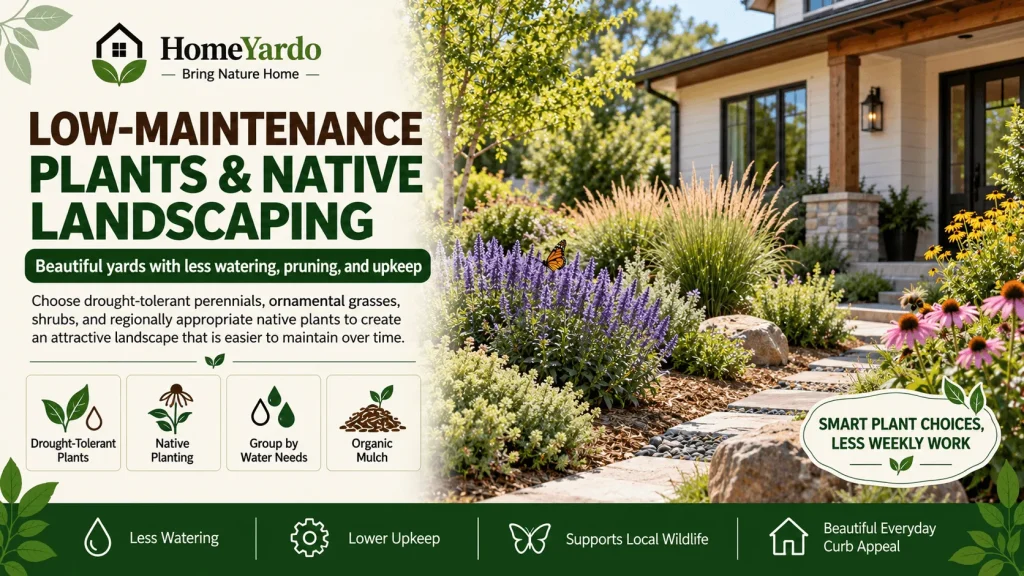
Low-maintenance landscaping remains a popular choice for homeowners who want attractive gardens without spending every weekend watering, pruning, and weeding.
The idea is to select plants that naturally suit the growing conditions rather than constantly adjusting the garden to accommodate demanding varieties.
Drought-tolerant perennials, ornamental grasses, suitable shrubs, and locally native plants can help reduce ongoing maintenance.
Lavender, salvia, and certain ornamental grasses are popular options in suitable climates. However, plant selection should always reflect local temperatures, rainfall, soil conditions, and sunlight.
Native landscaping offers another practical approach. Regionally appropriate native plants can support local wildlife and often require less supplemental watering once established.
Group plants with similar water requirements together and apply suitable organic mulch to help retain soil moisture.
Remember that even drought-tolerant plants require regular attention while establishing their roots.
3. Outdoor Living Spaces For Relaxation and Entertainment
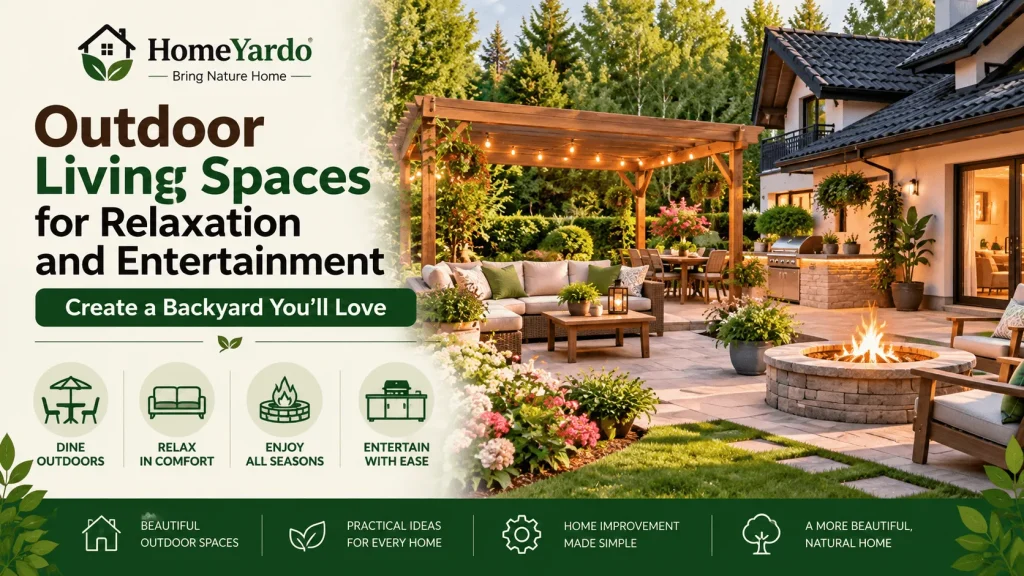
Modern landscaping increasingly treats the backyard as an extension of the home.
Rather than using outdoor areas exclusively for lawns and flower beds, homeowners are creating dedicated spaces for dining, entertaining, and relaxation.
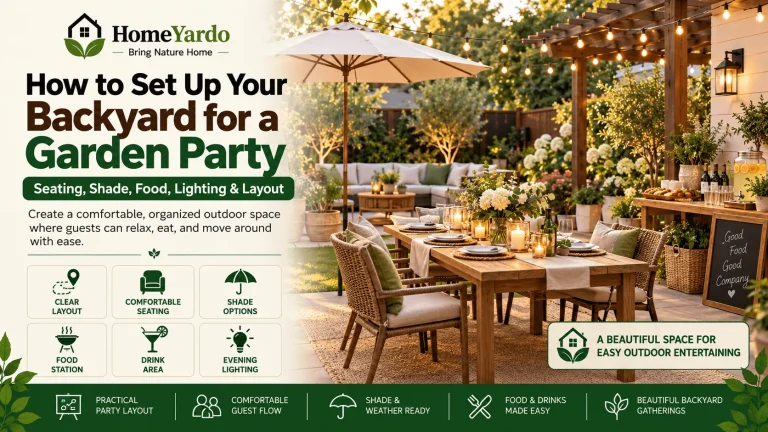
Comfortable seating, pergolas, patios, fire pits, and outdoor kitchens can make a backyard more functional.
A small patio with weather-resistant furniture may be enough to create a welcoming outdoor retreat. Larger properties can accommodate separate dining, lounging, and recreational areas.
Consider sunlight, shade, drainage, and accessibility before installing permanent features.
Place frequently used seating areas near convenient entrances and use suitable plants to create natural boundaries between different outdoor spaces.
For fire pits and outdoor kitchens, follow local regulations and manufacturer requirements concerning installation, ventilation, and clearance from combustible materials.
Thoughtful planning can make these outdoor living improvements enjoyable throughout more of the year.
4. Smart Irrigation Systems for Efficient Watering
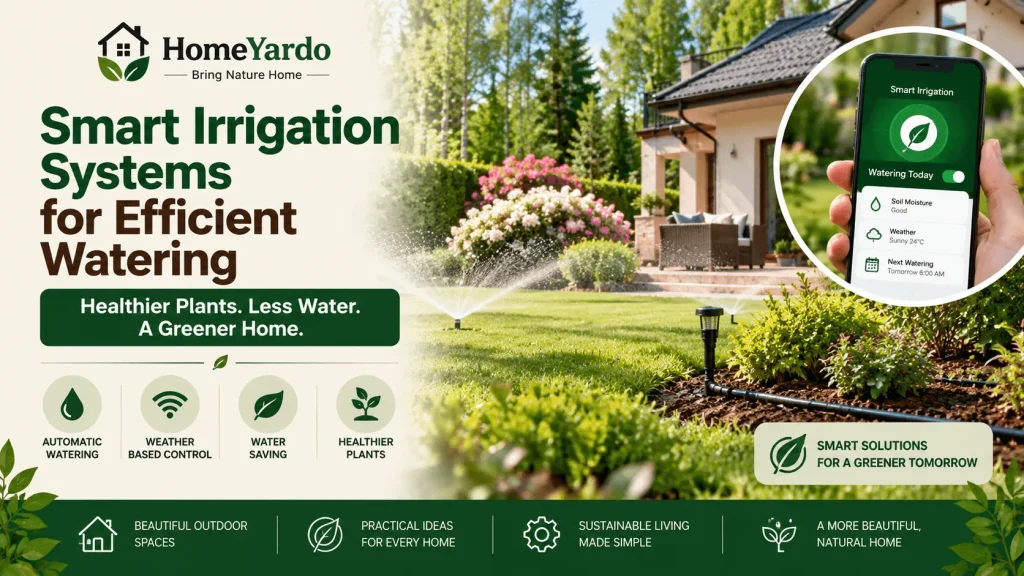
Smart irrigation is changing how homeowners manage outdoor watering.
Traditional irrigation systems often operate according to fixed schedules, regardless of rainfall or changing soil conditions.
Smart irrigation controllers can adjust watering schedules using weather information, soil moisture readings, or programmed seasonal settings.
Some systems also allow homeowners to monitor and adjust watering through smartphone applications.
These features can help prevent unnecessary watering and make routine garden maintenance more convenient.
Drip irrigation offers another practical option, particularly for flower beds, shrubs, and vegetable gardens. It delivers water close to plant roots rather than spraying surrounding surfaces.
However, even smart systems need proper installation, regular inspection, and suitable programming.
Check irrigation equipment periodically for leaks, blocked emitters, and incorrectly positioned sprinklers.
Choosing appropriate irrigation equipment helps support healthy plants while reducing unnecessary water use.
5. Eco-Friendly Materials and Sustainable Landscaping
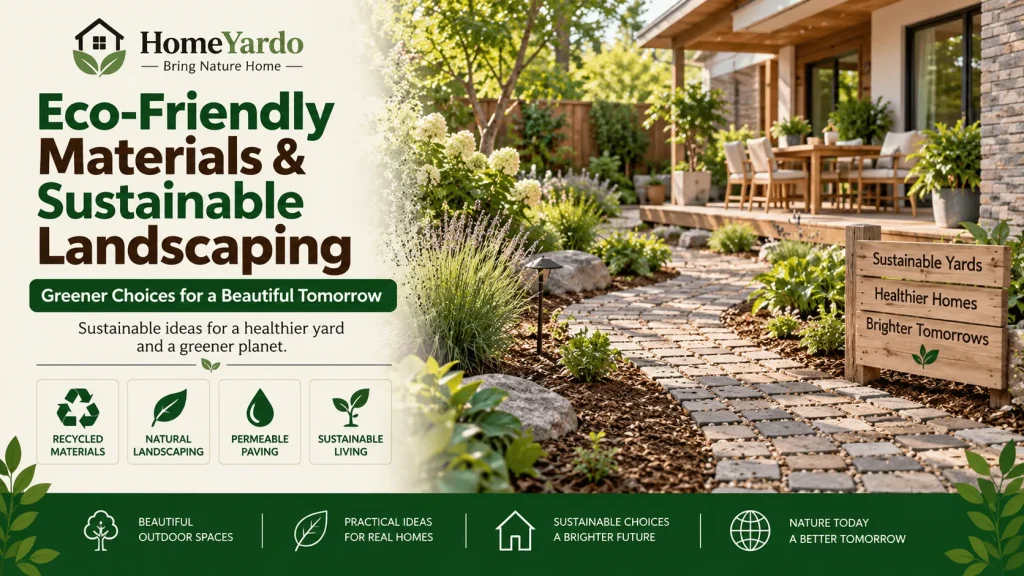
Sustainable landscaping focuses on choosing materials and design features that reduce unnecessary waste, conserve resources, and remain practical over time.
Homeowners are increasingly exploring recycled materials, responsibly sourced timber, permeable paving, and natural landscaping features.
Reclaimed bricks and suitable recycled paving materials can add character to garden pathways and patios.
Permeable surfaces may help manage rainwater by allowing water to pass through the paving system when installed over an appropriately designed base.
Organic mulch can also support soil moisture retention and improve the appearance of planting beds.
However, not every material marketed as environmentally friendly is suitable for every garden.
Compare products based on their sourcing, durability, drainage performance, maintenance requirements, and suitability for the intended location.
Avoid assuming that recycled products are automatically safer for pets or better for the environment.
Combining durable materials with climate-appropriate plants can create an outdoor space that looks attractive while making more responsible use of resources.
6. Professional Landscaping and Maintenance Services
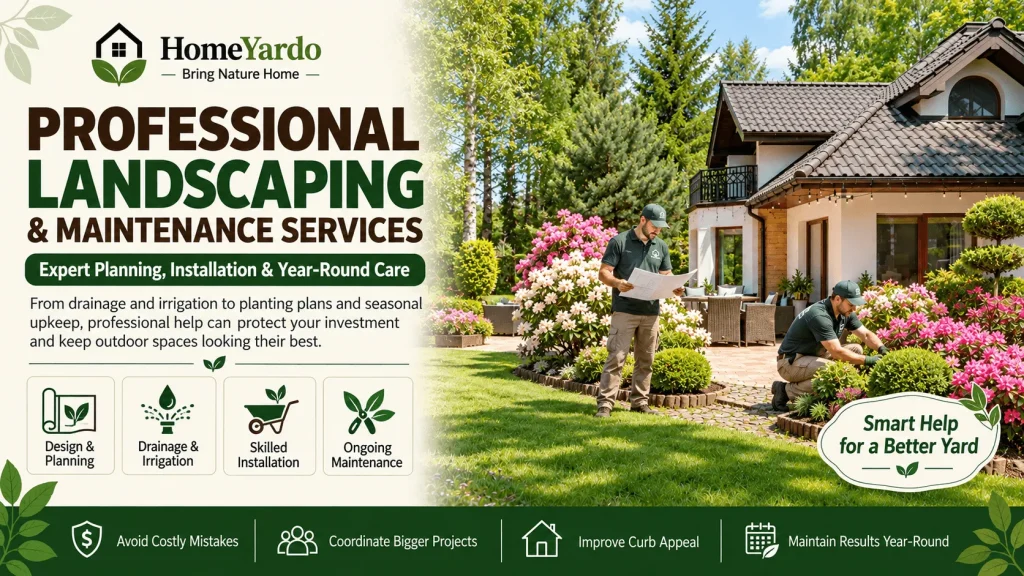
Some landscaping improvements are straightforward enough for homeowners to complete themselves. Others benefit from professional planning and installation.
Planting small garden beds, arranging containers, installing simple decorative features, and applying mulch are common DIY projects.
However, extensive landscape renovations may involve grading, drainage, irrigation installation, retaining walls, or major structural changes.
These projects require careful planning to prevent expensive problems later.
An experienced landscaping professional can assess the property, recommend appropriate materials, and develop a design that accommodates the homeowner’s needs.
When planning larger improvements, consider professional lawn and landscape maintenance to help keep your property attractive throughout the year.
Before hiring a landscaping company, review its experience, relevant qualifications, customer feedback, and the scope of its proposed services.
For projects involving excavation, structural work, or drainage modifications, check whether local permits or specialist contractors are necessary.
Professional assistance can be particularly useful when coordinating several improvements into one landscaping project.
How to Choose the Right Landscaping Trends for Your Yard
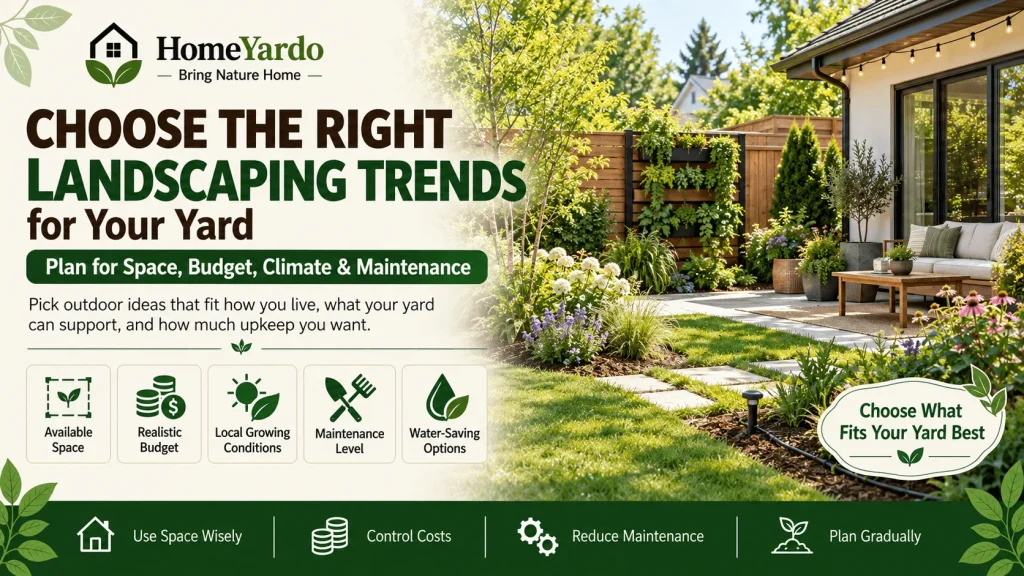
Not every landscaping trend will suit every property.
Before starting a project, consider your available space, budget, local growing conditions, and willingness to perform regular maintenance.
For smaller yards, vertical gardens and compact outdoor seating areas can provide noticeable improvements without occupying much ground space.
Homeowners with larger gardens may benefit from combining low-maintenance planting areas with patios and recreational spaces.
If water conservation is a priority, climate-adapted planting and properly programmed irrigation systems are worth considering.
Start by identifying the features you will use most often. Then develop a landscaping plan that allows you to introduce improvements gradually.
This approach helps prevent unnecessary spending and ensures that individual features complement the overall design.
Transform Your Outdoor Space With Practical Landscaping Ideas
Updating your yard doesn’t require following every new landscaping trend.
Vertical gardens can make better use of limited space, while low-maintenance plants and smart irrigation can simplify everyday garden care.
Outdoor living areas and carefully selected landscaping materials can make your property more comfortable, attractive, and functional.
Choose improvements that suit your property, plan around existing conditions, and start with the changes that will make the biggest difference to how you use your outdoor space.
FAQ’s
Popular landscaping trends include vertical gardens, low-maintenance planting, outdoor living spaces, smart irrigation, and sustainable landscaping materials. The most suitable option depends on your property’s available space, climate, and maintenance requirements.
Start with affordable changes such as defining garden beds, adding mulch, planting suitable perennials, and arranging outdoor seating. Reusing existing materials and completing smaller projects yourself can also reduce costs.
Vertical gardens, container planting, compact seating areas, and carefully positioned shrubs can make small yards more functional. Choose plants that suit the available sunlight and will not overwhelm the space as they mature.
Choose climate-appropriate plants, reduce unnecessary lawn areas, apply suitable mulch, and group plants according to their watering requirements. Efficient irrigation and durable landscaping materials can also reduce routine maintenance.