How To Balance Style And Function When Upgrading Your Home
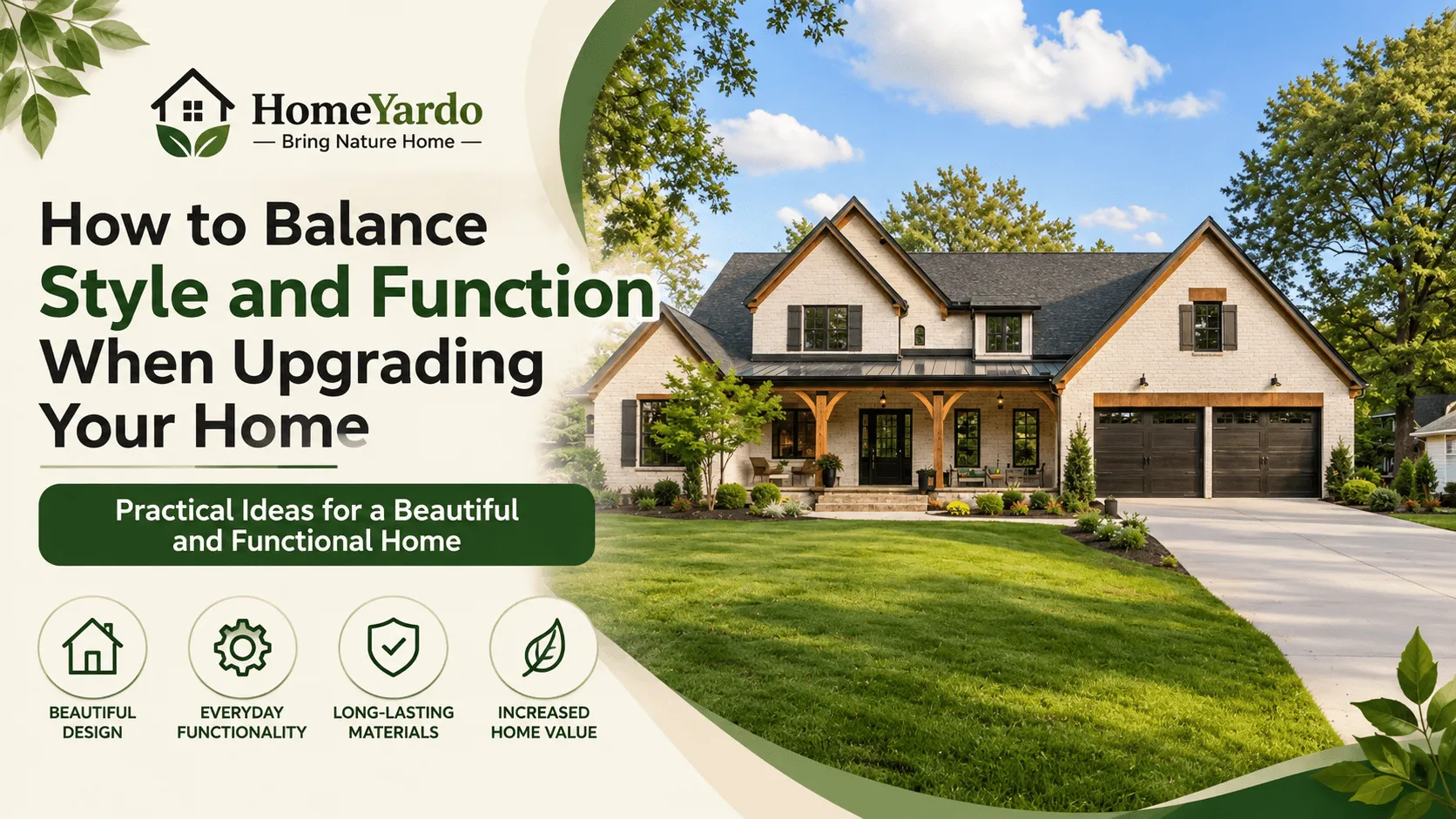
Home upgrades should make your property look better without creating new problems in everyday life. A beautiful driveway is less appealing when drainage is poor. Similarly, an attractive garage door offers little value if it struggles to open or close properly.
Learning how to balance style and function in home upgrades helps you avoid these problems. The goal is to choose improvements that support daily activities, withstand local weather, and complement your home’s appearance.
For homeowners in Raleigh, North Carolina, this means considering humidity, seasonal storms, maintenance requirements, and the overall design of the property.
From choosing exterior materials to updating garage doors and landscaping, every improvement should serve a practical purpose while contributing to your home’s appearance.
Start by Defining How You Actually Use the Space
Before choosing colors, materials, or decorative features, consider how you use the space you’re planning to improve.
An exterior upgrade that looks attractive in photographs might not work particularly well for your household.
For example, a narrow decorative walkway may look elegant, but it could become inconvenient when carrying groceries or moving outdoor equipment.
Similarly, an elaborate garden may improve curb appeal while creating more maintenance work than you anticipated.
Good home improvement planning starts by identifying these practical requirements before selecting materials or finalizing the design.
Questions to Ask Before Any Exterior Upgrade
Consider the following questions:
- How frequently do household members use this area?
- What existing problems affect its appearance or usability?
- Does the space need to accommodate children, pets, visitors, or deliveries?
- Will the improvement make everyday activities easier?
- How much maintenance will the finished project require?
- Can the proposed changes withstand local weather conditions?
Identify the problems you want to solve and separate them from purely decorative preferences.
This gives you a clearer starting point when comparing different home improvement options.
Choose Materials That Perform as Well as They Look
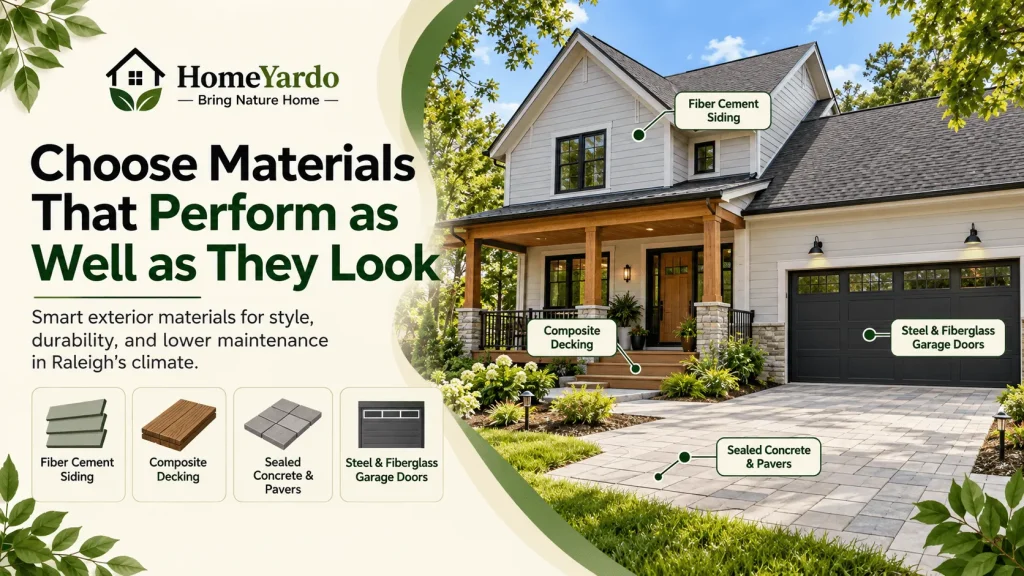
Exterior materials influence appearance, durability, maintenance, and long-term project costs.
A material that looks attractive when installed may become expensive to maintain if it isn’t suitable for the local environment.
Raleigh experiences hot, humid summers and periods of heavy rainfall. Homeowners should consider moisture resistance, drainage, sun exposure, and manufacturer maintenance requirements when selecting exterior materials.
Materials Worth Considering for Raleigh’s Climate
Fiber cement siding
Fiber cement siding offers several architectural styles while providing resistance to moisture damage when correctly installed and maintained.
Different finishes and colors can complement traditional and contemporary homes.
Composite decking
Composite decking can provide a consistent appearance while reducing some maintenance requirements associated with natural wood.
However, surface temperatures, expansion allowances, and product quality should influence your selection.
Sealed concrete and pavers
Concrete and pavers work well for driveways, pathways, and outdoor seating areas.
Choose surfaces based on their intended use, slip resistance, drainage requirements, and maintenance needs.
Proper installation and site preparation are particularly important where heavy rainfall occurs.
Steel and fiberglass garage doors
Steel and fiberglass garage doors offer different combinations of appearance, insulation, durability, and maintenance.
Steel doors can provide considerable design flexibility, while fiberglass products may offer particular advantages depending on their construction and installation environment.
Compare manufacturer specifications rather than assuming one material performs better in every situation.
The right material should complement your property without creating unnecessary maintenance problems.
Choose Windows and Doors That Do More Than One Job
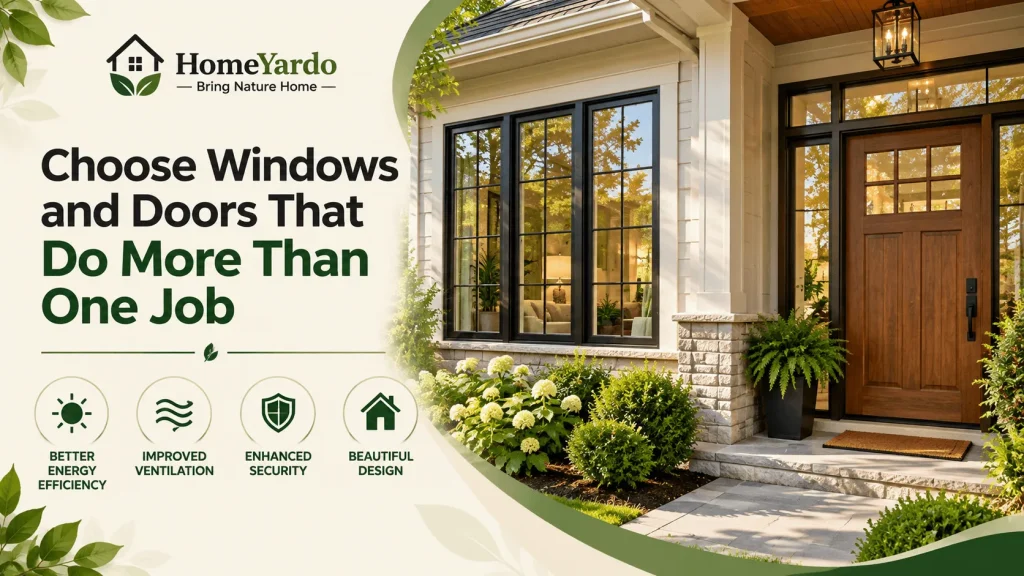
Windows and exterior doors affect your home’s appearance, comfort, energy performance, and security.
Choosing these features based entirely on appearance can create problems with ventilation, privacy, temperature control, or everyday access.
Instead, look for products that combine an appropriate architectural style with practical features.
What to Look for in Functional, Attractive Windows and Doors
Consider the following features when comparing your options:
- Energy-efficient glazing suitable for your climate
- Window styles that provide appropriate ventilation
- Durable frames that complement your exterior
- Door hardware that combines convenient operation with suitable security
- Weatherstripping that helps reduce drafts and moisture entry
- Window placement that balances natural light with privacy
Pay attention to installation quality as well as product specifications.
Even an attractive, energy-efficient window may perform poorly if it is improperly installed or the surrounding opening has existing damage.
If your existing windows are deteriorating, review the requirements involved in window replacement before committing to a particular style.
Style Your Garage Door Without Losing What It’s Built For
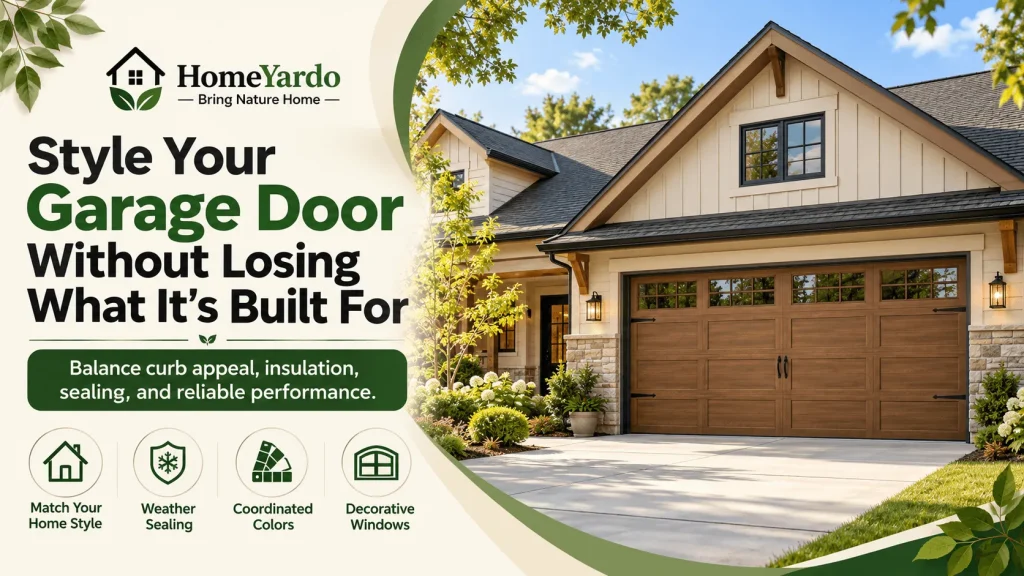
A garage door is one of the most noticeable features of many residential exteriors.
Its size, color, panel design, and materials can significantly influence how the property looks from the street.
However, appearance should never come at the expense of reliable operation.
A garage door must open and close smoothly, maintain appropriate safety features, and withstand normal weather exposure.
Balancing Appearance and Performance in a Garage Door
When choosing a garage door, consider these factors:
Choose a style that matches your home.
Traditional homes may suit raised-panel or carriage-house designs, while contemporary properties often work well with simple flush panels.
Consider insulation and weather sealing.
Insulation may improve temperature control in suitable garage configurations, particularly where the garage is attached to the home.
Proper garage door weather stripping also helps reduce unwanted air movement, dust, and moisture entry.
Coordinate exterior colors.
Choose a color that complements the home’s siding, trim, windows, or other architectural details.
The garage door doesn’t necessarily need to match everything, but its appearance should feel connected to the rest of the exterior.
Evaluate decorative windows carefully.
Garage door windows can introduce natural light and improve appearance.
However, their placement, glazing, privacy, and impact on the door’s construction should be considered.
Select manufacturer-approved configurations rather than assuming every decorative modification is suitable.
When Should You Repair or Replace Your Garage Door?
An aging garage door doesn’t automatically need replacing.
Minor cosmetic damage, worn seals, or certain mechanical problems may be repairable.
However, extensive panel damage, repeated mechanical failures, poor insulation, or an outdated design may justify considering replacement.
Before making a decision, have a qualified technician evaluate the door’s condition.
A professional assessment can help determine whether repairing the existing system or installing a replacement makes more practical and financial sense.
Add Lighting That Solves a Problem and Looks Good Doing It
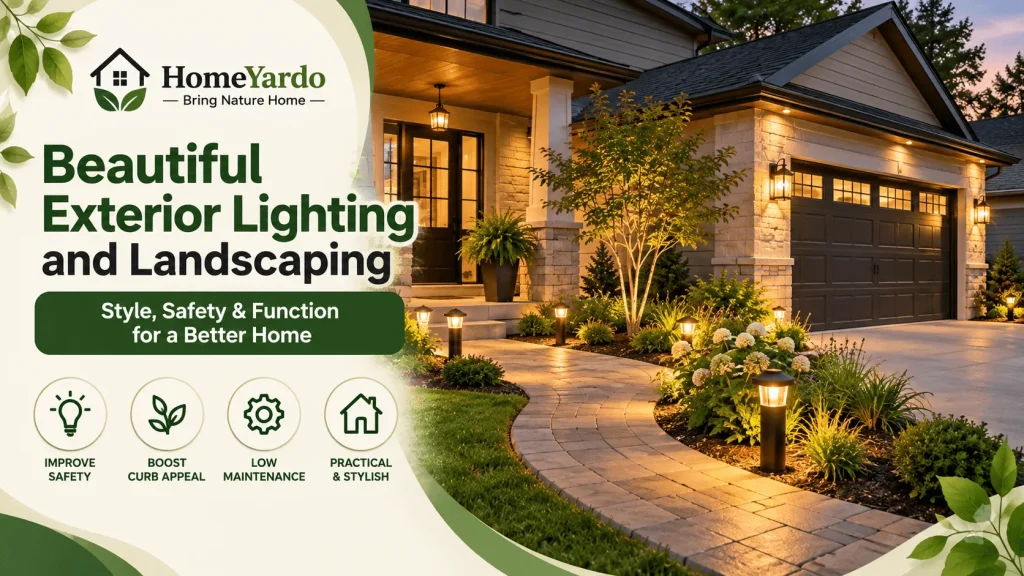
Exterior lighting should improve visibility, support safe movement, and complement your property’s appearance.
Decorative lighting alone may leave walkways, steps, and entrances poorly illuminated.
Start by identifying where lighting would make everyday activities easier.
Choosing Lighting That Works on Both Fronts
Consider these practical approaches:
- Install suitable fixtures near entrances, steps, and frequently used walkways.
- Use warm-colored lighting where you want a comfortable, welcoming appearance.
- Consider motion-activated lighting near garages and secondary entrances.
- Select outdoor-rated fixtures appropriate for their exposure to rain and moisture.
- Position lights to minimize glare and avoid unnecessarily illuminating neighboring properties.
Choose a consistent fixture style where appropriate.
Matching every light isn’t necessary, but coordinating finishes and general design can create a more unified exterior.
For electrical installation or wiring modifications, hire an appropriately qualified professional.
Pick Landscaping That Looks Good Without Constant Upkeep
Landscaping is another opportunity to combine appearance with everyday practicality.
A well-designed garden can improve curb appeal, provide shade, create privacy, and define outdoor areas.
However, an elaborate design may become difficult to maintain if it doesn’t suit your schedule or growing conditions.
Start with plants and landscaping materials suited to your property.
Landscaping Choices That Balance Both Priorities
Consider the following approaches:
Choose plants suited to Raleigh.
Select plants based on local growing conditions, soil characteristics, sunlight, available space, and their mature size.
Suitable native plants can be useful options, although each plant’s individual growing requirements still matter.
Use mulch and defined borders.
Appropriate mulch can help retain soil moisture and suppress weeds.
Defined planting beds can also create a cleaner appearance and make routine maintenance easier.
Group plants with similar watering requirements.
Organizing plants according to their moisture needs simplifies irrigation and can help avoid overwatering or underwatering.
Keep entrances accessible.
Avoid placing large shrubs or decorative features where they could obstruct walkways, windows, garage doors, or important sightlines.
For more ideas, explore these low-maintenance backyard landscaping ideas.
A garden that remains attractive with manageable maintenance is often more useful than one requiring constant attention.
Balance Privacy With an Open, Welcoming Feel
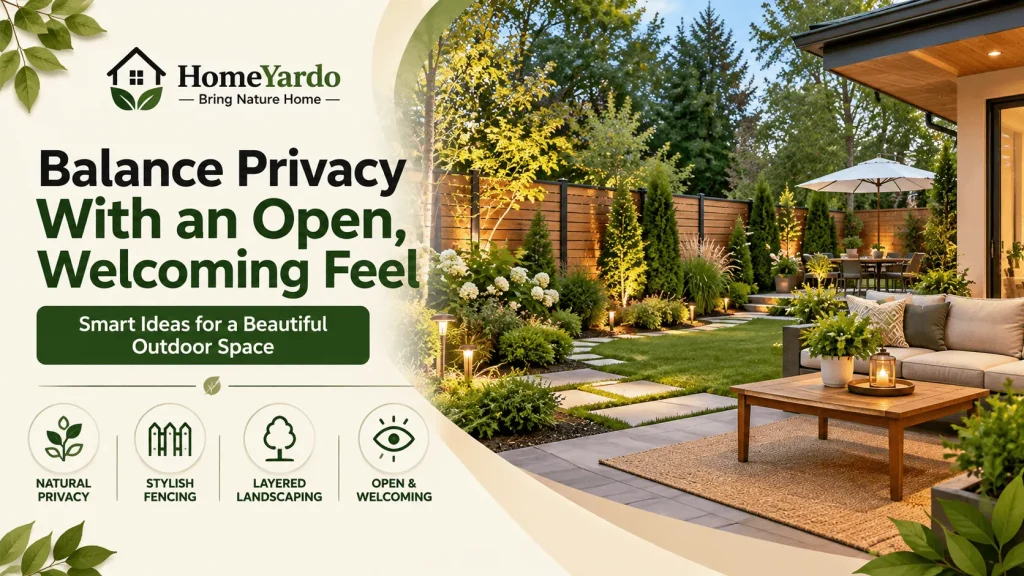
Privacy is an important consideration when upgrading outdoor spaces.
However, tall fences, dense hedges, and large privacy screens can sometimes make a property feel enclosed.
The aim is to create privacy where needed while maintaining natural light, accessibility, and a welcoming appearance.
Ways to Add Privacy Without Losing Curb Appeal
Consider these options:
- Use layered landscaping to create natural privacy.
- Choose fencing with suitable spacing where complete screening isn’t necessary.
- Install privacy features near specific seating areas or exposed windows.
- Combine smaller shrubs with taller plants rather than relying entirely on large hedges.
- Keep entrances, walkways, and important sightlines accessible.
Consider how plants will grow over time.
A hedge that looks appropriately sized when planted may eventually obstruct windows or require frequent pruning.
If you’re planning a larger outdoor renovation, think about privacy alongside the overall layout. HomeYardo’s guide to designing a backyard provides additional planning ideas.
Plan Your Budget Around Long-Term Value
A home upgrade can be attractive and functional without requiring the most expensive materials or features.
However, choosing products based solely on their initial price can lead to higher maintenance or replacement costs.
Compare the total cost of each improvement, including installation, expected maintenance, potential repairs, and replacement requirements.
For example, decorative driveway materials may cost more initially but provide benefits that justify the investment for some properties.
Other homeowners may prefer a simpler surface that meets their practical requirements at a lower price.
Prioritize improvements that solve existing problems before spending heavily on cosmetic additions.
Set aside a contingency for unexpected issues discovered during installation.
A realistic budget allows you to balance appearance, durability, and everyday usefulness without sacrificing important practical features.
Maintain the Balance You’ve Created
Even carefully planned home upgrades need ongoing maintenance.
Paint deteriorates, exterior materials accumulate dirt, landscaping grows, and mechanical components experience wear.
Ignoring maintenance can gradually affect both appearance and functionality.
A simple inspection routine helps identify problems before they become more difficult or expensive to address.
A Simple Routine for Keeping Upgrades Balanced Long-Term
Inspect your garage door.
Check for unusual noises, damaged seals, uneven movement, and visible wear.
Follow manufacturer instructions for cleaning, lubrication, and safety testing.
Garage door springs, cables, and other high-tension components should only be repaired or adjusted by trained technicians.
Use HomeYardo’s garage door maintenance checklist to understand the difference between routine homeowner inspections and work requiring professional service.
Maintain exterior paint and trim.
Inspect painted surfaces for cracking, peeling, and signs of moisture damage.
Address problems before deterioration spreads to surrounding materials.
Review your landscaping.
Check plant growth, drainage, irrigation, and accessibility throughout the year.
Prune plants appropriately and remove growth that obstructs entrances or walkways.
Inspect windows and exterior doors.
Look for damaged seals, water entry, difficult operation, and deteriorating frames.
Repair problems according to their cause rather than applying temporary cosmetic fixes.
Check exterior lighting.
Clean fixtures, replace failed bulbs, and ensure motion sensors and other controls continue working properly.
Maintenance should protect the investment you’ve already made, rather than becoming another major renovation project.
Getting the Balance Right Takes a Plan, Not a Guess
Successful home upgrades begin with understanding how you use your property.
Once you’ve identified your priorities, choose materials and design features that support those activities while complementing your home’s appearance.
Consider durability, climate, energy performance, accessibility, and ongoing maintenance before committing to a project.
The same principle applies whether you’re replacing windows, improving landscaping, installing outdoor lighting, or upgrading your garage door.
If your garage door is affecting your home’s appearance or everyday functionality, DoorJam Garage Repair can help you explore suitable repair and replacement options.
Whether your existing door is worn, operating poorly, or no longer complements your property’s exterior, professional advice can help you identify an appropriate solution.
Contact the company for an estimate and learn how garage door repair in Raleigh, NC can improve your home’s appearance and everyday functionality.
FAQ’s
Start by identifying how you use each space. Choose materials, layouts, and features that meet those practical requirements while complementing your home’s existing design.
Practical exterior improvements may include repairing damaged surfaces, improving drainage, upgrading exterior lighting, maintaining windows and doors, and improving landscaping. The most suitable projects depend on your property’s condition and household requirements.
Coordinate exterior colors, maintain landscaping, improve lighting, and choose attractive materials that suit the property’s conditions. Keep entrances, driveways, and walkways accessible rather than prioritizing decorative features alone.
Fiber cement siding, suitable composite decking, properly installed pavers, and weather-resistant exterior doors are possible options. The right materials depend on moisture exposure, installation requirements, maintenance preferences, and the intended application.
Safety and essential performance requirements should guide your choices. Once these needs are satisfied, compare available designs and finishes to achieve your preferred appearance without sacrificing durability.