How To Reduce Pest Pressure Around Mobile Outdoor Living Areas
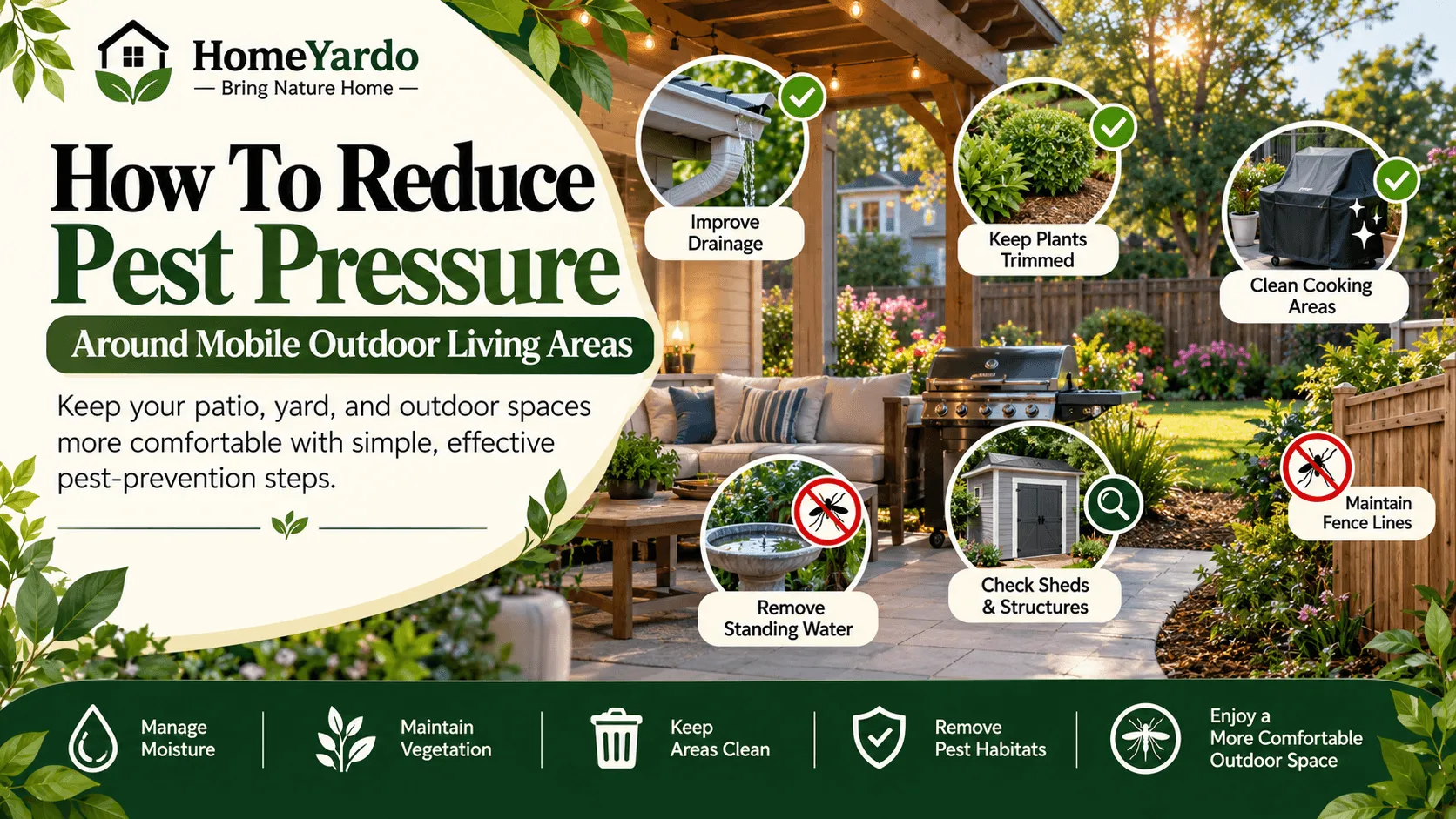
A shady patio on the Gulf Coast feels wonderful on a hot afternoon. Insects agree. Warm, humid weather in Mobile keeps the soil damp, the plants growing, and the air full of mosquitoes, ants, wasps, and roaches looking for cover. Outdoor seating, fences, play areas, grills, and sheds all create small habitats, and many of them sit within a few steps of the back door. Yard conditions rarely stay in the yard for long. The sections below explain how moisture and shade attract pests, which parts of a property deserve attention, and what changes keep activity away from the places where people spend time.
Why Warm, Humid Yards Attract Pests
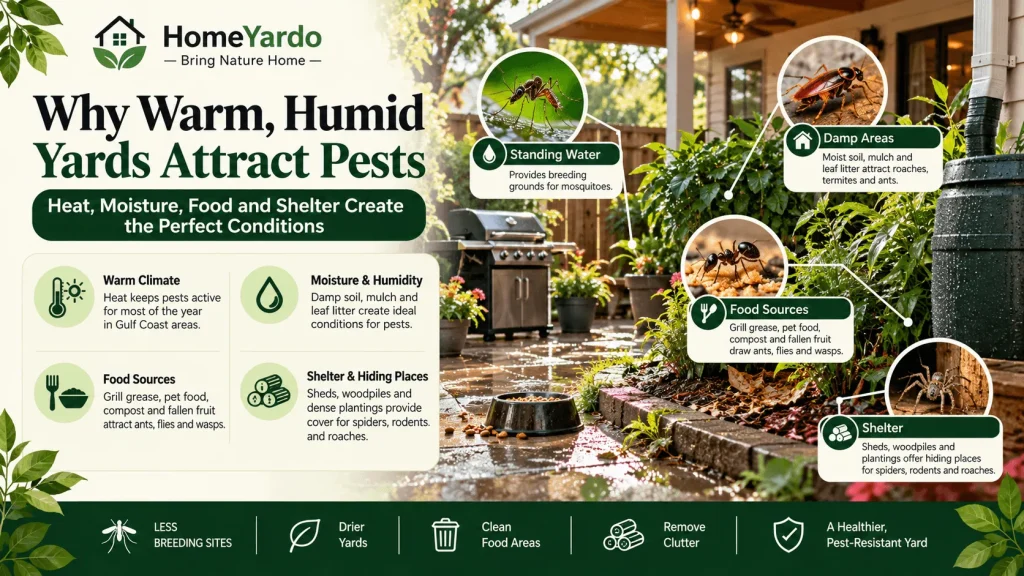
Heat and moisture work together. Humidity keeps soil, mulch, and leaf litter damp, which suits cockroaches, termites, and many ants. Standing water gives mosquitoes a place to breed, and frequent rain refills containers faster than people empty them. Shade holds moisture longer, so dense plantings and covered seating areas stay damp well after the sun comes out.
Food and shelter add to the pull. Grills leave grease and crumbs, pet bowls leave scraps, and compost or fruit trees drop sweet material that draws ants, flies, and wasps. Sheds, woodpiles, and stacked materials offer dry hiding places for spiders, rodents, and roaches.
The Gulf Coast climate also keeps many of these pests active for most of the year. Colonies do not die back as they would in colder regions. A yard that stays damp and cluttered can support a steady population, and the nearest unprotected door becomes the next target.
Drainage And Standing Water
Water is the easiest pest factor to correct, and the benefits show up quickly. Walk the yard after a heavy rain and look for puddles that last more than a day. Low spots near the foundation, patio edges, and fence lines are common culprits. Regrading the soil so that it slopes away from the house, extending downspouts several feet from the foundation, and clearing clogged gutters moves water away from the places where insects gather.
Recurring puddles can point to a larger grading or runoff problem, so homeowners dealing with the same wet areas after every storm may want to review HomeYardo’s guide to fixing yard drainage before treating the water as an isolated pest issue.
Containers matter as well. Plant saucers, buckets, toys, tarps, and birdbaths collect enough water for mosquitoes to breed in about a week. Empty or turn them over weekly, and refresh birdbaths and pet bowls every few days.
Continued mosquito and ant activity can signal hidden moisture. When yard-based pest pressure keeps moving toward the patio and doorways despite good drainage, Wayne’s Pest Control in Mobile can help inspect for sources such as leaking irrigation lines, damp mulch against the slab, or nests along the foundation that a homeowner would not easily find.
Vegetation Around Patios And Seating

Plants shape pest behavior. Dense shrubs, vines on walls, and ground cover pressed against the patio edge hold moisture and give insects shaded routes to the door. Branches touching the roof or siding act as bridges for ants and rodents.
Trim shrubs so air can move around them, and keep plants a foot or two from the house and patio. A strip of gravel or bare ground along the edge dries quickly and shows new ant trails. Keep mulch to a depth of two to three inches and pull it back from the foundation, since thick, wet mulch shelters roaches and termites.
If mulch is part of the landscape around shrubs and patio beds, HomeYardo’s guide to choosing mulch for garden beds explains appropriate depth, application, and why mulch should not be piled against trunks, stems, or other vulnerable surfaces.
Irrigation deserves a second look. Watering in the early morning lets the soil surface dry during the day, and drip lines should be checked for leaks. Fruit trees need prompt cleanup of fallen fruit, which feeds ants, flies, and yellowjackets. Mowing the lawn at a steady height also helps, since tall, damp grass shelters mosquitoes and ticks.
Cooking Areas, Play Areas, And Fence Lines
Grills and outdoor kitchens leave grease, sugar, and crumbs that attract ants, flies, and wasps. Clean grates and drip trays after each use, wipe tables promptly, and keep trash cans lidded and several feet from seating. Store pet food indoors, and pick up bowls after meals.
Separating dining, play, planting, storage, and utility areas can also make routine cleaning and inspections easier, which is one reason a well-planned backyard design can support both outdoor comfort and ongoing yard maintenance.
Play areas need a regular look. Sandboxes should be covered, toys should be turned over after rain, and swing sets and wood structures should be checked for wasp nests and termite damage. Fire ants build mounds in sunny lawn areas, especially after rain, and disturbing a mound can trigger a painful swarm. Teach children to keep away from mounds and call for help rather than stomping on them.
Fences and woodpiles deserve a check as well. Wooden fence posts touching the soil can host termites and carpenter ants. Keep firewood off the ground and away from the house, and trim vegetation along fence lines so that pests have fewer paths toward the patio.
Removing Debris and Checking Structures For Nests
Debris gives pests shelter. Stacks of lumber, old pots, tarps, stray tires, and piles of leaves hold moisture and darkness, which suit roaches, spiders, rodents, and snakes. Relocate what you do not need, and store the rest on racks off the ground, away from the house and fence.
Sheds and outbuildings deserve regular inspection. Look under eaves and in corners for paper wasp nests, which are small and easy to remove early in the season, and much harder once a colony grows. Check for mud tubes on foundations, which can signal termites, and for gnaw marks, droppings, or nesting material that point to rodents.
Use these checks as a seasonal routine: once in spring, once in midsummer, and once in autumn. Note the date, photograph anything unusual, and handle small problems before they spread. Wasp nests near doors, large fire ant mounds near play areas, and signs of termites should go to a professional, because attempting removal without protection leads to stings and incomplete control.
Key Takeaways
Mobile yards stay comfortable when water, shade, and debris are managed. Better drainage and empty containers cut mosquito breeding, trimmed plants and clean borders limit the routes to the patio, and tidy cooking and play areas remove food and shelter. Regular checks of sheds, fences, and foundations catch nests while they are small. When pests keep moving toward living spaces despite steady effort, a professional inspection can find the source and recommend a plan that fits the property.
FAQ’s
Start by removing standing water, correcting drainage problems, trimming dense vegetation, cleaning grills and eating areas, securing trash and pet food, and removing debris or stored materials that provide shelter. Regularly inspect nearby plants, eaves, fences, sheds, and foundation edges.
Standing water can provide habitat for mosquito larvae and pupae. Check buckets, toys, tarps, plant saucers, birdbaths, drains, gutters, and other water-holding areas weekly, especially after rainfall.
A weekly check is a useful routine during warm weather. CDC recommends emptying and scrubbing, turning over, covering, or disposing of water-holding containers once a week.
Dense, damp vegetation can provide shade, shelter, and protected movement around outdoor living areas. Keep plants maintained, avoid vegetation pressing directly against exterior surfaces, and correct irrigation that leaves beds persistently wet.
Mulch itself has useful landscaping benefits, but excessively deep or persistently wet organic material can create sheltered conditions for some pests. Use an appropriate depth and avoid piling wood-based mulch directly against the building.