Austin Roof Inspection Before Hiring a Contractor: What to Check

An Austin roof inspection before hiring a contractor can help you identify warning signs, ask better questions, and avoid paying for work your home may not need. You do not have to be a roofing professional to notice water stains, damaged gutters, or suspicious wear. You just need to know where to look and when to bring in an expert.
Most homeowners discover a bad roofing decision after the work is finished. The new shingles look fine until a spring storm pushes water past damaged flashing. Suddenly, there is a wet ceiling, soaked insulation, and another repair bill.
Central Texas adds its own challenges. Strong sunshine, high roof temperatures, thunderstorms, and occasional damaging hail can all affect roofing materials. Some problems are visible from the ground. Others develop around vents, valleys, and the connections between the roof and the rest of the house.
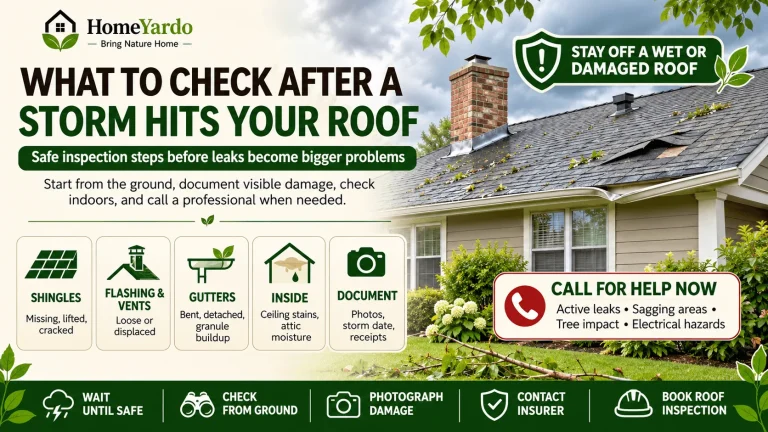
The good news is that you can learn to recognize several warning signs without climbing onto your roof.
And when it is time to bring in help, you can find roofing and renovation services in Austin that can assess your roof, explain the proposed work, and provide a written estimate before you make a decision.
Start in the Attic, Not on the Roof
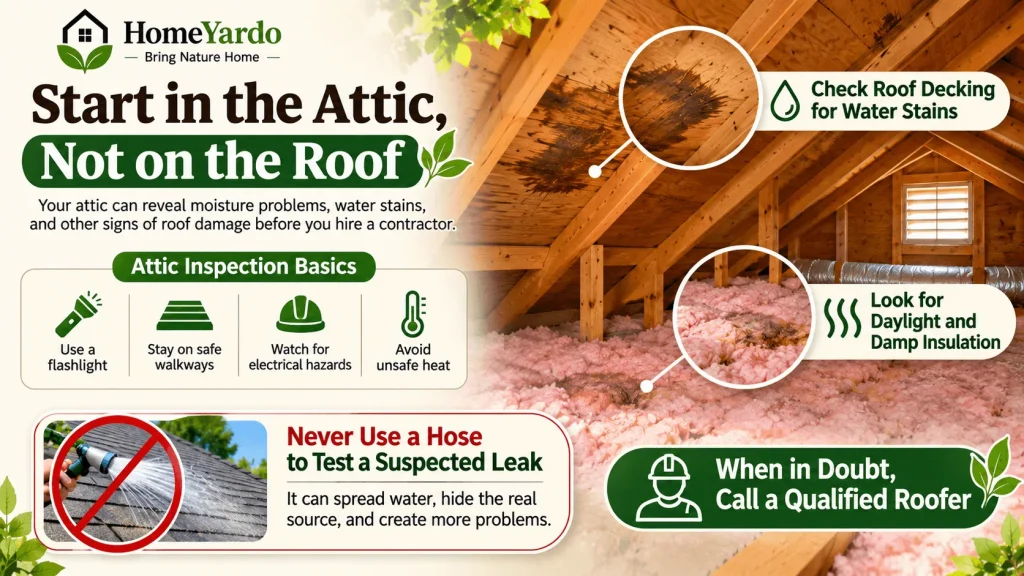
The attic can reveal moisture problems that are difficult to spot from the driveway. Staining on roof decking, damp insulation, and discoloration around penetrations may indicate previous or ongoing water intrusion.
Start with a flashlight and look around safely accessible areas. Never step between ceiling joists or onto unsupported insulation. If the attic lacks a secure walkway, has exposed electrical hazards, or is too hot to enter safely, leave the inspection to a qualified professional.
Check Roof Decking for Water Stains
Look for dark patches, water marks, or unusual discoloration on the underside of the roof decking.
Pay particular attention to areas near chimneys, plumbing vents, roof valleys, and other penetrations.
These locations contain joints and flashing details where poor installation, movement, or deteriorated sealants can allow moisture to enter.
A stain does not automatically mean the roof is currently leaking. It may be evidence of an older problem that has already been repaired. However, staining combined with dampness or visible deterioration deserves professional evaluation.
Look for Daylight and Damp Insulation
Small points of daylight may indicate an opening around a penetration or another gap in the roofing assembly. Some roof ventilation openings are intentional, so daylight alone does not prove a defect.
Also check accessible insulation for water marks, compressed wet areas, unusual odors, or signs of repeated moisture exposure.
A roof leak is not the only possible cause. Condensation from poor ventilation or air leakage can produce similar symptoms.
The important question is whether the moisture comes from outside, inside, or both.
Never Use a Hose to Test a Suspected Leak Yourself
Spraying a roof with water may sound like an easy way to find a leak, but uncontrolled testing can introduce moisture into otherwise dry areas.
It may also conceal the original source of the problem.
If a leak cannot be identified through ordinary observations, ask a qualified roofer whether controlled water testing is appropriate.
Professional testing can be planned around specific roof sections, weather conditions, and safety precautions.
What Hail Actually Leaves Behind on an Austin Roof
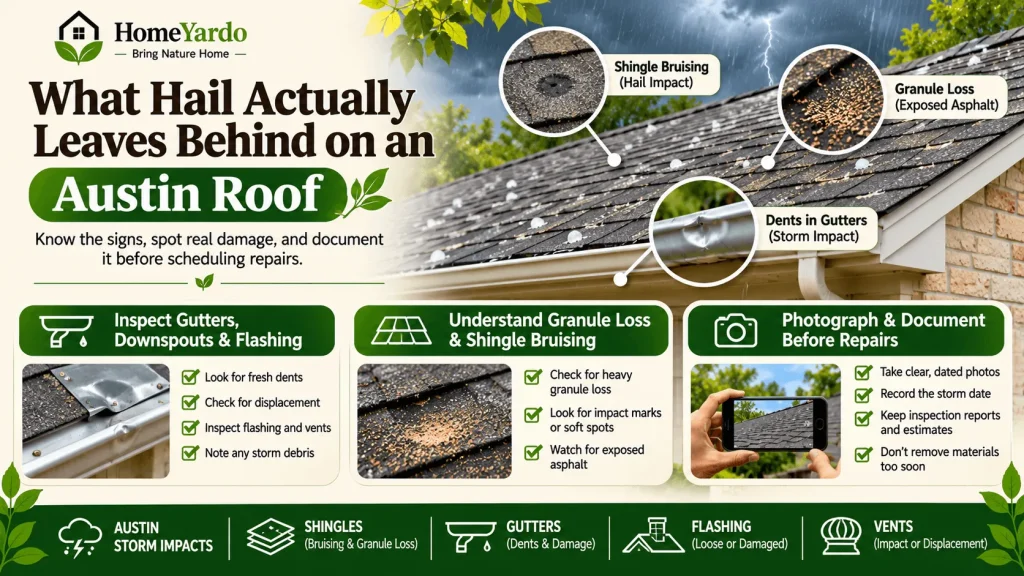
Austin-area storms can damage shingles, flashing, gutters, vents, and other exterior components. However, not every dent or missing granule means the roof needs replacing.
Recognizing the difference between cosmetic marks and potentially functional damage is important, especially when contractors approach homeowners after a storm.
Inspect Gutters, Downspouts, and Metal Flashing
You can often begin from ground level.
Look for fresh dents on accessible downspouts, displaced gutter components, damaged roof accessories, or debris around the property.
These observations may provide useful clues about a recent storm.
However, metal dents do not prove that nearby shingles are damaged. Likewise, a roof can sustain hail damage even when a homeowner sees no obvious dents on the gutters.
A professional inspection is needed to determine whether the roof covering has been affected.
Understand Granule Loss and Shingle Bruising
Asphalt shingles contain protective mineral granules that help shield the underlying material from sunlight and weather exposure.
Granule loss may result from aging, foot traffic, manufacturing characteristics, or storm damage.
Hail can sometimes produce localized impact marks, bruising, or exposed asphalt. These signs require careful assessment because ordinary weathering can look similar.
According to storm safety guidance from Ready.gov, homeowners should prepare for severe weather and understand the hazards associated with storms.
After a damaging hail event, document visible changes and consider a professional inspection rather than waiting for an interior leak.
Photograph Damage Before Approving Repairs
Take clear pictures from safe locations, including the ground and accessible indoor areas.
Record the approximate date of the storm, visible damage, and any moisture found inside the home.
Keep inspection reports and repair estimates together.
This documentation can help establish a timeline and support conversations with roofing contractors or your insurance provider.
Avoid allowing anyone to remove materials unnecessarily before the damage has been documented, unless immediate work is needed to prevent further harm.
The Two-Bid Rule That Keeps Roofing Quotes Honest

Two detailed written bids provide a useful starting point for comparing roofing contractors.
A third estimate can help when prices differ substantially or the proposed work is unclear. What matters is comparing the same scope, not simply collecting the largest number of quotations.
A low initial price can become expensive when essential materials, repairs, and labor are missing from the estimate.
What Every Written Roofing Estimate Should Include
Before accepting a proposal, check these details:
| Estimate Item | What to Verify |
|---|---|
| Roofing materials | Manufacturer, product line, type, and specifications |
| Roof underlayment | Material and installation requirements |
| Flashing | Replacement or reuse at chimneys, valleys, walls, and vents |
| Decking | Inspection approach and price for additional replacement |
| Ventilation | Existing ventilation assessment and proposed changes |
| Gutters | Whether adjustments or replacement are included |
| Labor | Installation scope and subcontractor responsibilities |
| Cleanup | Debris removal, property protection, and final cleanup |
| Permits | Who checks requirements and obtains permits when necessary |
| Warranty | Manufacturer coverage and separate workmanship terms |
| Payment | Deposit, progress payments, and final payment conditions |
A proposal that simply lists “architectural shingles” and a total price is difficult to evaluate.
Ask the contractor to identify the products, installation details, and potential additional charges.
Compare the Scope, Not Just the Price
Imagine that one contractor quotes a roof replacement while another offers a considerably lower price.
The difference may come from material selection, flashing replacement, decking allowances, warranties, or labor.
Ask both contractors to quote the same work wherever possible.
If the estimates remain far apart, request a written explanation before choosing either company.
Unexpected roofing expenses can also affect your household budget. Planning for unexpected home repair costs can help you establish a reserve for hidden decking damage or other repairs discovered during installation.
Why the Trades Behind the Roof Matter

A roof is more than a layer of shingles. It works with flashing, gutters, ventilation, fascia, soffits, and other building components to help keep water out.
When these parts deteriorate, replacing shingles alone may not correct the underlying problem.
Ask About Fascia, Soffits, and Wood Rot
Fascia boards support gutter attachments and finish the roof edge. Soffits protect the underside of the eaves and may contain ventilation openings.
If wood has deteriorated, the contractor may need to repair or replace it before completing roofing work.
Ask whether the company handles these repairs directly or uses a separate carpenter.
Confirm how unexpected wood damage will be photographed, priced, and approved.
A clear process helps prevent confusion once the old roofing materials have been removed.
Check Gutters and Drainage Alongside Roofing
Gutters direct roof runoff toward downspouts and away from vulnerable areas of the building.
Poor drainage may contribute to overflowing water, deteriorated trim, soil erosion, and moisture accumulation near the foundation.
Ask the contractor to examine gutter alignment, downspout outlets, and visible signs of overflow.
If other renovations are planned, consider how the roof and drainage system connect with your exterior home features.
Coordinating related repairs can reduce duplicated labor and avoid removing newly installed materials later.
Confirm Austin Roofing Permits and Contractor Requirements
Permit requirements depend on the property’s location, building type, and the scope of work.
Some residential roof repairs and replacements in Austin may qualify for permit exemptions. Other work may require approval, especially when the project involves structural alterations or additional construction.
The City of Austin provides current guidance through its Development Services Department.
General contractors in Texas are not universally required to hold a state-issued general contractor license. However, City of Austin registration requirements can apply when contractors undertake permitted work.
The Department of Housing and Urban Development also provides homeowner resources related to housing improvements and repairs.
Before signing, ask the company who will verify local permit requirements, whether required registration is in place, and who is responsible for inspections.
Do not assume that every roofing project requires the same paperwork.
The Four Corners of a Good Roofing Decision

A simple way to evaluate a roofing proposal is to consider four areas: condition, cause, capacity, and coverage.
Each helps answer a different question about the work being recommended.
Condition: What Actually Needs Repair?
Determine whether the problem involves isolated flashing, damaged shingles, wet decking, or widespread deterioration.
The difference matters because not every leak requires replacing the entire roof.
If the contractor recommends a complete replacement, ask for photographs and an explanation of why targeted repairs would not be suitable.
You can also review what to know before replacing your roof to understand how repair-versus-replacement decisions affect project planning.
Cause: Why Did the Problem Develop?
A ceiling stain near a chimney does not automatically mean the surrounding shingles are failing.
The problem might involve flashing, masonry, roof drainage, or another building component.
Ask the contractor how the proposed repair addresses the source of the moisture, not just the visible symptom.
This helps reduce the possibility of paying for work that leaves the original problem unresolved.
Capacity: Can the Contractor Complete the Entire Job?
Ask whether the company can handle roofing, carpentry, gutters, and related work within the proposed schedule.
Find out who supervises the installation and whether subcontractors will be used.
Discuss weather delays, material deliveries, and how the property will be protected if rain arrives while work is underway.
A realistic schedule is more useful than an attractive completion date without a contingency plan.
Coverage: What Does the Warranty Actually Protect?
Roofing warranties often involve two separate forms of protection: manufacturer material coverage and contractor workmanship coverage.
They may have different terms, exclusions, transfer rules, and claim procedures.
Ask who handles a future leak if the original installer is no longer operating.
Also request written warranty documents instead of relying on a verbal description.
A long advertised warranty period does not mean every roofing problem will be covered for that entire period.
Red Flags You Can Spot in the First Ten Minutes

Contractor behavior can provide useful information before the first estimate arrives.
Be cautious when someone recommends a complete roof replacement without an adequate inspection or refuses to explain the proposed scope.
Other warning signs include:
- High-pressure offers that expire immediately.
- Demands for unusually large upfront payments without clear contractual terms.
- Refusal to provide a written estimate or business information.
- Vague answers about insurance, permits, or warranties.
- Promises that insurance will automatically pay for all proposed work.
- Pressure to sign documents you have not reviewed.
- Estimates that list the wrong property address or exclude important project details.
An experienced contractor should be willing to explain the findings in language you understand.
That does not mean every good roofer will spend an hour discussing each shingle. It means you should receive enough information to evaluate the proposed repair.
Questions to Ask Before Hiring an Austin Roofing Contractor
A short conversation can reveal whether the company has a reasonable plan for your property.
Before signing a contract, ask:
- What roof damage did you identify, and can you provide photographs?
- Can the problem be repaired, or does it require replacement?
- Which materials and installation methods are included?
- How will damaged decking and flashing be handled?
- What insurance coverage does your business carry?
- Who will check permit requirements for this address?
- Will employees or subcontractors complete the work?
- What happens if the weather delays installation?
- What are the payment terms and warranty exclusions?
- Who should I contact if a problem appears after completion?
The responses should be consistent with the written proposal.
If a contractor makes a promise during the conversation, ask for it to be included in the contract when relevant.
Getting the Timing Right in Central Texas
Roofing companies can become busy after major hailstorms and severe weather events.
If your roof is approaching the end of its expected service life, planning an assessment before a damaging storm gives you more time to compare contractors and materials.
However, the calendar alone should not determine whether repairs are necessary.
When to Schedule a Professional Roof Inspection
Consider requesting an inspection when:
- A storm has caused suspected damage.
- Water stains appear inside the home.
- Shingles are visibly missing, lifted, or deteriorated.
- Roof accessories or flashing appear damaged.
- Leaks return after previous repairs.
- A property transaction raises concerns about roof condition.
An inspection may also be appropriate before a major exterior renovation.
The goal is to establish the roof’s condition before making an expensive decision.
When Roof Repairs Should Not Wait
Active leaks, visibly sagging roof sections, fallen-tree damage, or exposed electrical hazards require prompt attention.
Keep people away from potentially unstable areas and contact an appropriate qualified professional.
If water is entering near electrical equipment, avoid touching affected fixtures or wiring.
Temporary professional protection may be necessary before permanent repairs can be scheduled.
Final Takeaway
You do not need to become a roofing expert to make a better hiring decision.
Start with safe visual observations from the ground and accessible interior areas. Look for moisture, visible deterioration, damaged gutters, and signs of previous repairs.
Then ask the contractor to explain the condition of the roof, identify the actual cause of the problem, describe the full scope of work, and provide written warranty information.
Compare at least two detailed estimates when the situation allows, and verify local permit requirements before work begins.
A little preparation can help you choose a suitable contractor without rushing into repairs you do not fully understand.
FAQ’s
Yes, you can perform a basic visual check from the ground and safely accessible interior areas. Look for missing shingles, water stains, damaged gutters, and obvious deterioration. Avoid walking on the roof or entering unsafe attic areas.
Costs vary by contractor, roof size, accessibility, inspection scope, and whether a written report is included. Some companies offer limited inspections when preparing estimates. Ask what the service covers before booking.
Possible signs include damaged roof accessories, localized shingle impact marks, and fresh dents on exposed metal. These observations are not conclusive. A qualified roofing professional can assess whether functional damage occurred.
Two detailed written estimates provide a starting point. A third can help when prices, materials, or recommended repairs differ substantially. Compare the same work rather than choosing based only on price.
Not always. Some residential roof repairs and replacements may be exempt, depending on the scope of work and applicable requirements. Confirm the rules for your address with Austin Development Services before construction begins.
Check the company’s business details, insurance documentation, relevant experience, references, and written warranty. For work requiring a permit, confirm the appropriate City of Austin contractor registration and permit arrangements.
An isolated problem may be repairable if the surrounding roofing system remains sound. Widespread deterioration, recurring leakage, or significant structural concerns may justify replacement. A professional inspection should guide the decision.
Many policies cover certain sudden storm-related losses, but deductibles, exclusions, roof-payment provisions, and coverage limits differ. Review your policy and ask your insurer how your specific damage would be evaluated.
One serious warning sign is pressure to approve expensive work without an adequate inspection or a clear written scope. Contractors should be able to explain the damage, proposed repairs, price, and warranty.
A roofing contract should identify the materials, work scope, price, payment schedule, estimated timeline, permit responsibilities, cleanup arrangements, change-order process, and applicable warranties.
References & Further Reading
- City of Austin Development Services: Contractor Registration, Express Permits, and Types of Permits.
- Ready.gov: Severe Weather Preparedness and Safety Guidance.
- U.S. Department of Housing and Urban Development: Housing and Home Improvement Resources.
Editorial note: This guide is educational. It does not replace a qualified roofing inspection, structural assessment, or confirmation of local permitting requirements.