How Your Roof Shapes Your Home’s Style, Comfort, And Value
When you think about interior design, your mind probably jumps to paint colors, lighting, and furniture that doesn’t look like it came from a dorm room clearance sale. Your roof usually stays out of the spotlight. Still, it affects how your home feels, functions, and photographs from the curb. If you want a house that looks polished and lives well, your roof deserves a spot in the conversation early, not after a leak forces the issue.
How Roof Design Influences Curb Appeal
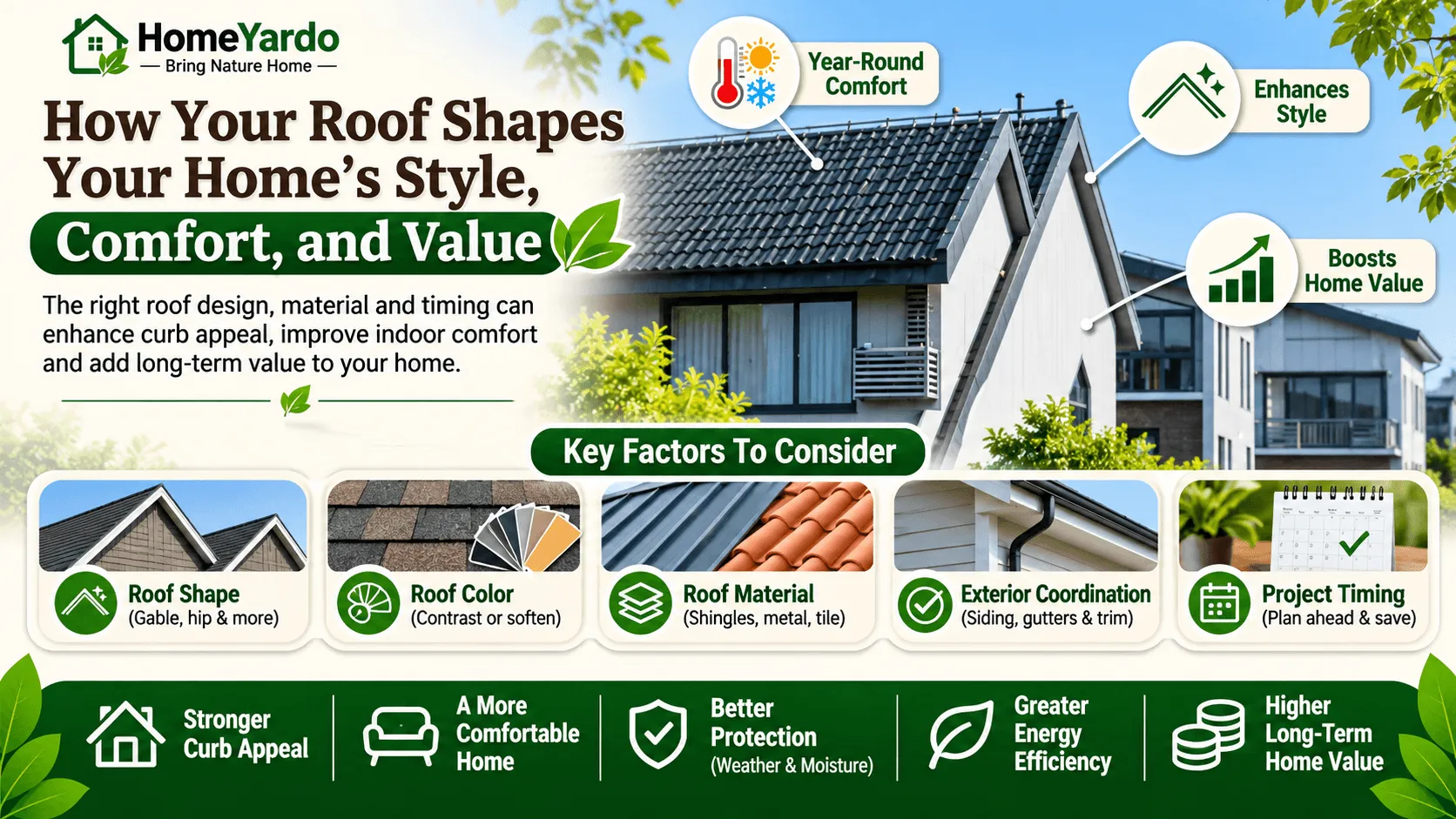
An attractive roof creates a visual connection between the siding, windows, trim, and landscaping.
Consider these design relationships:
- Roof shape: Gable, hip, and other roof forms influence a building’s proportions and architectural character.
- Roof color: Darker colors can create contrast, while lighter tones can soften the appearance of large roof surfaces.
- Material texture: Smooth metal panels create a different visual impression from dimensional shingles or textured tiles.
- Exterior coordination: Compatible roofing, siding, gutters, and trim help the property look balanced.
If you’re updating several exterior features, reviewing your overall home exterior design before selecting finishes can help prevent expensive mismatches.
The goal isn’t to make your roof stand out on its own. It’s to make every visible part of the property feel like it belongs together.
Your Roof Sets the Tone Before Anyone Walks Inside
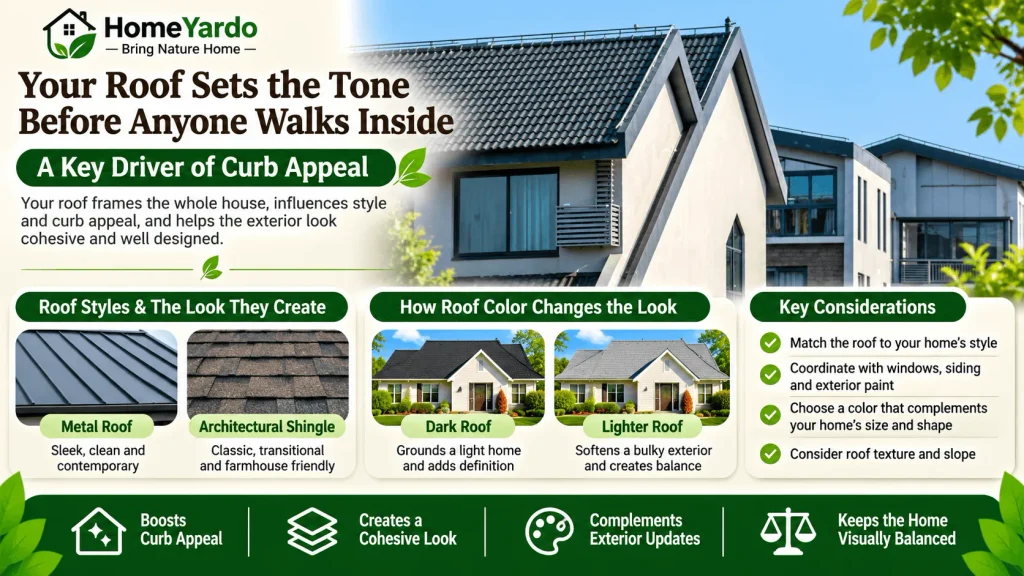
Your roof is one of the first things people notice, even if they don’t realize it. It frames the whole house, influences curb appeal, and can make a modern exterior look sharp or slightly confused. A sleek metal roof gives off a cleaner, more contemporary vibe. Traditional architectural shingles tend to support classic, transitional, or farmhouse styles.
If you’re updating windows, siding, or exterior paint, ignoring the roof can create a mismatch. Think of it like wearing formal shoes with gym shorts. Technically possible, visually questionable. Color, texture, and slope all matter. A dark roof can make a light home feel grounded, while a lighter roof can soften a bulky exterior and help the house feel more balanced from the street.
Timing A Roof Project Can Save You Money and Stress
Many homeowners treat roofing work like an emergency-only category. That usually leads to rushed decisions, limited contractor availability, and preventable interior damage. Planning ahead gives you more room to compare materials, coordinate exterior updates, and budget without panic.
It also helps to think about sequencing. If you’re repainting the house, replacing gutters, or upgrading skylights, line those projects up carefully. A new roof installed at the right stage can reduce duplicate labor and avoid redoing surrounding work. If your roof is aging, curling, leaking, or losing granules, it may be time to seriously evaluate roof replacement. Treating it as a strategic home upgrade instead of a crisis response often leads to better workmanship and smarter design choices.
Coordinate Roofing With Other Exterior Improvements
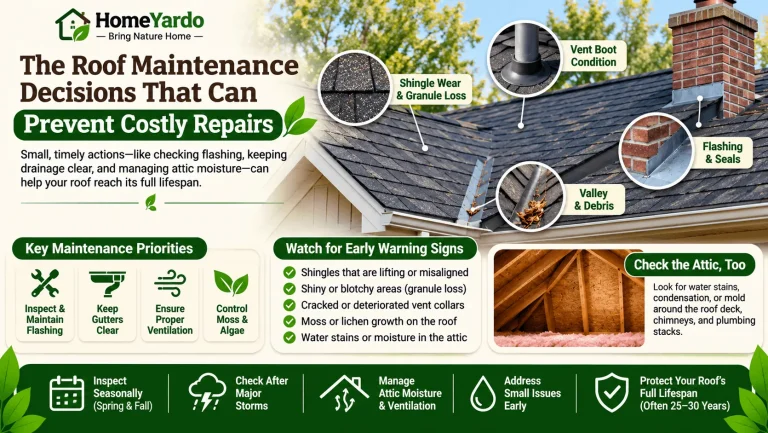
Roof work can affect gutters, skylights, flashing, siding connections, and exterior trim.
If you’re planning several renovations, discuss the sequence with the contractors involved. Installing a new roof before certain skylight or gutter modifications, for example, could create unnecessary rework.
For a fuller project-planning guide, read what to know before replacing your roof.
Design Choices On The Outside Affect Living Quality Inside
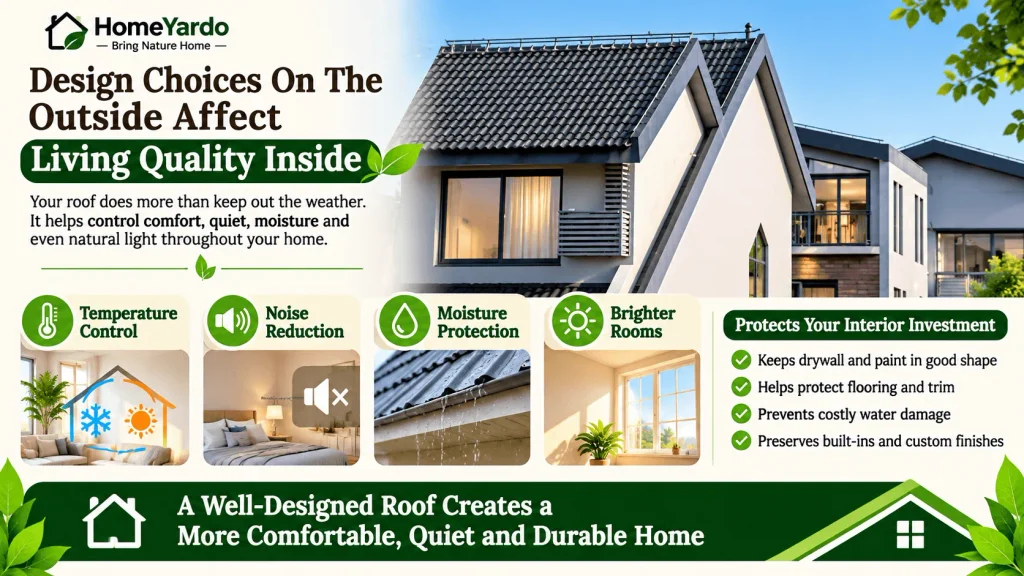
A roof is not just an exterior shell. It plays a major role in temperature control, noise reduction, moisture protection, and even how bright certain rooms feel. Better roofing materials can help regulate indoor temperatures, which matters a lot during hot summers and damp winters.
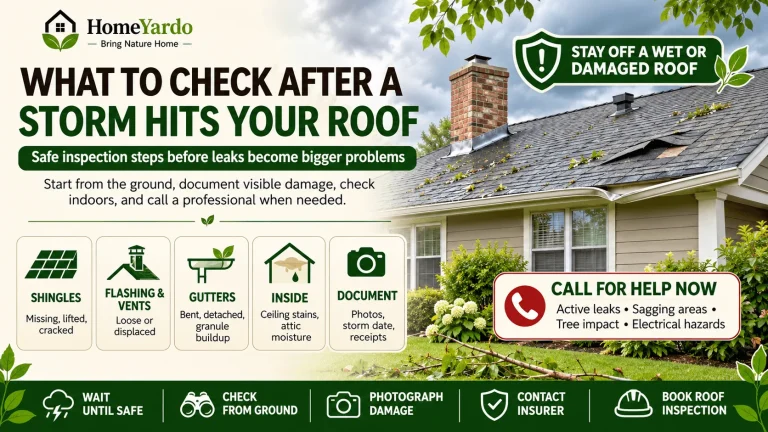
If your upstairs rooms always feel stuffy, the issue may not be your decor or your vents alone. Roofing ventilation often contributes to comfort problems people wrongly blame on insulation or old windows. The roof also protects finishes you do notice every day, like drywall, flooring, trim, and built-ins. One slow leak behind the scenes can undo a lot of expensive interior design work. Pretty tile and custom millwork lose their charm fast when water stains crash the aesthetic.
Material Matters More Than Most Homeowners Expect
Different roofing materials come with different design implications, maintenance demands, and lifespans. Asphalt shingles remain popular because they’re cost-effective and versatile. Metal roofs have gained traction for their durability and crisp visual lines. Tile and slate can look stunning, though they require the right structural support and a bigger budget.
When you compare options, don’t stop at appearance. Ask how each material performs in your climate, how long it typically lasts, and what upkeep it requires. Some materials fade more gracefully than others. Some handle wind and rain better. Some make more noise during storms. A roof that fits your home’s style but fights your environment is a bad long-term relationship. Good design always works with real conditions, not just with your Pinterest board.
Color And Profile Can Change The Whole Personality Of A House
Roof color affects more than style. It changes visual scale, energy performance, and the way your exterior materials interact in natural light. Black and charcoal roofs often look crisp and upscale, especially with white siding or warm wood accents. Brown and weathered tones pair well with stone, brick, and more traditional palettes.
The roof profile matters too. High-contrast lines can make a home appear taller or more dramatic. A low-key shingle pattern may suit a coastal or casual property better than something bold and heavily textured. Before choosing, look at the roof from multiple angles and at different times of day. Samples on a board are helpful, but sunlight has opinions of its own. The best choice usually feels cohesive, not attention-seeking.
Roofing Decisions Can Influence Resale More Than Fancy Upgrades
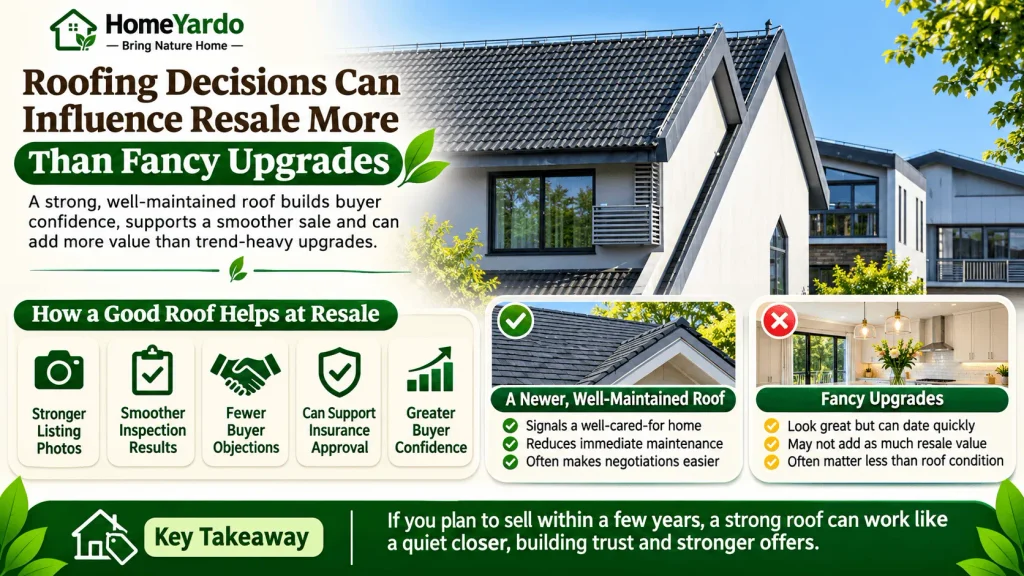
Buyers notice roofs quickly because they know replacement costs are high. A roof in poor condition can trigger doubts about how well the rest of the home has been maintained. Even if your kitchen looks beautiful, a worn roof may quietly lower confidence and weaken offers.
A newer roof can support listing photos, improve inspection results, and reduce buyer objections during negotiations. It also signals practical value, which many shoppers appreciate more than trend-heavy upgrades that may age poorly. Real estate agents often mention roof age because buyers ask. They know it affects insurance, immediate maintenance expectations, and overall peace of mind. If you plan to sell within a few years, a strong roof can work like a quiet closer. It won’t brag, but it definitely helps your case.
Workmanship Is the Difference Between Good Looks and Real Performance
Even premium materials can underperform if the installation is sloppy. Flashing details, ventilation, underlayment, and drainage all affect how well the roof protects your home over time. From the street, two roofs can look nearly identical. Five years later, one may still perform beautifully while the other starts introducing water where it absolutely does not belong.
That’s why contractor selection matters as much as material selection. Ask about licensing, insurance, product familiarity, cleanup practices, and project timelines. Review completed work, not just polished marketing photos. A well-installed roof should complement your home’s design while doing the technical heavy lifting quietly in the background. Good craftsmanship rarely announces itself, but you’ll notice its absence quickly. In home improvement, invisible competence is often the real luxury.
A Smart Roof Upgrade Supports the Whole Home Story
The best homes feel intentional. Rooms connect well. Exterior choices make sense. Nothing feels random or patched together. Your roof plays a larger role in that harmony than most people expect. It helps define character outside while protecting comfort, finishes, and value inside.
If you’re renovating, building, or simply trying to make better long-term decisions, include the roof in your design thinking from the beginning. Consider style, climate, performance, and timing as part of one bigger picture. You don’t need to become a roofing expert overnight. You just need to stop treating the roof like background scenery. When it works visually and structurally, the entire home feels more complete, and that kind of cohesion is hard to fake.
Frequently Asked Questions
Your roof influences curb appeal through its shape, color, texture, and architectural profile. Roofing that complements siding, windows, and trim helps create a balanced exterior appearance.
Yes, in some circumstances. A properly designed roof system can help manage heat gain and moisture, but insulation, air sealing, and attic ventilation also affect comfort. Replacing shingles alone may not solve temperature problems.
Roof color can influence solar heat absorption. Lighter and specially engineered reflective products often absorb less solar energy, although actual cooling savings depend on climate, insulation, and material properties.
There is no universal best option. Asphalt shingles, metal, tile, and slate can all support resale appeal when appropriate for the property’s architecture, local market, and structural requirements.