Make A Metal Roof Part Of The Whole Exterior Design
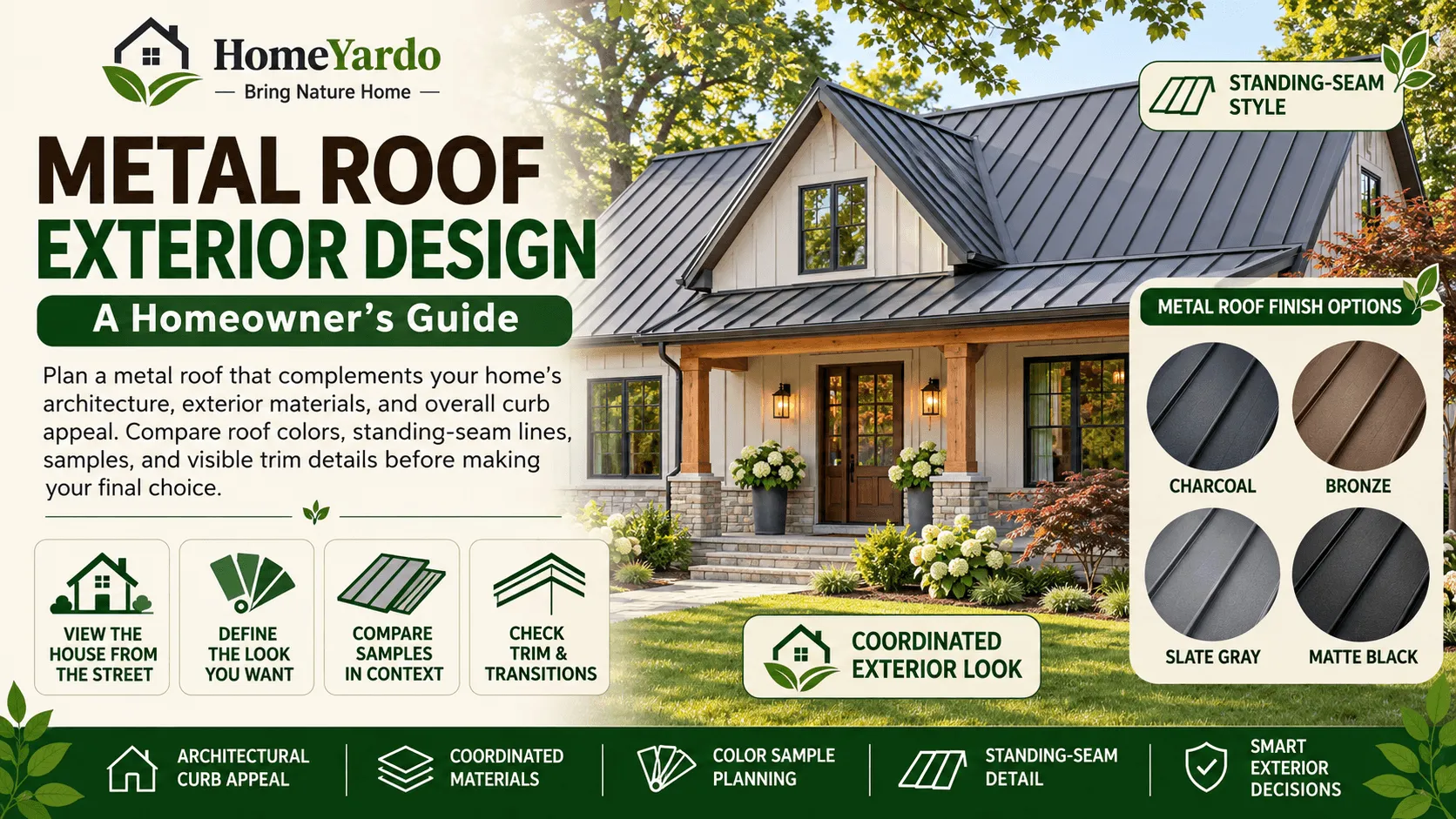
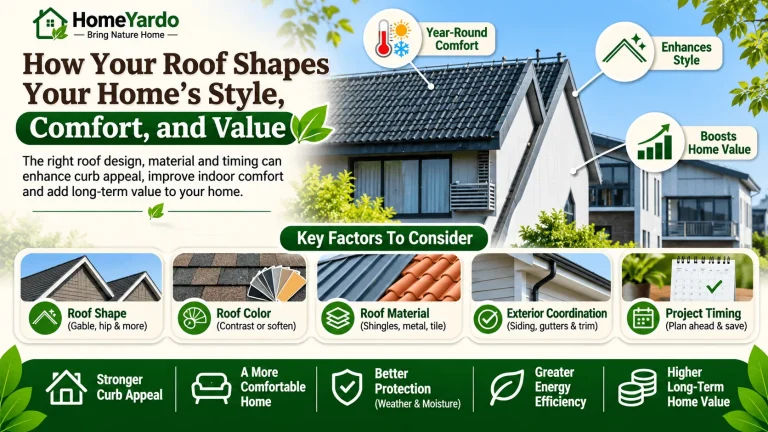
A new roof is often discussed as a practical project first, but it also becomes a large part of the home’s appearance. A standing-seam design can introduce strong lines, a different texture, and a new relationship between the roof and the walls below it. Choosing well means looking beyond an isolated color sample.
The design conversation should happen alongside a professional assessment of the house. Appearance preferences do not determine whether a particular system is appropriate. They help the roofing team understand what you hope to achieve while it evaluates the property and explains suitable options. For broader planning ideas, review HomeYardo’s guide to home exterior design, which explains how roofing, siding, windows, and architectural details contribute to a coordinated appearance.
Look at the House From Everyday Viewpoints
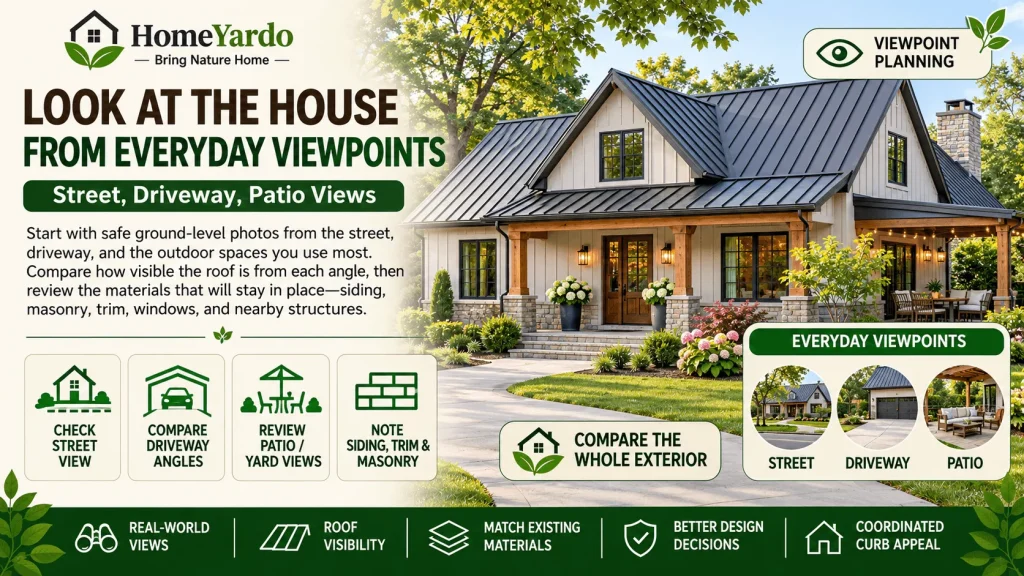
Begin with photographs taken safely from the ground. Include the view from the street, the driveway, and the outdoor spaces you use most. A roof that appears prominent from one angle may barely be visible from another. These views help you focus on the parts of the project that will actually shape the home’s appearance.
Notice the elements that are staying: masonry, siding, window frames, trim, and nearby structures. The roof does not need to match every surface, but it should be considered alongside them. If another exterior project is planned, tell the roofer so the conversations do not develop as disconnected decisions.
Describe the Effect You Want
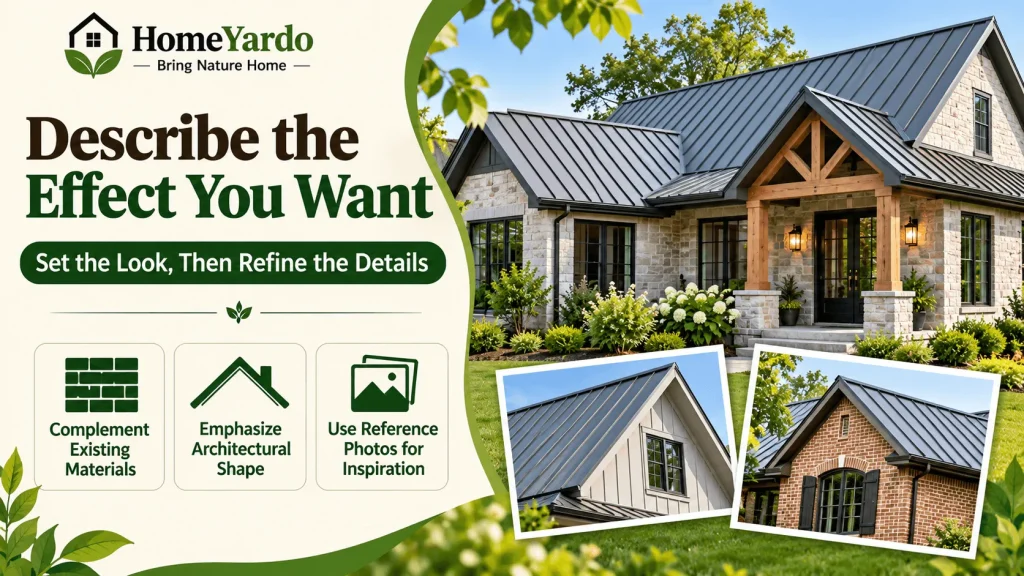
Try describing the desired result before naming a color. Perhaps you want the roof to feel quieter against a busy brick pattern, emphasize a simple architectural shape, or coordinate with an addition. These descriptions help a designer or contractor understand the intention behind your sample choices.
Collect a few reference photographs, but explain which feature you like in each. You may admire the vertical rhythm of one roof while preferring the restrained color of another. Avoid assuming that the entire installation in a photograph can be reproduced on your house or that the image reveals the system’s technical details.
Understand What The Proposed System Includes
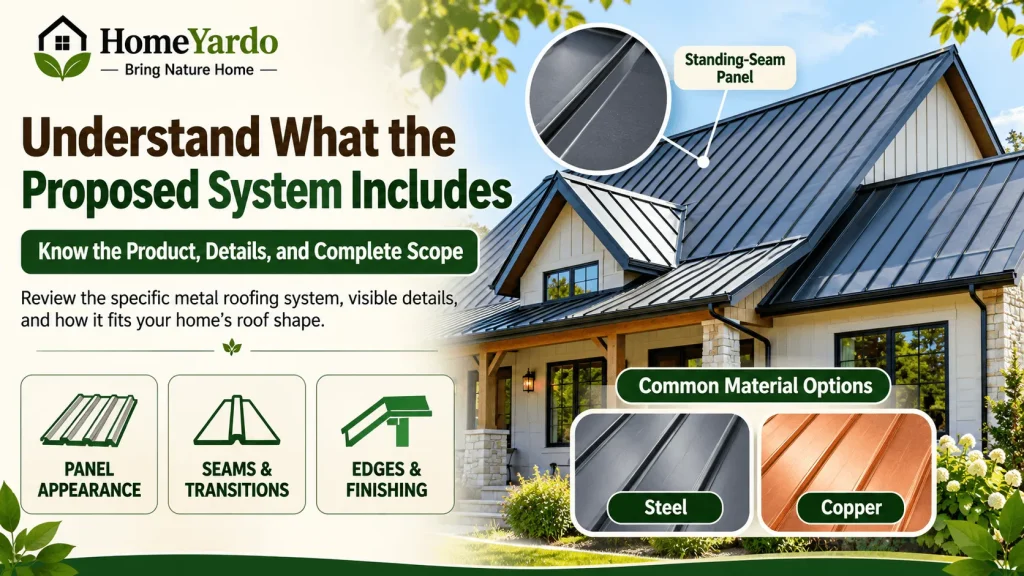
Ask the professional to identify the specific product and explain the visible details that accompany it. Panel appearance, seams, edges, and transitions should be discussed as a coordinated installation rather than separate decorative items. Request clarification about how the proposed design fits the actual roof shape.
For homeowners considering Donovan’s standing-seam metal roofing, the company’s service page illustrates its architectural metal approach and describes steel and copper options. Use that information to prepare questions, then ask the team to explain which choices it recommends for the property being assessed.
Keep product descriptions precise in your notes. A general phrase such as metal roofing can cover different proposals. When comparing options, make sure you know which material, finish, and system each document describes. You should not need to infer a specification from a photograph or a broad sales label.
Evaluate Samples In Context
Ask whether physical samples are available and view them with the exterior materials that will remain. Look outdoors at different times rather than relying entirely on a showroom display or phone screen. A small sample is useful, but it is still only part of the information needed to imagine a large roof surface.
Ask the supplier or contractor how to interpret variations between samples, photographs, and the finished product. Keep the exact product and finish names with your selection notes. If you are comparing several similar tones, label them clearly so a sample that was merely considered is not mistaken for the approved choice.
Discuss how the appearance may change with the particular material and finish. Obtain the relevant product information rather than assuming every metal option will age or require care in the same way. The aim is to choose with realistic expectations, not to demand that a new roof look exactly like a digital rendering forever.
Pay Attention To The Connections
Edges and transitions can affect the overall impression as much as the main roof surface. Ask how visible trim, gutters, adjoining roof areas, and penetrations will be addressed in the proposed scope. Request photographs or drawings when an explanation is difficult to visualize.
Leave technical detailing to the qualified team, but make sure the aesthetic decisions are discussed before materials are finalized. If an accessory or related component is needed, ask how it will look and whether it is included. A design preference should not lead to removing a necessary feature or improvising an installation detail.
Coordinate Approvals and Related Projects
If an association, historic review process, or other approval applies to the property, determine what documentation is needed before placing final selections. Ask the appropriate authority about the process rather than assuming a nearby roof establishes permission for your own home. Keep the approval record with the project documents.
Tell the contractor about planned solar equipment, additions, gutter changes, or other work that could involve the roof. Ask how the professionals responsible for those projects should coordinate. Do not assume that a later alteration can be made without affecting the installed system, applicable terms, or the appearance you selected.
Put The Final Design Into The Written Scope
Once the decisions are made, review the proposal for the exact selections and associated work. Identify exclusions, unresolved choices, and any item described as an allowance. If a sample or drawing is part of the agreement, make sure its version is clear and that the written description matches it.
Ask how substitutions would be handled if a product is unavailable. A similar color name does not necessarily mean an equivalent product or finish. Agree on a process for reviewing changes before they are approved, including any effect on the project’s cost or schedule.
Before signing off, compare the selected materials against the original design intention. If the choices changed during planning, make sure the result still reflects your priorities rather than a series of unrelated substitutions.
Think Beyond The Installation Day
Request the applicable care instructions and warranty documents before committing to the system. Ask who should handle inspections, maintenance, or later work near the roof. Avoid assuming that a particular material eliminates upkeep or guarantees a specific lifespan, insurance benefit, or resale result.
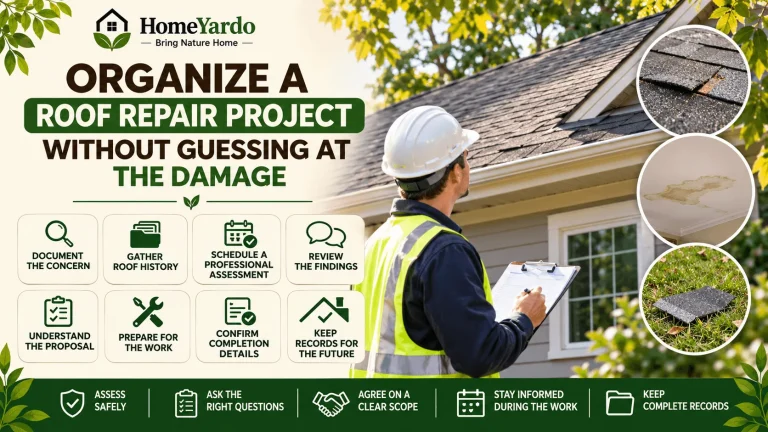
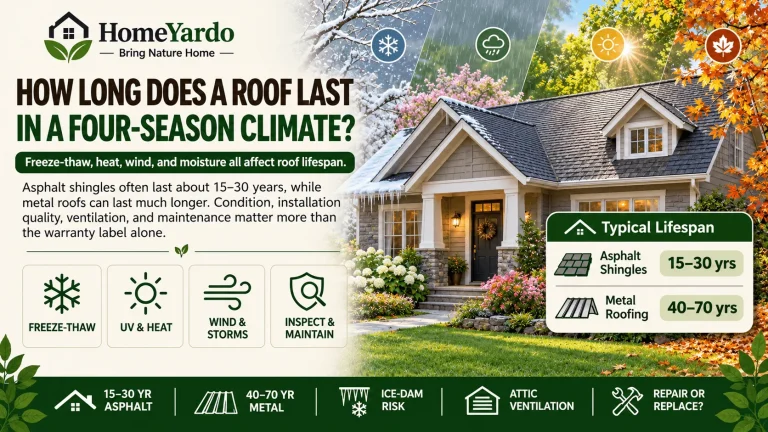
Keep the final product information, approved color, project scope, and service contacts together. Those records can be useful when arranging future work or explaining what was installed. A deliberate design process ends with more than a pleasing photograph: it leaves you with an exterior choice you understand and documentation that supports its ongoing care. For more information about how weather and construction affect roofing durability, see HomeYardo’s guide to how long a roof lasts.
Final Takeaway
Making a metal roof part of your home’s exterior design requires more than choosing an attractive panel color.
Begin with the building’s architecture and permanent exterior materials. Then consider the roofing system, seam appearance, color combinations, transitions, and connections to other improvements.
Work with a qualified contractor to confirm that the selected system is suitable for the roof and that all aesthetic decisions are included in the written project scope.
The goal is a metal roof that complements the entire house while meeting the practical requirements of a reliable roofing installation.
FAQ’s
The best color depends on the home’s siding, masonry, trim, architectural style, and surrounding environment. Charcoal, black, gray, bronze, and other neutral finishes can work with many exterior palettes. Compare physical samples against existing materials before making a final choice.
Either approach can work. A darker roof often creates contrast with light siding, while a lighter or medium-tone roof may produce a softer appearance. The best combination depends on the home’s proportions, architectural character, and existing finishes.
Yes, standing-seam roofing can complement some traditional homes when the panel profile, finish, and visible details suit the architecture. Historic properties or neighborhoods with design restrictions may require additional approvals.
Start by examining the brick’s dominant colors and undertones. Warm red or brown brick may work with bronze or selected neutral roof finishes, while cooler masonry may coordinate with gray tones. Evaluate physical samples in natural daylight.