Why Combi Boilers Suit Small Homes
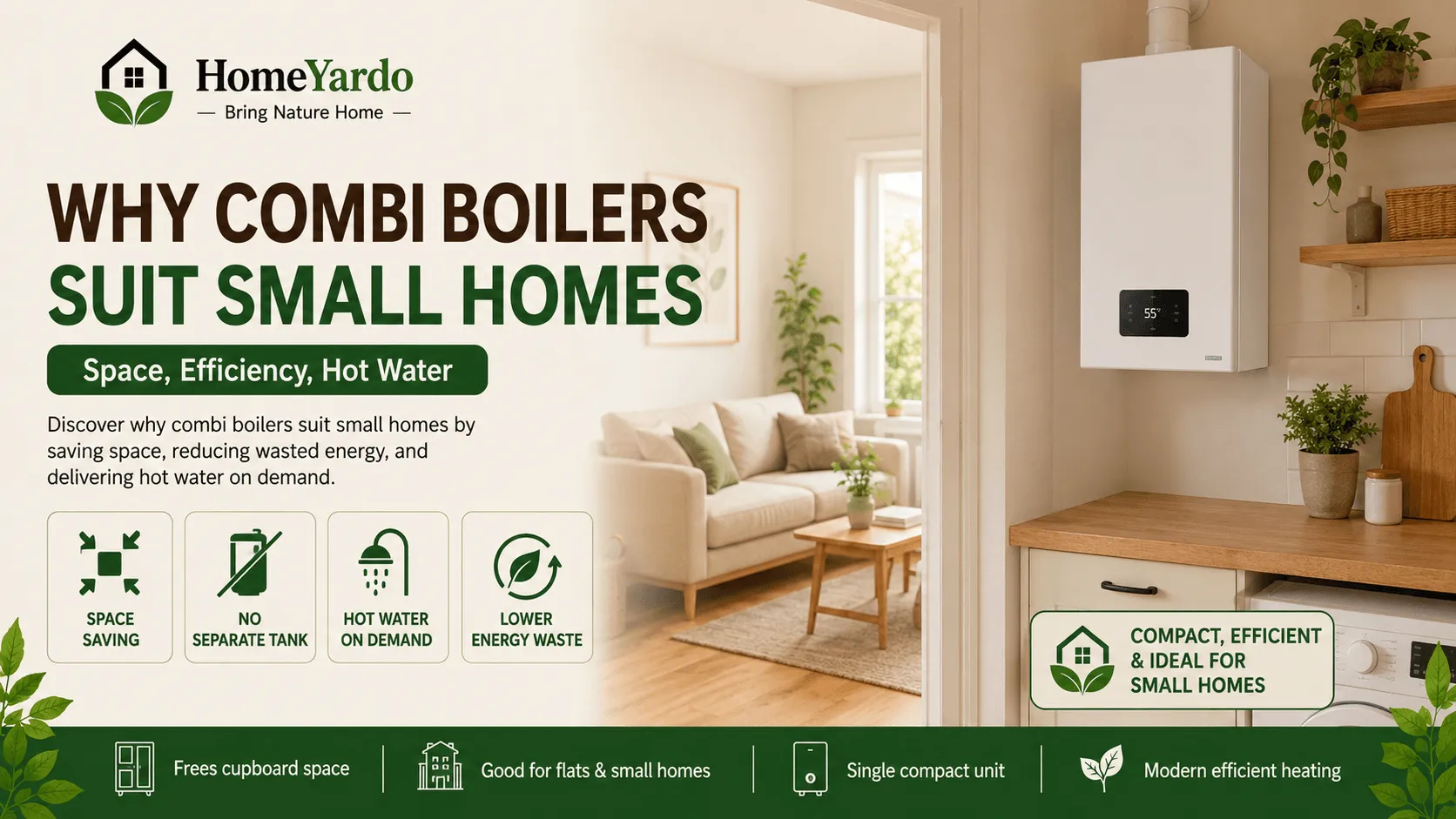
Generally, when living in a smaller place you need to be clever about how you use every inch of space. UK homes are typically small and new buildings may focus on living space as well as utility and storage rooms.
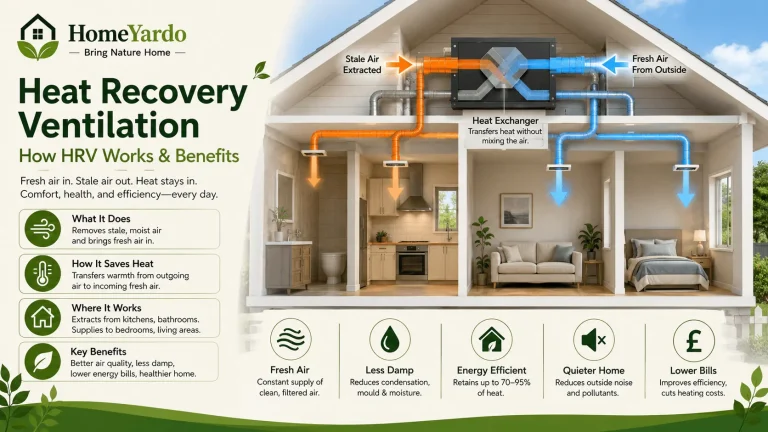
The sort of heating system is important to heat these dwellings efficiently without losing valuable cabinet space. Ventilation is another part of keeping a smaller home comfortable and energy efficient; heat recovery ventilation can provide fresh air while recovering heat from outgoing air. A combination boiler, sometimes just referred to as a combi boiler, supplies both central heating and hot water from a single unit. This can reduce the heating set up for the right home while freeing up space that would otherwise be needed for a separate hot water cylinder.
The benefits vary depending on the size of the property, the water usage, mains pressure, insulation and the quality of the current heating system. Here’s how combi boilers can work for smaller houses and what homeowners need to think about before switching.
Smart Space Saving, No Additional Tanks
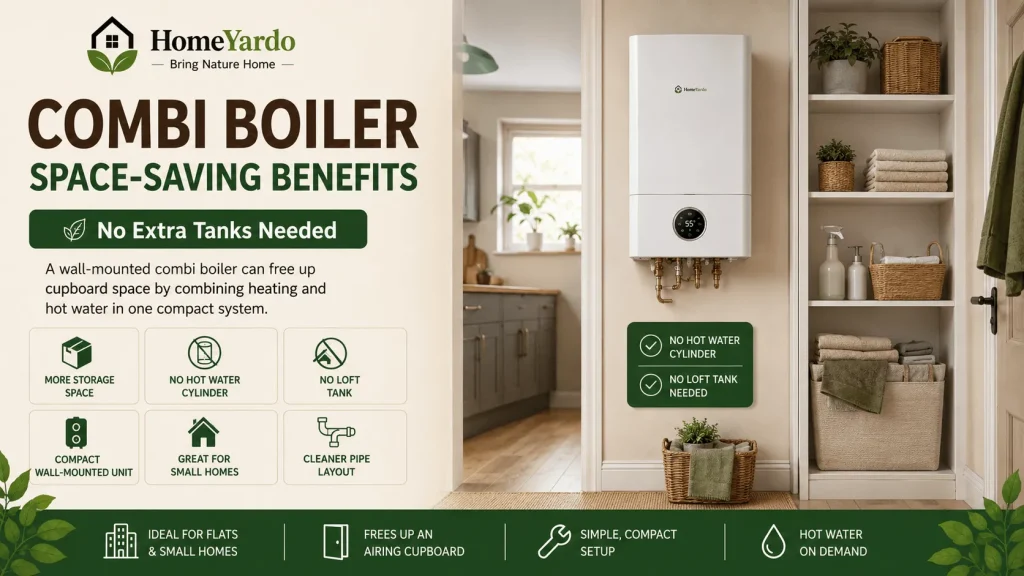
Traditional heating systems have a separate hot water cylinder (typically in an airing closet) and a cold water storage tank in the loft. In a small house or modern flat, the fact that you have a whole cupboard for heating and hot water equipment might eat into useful storage space.
A combination boiler does the two jobs in one wall-mounted equipment. In a typical combi configuration a separate hot water cylinder is not required as the domestic water is heated immediately when required by a tap or shower.
That can free up an airing cupboard for towels, cleaning supplies, domestic storage or other regular applications.
Removing a loft storage tank can also make the pipework layout simpler and can make some loft conversion projects easier to plan. But existing plumbing and structural requirements still have to be evaluated before any change.
In a smaller family where the hot water demand is not high, it is often an advantage to have the main hot water and heating equipment in one system so the available space is better utilized.
Instant Hot Water for Lower Energy Usage
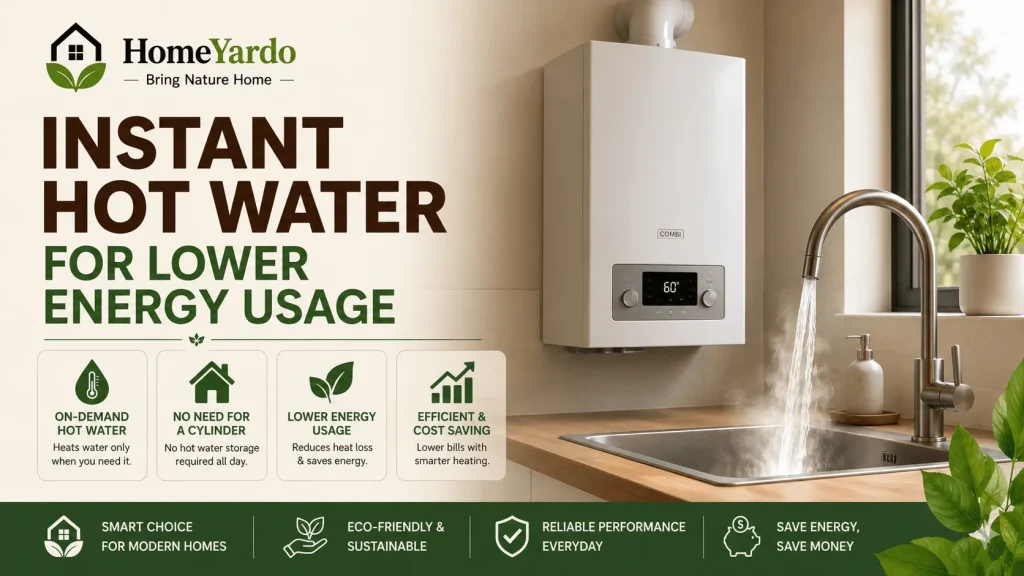
Combi boilers heat water straight from the mains when you turn on a hot tap or shower. Unlike a system that reserves a lot of hot water, usually there is no need for a cylinder to keep hot water all day long.
This on-demand strategy can be rather effective for smaller homes where the demand for hot water is pretty predictable and several people are not likely to be using various outlets at the same time.
Water pressure and flow rate are still key factors. A combi boiler can only produce mains water flow equal to the flow into the property. Where there is a risk of multiple showers or taps being used simultaneously a different approach may be more appropriate.
If you are looking to purchase a new heating system, the easiest way to compare the best combi boiler options is by flow rate and output capacity to match the boiler to the real requirements of the property and household.
It’s crucial to choose the correct boiler output. A boiler that’s too big for the heating demands of the house may cycle unnecessarily, while a boiler that’s too small could not be able to deliver enough hot water or heat when demand is high.
Modern Efficiency and Lower Running Costs
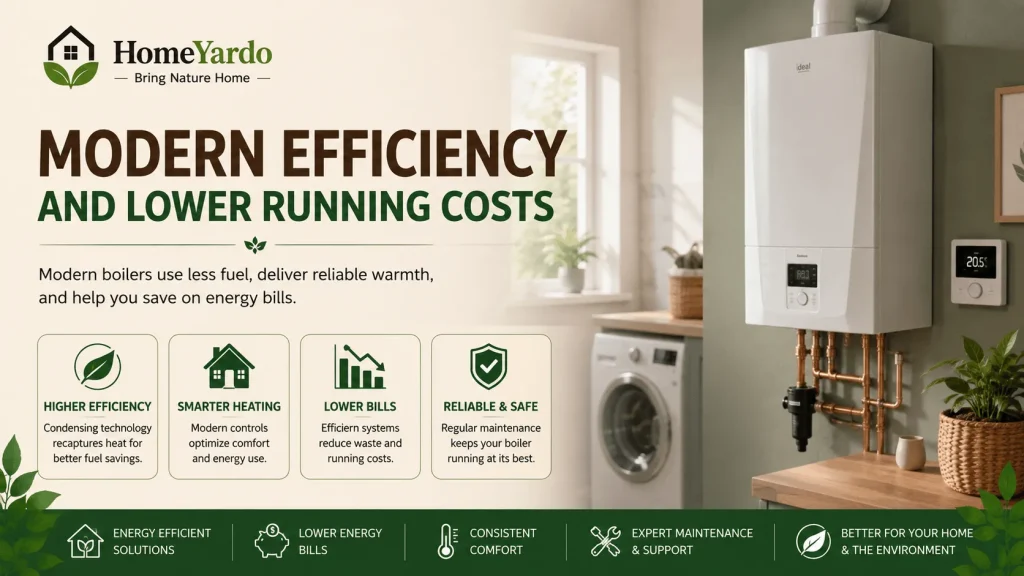
Modern condensing boilers are designed to recapture part of the heat that would otherwise be lost up the chimney, meaning they are more fuel efficient than older boiler types.
In a smaller property there is often less space to heat, but actual energy use is influenced by factors such as the property’s insulation, windows, room temperature and occupancy, as well as the structure of the property and exterior weather. A well-sized boiler can avoid squandering energy by having too much heating capacity.
The heating controls that go with the boiler are also important. Programmable thermostats, thermostatic radiator valves, weather compensation where supported and reasonable heating schedules can help regulate when and how the system runs.
Maintenance should also be considered when choosing a combi boiler. A combi boiler combines essential heating and hot-water components into one appliance, but it still needs to be serviced and inspected properly. Regular professional maintenance can help identify developing issues and keep the system operating safely. Seasonal HVAC and heating-system tune-ups can also help homeowners prepare their equipment before periods of heavier use.
When is a Combi Boiler Right for a Smaller House?
A small floor area alone doesn’t necessarily make a combi boiler the ideal solution. Also consider the property’s water supply and the demand for household hot water.
A combi boiler could be a good option if:
- There is insufficient storage space or cabinet space in residence.
- There is not a big call for a big stored hot water supply.
- Moderate hot water demand from dwelling.
- The pressure and velocity of the incoming mains water supply is correct.
- The homeowner desires a single compact appliance to provide heating and hot water.
If numerous bathrooms are utilized simultaneously, there is a large demand for hot water or the mains water supply is insufficient for the required flow rate, then another boiler system may be a better option.
Making the Right Choice for Your Space
A combi boiler is a fantastic method to save up closet space and provide heating and hot water from one neat device. The space-saving advantage is especially important in smaller homes where every cupboard has a functional purpose.
Size of the property should not determine the best choice. Think about your hot water usage in the home, mains water pressure and flow, insulation, heating requirements, space available and the quality of your existing system.
A correctly sized, professionally fitted boiler can offer an effective heating solution that doesn’t take up additional storage space. Have the house and existing heating system analyzed before installing a replacement system to ensure that the new boiler meets the home’s actual needs.
FAQ’s
Combi boilers can be a good choice for smaller houses as they combine heating and hot water in one compact appliance and usually don’t need a separate hot water cylinder.
Yes. A basic combi boiler system eliminates the need for a separate hot water cylinder or a cold-water storage tank, saving space in your cupboards and loft.
If you turn on a hot tap or shower, a combi boiler will heat the household water on the spot. Depending on the distance of the tap from the boiler, there could be a small delay before the hot water reaches the output.
They can be efficient because they heat water on demand, rather than keeping a big volume of hot water stored all the time. Running expenses will vary depending on the boiler, controls, insulation, property and energy rates and how the system is used.
The right size depends on the heating needs of the home and how much hot water it needs. A heating engineer can look at the home, the number of bathrooms, hot water outlets, insulation and mains water flow to determine the right output.
Yeah. Combi boilers are often a consideration for flats and other smaller homes when space is limited. Suitability relies on the heating demand of the property, the configuration of the gas and flue, the mains water supply and the installation requirements.
It can be, but you may be limited in how many you can run at one time. If you frequently have more than one shower or tap running at the same time then a system with stored hot water may be a better fit.
Not intrinsically. The appropriate replacement relies on the current heating system, available space, hot water consumption, mains water supply, boiler condition and property requirements. The system should be evaluated by a trained heating technician prior to replacement.