Weatherproofing Manufactured Homes from Hail, Wind and Storms
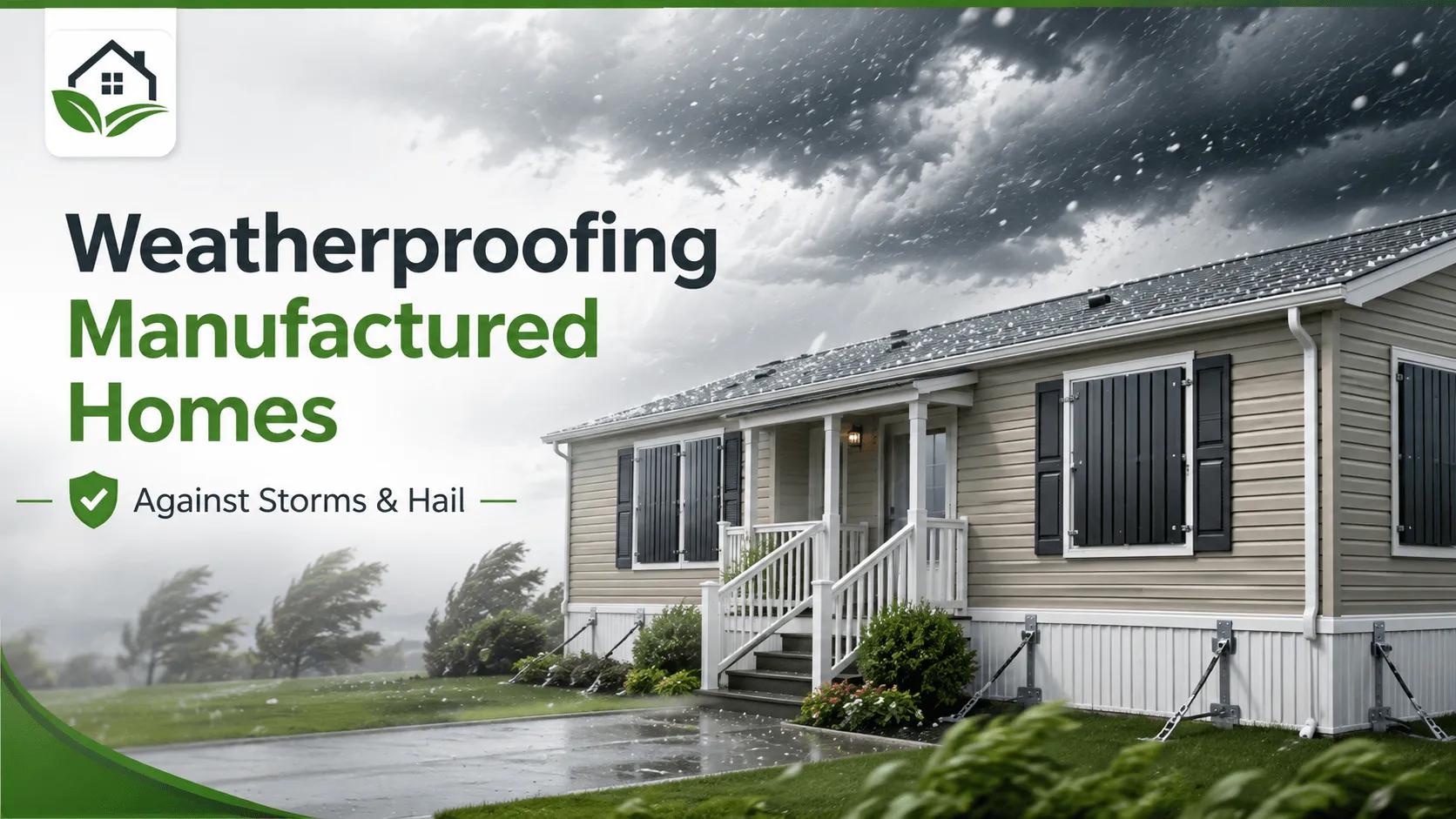
Manufactured and prefabricated homes offer great comfort, efficiency and modern style. However, their lightweight frame makes them extremely vulnerable to harsh weather occurrences. Failure to take preventive action can lead to structural damage and costly property loss due to harsh weather, from catastrophic spring hail storms to high-velocity prairie winds. Proactive preparation for seasonal climatic threats to your dwelling, from roof tie-downs to fundamental skirting resilience.
Replacing brittle, aging exterior cladding with impact-resistant siding for mobile homes creates an indispensable first line of defense against flying debris and wind-driven rain. By implementing comprehensive weatherproofing strategies across your home’s exterior envelope, you can safeguard your investment and enjoy peace of mind throughout every storm season.
Roof and Structural Anchorage System Enhancements
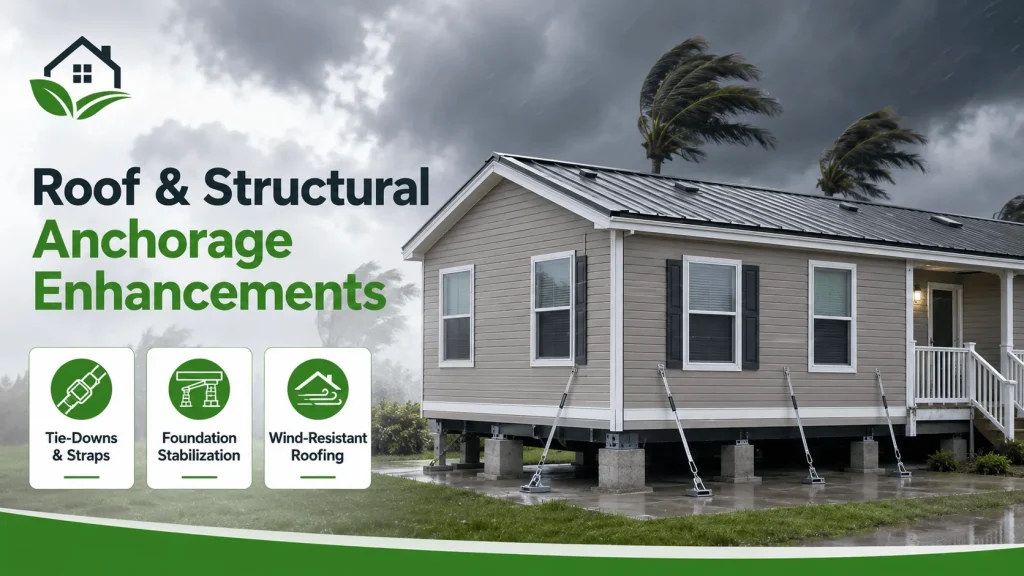
The biggest concern to manufactured housing is high velocity winds. Wind shear can create severe lift in an upward direction. Securing the underlying frame and roof structure helps keep your home firmly grounded to the earth during severe thunderstorms or tornadic circumstances.
Tiedowns, Straps and Foundation Stabilization
Good anchor systems transfer wind forces down into the soil so the structure does not slide or overturn. Over time, earth movement and soil erosion can free up tension on steel tie-down straps. Frame ties and over-the-roof straps should be inspected yearly. Straps should be tight, rust free and attached tightly to ground anchors that are dug below the frost line. If your prefabricated home is built on an unreinforced pier-and-beam structure, then adding engineered longitudinal and transverse wind-stabilization bracing during a retrofit will greatly boost the resistance to lateral loads during gale-force wind gusts.
Roof Strengthening and Wind Resistant Materials
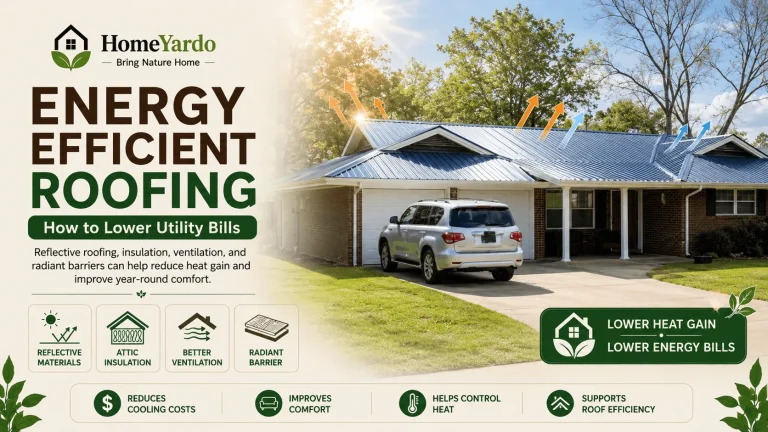
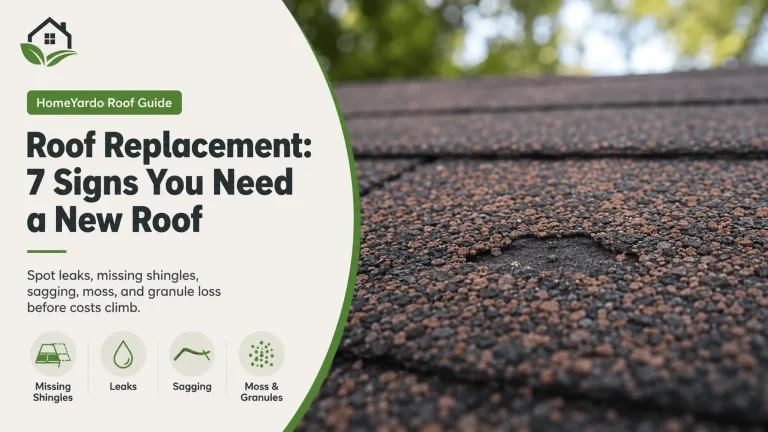
Wind uplift is particularly hazardous at roof edges. High winds can rip unsecured roof seams or eaves, pulling back metal sheets or courses of shingles. Sealing micro-cracks and reflecting solar heat is accomplished by applying elastomeric roof coatings or high-grade polyurethane sealants along all roof seams, flashing points and vent pipes. For an older roof, consider Class 4 hail-rated architectural shingles, or heavy-gauge standing seam metal roofing designed for wind speeds above 110 miles per hour. If your roof is already showing significant wear, learn how to know when your roof needs replacement before the next severe-weather season.
Hail & Flying Debris – Reinforcing the Outer Shell for Extreme Conditions
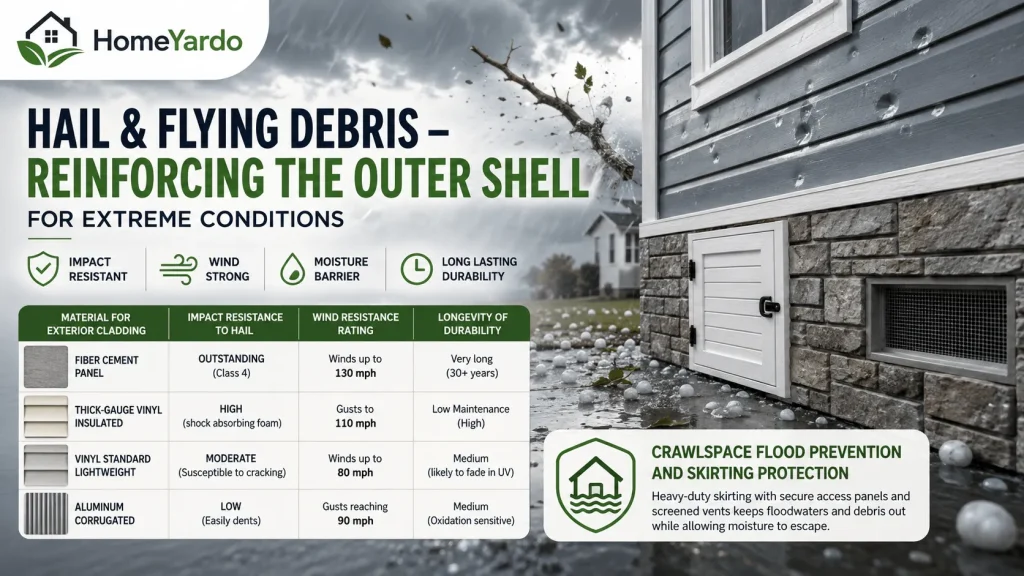
In extreme supercell storms hailstones can be larger than golf balls, striking holes in fragile wall panels and exposing pipes to damage. A robust outer envelope keeps moisture out and preserves structural wall studs.
Impact Resistant Wall Cladding and Insulation Barriers
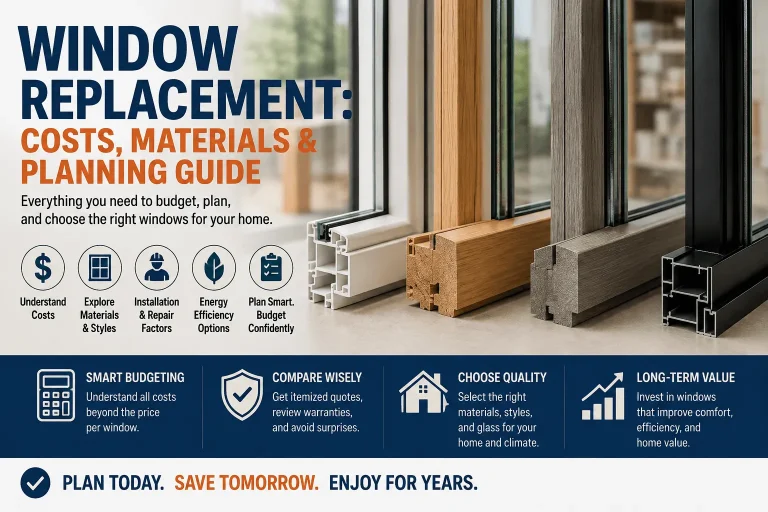
Wall panels take the brunt of wind-blown hail and wind-borne tree limbs. Standard aluminum and simple vinyl wall coverings are susceptible to denting or cracking under extreme impact, exposing inner insulation to moisture and mold growth. Thick-gauge vinyl or fiber cement wall panels offer the greatest impact protection and give structural stiffness to exterior walls. The impact-resistant cladding, along with the stiff foam insulation backing, forms a dense cushion that can absorb hail impacts without puncturing or warping.
| Material for exterior cladding | Impact resistance to hail | Wind Resistance Rating | Longevity of durability |
|---|---|---|---|
| Fiber Cement Panel | Outstanding (Class 4) | Winds up to 130 mph | Very long (30+ years) |
| Thick-Gauge Vinyl Insulated | High (shock absorbing foam) | gusts to 110 mph | Low Maintenance (High) |
| Vinyl Standard Lightweight | Moderate (Susceptible to cracking) | Winds up to 80 mph | Medium (likely to fade in UV) |
| Aluminum Corrugated | Low (Easily dents) | Gusts reaching 90 mph | Medium (Oxidation sensitive) |
Crawlspace Flood Prevention and Skirting Protection
Skirting protects the essential crawlspace beneath your home, which contains water pipes, ductwork, and structural chassis support. Standard thin vinyl skirting often flies away in high winds or shatters in hail storms. Upgrading to insulated faux-stone, brick veneer or heavy-duty cementitious skirting panels gives a solid barrier to wind uplift. Ensure your skirting has secure latching access panels and adequately screened vents, which allow moisture to pass through but prevent floodwaters and debris from entering.
If flooding does occur, see how to handle a flooded home for steps to limit further damage.
Protecting Windows, Doors and Opening Perimeters
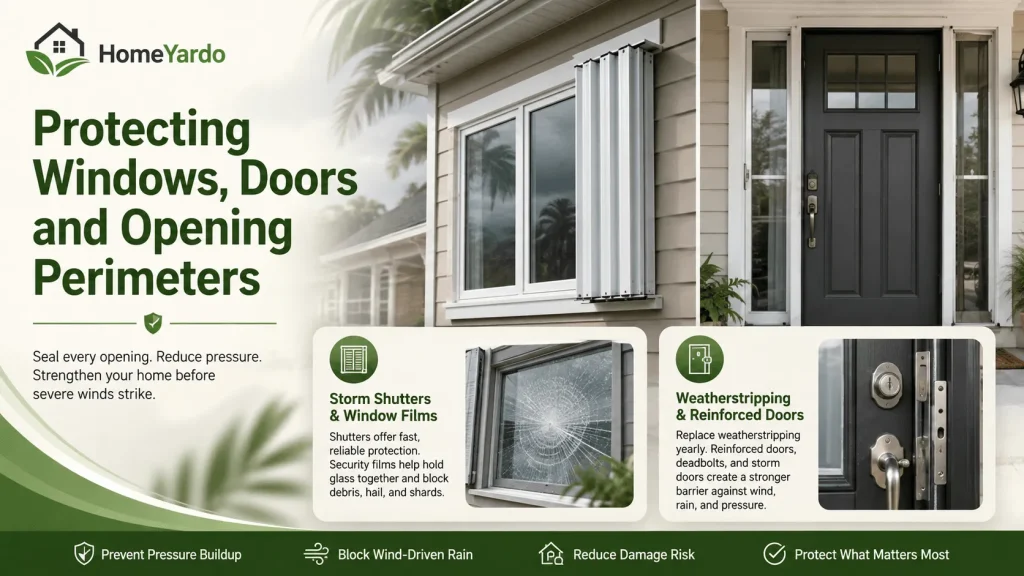
When high winds breach windows or exterior doors, internal air pressure climbs swiftly, substantially increasing the chance of roof blow-offs. Sealing the perimeter of every opening prevents pressure buildup before it damages your home.
Storm Shutters and High Impact Window Films
Big windows are weak places under pressure in a bad storm. You can install permanent accordion or Bahama-style storm shutters for fast protection of glass openings when severe weather warnings are issued. Clear security window film provides an undetectable, cost-effective layer of protection that keeps glass from breaking into dangerous shards if it is hit by flying debris or hail, and preserves the atmospheric envelope of your home.
Weatherstripping and Reinforced Exterior Doors
Exterior doors should have heavy-duty deadbolts and reinforced strike plates to handle the pressure of severe winds. Replace old rubber weatherstripping around door frames every year to prevent wind-driven rain from penetrating wall framing and subfloors. For garages, see this guide to garage door weather stripping to reduce drafts, dust, and water intrusion. Adding storm doors with tempered glass panes provides an additional protective air lock, limiting thermal loss and impact damage to primary doors.
Storm Emergency Preparedness Checklist
A proactive maintenance schedule assures your weatherproofing upgrades will work flawlessly when severe weather comes. Before the start of the seasonal storm season, do these tasks:
- Inspect Anchors and Straps: Look for rust, loss of tension, or loose heads of ground anchors under the crawlspace.
- Clear and Secure Gutters: Get leaves and debris out of gutters and downspouts so heavy raindrops may drain securely away from foundation footings.
- Prune Tree Branches Near You: Remove overhangs and dead limbs within 10 feet of your roofline to avoid damage from falling branches.
- Seal Wall and Window Penetrators: Exterior-grade silicone caulk can be used around dryer vents, outdoor spigots, window frames, and electrical boxes.
- Test Sump Pumps in Crawlspaces: Make sure that backup battery systems and crawlspace drainage pumps are working properly during heavy rains.
Peace of Mind and Long-Term Safety
Investing in full weatherproofing for your manufactured home is one of the best methods to safeguard your family and maintain property value. You fortify roof structures, upgrade exterior wall cladding, secure crawlspace skirting, and seal window perimeters, turning a lightweight house into a sturdy storm-ready refuge. These outside modifications will not only add structural protection but also increase energy efficiency, reduce insurance costs, and extend the life of your property. When you act before the storm clouds form, your environment stays safe, pleasant and secure, no matter what weather rolls across the horizon.
Learn more about heat recovery ventilation and how it can improve ventilation while reducing heat loss.
FAQ’s
Weatherproofing includes securing anchors and tie-downs, strengthening the roof, using impact-resistant siding, sealing openings, and protecting windows and doors.
Proper tie-downs, ground anchors, structural bracing, reinforced doors, secure roofing, and well-maintained siding can help improve wind resistance.
Fiber cement and thick-gauge vinyl siding can provide better resistance to hail, wind, moisture, and impact than lightweight siding materials.
Tie-downs and anchors should be inspected regularly, especially before severe-weather seasons, to check for rust, looseness, ground movement, or loss of tension.