A Simple Guide to a Cabinet Door Upgrade
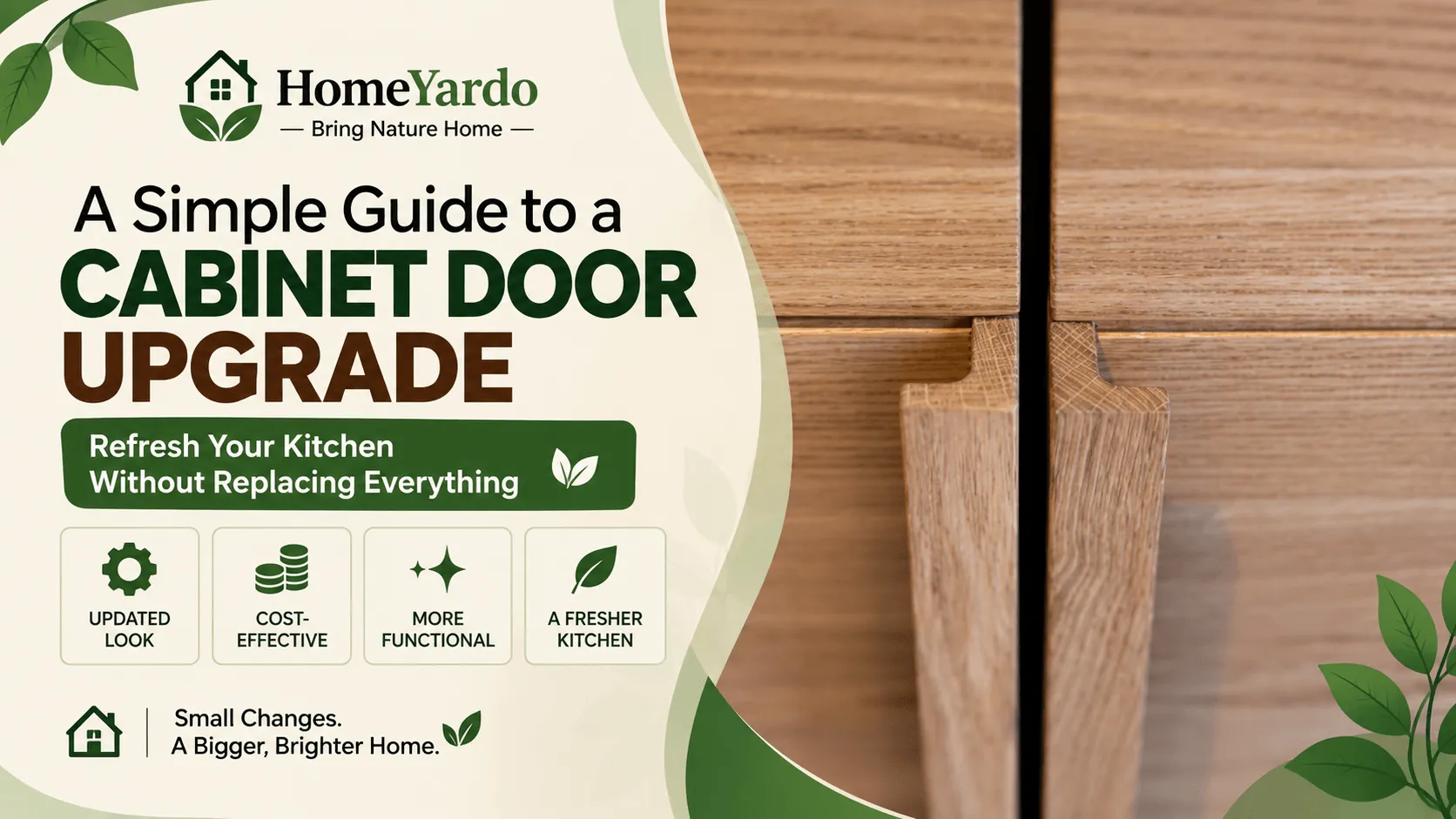
A cabinet door upgrade can change the look of a kitchen without requiring a complete cabinet replacement. New doors can refresh an outdated design, replace damaged surfaces, improve everyday function, or help existing cabinets fit better with the rest of a kitchen renovation.
However, replacing cabinet doors should start with more than choosing a color or style. The condition of the cabinet boxes, door measurements, materials, hinges, finish, and installation method all affect how well the finished upgrade will work.
If the existing cabinet structure is still solid, replacing only the doors can be a practical way to give the kitchen a noticeable update while keeping much of the original cabinetry.
Check Your Cabinets Before Replacing the Doors

Before spending money on replacement doors, inspect the existing cabinets carefully.
Start with the cabinet boxes rather than the doors themselves. Look for signs of water damage, swelling, loose joints, sagging shelves, damaged frames, or areas that have started separating.
Minor cosmetic problems may be repairable. Structural damage is different.
If the cabinet boxes are still straight, secure, and in good condition, keeping them and replacing the doors may make sense. This avoids replacing parts of the kitchen that are still functioning properly.
Cabinets with widespread moisture damage, severe warping, significant structural deterioration, or an unsuitable layout may require more extensive work.
This initial inspection helps determine whether a cabinet door replacement is actually the right solution.
When Does a Cabinet Door Upgrade Make Sense?
Replacing the doors works particularly well when you are satisfied with the basic cabinet layout but not with its appearance or door condition.
It can be worth considering when the existing doors are scratched, dated, difficult to clean, damaged, or no longer match the style of the kitchen.
A door upgrade can also make sense when the cabinet boxes remain usable but you want to change the finish, profile, hardware, or overall character of the room.
If you are considering several changes throughout the kitchen, it is worth looking at them as part of your wider home improvement planning rather than treating each update separately. Cabinet doors, countertops, flooring, lighting, and hardware often look better when the choices are planned together.
Think About the Cabinet Door Style
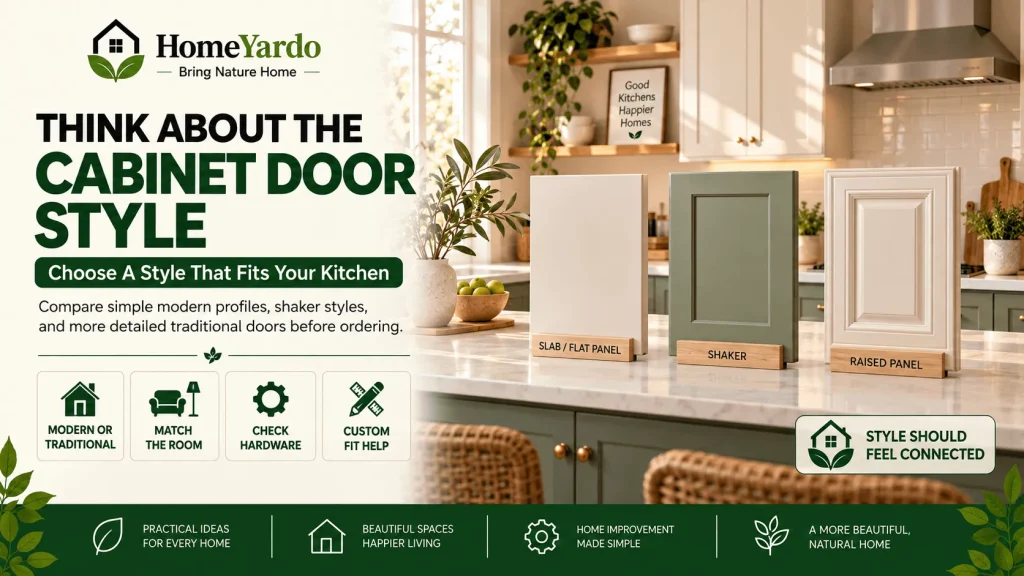
Once you know the existing cabinets can support new doors, consider the style you want.
Cabinet doors are available in many designs, ranging from clean, flat profiles to more detailed traditional styles.
A simple door profile often works well in contemporary or minimalist kitchens. Kitchens with a traditional appearance may suit doors with more detailing or defined panels.
The existing room should influence the choice as much as personal preference.
Consider the countertops, flooring, backsplash, wall color, appliances, handles, and overall architecture. A cabinet door does not need to match every other surface, but it should feel connected to the room.
Custom cabinet door service teams can also help you compare designs that work with the dimensions and appearance of your existing cabinets.
If you have saved reference images during your research, showing them to the person making or installing the doors can help communicate the look you want.
Choose the Right Cabinet Door Material
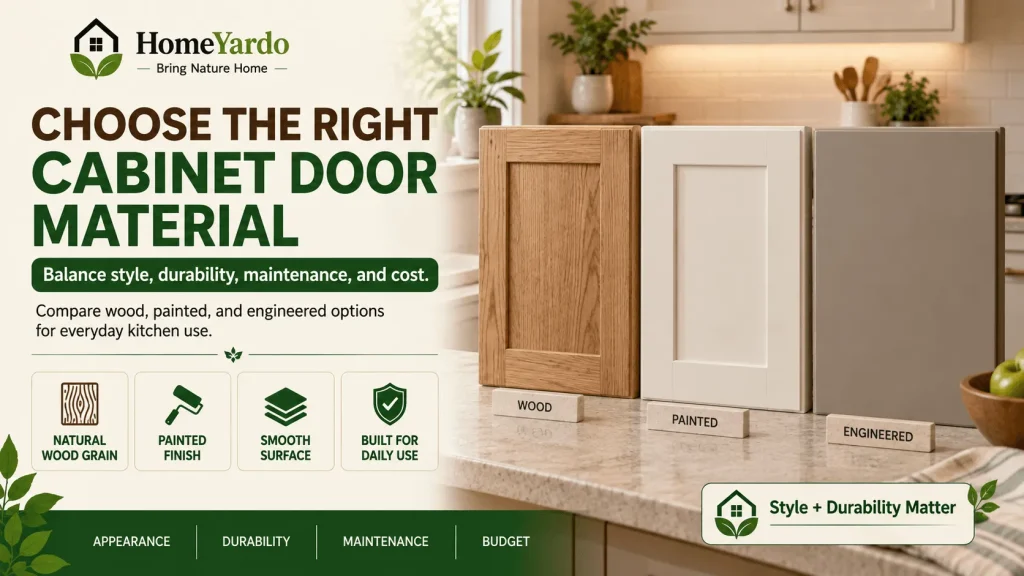
Material affects appearance, durability, maintenance, weight, finish options, and cost.
Wood remains a popular option because of its natural appearance and the variety of species, grain patterns, and finishes available. Different woods can create noticeably different results, even when the door design itself is the same.
Painted doors are another option for homeowners who prefer a more uniform finish or want a specific color.
Other cabinet-door products may use engineered materials that provide a smooth and consistent surface. The appropriate material depends on the door construction, finish, kitchen conditions, budget, and desired appearance.
A reliable custom cabinet doors provider should be able to explain what material is being used and whether it is suitable for the intended finish and everyday kitchen use.
Material quality matters because cabinet doors are handled repeatedly. They are exposed to fingerprints, cleaning, heat, moisture, cooking residue, and regular opening and closing.
Choosing a material only because it looks attractive can become expensive if it cannot cope with normal kitchen use.
Consider the Finish as Well as the Material
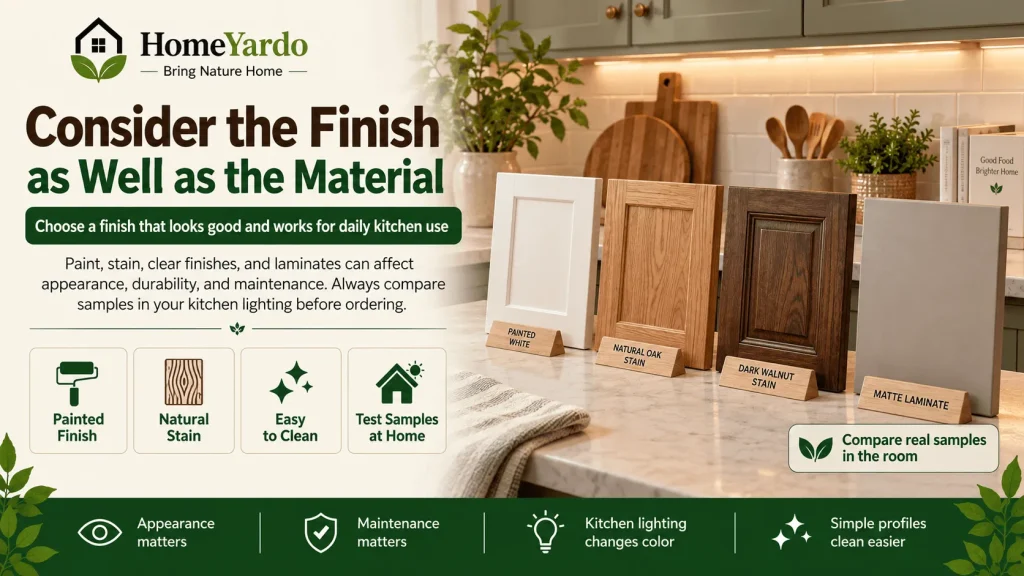
The material and finish should be considered together.
Paint, stain, clear finishes, laminates, and other surface treatments can change both the appearance of the door and the amount of maintenance it requires.
Before choosing a finish, think about how much use the kitchen receives.
A busy family kitchen may benefit from surfaces that are relatively easy to clean and maintain. Highly detailed doors can collect more dust and cooking residue around grooves, while simpler profiles generally have fewer areas that require detailed cleaning.
Color also deserves some thought. Samples can look different under kitchen lighting than they do online or in a showroom.
Whenever possible, compare an actual finish sample in the room before placing the full order.
Measure Cabinet Doors Carefully
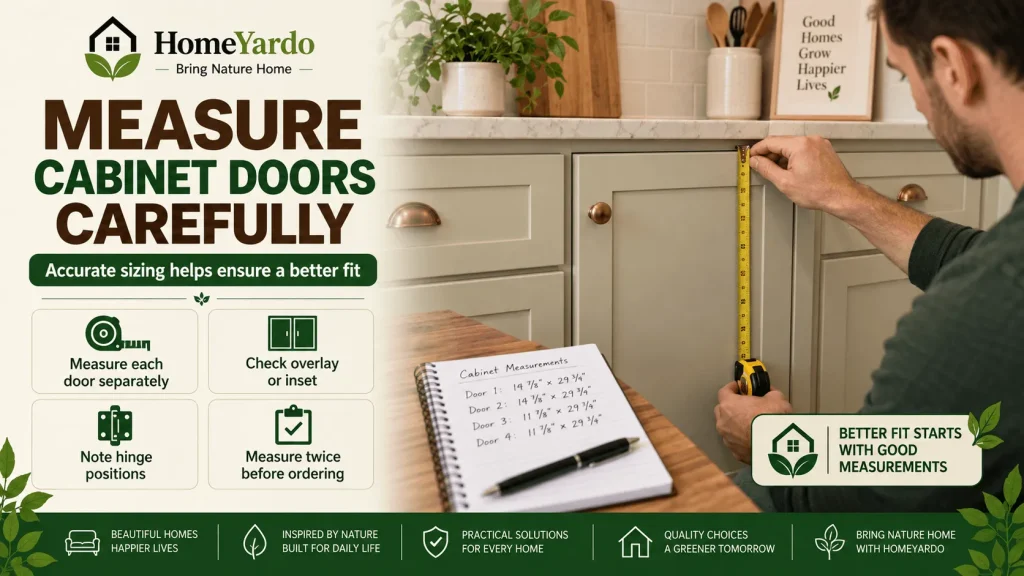
Accurate measurements are one of the most important parts of a cabinet door upgrade.
Do not assume that two doors that appear identical are exactly the same size. Older cabinets in particular may include small dimensional differences.
Measure each opening or existing door according to the requirements of the replacement-door manufacturer or installer.
The correct measurements may depend on the cabinet construction and door type, including whether the doors are overlay, partial overlay, full overlay, or inset.
Existing hinge positions can also matter.
Because custom cabinet doors are made for specific dimensions, measurement errors can result in incorrect gaps, doors rubbing against one another, or doors that do not properly cover the cabinet opening.
Check measurements more than once before ordering.
Check Hinges and Hardware Before Ordering
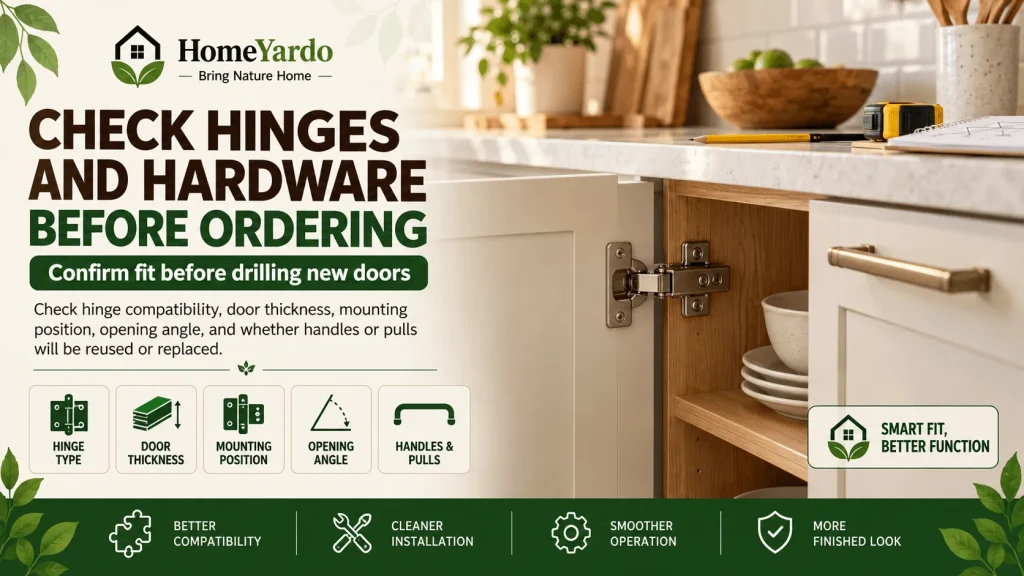
New doors do not automatically mean the existing hinges will work with them.
Door thickness, weight, hinge type, mounting position, opening angle, and cabinet construction should all be considered.
If you plan to reuse existing hinges, confirm that they are compatible with the replacement doors.
This is also a useful time to decide whether cabinet handles or pulls will be reused or replaced. Hardware can have a noticeable effect on the finished appearance even when the doors remain relatively simple.
Make these decisions before drilling holes into newly finished doors.
Think About Storage and Function at the Same Time
Appearance may be the main reason for replacing cabinet doors, but the project is also an opportunity to consider how the cabinets work.
Before reinstalling everything, check whether frequently used items are easy to reach and whether the cabinet interiors are being used efficiently.
Pull-out organizers, shelf risers, drawer dividers, door-mounted storage, and other kitchen storage solutions can sometimes improve the function of existing cabinets without changing their basic structure.
This can make the upgrade feel more useful rather than purely cosmetic.
Should You Replace Cabinet Doors or the Entire Cabinets?
The answer depends largely on the condition and layout of the existing cabinetry.
Replacing only the doors generally makes more sense when the cabinet boxes are structurally sound, the existing layout works well, and the main concerns involve appearance or worn doors.
Full cabinet replacement may be more appropriate when the cabinet boxes are failing, the kitchen layout needs major changes, storage is inadequate, or extensive plumbing, electrical, or structural work is already planned.
For a larger renovation, coordinate the cabinet decision with the rest of your home remodeling plan before ordering materials.
This reduces the risk of installing new cabinet doors only to discover that later remodeling work requires changes to the cabinetry.
DIY or Professional Cabinet Door Installation?
Some homeowners may be comfortable replacing straightforward cabinet doors themselves, particularly when the new doors closely match the original dimensions and compatible hardware is being reused.
Custom doors or more complicated installations can be less forgiving.
Small measuring or alignment errors may create uneven gaps, poorly closing doors, or hardware problems. A professional can also help identify issues with the cabinet boxes before the new doors are installed.
If you are uncertain about sizing, hinge placement, or cabinet condition, professional measurement and installation may prevent expensive ordering mistakes.
Cabinet Door Upgrade Checklist
Before ordering replacement cabinet doors, confirm the condition of the cabinet boxes, final door style, material, finish, exact measurements, hinge compatibility, hardware choice, installation method, and total project cost.
It is also worth ordering or viewing material and finish samples where possible.
Taking time at this stage can prevent small planning mistakes from becoming visible every time you walk into the kitchen.
Final Thoughts
A cabinet door upgrade can make a noticeable difference to a kitchen without requiring a complete cabinet system remodel.
The best results start with checking whether the existing cabinet boxes are worth keeping. From there, choose a door style that suits the room, select materials and finishes that can handle everyday use, measure carefully, and confirm that the hinges and hardware will work correctly.
Replacing the doors alone will not solve every cabinet problem. However, when the existing cabinets are structurally sound and the layout still works, it can be a practical way to update the kitchen while avoiding unnecessary replacement work.
Plan the project around how the kitchen is actually used rather than appearance alone, and get professional help when measurements, custom fabrication, or installation are outside your experience.
FAQ’s
Yes, replacing only the cabinet doors can make sense when the cabinet boxes are still structurally sound and the existing kitchen layout works well. It can refresh the appearance without replacing usable cabinetry.
In many kitchens, yes. Replacement cabinet doors can be fitted to existing cabinet boxes as long as the boxes are in suitable condition and the new doors are measured and specified correctly.
Inspect the cabinet boxes for water damage, swelling, loose joints, warping, structural deterioration, and alignment problems. Cabinets that remain solid and secure are generally better candidates for a door-only upgrade.
Consider door style, material, finish, durability, maintenance, measurements, hinge compatibility, hardware, and how the doors will work with the rest of the kitchen.
There is no single material that works best for every kitchen. The right choice depends on the desired finish, budget, cabinet design, expected wear, moisture exposure, and maintenance preferences.
Yes. Accurate measurements are necessary for proper alignment, consistent gaps, hinge placement, and coverage of the cabinet opening. Follow the door supplier’s measuring requirements rather than relying on estimates.
Sometimes. Existing hinges can be reused when they are in good condition and compatible with the thickness, construction, weight, and mounting requirements of the replacement doors.
It can require less work and fewer new materials when the existing cabinet boxes are retained. Actual costs depend on the number of doors, materials, finishes, hardware, customization, and installation requirements.
Straightforward replacements may be suitable for experienced DIY homeowners. Professional installation is worth considering when doors are custom-made, measurements are difficult, hinge positions need changing, or the existing cabinets require adjustment.
Replacing outdated cabinet doors, updating hardware, choosing a suitable new finish, improving lighting, and organizing cabinet interiors can substantially change the appearance and function of older cabinetry.