What Helps Toronto Homes Feel Cohesive After a Renovation?
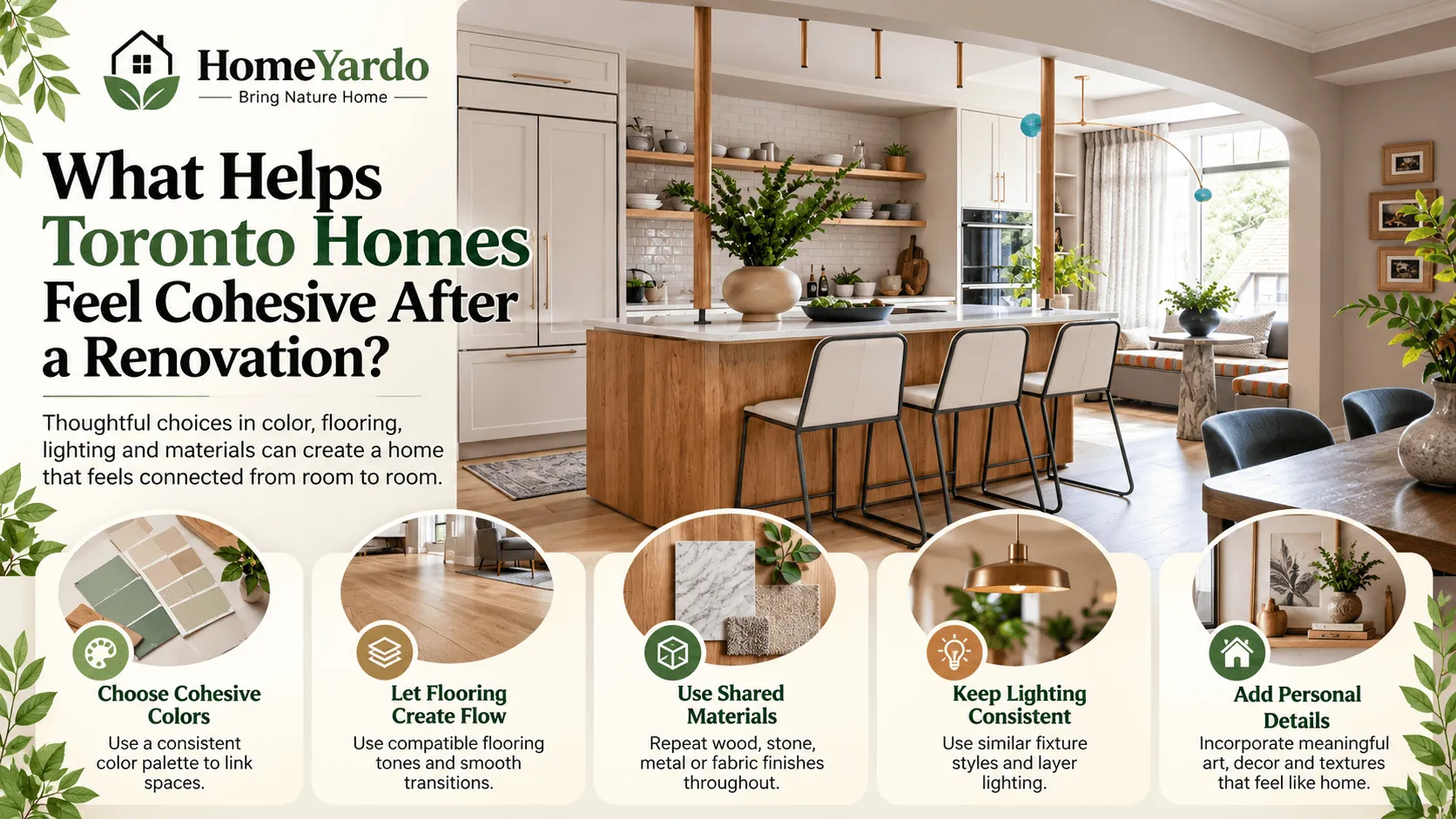
Renovating a home in Toronto can bring some unique design choices. Older houses may have original woodwork and separate rooms, while modern condos often feature open layouts and large windows. Townhomes can present another challenge, with living areas spread across several floors. These different spaces all benefit from a clear design plan. When it comes to residential interior design in Toronto, thoughtful choices about color, flooring, lighting, and materials can help create a home that feels connected. With the right approach, each room can have its own character while sharing a common style.
Start With The Character Of Your Home
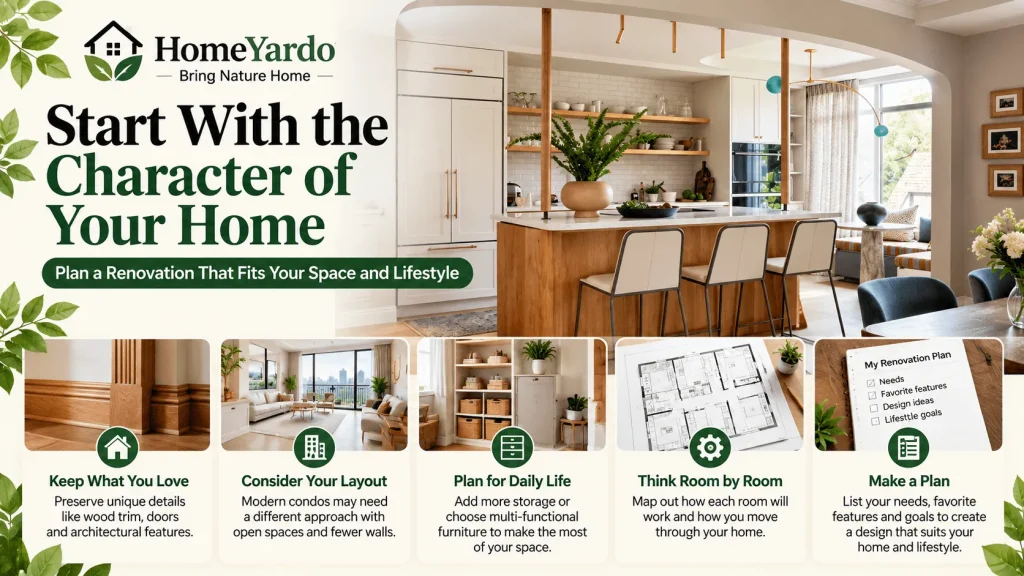
Before you begin a renovation, take time to understand your home’s layout and features. Many older Toronto houses have wood trim, unique doors, and details that add charm. These features can guide your design choices. Modern condos may need a different approach, with open living areas and fewer walls. Think about which parts of your home you want to keep and where changes could make daily life easier.
It also helps to plan how each room will work once the renovation is done. A family home may need more storage, while a condo may benefit from furniture that serves more than one purpose. Walk through the space and think about how you move from room to room. Make a list of your needs and favorite features. This will help you create a plan that suits your home and lifestyle.
A renovation becomes easier to coordinate when you look beyond individual rooms, and our guide to designing a home around the way you actually live explains how circulation, storage, light, and everyday routines can shape broader design choices.
Choose Colors That Connect Old And New Spaces
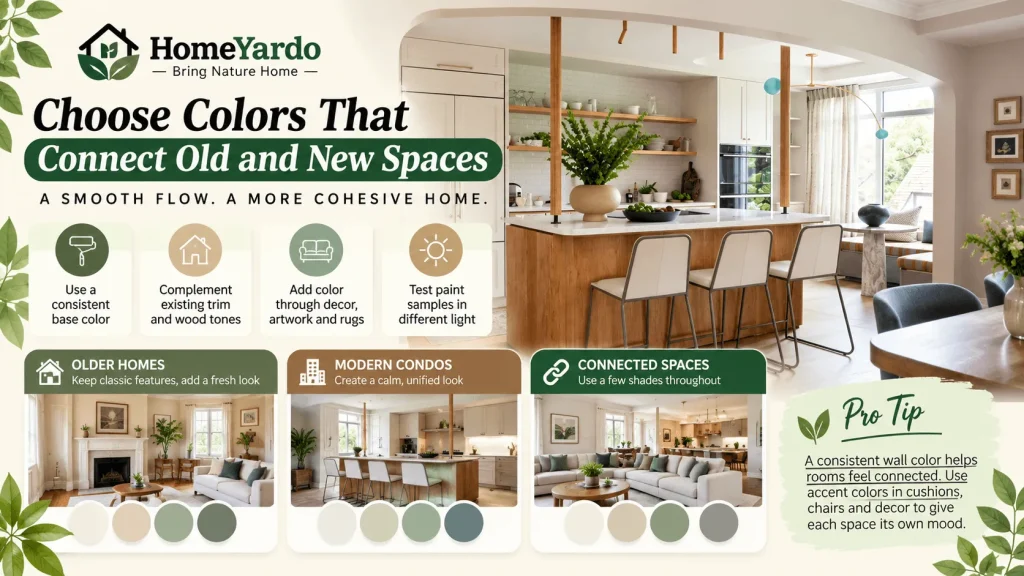
Color can help create a smooth flow between rooms. In an older Toronto home, you may want to keep classic trim or wood floors while giving the walls a fresh look. Warm whites, soft greens, and gentle beige tones can work well with these features. Using a few shades throughout the home helps link each space. You can then add color through artwork, rugs, and soft furnishings.
Modern condos can also benefit from a shared color plan. Open layouts often allow you to see the kitchen, dining area, and living room at once. A common wall color can help these spaces feel calm and connected. You can use cushions, chairs, or decor to give each area its own mood. Test paint samples at different times of day, since natural light can change how colors appear.
Color is only one part of the connection between rooms; these ideas for creating a personal and cohesive home can also help you balance repeated finishes with artwork, furniture, and objects that feel individual.
Let Flooring Create A Natural Flow
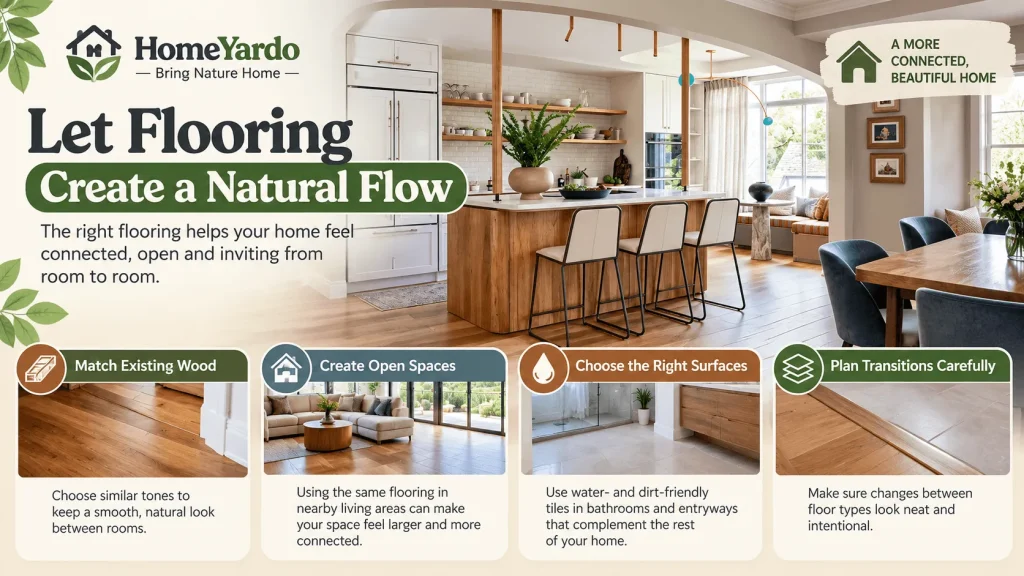
Flooring plays an important role in making a home feel connected. In older houses, original wood floors can add warmth and character. If they are in good shape, refinishing them may help preserve the home’s charm. When adding new flooring, look for a finish that works with the existing wood. Similar tones can create a smooth look as you move between rooms.
In condos and townhomes, flooring can also help make the space feel more open. Using the same material in nearby living areas can create a sense of flow. Bathrooms and entryways may need surfaces that handle water and dirt with ease. Choose tiles that work with the colors and textures used elsewhere. Pay close attention to where different floors meet so the change feels neat and planned.
Bring Rooms Together With Shared Materials
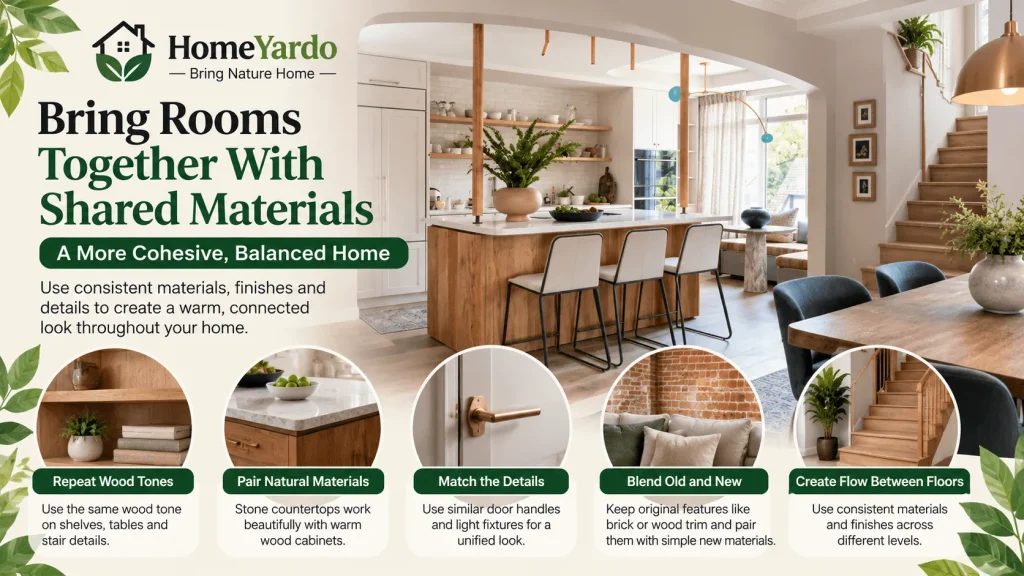
Materials can help connect spaces throughout a home. Wood, stone, metal, and natural fabrics can create a warm and balanced look when used with care. In a Toronto townhouse, you might repeat the same wood tone on shelves, tables, and stair details. This can help link rooms across different floors. Small design choices, such as matching door handles or light fixtures, can also bring a sense of order.
Older homes may have features worth keeping, such as brick walls, wood trim, or classic doors. You can pair these details with simple new materials to create a fresh look. A stone countertop may work well with warm wood cabinets, while soft linen can add comfort to a room with exposed brick. Choose a few materials you love and use them in different ways throughout the home.
Make Lighting Work Across Different Rooms
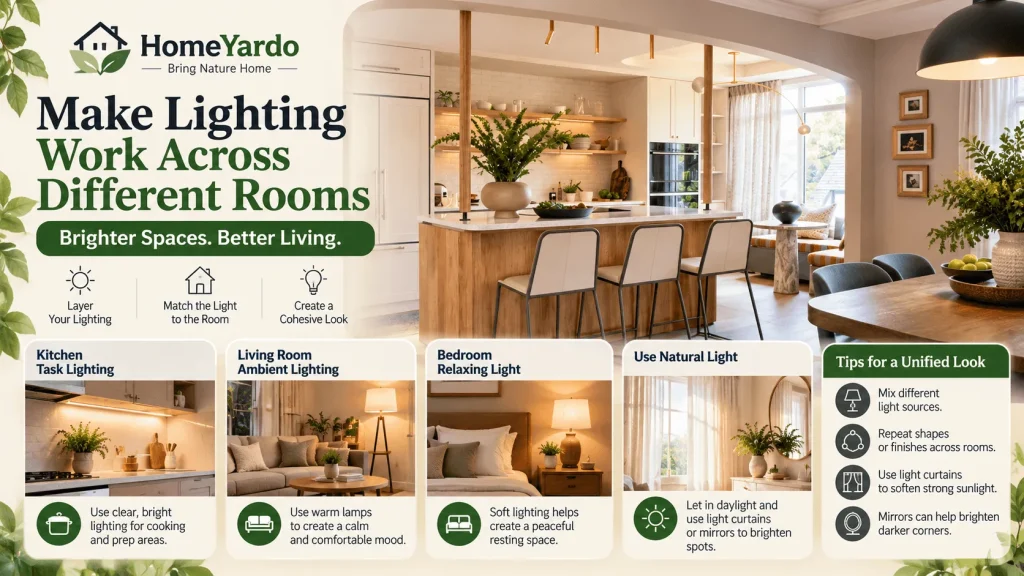
Lighting can change the way a home feels. Some older Toronto houses have smaller windows or rooms that receive less daylight. Soft wall lights, table lamps, and floor lamps can help brighten these spaces. A mix of light sources also makes rooms more useful. Clear task lighting works well in kitchens, while warm lamps can create a calm mood in living rooms and bedrooms.
If the dining space still feels disconnected after the renovation, these dining room design ideas show how lighting, furniture scale, wall treatments, and smaller details can work together more naturally.
Modern condos may have large windows that bring in plenty of natural light. Think about how this light moves through the space during the day. Light curtains can soften strong sunlight, while mirrors can help brighten darker corners. When choosing lamps and fixtures, repeat a few shapes or finishes across rooms. This helps the lighting feel like part of one design plan.
Add Personal Details That Make The Home Yours

A cohesive home should reflect the people who live there. Artwork, books, family photographs, and favorite objects can bring warmth to each room. In an older house, these items can sit well beside classic features. In a modern condo, they can add character to simple walls and furniture. Choose pieces that have meaning and place them where you can enjoy them each day.
You do not need to fill every surface to give a renovated room character; a few meaningful photographs, books, artworks, and collected objects can make your home feel more personal without disrupting the overall design.
As you finish your renovation, look at the home as a whole. Repeat a few colors and textures through rugs, cushions, and decor. Give your favorite items enough space to stand out. Take your time with the final touches, since a home often grows more personal over time. With a clear design plan and care for its unique features, any Toronto home can feel comfortable, welcoming, and connected from room to room.
Final Takeaway
When new and old components complement each other rather than compete, a renovated Toronto home feels cohesive.
Start with the property’s layout and character. Maintain valuable original details, create a subdued color scheme, carefully plan flooring transitions, use lighting uniformly throughout connected spaces, and repeat specific materials and finishes.
Next, allow space for individuality.
A house with identical rooms is not the aim. It’s a house where every area feels distinct yet unmistakably part of the same place.
FAQs
Choose a limited group of recurring colors, materials, flooring tones, lighting finishes, and textures. Repeat them in different ways across rooms while allowing each space to have its own furniture, artwork, or accent details.
No. Rooms can use different colors while still feeling connected. Choose shades with compatible undertones or repeat one or two colors through walls, textiles, artwork, or furnishings.
Keep original architectural elements that remain useful and in good condition, then choose newer materials that relate to their color, texture, scale, or finish. The new work does not need to imitate the old construction exactly.
Pay attention to color undertones, material thickness, transition strips, plank direction, and where flooring changes occur. Natural boundaries such as doorways often create cleaner transitions.