Living Room Fireplace Ideas: How to Create a Stylish and Cozy Space
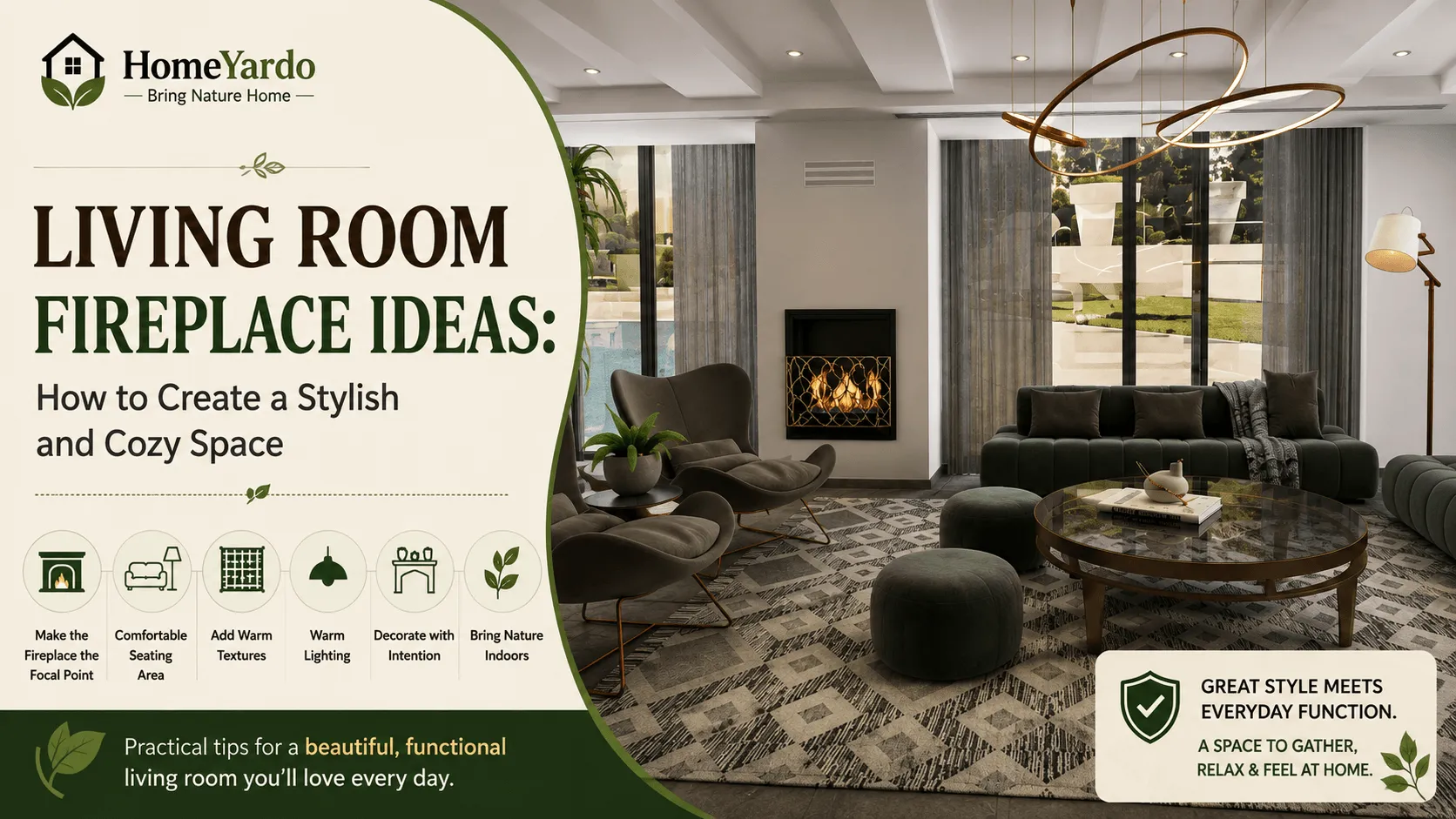
The living room is often one of the places where we feel most at home, because here we spend time with friends and family, read, watch TV, or simply recharge after a long day. If this room also has a fireplace, this natural feature alone can already create the basic character of a room.
You don’t have to go traditional with a fireplace. Create a warm spot in the room with a combination of seating, lighting, textures, and decorative accents. The fireplace will be the focal point of your stylish living room.
Make the Fireplace the Focal Point
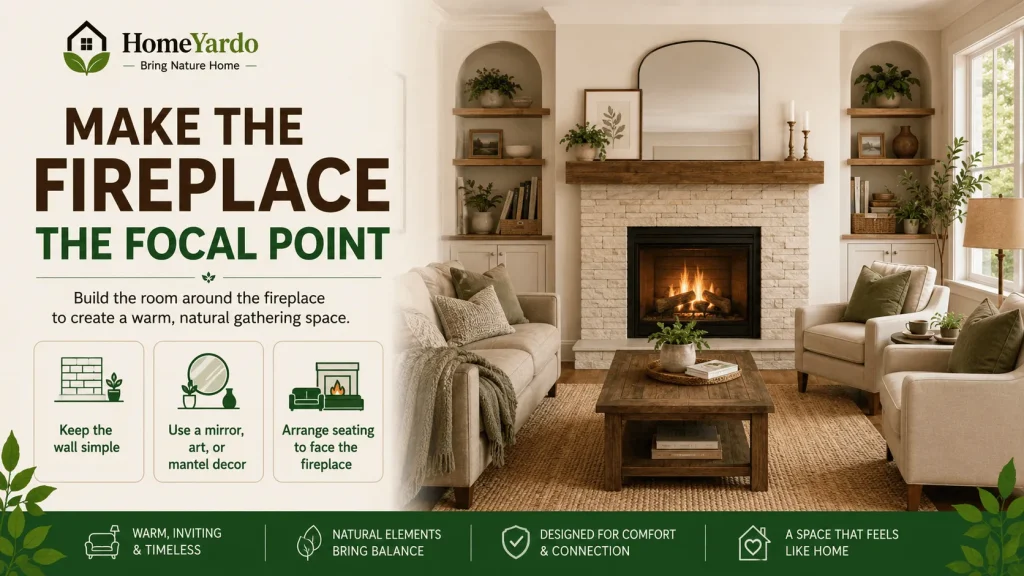
A fireplace naturally attracts attention, so build the room around it and don’t make a feature of it afterward.
Start with the wall behind the fireplace and keep it fairly simple. Add a large mirror, a piece of art or beautifully arranged mantel decor to draw the eye up.
Also consider the placement of furniture in your room in order to ensure that you can see the fireplace from wherever you are in the main areas of your home. Add texture with cushions, throws, curtains, rugs and different upholstery textures. A simple woven rug can add warmth to a room with hard floors, while a soft throw can make a sofa look more inviting. For larger seating areas, choosing the right large living room rug can also help define the space.
Choose a Fireplace Screen That Complements the Room
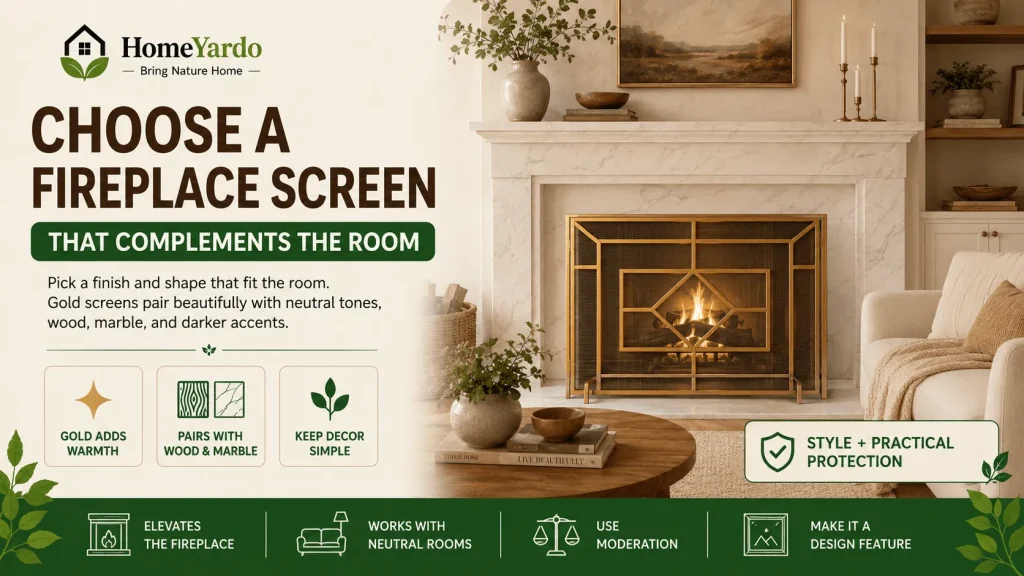
Even small details can have a major impact when decorating around a fireplace.
A fireplace screen will add a practical function to the fireplace area but can also be used to enhance the overall aesthetic of a room. Look at the finish and the shape of the screen and how these relate to the other materials used in the room.
A contemporary living room can benefit from the warmth and subtle elegance that gold fireplace screens bring to the fireplace area. Gold works particularly well with neutral colors, natural wood, marble, and darker finishes, making the fireplace an intentional part of the decor rather than simply a functional feature.
The key is moderation. If the fireplace screen is already a noticeable design element, keep the surrounding decor relatively simple.
Build a Comfortable Seating Area
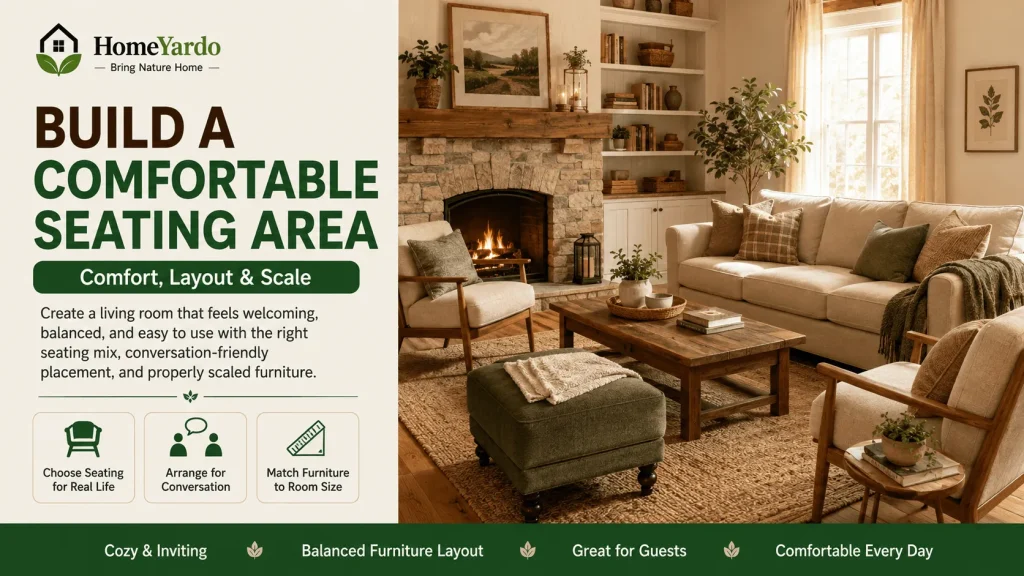
A stylish living room still needs to be comfortable.
Choose seating based on how you actually use the room. A deep sofa can work well for relaxed evenings, while additional chairs or an ottoman can make it easier to accommodate guests.
Arrange furniture so that people can talk comfortably rather than having every seat pointed directly at the television. If the fireplace is the main feature, angling chairs or placing a sofa opposite it can create a more welcoming arrangement.
Scale is important. Oversized furniture can make a smaller room feel crowded, while pieces that are too small may leave a large living room feeling unfinished.
Add Texture Through Soft Furnishings
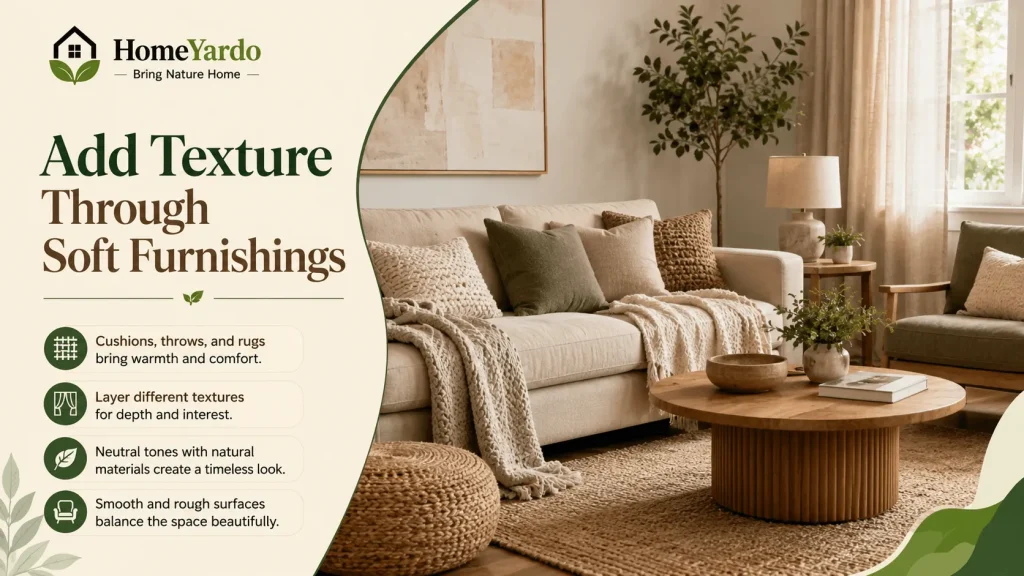
Texture can prevent a modern living room from feeling too flat.
Add texture with cushions, throws, curtains, rugs and different upholstery textures. A simple woven rug can add warmth to a room with hard floors, while a soft throw can make a sofa look more inviting.
You don’t have to use lots of colours in a room. A room with a simple neutral color scheme can have lots of interest from different materials with different finishes.
Smooth surfaces can be contrasted with woven textures, wood, stone and ceramic to create depth without clutter.
Use Lighting to Create a Warm Atmosphere
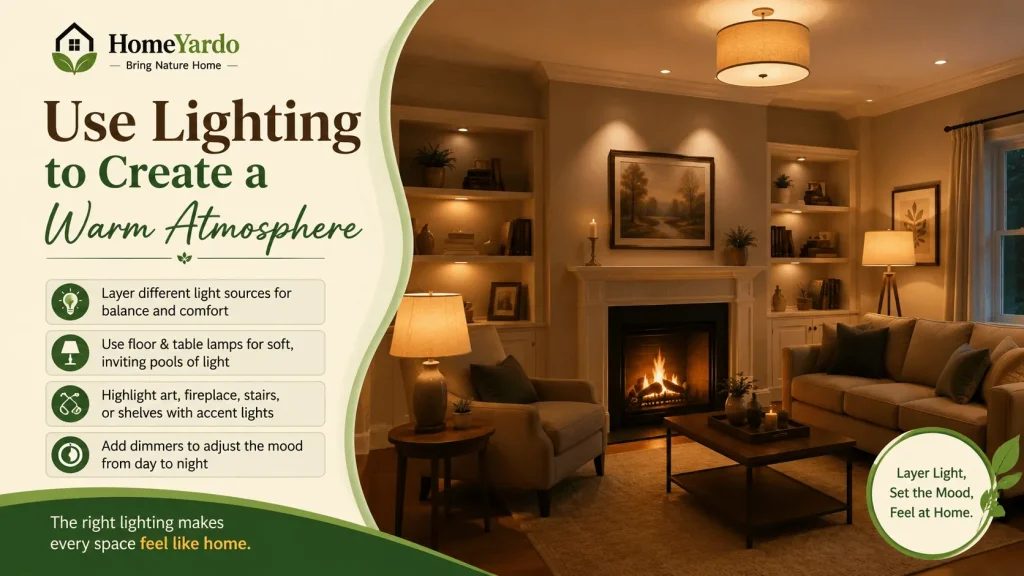
Firelight is very beautiful in the evening, but it is not enough to light an entire room.
Then there is the ceiling light for general room lighting and additional floor and table lamps for gentle pools of light within seating areas.
Other objects in the room can also be highlighted using accent lights, for example paintings, a fireplace, a staircase or books on a bookcase. The use of dimmers also makes it possible to change the atmosphere of a room from daytime to nighttime.
Daytime lighting and evening ambiance are created by combining natural lighting with the right artificial lighting.
Decorate the Mantel With Intention
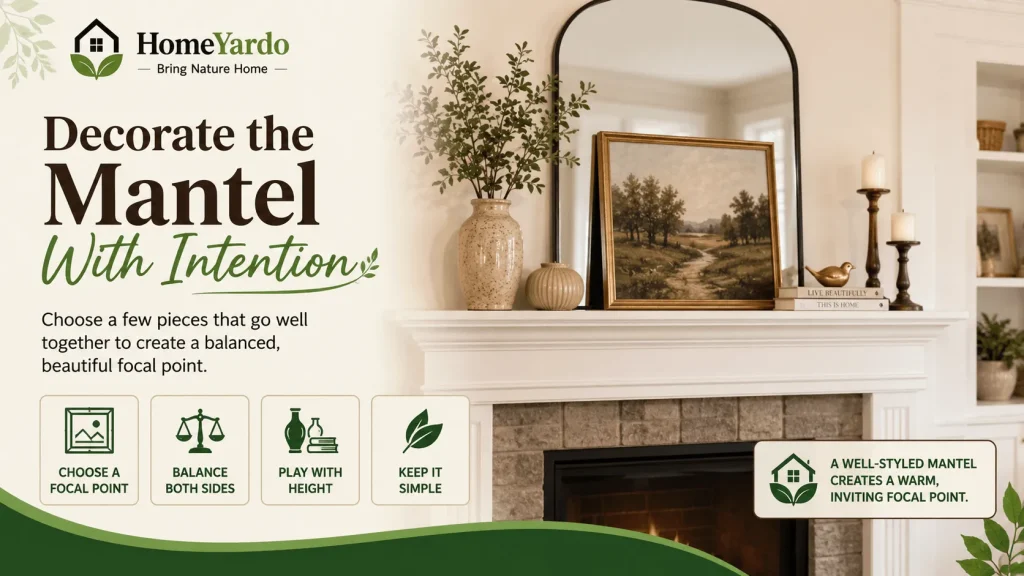
Use the mantel for decoration and do not overstock it.
Instead of scattering a multitude of unrelated objects all over the surface of the mantel, choose a few objects which go well together. A mirror or a work of art can be the central piece and the other objects will be balanced on either side.
The height of objects in the mantel can create an interesting display; a tall vase can be paired with a short decorative object and some books.
Even if your fireplace doesn’t have a traditional mantel, this same decorating approach can be applied to your shelving or a console table.
Balance Style With Practicality
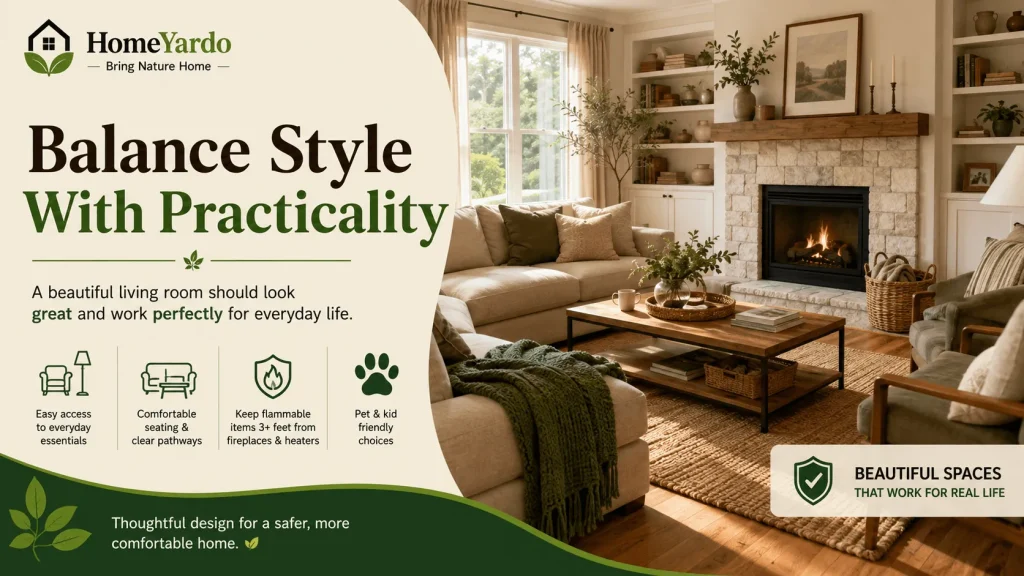
A pretty living room also needs to function well.
In terms of practicality, keep frequently used items in easy reach and ensure that there is adequate space for people to move around the room. The area in front of a sofa should enable people to sit down comfortably and there should be space to place cups and glasses on a coffee table without them falling over.
Consider the room’s inhabitants, i.e. kids or pets. Decor should be stable enough not to fall over and thus not create a nuisance.
Keep items near the fireplace that can burn (such as blankets, coats, etc.) at least 3 feet away from heating equipment and fireplaces to keep everyone safe, as per the U.S. Fire Administration’s fireplace safety guidance.
Apply the same consideration to design choices in the living room. The end result will be a great room that functions as beautifully as it looks.
Bring Natural Elements Into the Room
Adding natural materials to a room with a contemporary fireplace can add warmth to a living room. Timber is one option for creating a natural feature wall, although its distance from a fireplace and other heat sources should be considered carefully. Timber wall cladding can add texture and warmth to an interior feature wall, but installation near a fireplace requires attention to product and safety requirements.
One can also soften more contemporary looking architecture by adding wooden furniture or stone accessories to the space, such as woven baskets and plants. One large plant is better than a number of smaller plants to fill a corner without making a cluttered mess.
Flowers and branches add seasonal color, while simple ceramics and wooden objects bring texture all year round.
It’s all about balance. Avoid transforming your living room into a garden, and instead pick a few natural elements that create a comfortable and cozy atmosphere.
Keep the Look Personal
A great living room isn’t typically one that was fully furnished from a single furniture catalog.
Personal touches create individuality in your living room. For example, family photos, objects you found on your trips abroad, favorite books, handmade articles or works of art.
Smaller elements like cushions, throws, flowers and accessories can be changed within the course of a year to give the room a complete makeover without having to re-decorate the entire room.
Finding more inspiration for your living room can help you to find more ideas that fit your space.
Final Thoughts
A living room’s fireplace gives it a strong character but the surrounding details give the rest of the room its character.
First, create a natural focal point with the fireplace and then build the rest of the room out from there with comfy chairs, mixed textures, good lighting and a few other collectibles around the space. A good fireplace screen can even become another design element in a room and tie in with the finishes in the space.
Above all, don’t sacrifice comfort for style. The best living rooms incorporate functional elements with personal style to create a space that is inviting to sit in and wonderful to be in.
FAQ’s
Start with the fireplace and the room’s main use. Position the primary seating so the fireplace remains visible without blocking major walkways, then add chairs, tables, and lighting around the main conversation area. If the room also has a TV, treat both features as part of the same layout rather than arranging them independently.
Keep the fireplace wall visually organized and reinforce it with a mirror, artwork, mantel arrangement, contrasting material, or carefully placed lighting. Furniture should also direct attention toward the fireplace rather than competing with it.
Use warm lighting, an appropriately sized rug, soft upholstery, cushions, throws, wood, woven materials, and a restrained color palette. The goal is to soften the harder surfaces commonly found around brick, stone, tile, or metal fireplaces without overcrowding the area.
The best arrangement depends on room shape and use. A sofa facing the fireplace creates a strong fireplace-centered layout, while two chairs angled toward it can create a conversation area. In rooms with a television, furniture may need to provide comfortable views of both features.
Begin with one main visual element, such as artwork or a mirror, and add a small number of supporting objects with different heights and shapes. Leave enough empty space for the display to feel intentional rather than crowded.
The fireplace material should guide the palette. Warm neutrals and earthy colors often complement brick and wood, while stone can work with colors pulled directly from its natural variation. Marble and streamlined contemporary fireplaces often suit simpler, more restrained palettes.
Decide whether one feature should dominate or whether the two should share the same feature wall. Keep surrounding cabinetry, artwork, and accessories visually restrained so the wall doesn’t become overcrowded. Follow the fireplace manufacturer’s requirements when positioning electronics near the unit.
Keep combustible materials and easily displaced decorative objects away from the fireplace. Follow the fireplace manufacturer’s instructions and applicable fire-safety guidance when deciding where to place furniture, textiles, decorations, and other objects.