Cockroach Health Risks: What Homeowners Should Know
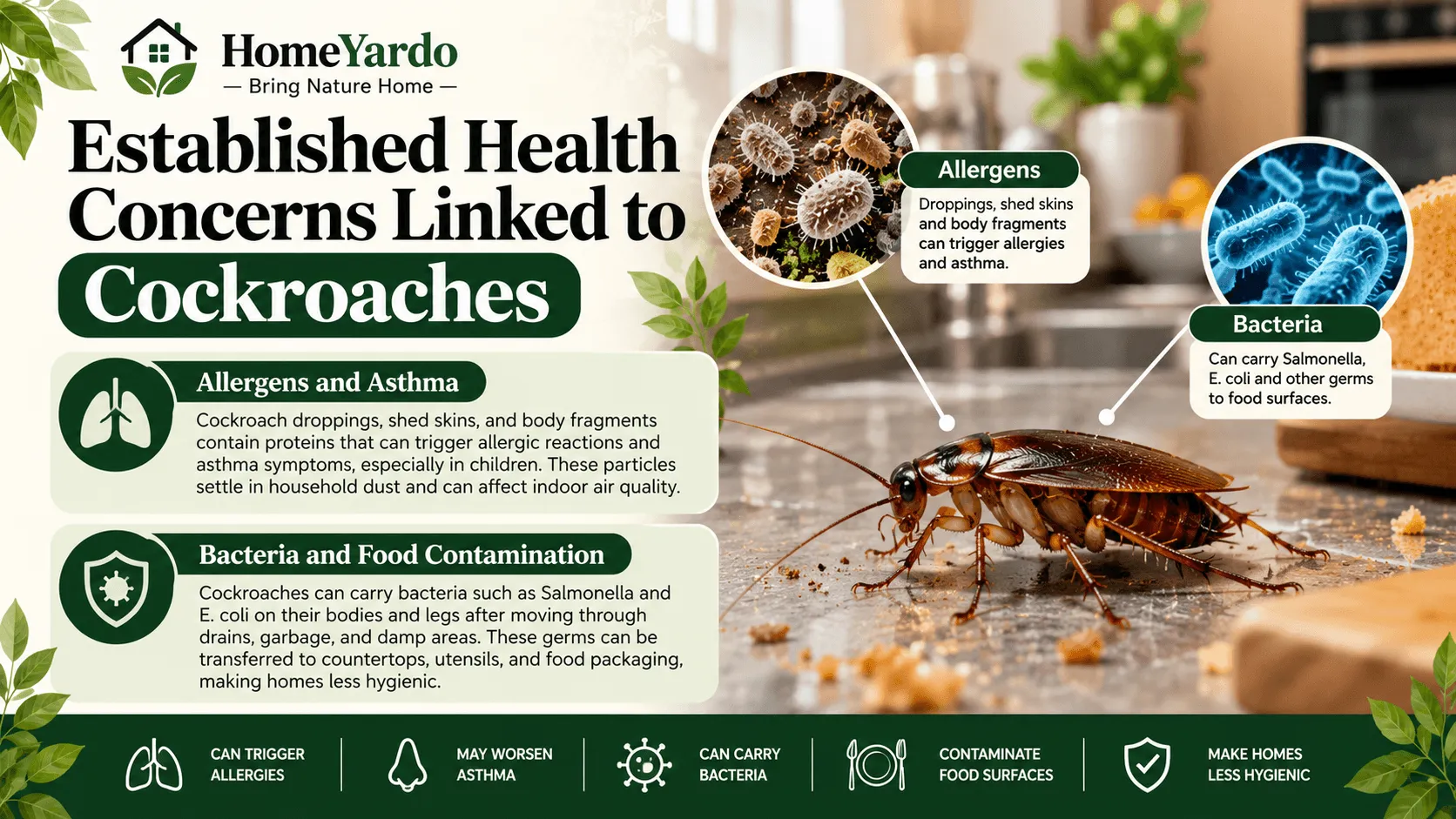
A cockroach scurrying across the kitchen floor at night produces an instant reaction, usually a mix of disgust and worry about what the insect may have touched. That reaction is reasonable, since cockroaches do affect household health. The trouble starts when fear outruns facts, and claims about specific diseases begin circulating without evidence. Homeowners make better choices when they understand which cockroach risks are well established and which are speculation. The sections below separate the two, explain why infestations still call for prompt action, and offer practical steps for cutting off food, water, and shelter while working out which species is involved and where it comes from.
Established Health Concerns Linked To Cockroaches
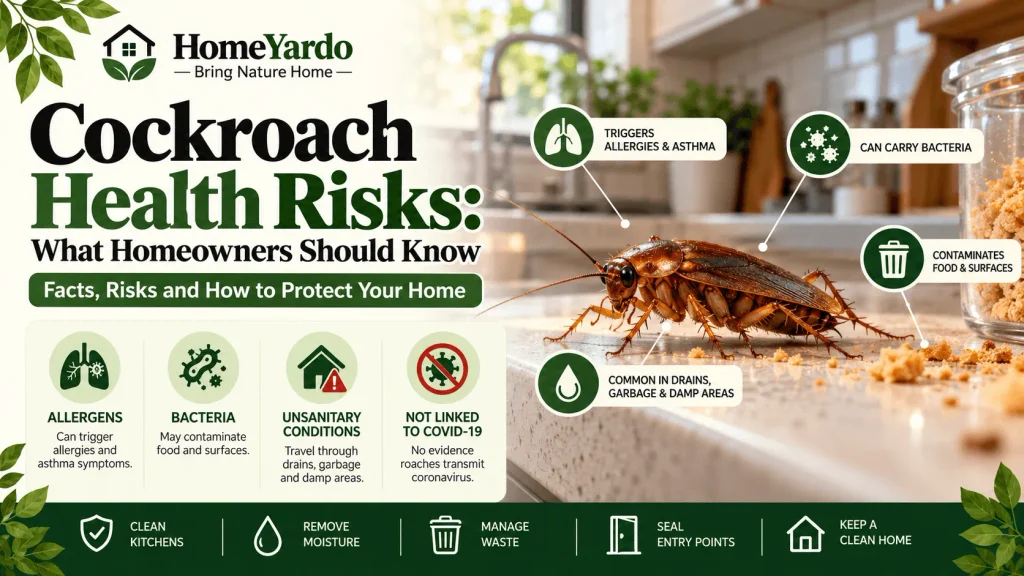
The strongest evidence concerns allergens. Cockroach droppings, shed skins, and body fragments contain proteins that can trigger allergic reactions and asthma symptoms. Researchers have linked cockroach allergen exposure in homes to asthma problems, particularly in children living in older or crowded housing. Dust that settles in kitchens and bedrooms carries these particles, which is why symptoms may improve after an infestation is eliminated and the home is thoroughly cleaned.
Sanitation is the second concern. Cockroaches travel through drains, garbage, and damp crawl spaces, then walk across countertops, utensils, and food packaging. Studies have found bacteria such as Salmonella and E. coli on or in cockroaches collected from homes and other buildings. The usual explanation is mechanical contamination, meaning germs picked up on legs and bodies get carried to surfaces. That is a plausible route for food contamination, but it is different from the insect acting as a true disease vector in the way a mosquito does. Understanding the distinction keeps the risk in proportion. Roaches make a household less hygienic and more allergenic, which is serious enough without added embellishment.
Where The Misinformation Starts
Cockroaches carry an old reputation as filthy carriers of illness, and that reputation makes them an easy target when a new disease appears. During the early months of COVID-19, social media posts began suggesting that household pests might spread the virus. The reasoning rested on association, not data: roaches are dirty, viruses are dangerous, so roaches must be involved.
Health agencies and entomologists have not found support for that idea. The established position is that cockroaches are not known to transmit coronavirus, and the virus spreads mainly through respiratory exposure between people. A lack of evidence is not a promise that nothing could ever be discovered, but responsible guidance follows what research supports, not what feels plausible. Rumors tend to share the same traits: no named study, a confident tone, and instructions to share widely. When a claim shows those signs, checking it against a health department or university extension resource takes only a few minutes and usually settles the question.
Why Infestations Still Deserve Serious Attention
Dismissing a false claim does not mean dismissing the insect. A homeowner who learns that cockroaches are not known to transmit coronavirus should come away relieved about one worry, not relaxed about the infestation itself. Allergen exposure, contaminated surfaces, and damaged stored food remain good reasons to act quickly.
Cockroaches also multiply fast. A few visible insects usually represent a larger hidden population, since most species are nocturnal and spend daylight hours in cracks and voids. A German cockroach female carries an egg case until just before the eggs hatch, so populations can rebound quickly after incomplete treatment. Waiting rarely helps. Honest messaging serves homeowners better than scare tactics, because people who believe exaggerated claims often feel foolish when the claims collapse and may then underestimate the real risks. Accurate information supports steady, proportionate action: clean thoroughly, correct conditions, monitor results, and involve professionals if numbers do not fall.
Removing What Draws Cockroaches Indoors
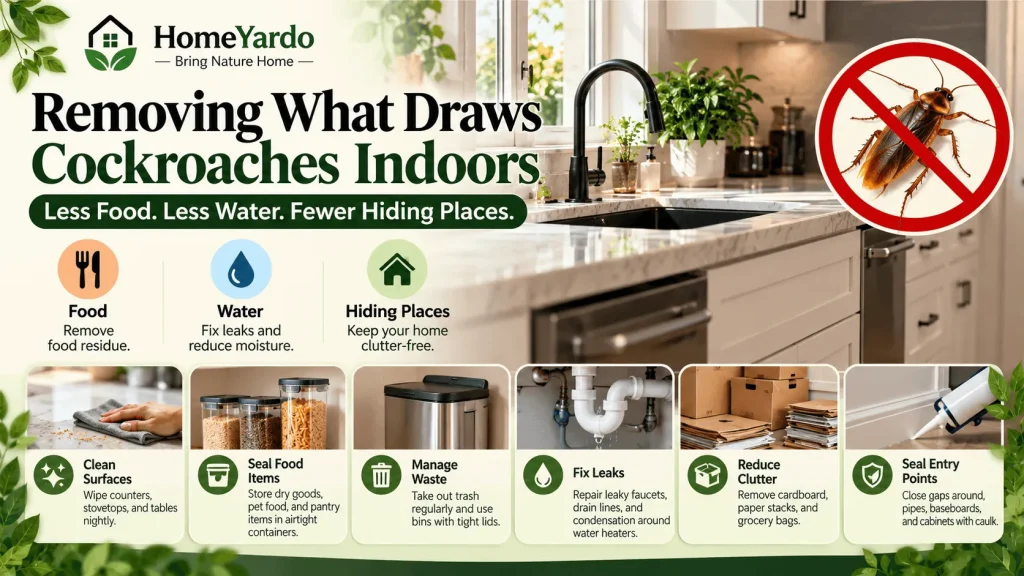
Cockroaches need only three things, and each one can be restricted. Food residue is the easiest to control, and water is often the most overlooked. Hiding places round out the list, which is why clutter matters as much as cleanliness. Cockroach prevention can also become part of routine seasonal pest checks, especially when homeowners inspect moisture problems, food sources, storage areas, cracks, and possible entry points at the same time. A practical routine looks like this:
- Wipe counters, stovetops, and tables nightly, including crumbs near toasters and under appliances
- Store dry goods, pet food, and pantry items in sealed containers
- Take out trash regularly and use bins with tight lids
- Fix leaky faucets, drain lines, and condensation around water heaters
- Reduce cardboard, paper stacks, and grocery bags stored in corners and closets
- Seal gaps around pipes, baseboards, and cabinets with caulk
Waste deserves its own attention. Garbage cans left open overnight, recycling with sugary residue, and pet bowls left out feed roaches without anyone noticing. Moisture control matters in bathrooms, laundry rooms, and under sinks, where steady dampness supports populations even in an otherwise tidy home. Because leaking pipes and persistent dampness can provide pests with a reliable water source, addressing early plumbing problems can remove one of the conditions that allows cockroach activity to continue.
Sanitation rarely eliminates an established infestation alone, but it removes the resources that keep one thriving and improves the results of any treatment that follows.
Identifying the Species and the Source of Activity
Treatment works best when it matches the insect. German cockroaches are small, light brown, and usually stay in kitchens and bathrooms, near warmth and water. American cockroaches are much larger, reddish-brown, and favor basements, drains, and crawl spaces, sometimes entering from sewers or outdoor mulch. Oriental cockroaches prefer cool, damp areas near floor drains, while brown-banded cockroaches spread into dry spots, including upper cabinets and behind picture frames.
If persistent moisture or standing water is present around the foundation, correcting yard drainage can help address the property condition rather than focusing only on insects that have already entered the house.
Placing sticky monitoring traps along walls, under sinks, and behind appliances provides a map. The number of insects caught in each spot shows where activity is highest, and the size and type of insects hint at the species. Droppings that resemble coffee grounds or pepper flecks, egg cases, and a musty odor in heavy cases all offer additional evidence. A source matters as much as a species. Roaches may arrive in grocery bags, used appliances, or shared walls in multi-family housing, and they may also come up from outdoor areas through gaps. Bringing this information to a pest professional speeds up treatment and lets homeowners judge whether the problem has an outside origin that cleaning alone cannot fix.
Key Takeaways
Cockroaches present real, documented concerns, namely allergen exposure, asthma triggers, and contamination of food and surfaces. Claims that tie them to specific viral diseases are not supported by current evidence, and the coronavirus rumor is one example. Treating both facts seriously leads to the best response: take infestations seriously because of what is known, and ignore panic fueled by what is not. Clean up food, water, and clutter, identify the species, trace the source, and monitor results. Verify any health claim against credible sources before acting on it. Accurate information keeps the focus on removal, which is where the real benefit lies.
FAQ’s
Cockroaches can affect household health primarily through allergens, asthma triggers, contamination, and unsanitary conditions. The level of risk depends on the extent of the infestation, household conditions, and individual sensitivity.
Yes. Cockroach allergens are recognized asthma triggers, particularly for people who are sensitized to them. Droppings, shed body material, and other cockroach debris can contribute allergens to indoor dust.
Cockroaches can pick up microorganisms while moving through garbage, drains, sewage-associated environments, and other contaminated areas. Their ability to contaminate food or surfaces should not automatically be described as proof that they transmit every disease associated with those organisms.
Cockroaches are not recognized in current public-health guidance as a route of COVID-19 transmission. CDC describes COVID-19 as spreading primarily through virus-containing droplets and small particles released by infected people.