The Latest Newcastle Home Interior Trends For
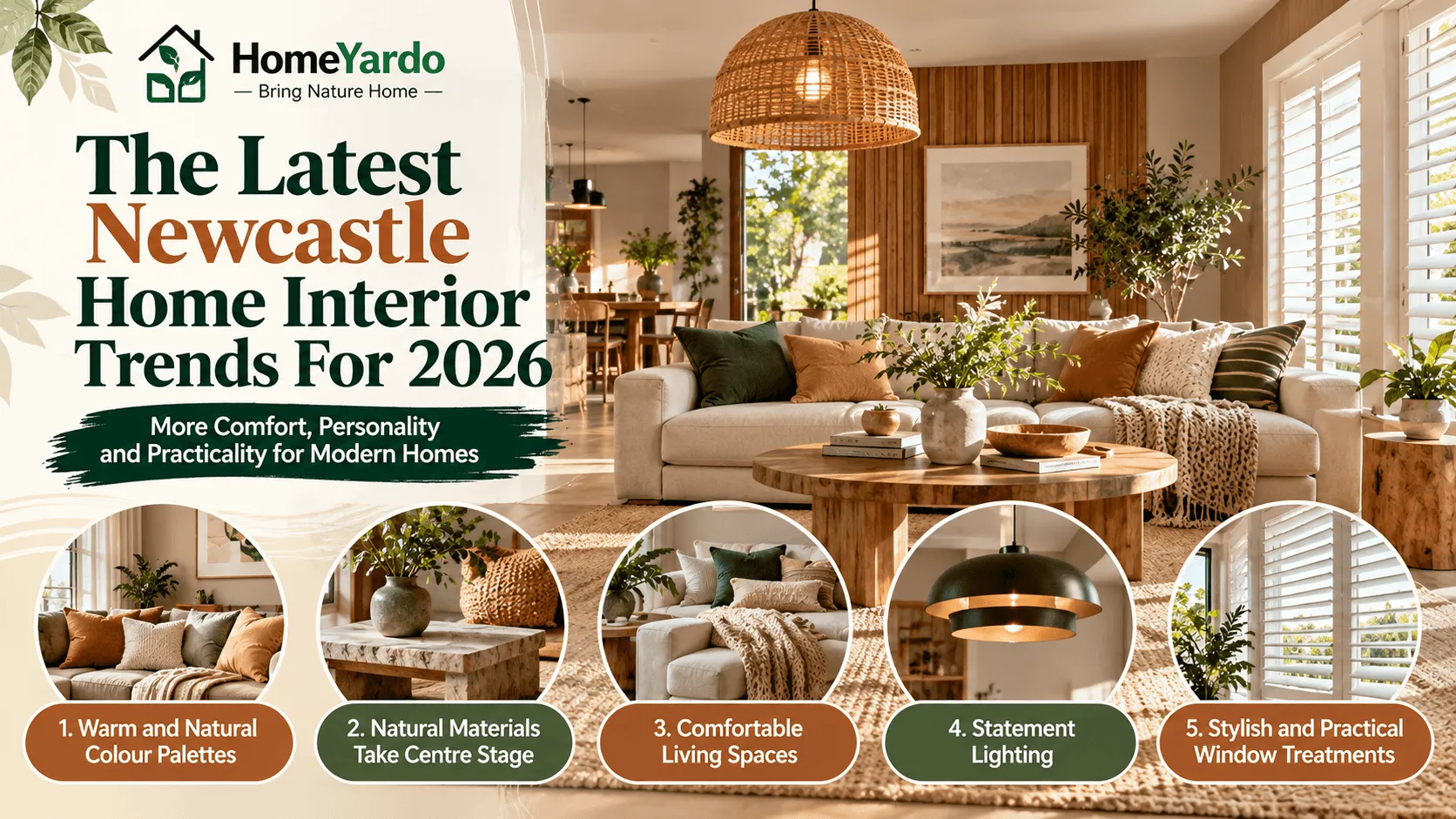
Home interiors are ever-changing, and 2026 will see a new take on comfort, personality and practicality hit homes across Newcastle. Homeowners are turning their backs on fleeting styles, looking instead for interiors that are warm and express their own tastes. From natural materials and warm colors to smarter window treatments and flexible living spaces, this year’s trends are all about creating homes that look beautiful and work well for everyday life.
Knowing the latest directions in design will help you make choices that will continue to appeal for years to come, whether you are updating a single room or doing a complete interior makeover.
1. Warm And Natural Colour Palettes
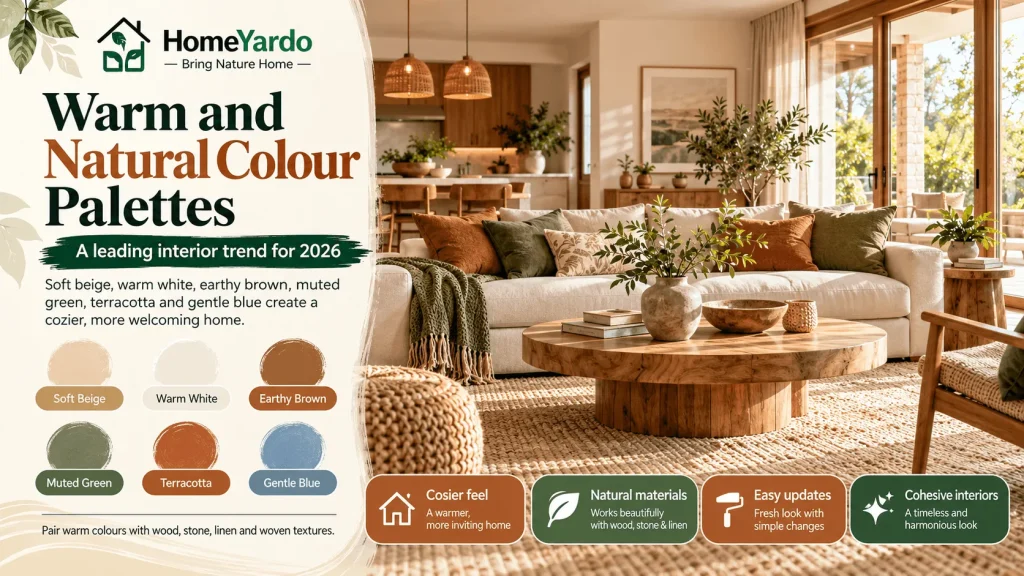
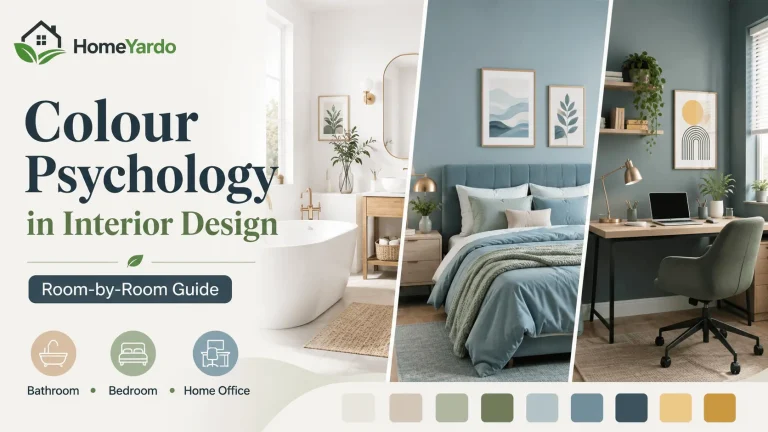
The trend toward warmer, more natural colors is one of the biggest interior design trends for 2026. As alternatives to colder gray hues, soft beige, warm white, earthy brown, muted green, terracotta, and gentle blue are gaining popularity.
Especially in the colder months of Newcastle, these hues can make spaces feel cozier and more welcoming. Additionally, they complement natural materials like stone, wood, linen, and woven textiles. Repeating a small group of colours, finishes, and timber tones across adjoining rooms can help create a cohesive home interior without making every space look identical.
It’s not necessary for homeowners to completely repaint a room in order to implement this trend. Without a significant renovation, you can make a noticeable difference by adding earthy-colored cushions, curtains, rugs, artwork, or decorative accessories.
2. Natural Materials Take Centre Stage
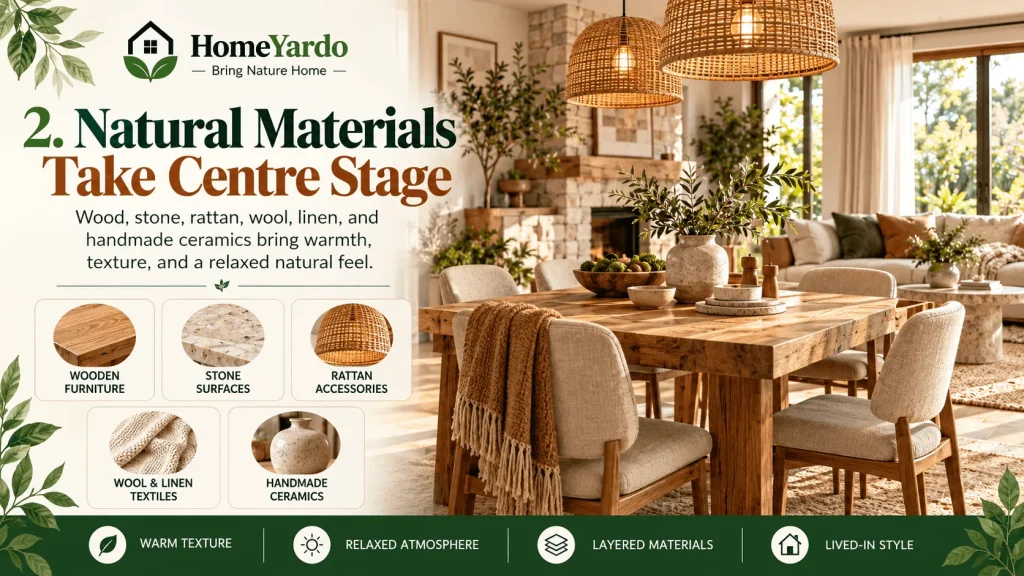
Sustainability and connection with nature continue to influence interior design in 2026. Natural materials can add texture and warmth while creating a more relaxed atmosphere.
Wooden furniture, stone surfaces, rattan accessories, wool textiles, linen curtains, and handmade ceramics can all contribute to this look. The key is not to make everything perfectly coordinated. Combining different textures often creates a more interesting and lived-in interior.
For example, a simple wooden dining table can be paired with upholstered chairs, woven lighting, and soft textiles to create a balanced space.
3. Comfortable Living Spaces
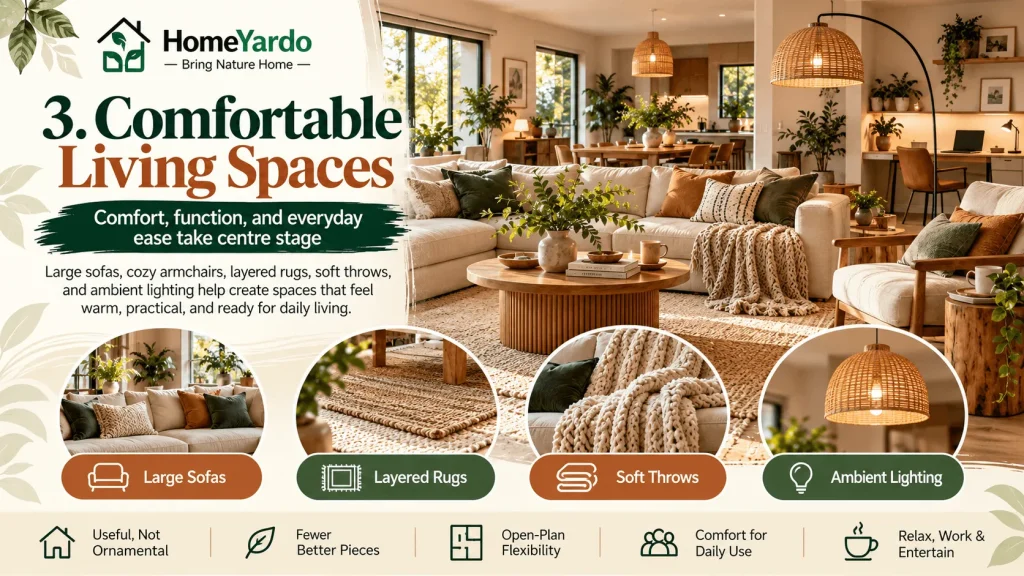
Comfort is starting to take center stage in design debates after years of minimalist interiors. Homeowners in Newcastle are becoming more and more interested in areas that feel useful rather than just ornamental.
Cozy living spaces can be created with the aid of large sofas, cozy armchairs, layered rugs, soft throws, and ambient lighting. The emphasis is on choosing fewer pieces that offer true comfort and functionality rather than packing a room with superfluous furniture. When choosing furniture for your home, consider dimensions, durability, daily use, circulation space, and comfort rather than selecting pieces only because they match a current trend.
This method works especially well in open-plan homes where one area may need to be used for dining, entertaining, working, and relaxing.
4. Statement Lighting
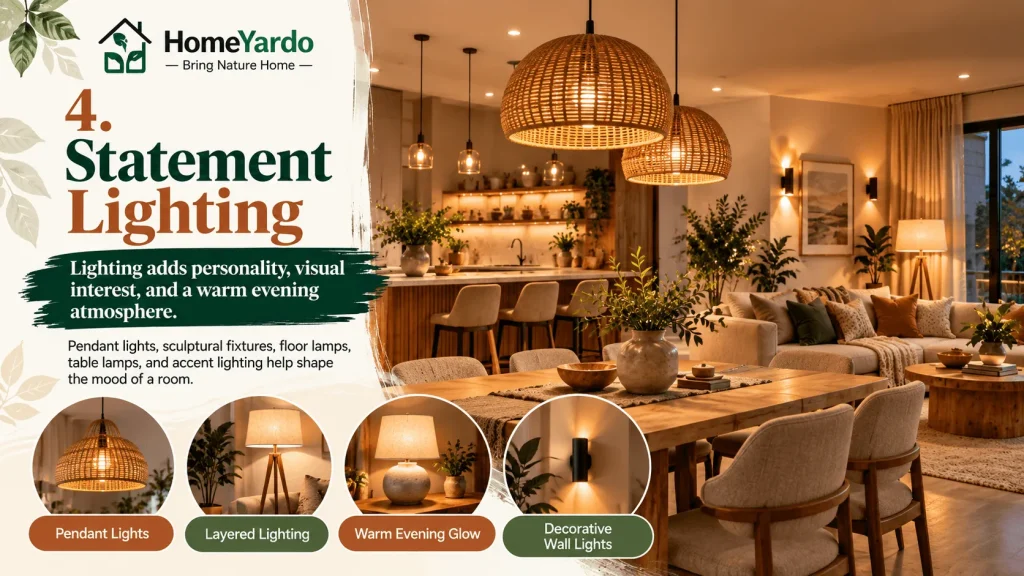
Lighting is becoming much more than a functional feature. In 2026, statement lighting is being used to add personality and visual interest to interiors.
Pendant lights above kitchen islands, sculptural ceiling fixtures, oversized floor lamps, and decorative wall lights can become focal points within a room. Warm lighting is especially effective for creating a comfortable evening atmosphere.
Layering different types of lighting is another useful technique. Combining ceiling lights with table lamps, floor lamps, and accent lighting allows homeowners to adjust the mood depending on the occasion.
5. Stylish and Practical Window Treatments
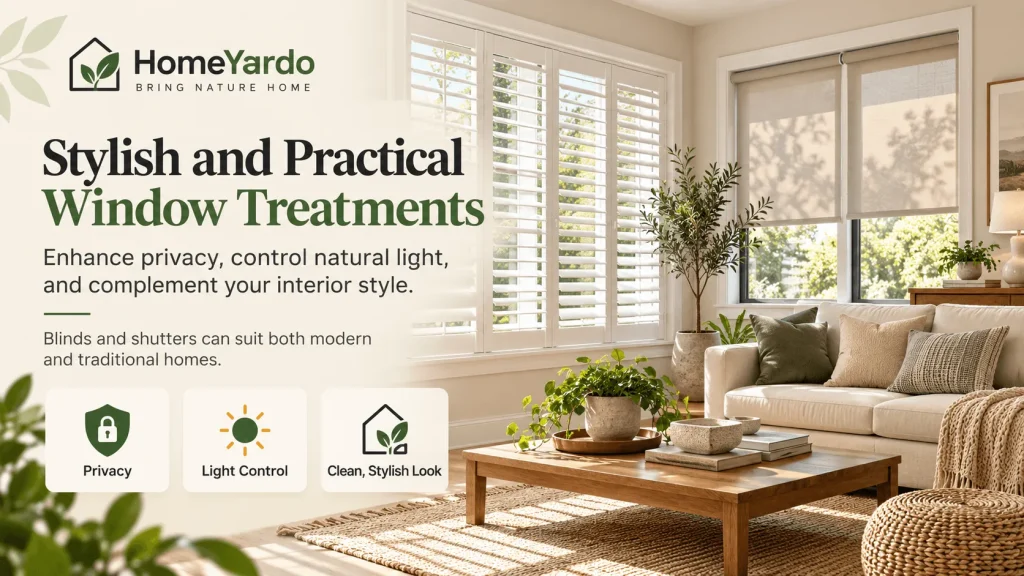
Windows have a big impact on how a room looks and feels. The proper window covering can enhance privacy, regulate natural light, and blend in with the overall interior design.
In 2026, window treatments that combine useful features with a tidy and appealing appearance are becoming more and more popular among homeowners. Blinds and shutters are examples of options that can be especially effective in both traditional and modern interior design.
Homeowners in the area can explore Blinds and Shutters Newcastle when choosing window treatments that complement their home’s style while providing privacy and light control. Neutral shades can blend seamlessly into a minimalist interior, while wooden or textured finishes can add warmth to spaces inspired by natural materials. Beyond appearance, choosing window treatments also means considering privacy, glare, natural light, room use, and how the covering works with the rest of the interior.
Window treatments can also help define the character of a room. For example, simple shutters can create a timeless appearance, while sleek blinds may suit a contemporary home.
6. Biophilic Interior Design
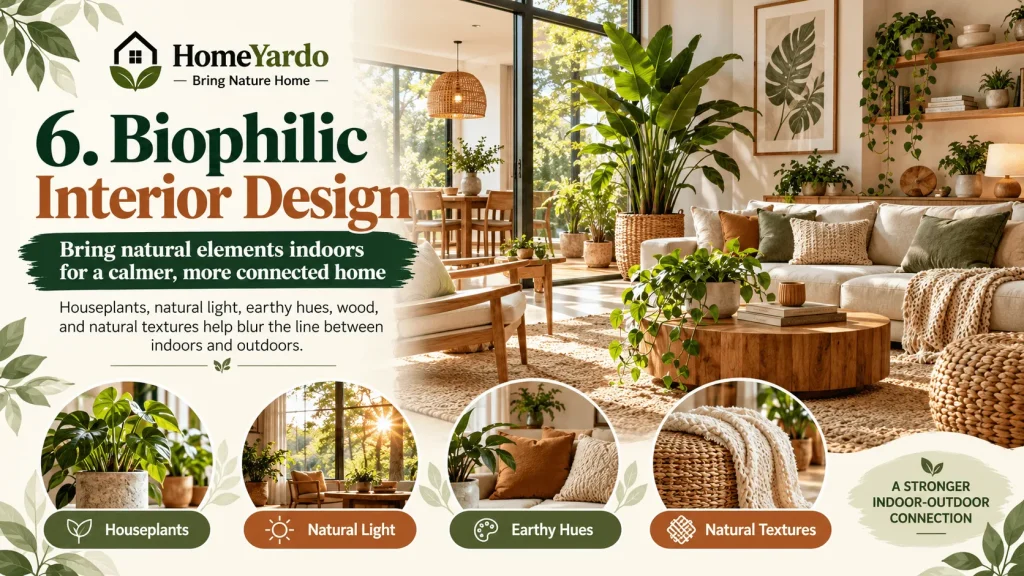
In 2026, bringing natural elements indoors is still a popular trend. The goal of this strategy, which is referred to as “biophilic design,” is to improve the relationship between indoor and outdoor environments.
Introducing this idea is simple with houseplants. While smaller plants can be arranged on shelves, desks, or kitchen worktops, larger plants can occupy empty corners.
Another crucial component is natural light. Maximizing daylight can be achieved by using appropriate window treatments and keeping windows unobstructed whenever feasible. Earthy hues, wooden furniture, botanical artwork, and natural textures can all help to deepen the bond with the natural world.
7. Flexible Multi-Purpose Rooms
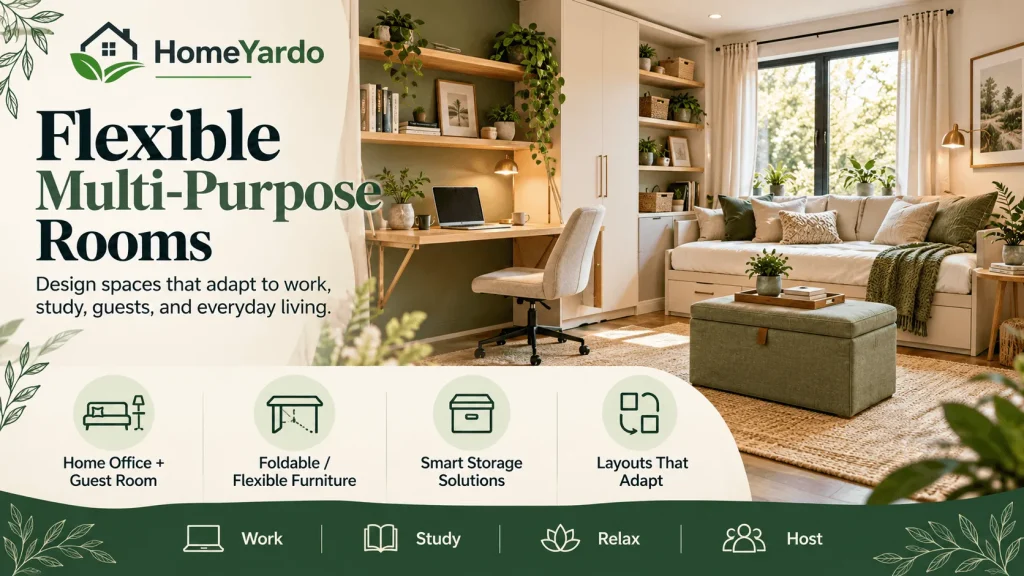
Modern homes increasingly need to serve several purposes. A spare bedroom might function as an office during the week and a guest room at the weekend. Similarly, a dining area may also become a workspace or study zone.
This has led to greater interest in flexible furniture and adaptable layouts. Foldable desks, storage ottomans, modular sofas, and multifunctional shelving can help homeowners make better use of available space.
Rather than designing rooms around a single purpose, the 2026 approach is about creating interiors that can change as household needs change.
8. Personalised Interiors
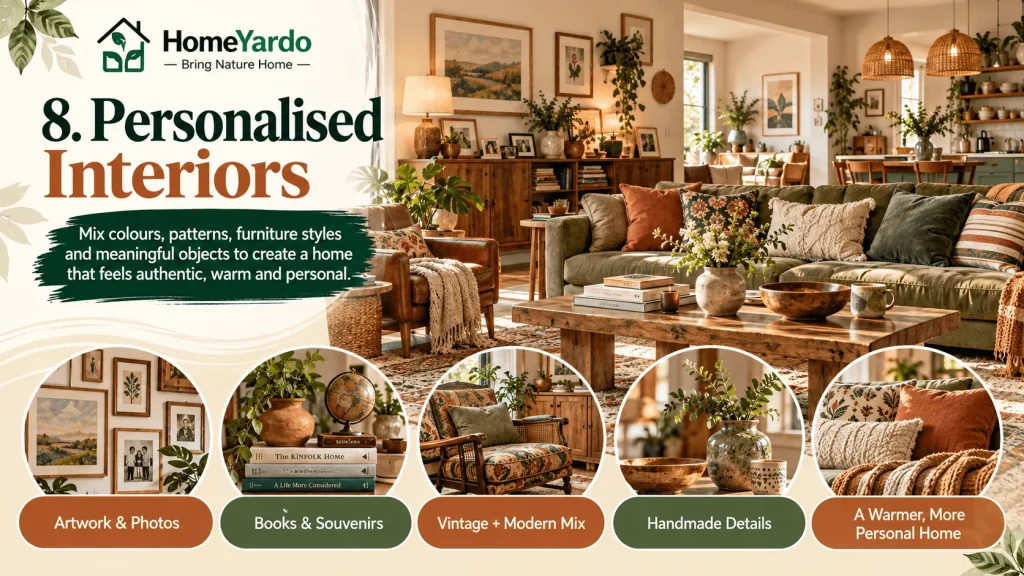
Another important trend is moving away from perfectly matched interiors. Homeowners are becoming more confident about mixing colours, patterns, furniture styles, and decorative pieces.
Personal belongings can make a home feel more authentic. Artwork, photographs, books, travel souvenirs, vintage furniture, and handmade objects can all contribute to a distinctive interior.
The result does not have to look professionally staged. In fact, a slightly eclectic approach can make a home feel warmer and more personal.
9. Smart Storage Solutions
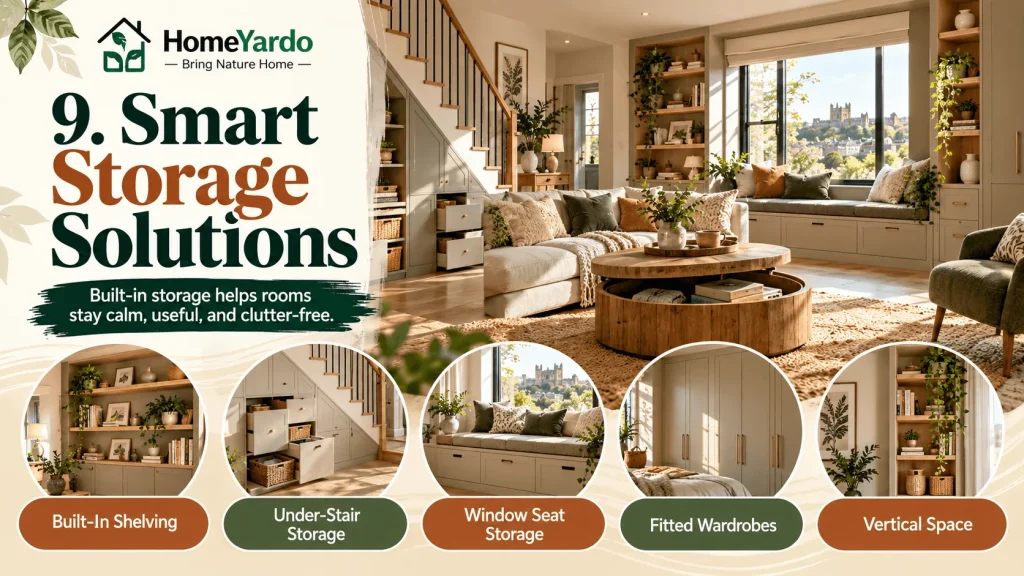
Clutter can quickly affect how a room feels, making storage an increasingly important part of interior design. In 2026, smart storage is being incorporated into rooms rather than treated as an afterthought.
Built-in shelving, under-stair storage, window seats with hidden compartments, fitted wardrobes, and multifunctional furniture can provide useful storage without overwhelming the room.
For smaller Newcastle properties, making use of vertical space can be particularly effective. Tall shelving and fitted storage can increase capacity while keeping valuable floor space available.
10. A Balance Between Modern And Traditional
Rather than choosing between completely modern or traditional interiors, many homeowners are combining elements of both. Contemporary furniture can sit comfortably alongside original architectural features, classic artwork, or traditional materials.
This combination creates a timeless look while still allowing a home to feel current. For older Newcastle properties, retaining original features such as fireplaces, exposed brick, timber details, or decorative mouldings can add character.
Modern lighting, updated furniture, and carefully selected colours can then bring the space into 2026 without removing its original identity.
Creating A Home That Feels Right For You
The biggest interior design lesson for 2026 is that there is no single style that every Newcastle home needs to follow. Trends can provide inspiration, but the most successful interiors are those that reflect the people living in them.
Warm colours, natural materials, comfortable furniture, practical window treatments, flexible spaces, and personalised accessories can all contribute to a home that feels both stylish and functional. The goal is not simply to make a room look fashionable for one season but to create an environment that remains enjoyable over time.
As Newcastle homes continue to embrace comfort, practicality, and individuality, these interior trends offer plenty of inspiration for homeowners planning their next update. By choosing elements that suit the property’s architecture, available space, lifestyle, and personal taste, it is possible to create an interior that feels contemporary in 2026 while remaining timeless for years to come.
FAQs
Although cold, all-grey interiors are less common, gray has not completely vanished. Layered textures, earthy hues, wood, and warmer neutrals are becoming more common. Rather than being replaced, existing gray finishes can frequently be warmed up with wood, textiles, lighting, and warmer accent colors.
Yes. In Australian interior design, tactile materials like wood, stone, linen, wool, rattan, ceramics, and others are still widely used. Instead of making every surface identical, the current method typically favors layering natural textures.