How To Prepare Your Home For Seasonal Changes In Georgia

A time of year is a great opportunity to evaluate the performance of your home. Fabulous outdoor furniture from a couple of months ago might need some weather protection, as well as gardening tools and equipment used during the growing season that need to be given attention before being put away for the year. Seasonal items, like the clothes needed for fall or winter, can easily be stored in closets and garages that are used just during that time of year.
You don’t need to be occupied with this task list throughout the season, but you can do some basic seasonal maintenance and re-organize spaces in your home that hold items that you don’t use for extended periods of time.
Start With An Exterior Inspection
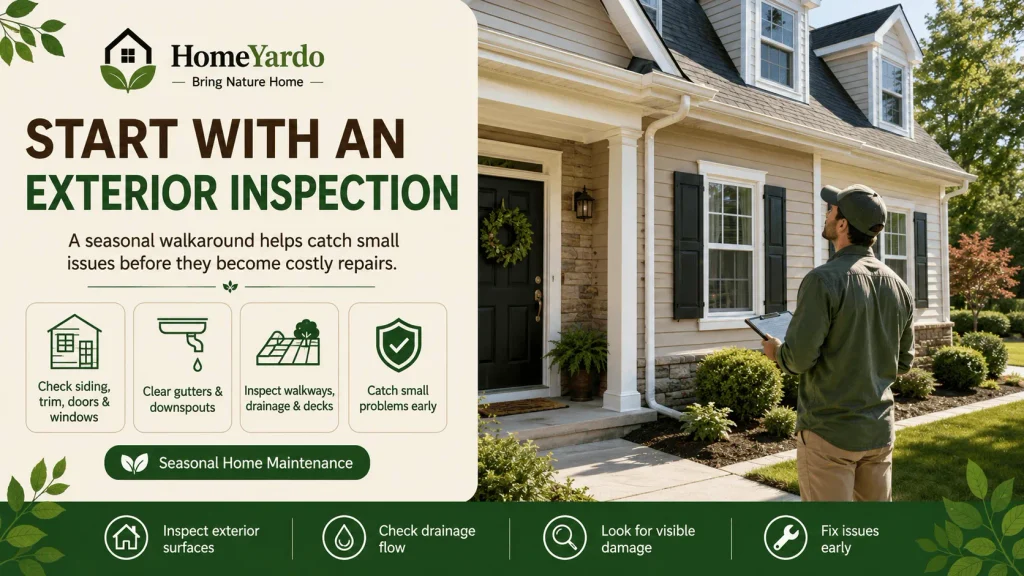
A place to start a seasonal reset is from the outside of the house.
Walk around the outside of your home and observe if there is any damage to siding, trim, doors and windows, walkways and any decks. Be sure to check the gutters and downspouts for any blockage of leaves and debris, and that water is able to run off from the house.
The University of Georgia Extension suggests having your home’s exterior surfaces, foundation, windows, doors, drainage and yard inspected regularly in the spring and fall. But its home maintenance checklist can help homeowners remember these tasks.
It’s easier to resolve small issues if they are discovered early. A seasonal inspection can also help to identify potential issues that need to be addressed by a professional before they become serious issues.
Give Outdoor Spaces A Seasonal Reset

Outdoor living areas are filled with equipment and accessories that get used throughout the seasons.
Check your outdoor living gear, including patio furniture, cushions, umbrellas, gardening tools, and planters. See what needs cleaning, and inspect furniture and outdoor covers for wear.
It can also help to sort this year’s requirements from last year’s accessories, then decide whether you need to keep them all or can put some away.
Group your items into seasonal change groups, i.e., the gardening items stay together as a group and are brought out in spring/summer and then stored as one group in autumn/winter, and do the same with your patio equipment/accessories as separate groups.
Make Room For Seasonal Belongings
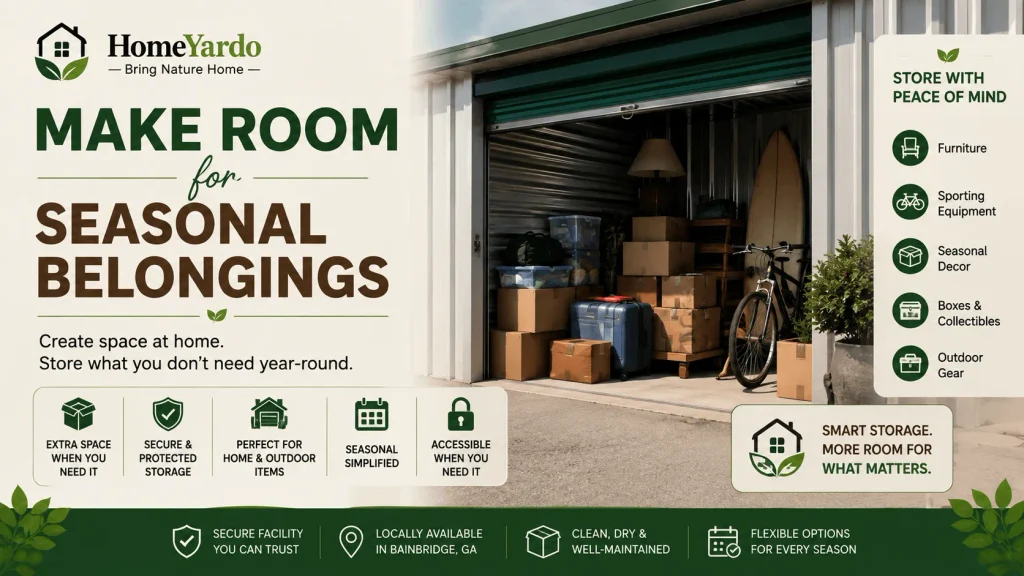
One of the most difficult aspects of seasonal organization is identifying a space for those items that can be used but not required each month.
Some families have sufficient storage space in a garage, an attic, in a spare room, or even in a shed, but furniture, sporting goods, collections, and many boxes of “stuff” can quickly take up all the space.
If you’re short on home space, off-site storage can help make the move to your new place easier. For homeowners in smaller communities like Bainbridge, who might have garages, outdoor areas, and seasonal equipment to deal with, secure storage units in Bainbridge, GA can offer additional storage space for things that aren’t used all year round.
The goal of storage is not to shift the same amount of clutter to another part of the home but to create useful areas of the home and to store less frequently used items in an accessible way.
Reorganize The Garage
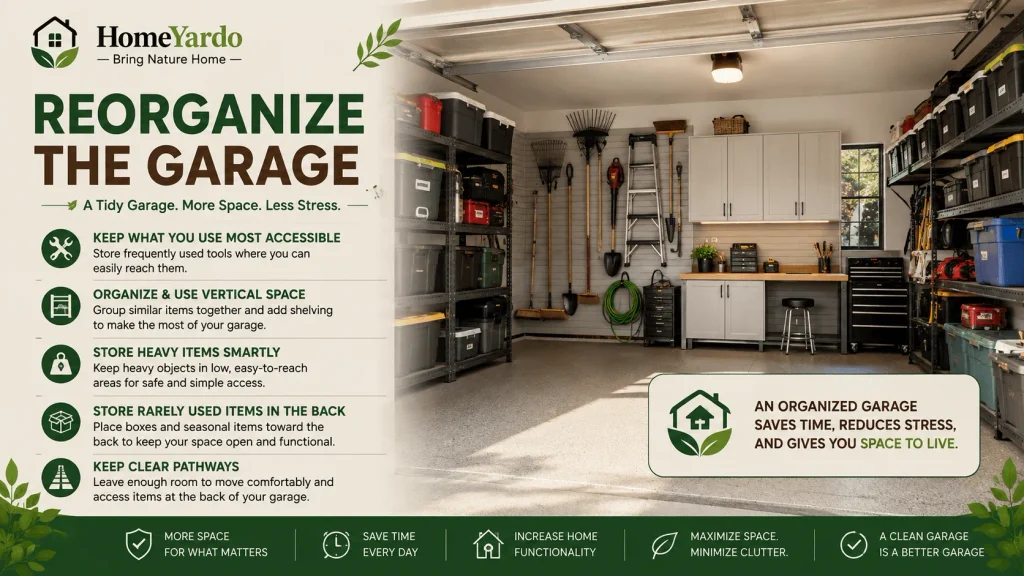
The garage turns into a storage space for seasonal goods.
Begin by organizing the items that you currently have in your garage. Have all commonly used tools within easy reach. Group together like objects. Make use of the vertical space by installing shelving in the garage.
Place heavier objects at a place where they can be moved easily. In the back of the garage, boxes of infrequently used items are a good place to store them.
Make sure to leave enough of a path for yourself to be able to get to things in the back of the garage. A cluttered garage is basically useless.
Check The Yard And Landscaping
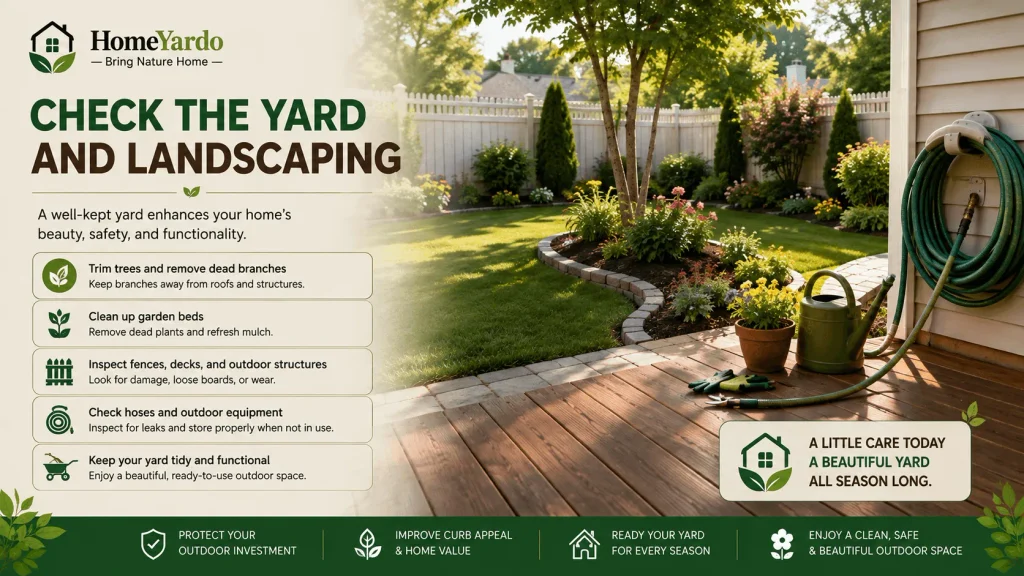
Preparations should go beyond the house in the seasons.
Notice the trees, shrubs, flower beds, fences, decks, etc. in the landscape. Trim away dead plant material, as needed, and inspect for branches that may touch or hang over the roof or other structures.
Inspect outdoor hose and equipment and store properly when not in use. As part of the general seasonal maintenance, UGA Extension’s recommendations include inspecting yards, decks, fences, hoses, and other outdoor structures.
With some yard work, it is possible to make your outdoor space more attractive and usable.
Protect Items That Spend Time In Storage
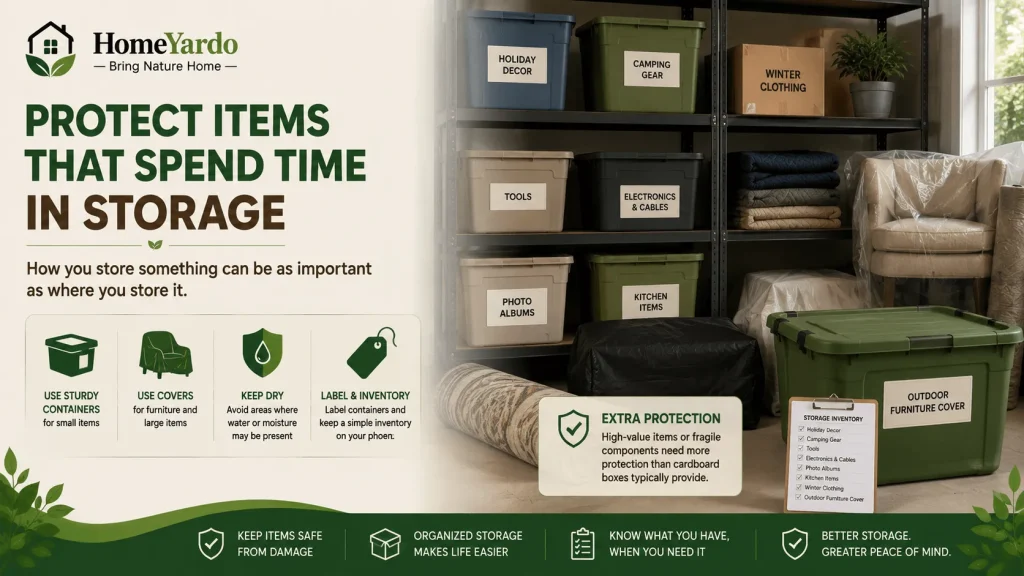
The manner in which an object is stored can be as significant as the location in which it is stored.
Use sturdy containers for small items. Cover furniture and large items and don’t store boxes near water or where moisture is likely to be found.
Be sure to label your containers when placing items in them. This way, when looking for something after long periods of time, you won’t have to open box after box hoping to find what you’re looking for. Include an easy-to-grab list on your cell phone of what you’ve stored so you can look for it again later.
Cardboard boxes are not as secure as you might need for high value or delicate articles.
Keep Everyday Items Easy To Reach
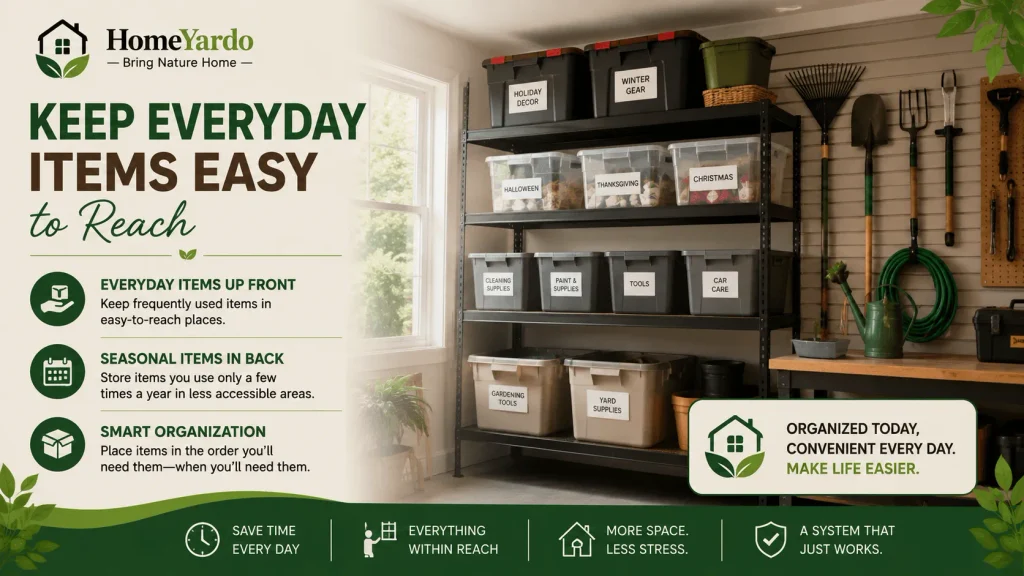
Seasonal organization should make life easier, not create another problem.
Items that are used frequently should remain in convenient locations. Belongings used only a few times a year can occupy less accessible storage areas.
This simple approach will prevent most people from having to move half of the garage or half of the closet to reach something that they use on a regular basis.
It makes sense to think about the order in which you will need things. So, for example, if you know you will be using your gardening equipment within the next few months, it would be silly to store it behind all of the holiday items that you will not need for months.
Create A Simple Seasonal Checklist
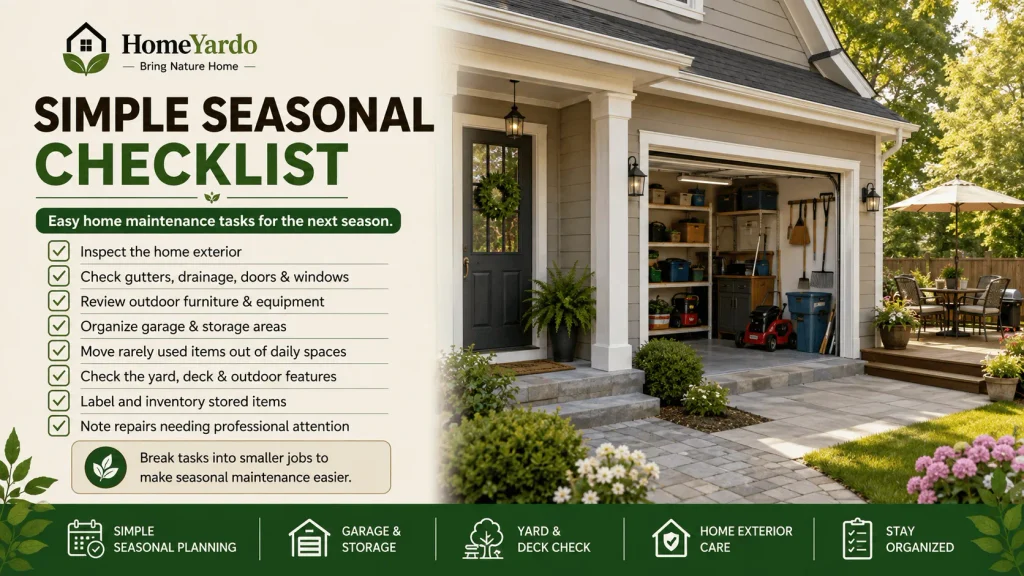
A short checklist can keep seasonal maintenance from becoming overwhelming.
Before moving into a new season, take a few minutes to:
- Inspect the home’s exterior.
- Check gutters, drainage, doors, and windows.
- Review outdoor furniture and equipment.
- Organize the garage and storage areas.
- Move rarely used belongings out of everyday spaces.
- Check the yard, deck, and other outdoor features.
- Label and inventory stored items.
- Note repairs that need professional attention.
You do not have to complete every task in one day. Breaking the list into smaller jobs can make routine maintenance much easier to manage.
Make Seasonal Changes Work For Your Home
There’s more to preparing a home for the seasons than there is time to read about in one article. The key to an effective routine is to remember that it exists in the first place.
Regular exterior checks can help to pick up on any problems before they become serious, and organizing your storage of seasonal items can help to keep your garage, closet, and yard free from clutter of things that you only use at certain times of the year. This helps to keep your home usable throughout the seasons.
Seasonal changes are also a useful reminder to plan seasonal HVAC maintenance before heating or cooling demand increases.
By having a good system of maintenance and storage, the transitions of the seasons can be used to keep your home organized, functional, and ready for whatever comes your way.
FAQ’s
Begin with an exterior inspection, clear gutters, check drainage, inspect windows and doors, review your HVAC system, organize seasonal belongings, and look over the yard and outdoor equipment. Adjust the checklist to your part of Georgia and the weather risks common to your area.
A broad home inspection in spring and fall is a practical starting point. Certain items, including gutters, HVAC filters, landscaping, and storm preparation, may need attention more frequently depending on weather, vegetation, equipment, and manufacturer instructions.
Check gutters and drainage, exterior doors and windows, weatherstripping, outdoor furniture, landscaping, stored equipment, and heating-system readiness. Fall is also a useful time to clean and organize equipment that will not be needed again until spring.