What Street Sweeping Really Does For Your Neighborhood, Business, And Daily Routine
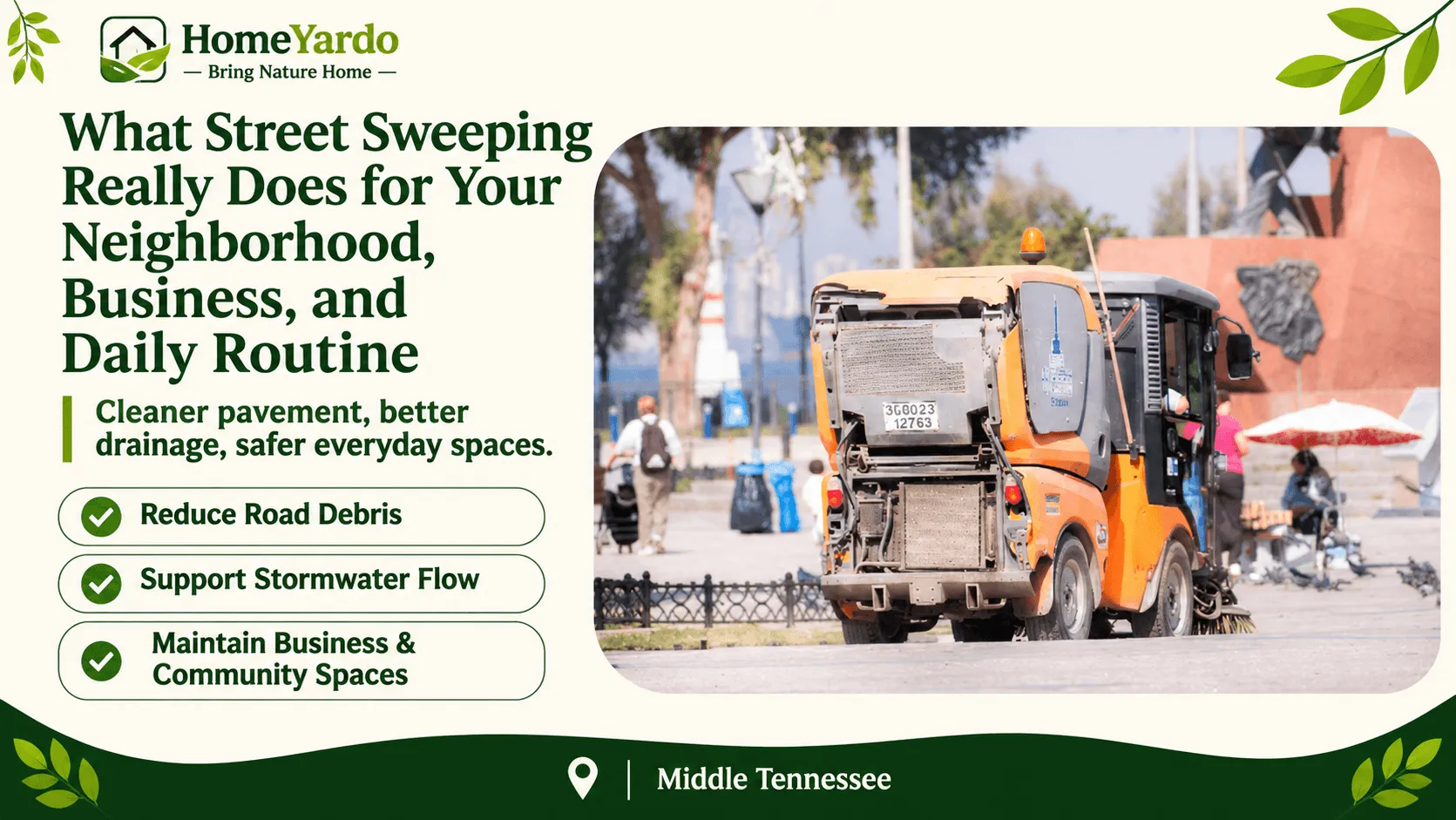
You probably notice a clean street only when it stops being clean. In Middle Tennessee, where residential neighborhoods, shopping centers, industrial properties, and construction sites often share busy roads, pavement can collect dirt and debris quickly.
Dust, leaves, gravel, litter, and sediment do more than affect appearance. They can create slippery conditions, contribute to drainage problems, and increase property maintenance demands.
Street sweeping helps remove accumulated debris from paved surfaces, supports stormwater management, and keeps neighborhoods and commercial properties cleaner and easier to maintain.
For homeowners, business operators, property managers, and construction teams, understanding these benefits makes it easier to plan practical pavement maintenance.
Street Sweeping Plays A Quiet Role In Stormwater Management
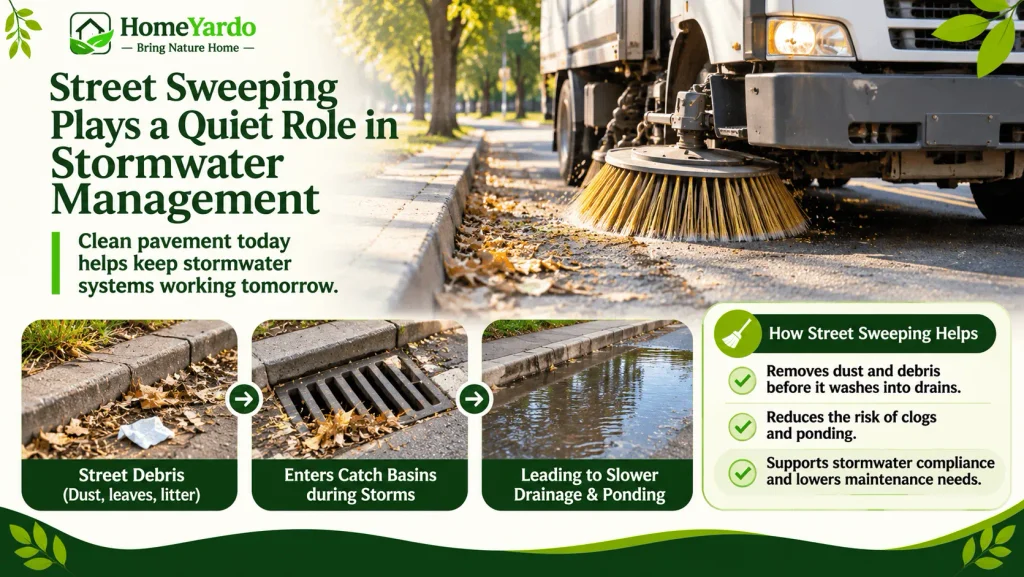
Most people connect drainage problems with heavy rain, not with the layer of dust and debris already sitting on the ground. In practice, that layer is a big part of the problem. Fine particles, organic matter, and litter move quickly into catch basins during storms.
Once that happens, you’re dealing with more than a messy curb line. You may see slower drainage, ponding water, and added pressure on local stormwater infrastructure. For commercial sites and municipal areas, that can become a compliance and maintenance issue.
Sweeping works as a preventive control. It removes pollutants before they enter the system. If you manage property in the region, working with Reliable Sweepers across Middle Tennessee can fit into a broader site-maintenance plan that supports drainage performance, not just appearance.
Clean Pavement Affects More Than Curb Appeal
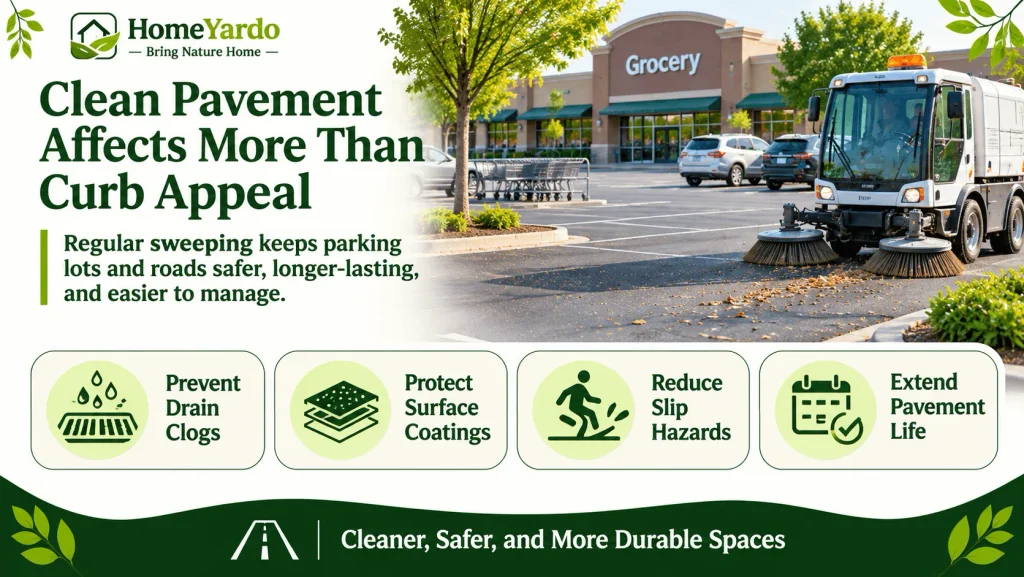
When you look at a road or parking lot, it’s easy to treat sweeping as a cosmetic task. The visual effect matters, but the operational effect matters more. Loose debris can clog storm drains, damage surface coatings, and create slip hazards for both pedestrians and drivers.
Think about a grocery store parking lot after a busy weekend. Bits of trash collect around curbs, grit builds up in traffic lanes, and standing water starts forming where sediment settles. A regular sweeping schedule helps remove that material before it gets compacted into the surface or washed into drainage systems.
That changes how a property performs over time. Cleaner pavement usually means fewer complaints, less premature wear, and a more controlled site environment. Alongside regular cleaning, understanding residential concrete maintenance and drainage can help property owners recognize factors that affect the condition of paved surfaces.
Businesses Feel The Impact In Customer Behavior And Risk Exposure

A dirty lot sends a message before anyone walks through the door. You don’t need a market research team to understand it. Oil-stained corners, overflowing debris near islands, and leftover construction dust make a business look neglected, even if the interior is spotless.
That perception affects retail centers, office parks, medical buildings, and apartment communities. Visitors read the outside environment fast. A cleaner surface suggests tighter operations and stronger attention to detail.
There’s also the liability side. Gravel in a pedestrian path, wet leaves near an entry, or accumulated dust in a loading area can increase accident risk. Property managers often focus on landscaping and signage while overlooking pavement housekeeping. That’s a miss, especially in high-traffic spaces where surface conditions change daily.
Construction Sites Need Sweeping For Reasons Beyond Cleanliness
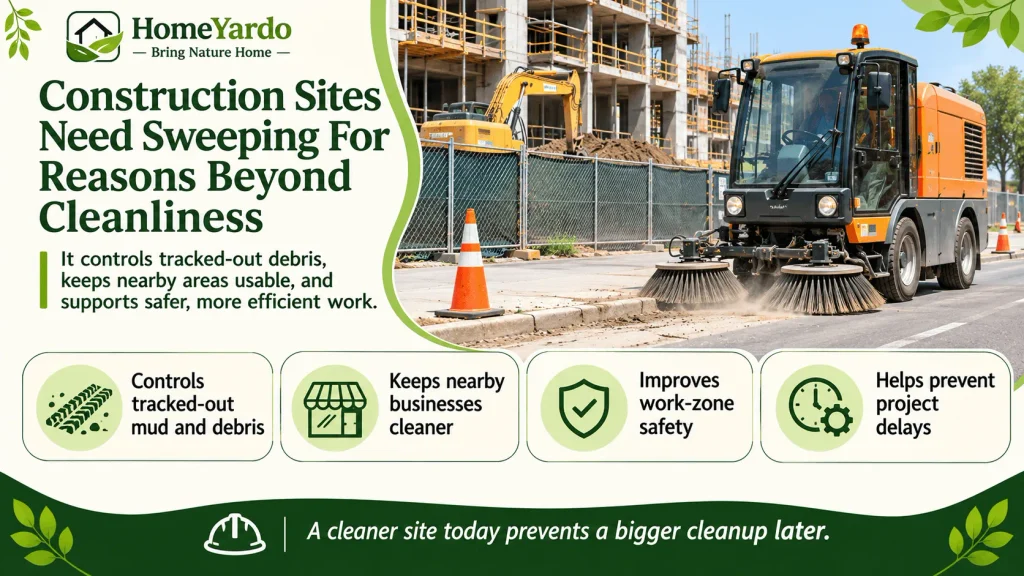
Construction creates a specific kind of mess. You’re not just dealing with wrappers and leaves. You’re dealing with tracked-out mud, aggregate, saw-cut dust, and material residue that can spread onto public roads and neighboring lots.
That creates friction fast. Nearby businesses don’t want their entrances coated in dust. Residents don’t want mud dragged through intersections. Local crews and contractors also know that unmanaged debris can trigger complaints and slow down operations.
Sweeping near active projects helps control track-out and keeps surrounding pavement more usable. It also supports a safer work zone by improving visibility of striping, lane edges, and hazards. On a practical level, it keeps cleanup from turning into a much bigger job at the end of a project phase. Maintaining clean access routes is also part of organized construction management. Contractors looking to improve project coordination can explore ways to reduce construction project delays through better planning and site operations.
Seasonal Changes In Middle Tennessee Make Sweeping Less Predictable
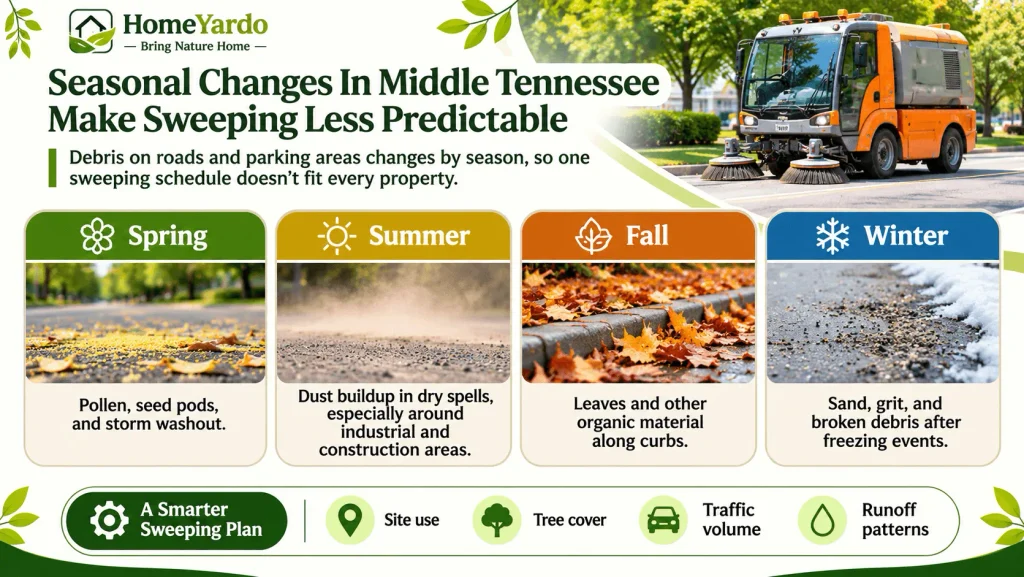
Middle Tennessee doesn’t have one fixed debris pattern year-round. Spring can bring pollen, seed pods, and storm washout. Summer often adds dust buildup in dry spells, especially around industrial and construction areas. Fall loads curbs with leaves and organic material. Winter introduces sand, grit, and broken debris after freezing events.
That seasonal mix matters because one sweeping schedule won’t fit every property the same way. A neighborhood HOA may need attention after storms and leaf drop. A shopping center may need frequent service around weekends and holiday traffic. An industrial yard might produce fine sediment continuously.
The smartest approach is to match sweeping frequency to site use, tree cover, traffic volume, and runoff patterns. Static schedules often miss what the pavement is actually collecting.
Equipment Choice Shapes Results More Than Most People Realize
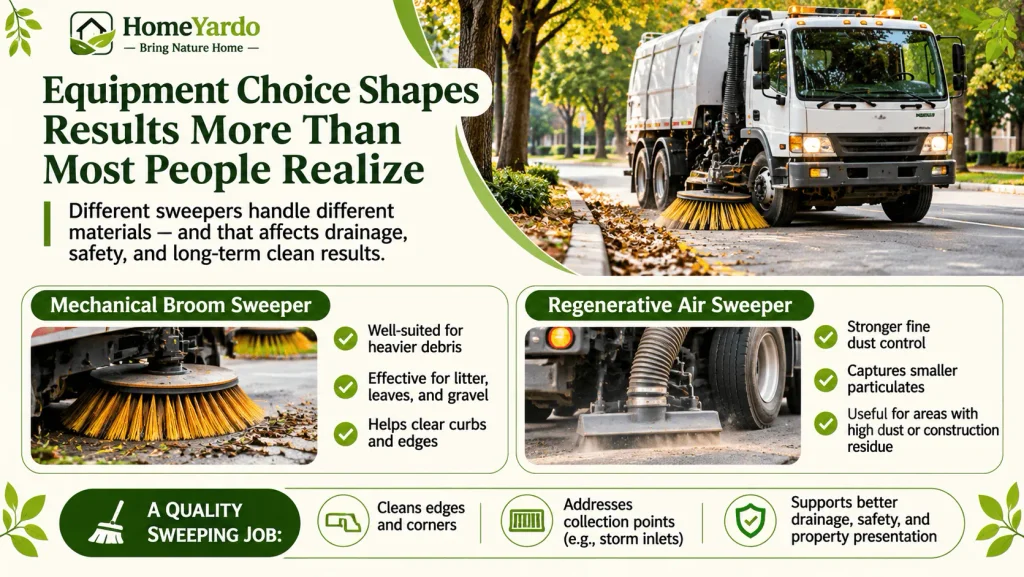
Not all sweeping jobs are the same, and not all machines handle debris the same way. Fine dust, heavy litter, wet leaves, and construction residue each respond differently depending on the sweeper type and operating conditions.
That matters if you’re evaluating service quality. Mechanical broom sweepers can be effective for heavier debris, while regenerative air systems often perform better with finer particulate control. The wrong setup can leave behind the material that causes the biggest long-term issues, especially around curbs and storm inlets.
You can usually spot the difference after service. A solid job doesn’t just clear the obvious trash in open pavement. It addresses edges, corners, and collection points where debris actually accumulates. Those details shape drainage, safety, and presentation more than broad passes through the center of a lot.
Better Sweeping Plans Start With Site-Specific Observation
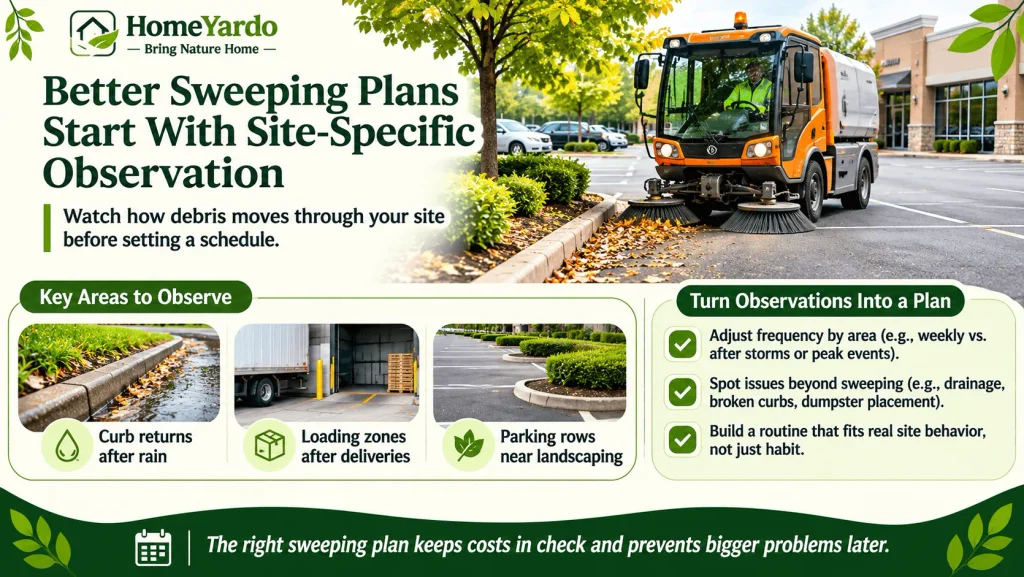
If you’re responsible for a property, the best first step isn’t guessing a frequency. It’s watching how debris moves through the site. Look at curb returns after rain, loading zones after deliveries, and parking rows near landscaping beds. Check where sediment settles and where litter gets trapped by wind.
That kind of observation leads to better decisions. You may find that one section needs weekly attention while another only needs service after storms or peak events. You may also catch issues that sweeping alone won’t solve, such as failing drainage, broken curbs, or poor dumpster placement.
The strongest maintenance plans usually combine routine sweeping with timing that reflects real site behavior. That keeps costs grounded in need rather than habit, and it keeps pavement conditions from drifting into bigger problems.
A Cleaner Street System Supports Everyday Life In Ways You Can Feel
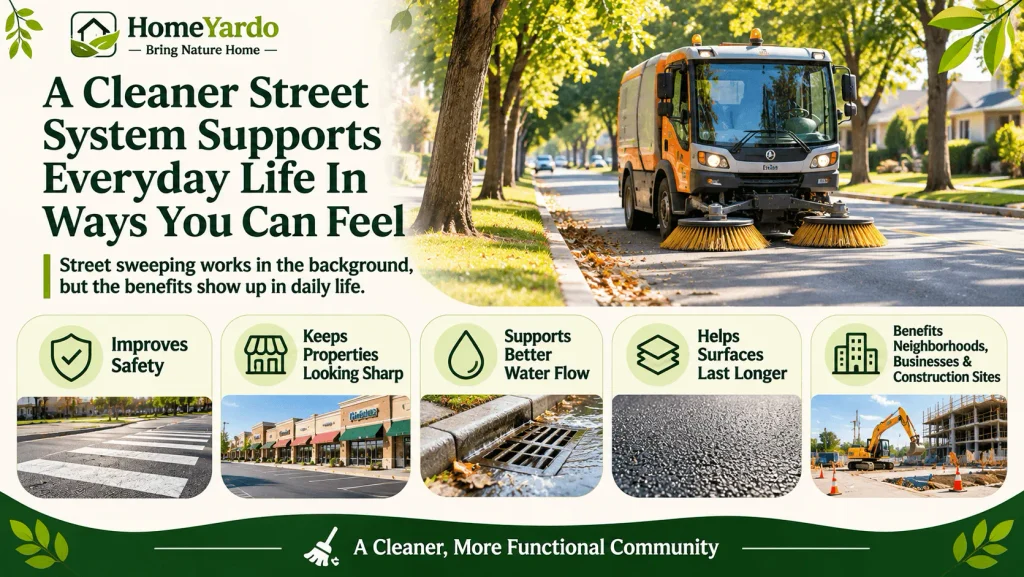
Street sweeping rarely gets much credit because it works in the background. Still, you feel the difference when roads track less dust onto your car, when store lots look maintained, and when storm drains keep up better during heavy rain. It’s one of those services that shapes daily experience without asking for attention.
For neighborhoods, businesses, municipalities, and construction teams, sweeping is part of infrastructure care. It supports safety, site image, water flow, and surface longevity all at once. If you’ve ever wondered why some properties consistently look sharper and function better, regular pavement cleaning is often part of the answer. Clean ground changes how everything above it operates.
How Street Sweeping Supports Everyday Life
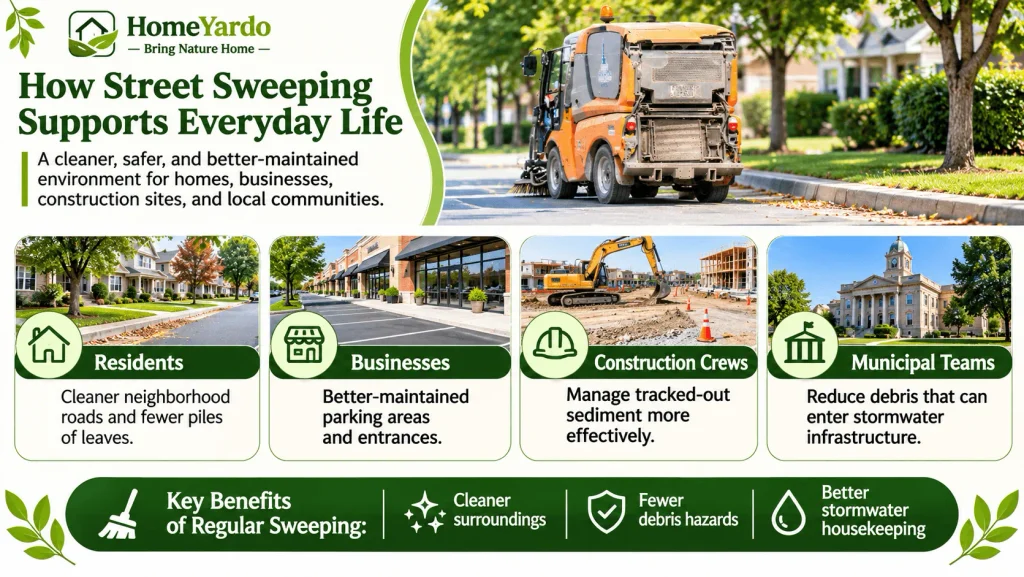
Street sweeping is easy to overlook because its benefits are often most noticeable when maintenance stops.
Residents notice cleaner neighborhood roads and fewer piles of leaves along curbs.
Business owners benefit from better-maintained parking areas and entrances.
Construction crews can manage tracked-out sediment more effectively, while municipal maintenance teams can reduce some of the debris available to enter stormwater infrastructure.
These benefits connect pavement cleaning with broader property and infrastructure maintenance.
Regular street sweeping supports cleaner surroundings, reduces debris-related hazards, and contributes to better stormwater housekeeping.
For neighborhoods, businesses, municipalities, and construction sites in Middle Tennessee, the most effective approach is to combine suitable sweeping equipment, site inspections, seasonal adjustments, and routine property maintenance.
Clean pavement is one part of keeping a property usable, presentable, and properly maintained.
Frequently Asked Questions
Street sweeping removes loose debris, litter, leaves, and sediment from paved surfaces. It helps maintain property appearance, reduces certain debris-related hazards, and limits the material available to enter stormwater drains.
Street sweeping can reduce debris buildup around drainage inlets and help support stormwater maintenance. However, it cannot prevent every flooding event or correct damaged or undersized drainage systems.
Sweeping frequency depends on traffic, surrounding vegetation, construction activity, weather, and debris accumulation. Some properties need regular scheduled service, while others require additional cleaning after storms or seasonal leaf drop.
It helps businesses maintain cleaner parking lots, entrances, and loading areas. Regular sweeping also reduces loose debris that may create housekeeping or safety concerns.
Street sweeping can help construction sites manage tracked-out sediment, mud, aggregate, and other debris on surrounding paved areas. It should be used alongside any required erosion and sediment control measures.