Reclaimed Barn Wood Paneling: A Natural Touch For Modern Homes
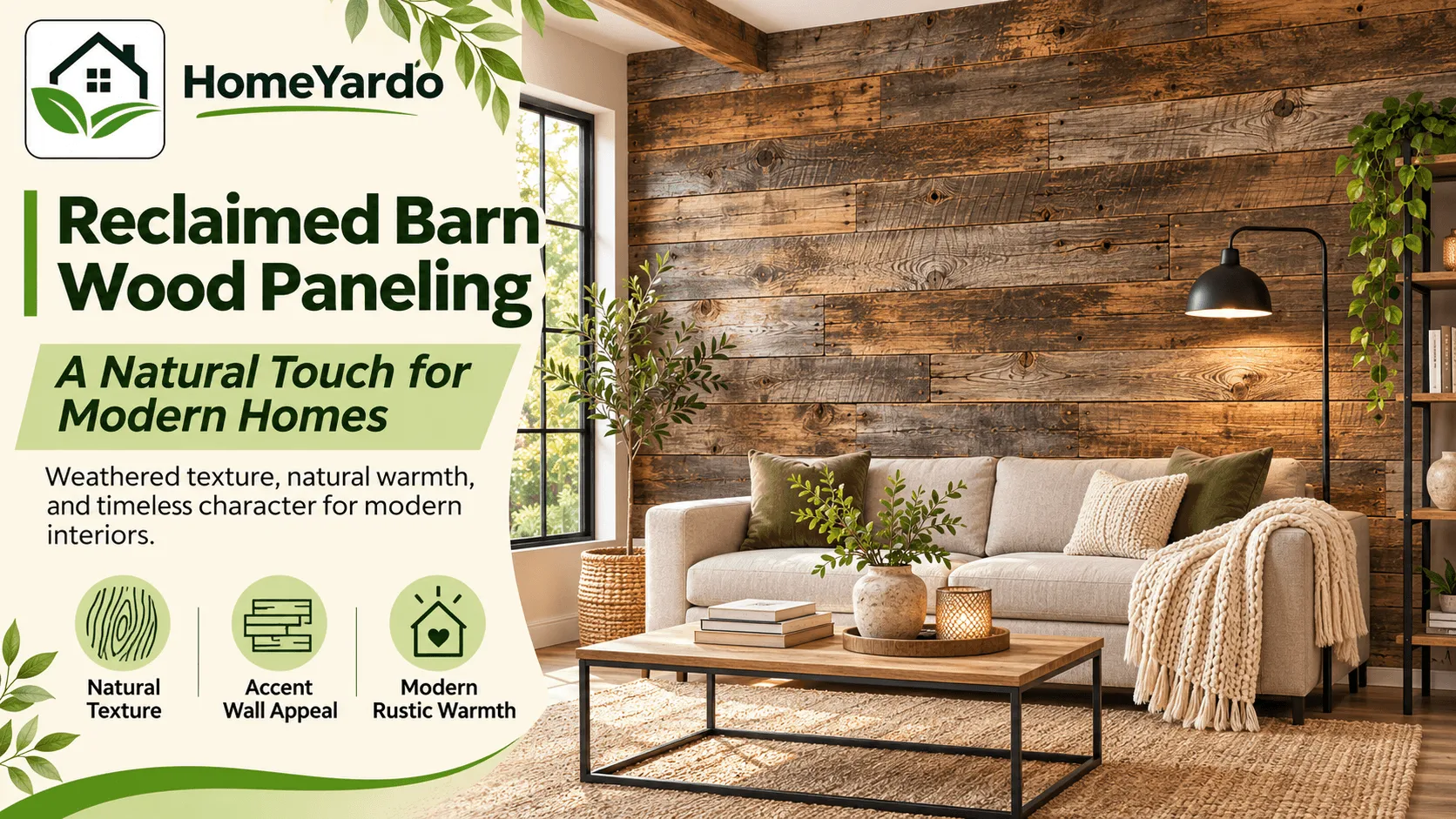
Walk into a room finished with reclaimed barn wood, and the first thing you notice is the texture. Faded grain, old nail marks, and uneven shades of brown and gray give the walls a character that newly manufactured materials often struggle to reproduce.
That natural, weathered appearance is why reclaimed barn wood paneling has become an appealing choice for homeowners who want to introduce warmth without sacrificing modern style.
Whether used behind a sofa, around a bedroom feature wall, or along a hallway, salvaged timber creates an interesting contrast against clean lines and contemporary furnishings. Natural materials are also an effective way to personalize your home without filling it with unnecessary decorations.
But its appeal goes beyond appearance. Understanding how barn wood ages, where it works best, and what to check before installation can help you create a beautiful interior that remains practical for everyday living.
Why Reclaimed Barn Wood Has So Much Character
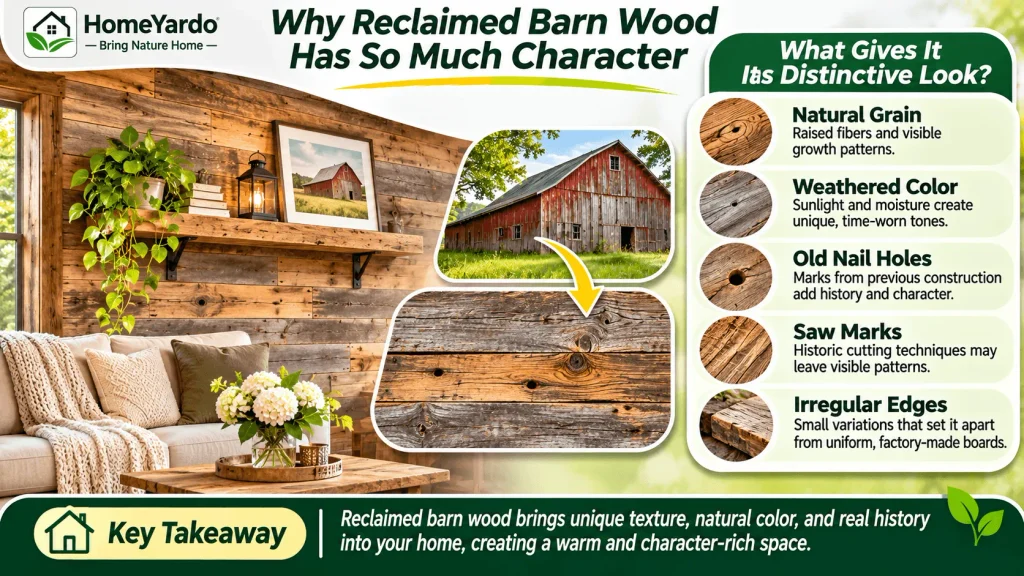
Reclaimed barn wood comes from timber previously used in agricultural buildings, including barns, sheds, and farm structures.
Unlike newly manufactured decorative boards, its appearance develops through years of exposure to changing weather conditions, sunlight, and everyday use.
The result is a surface with natural markings that are difficult to reproduce consistently.
How Weathering Changes the Grain, Color, and Texture
Old barn boards often develop silver-gray tones when exposed to sunlight and weather. Others retain deeper browns, warm amber shades, or darker patches where the timber was protected from direct exposure.
Several characteristics contribute to their distinctive appearance:
- Natural grain: Raised fibers and visible growth patterns create texture.
- Weathered color: Exposure to sunlight and moisture changes the surface over time.
- Old nail holes: Marks from previous construction add character.
- Saw marks: Historic cutting techniques may leave visible surface patterns.
- Irregular edges: Small variations help distinguish reclaimed boards from uniform factory-made products.
Some older boards may come from slow-grown timber, but age alone does not guarantee greater density, strength, or dimensional stability.
Wood continues responding to indoor humidity even after decades of use. Proper drying and preparation therefore remain important.
Barn wood paneling allows homeowners to bring these aged surfaces indoors while retaining much of their original appearance.
Suppliers generally prepare boards by removing metal, cleaning the timber, checking its condition, and processing it into usable dimensions.
Once installed, the natural differences between individual planks create a wall that feels textured without needing additional decorative patterns.
Where Reclaimed Barn Wood Paneling Works Best
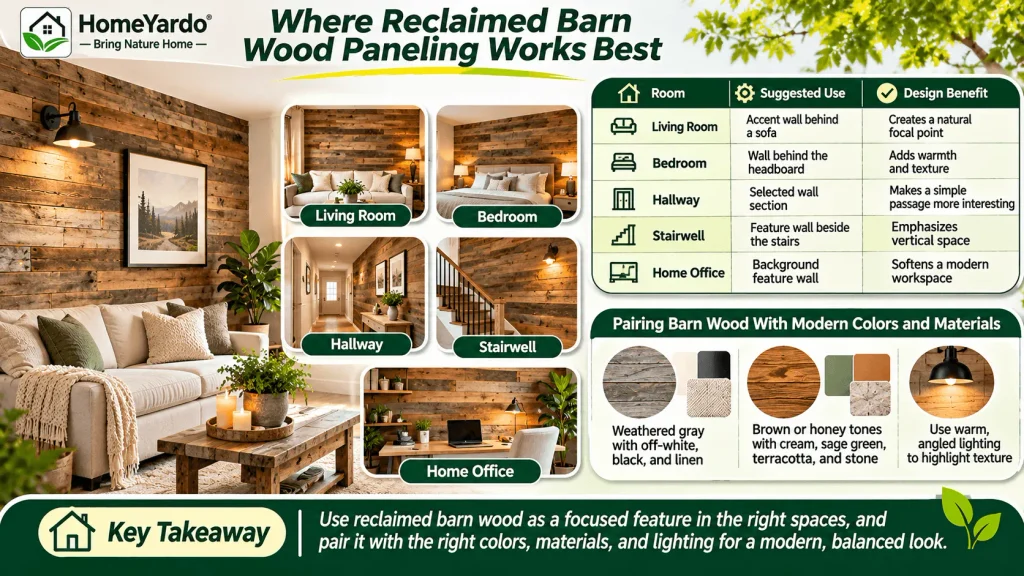
Reclaimed timber can complement modern interiors when used selectively.
A whole room covered in heavily textured wood may feel visually crowded, especially in smaller spaces. Using it as a feature allows the material to stand out while keeping the room balanced. A carefully chosen wood feature can also help create a warm, lived-in home by adding character without making the room feel cluttered.
Accent Walls, Bedrooms, and Living Spaces
A reclaimed wood accent wall behind a living room sofa can become the room’s main decorative feature.
Pairing it with neutral upholstery and simple furniture lets the natural grain attract attention without competing with other design elements.
In bedrooms, barn wood works particularly well behind a headboard. Its softer, weathered colors can make the space feel comfortable and established.
Hallways and stairwells are also suitable locations, especially where directional lighting can reveal the surface texture.
Larger, open-plan rooms may accommodate more extensive paneling, although the amount of coverage should depend on the available light and surrounding finishes.
| Room | Suggested use | Design benefit |
|---|---|---|
| Living room | Accent wall behind a sofa | Creates a natural focal point |
| Bedroom | Wall behind the headboard | Adds warmth and texture |
| Hallway | Selected wall section | Makes a simple passage more interesting |
| Stairwell | Feature wall beside the stairs | Emphasizes vertical space |
| Home office | Background feature wall | Softens a modern workspace |
Avoid placing untreated reclaimed timber where it will experience regular water exposure, such as shower enclosures or areas directly exposed to cooking steam.
Pairing Barn Wood With Modern Colors and Materials
One of the easiest ways to introduce rustic timber into a modern home is through contrast.
Weathered gray planks work well with off-white walls, black metal fixtures, and soft linen furnishings.
Brown or honey-toned boards can complement cream, sage green, muted terracotta, and natural stone.
You do not need to repeat the same wood finish throughout the room. A heavily textured feature wall often looks better beside smooth surfaces.
Lighting deserves attention, too.
Warm accent lighting positioned at an angle can emphasize the raised grain and old saw marks. Strong, flat overhead lighting may make the surface appear less textured.
If you are designing a smaller room, keep nearby furniture and wall decorations relatively simple so the timber remains the main feature. If your room already contains a lot of exposed timber, learning how to make a timber-heavy room feel more spacious can help you balance wood textures with lighter furnishings.
What To Check Before Installing Barn Wood Paneling
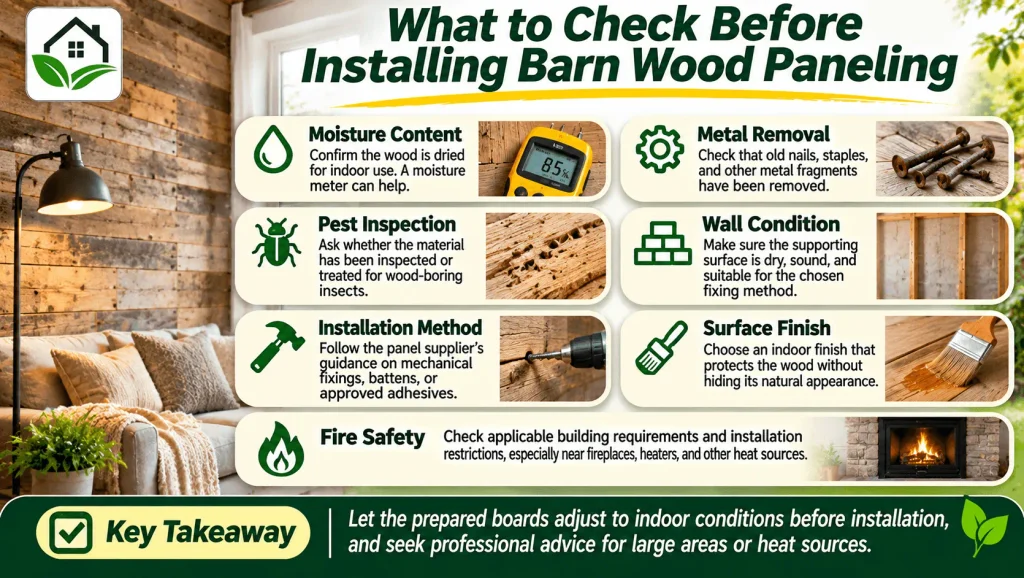
Reclaimed wood needs more preparation than many ready-made wall finishes.
Even when boards look clean and sturdy, their previous use and storage conditions can affect whether they are suitable for an indoor installation.
Before fitting reclaimed timber, consider the following:
- Moisture content: Confirm that the wood has been dried appropriately for its intended indoor environment. A moisture meter can help assess its condition.
- Metal removal: Check that old nails, staples, and other metal fragments have been removed.
- Pest inspection: Ask whether the supplier has inspected or treated the material for wood-boring insects.
- Wall condition: Make sure the supporting surface is dry, sound, and suitable for the chosen fixing method.
- Installation method: Follow the panel supplier’s guidance on mechanical fixings, battens, or approved adhesives.
- Surface finish: Choose a finish suitable for indoor use that protects the wood without hiding its natural appearance.
- Fire safety: Check applicable building requirements and installation restrictions, particularly near fireplaces, heaters, and other heat sources.
Allow the prepared boards to adjust to the indoor conditions as recommended by the supplier before installation.
Large variations in temperature or humidity can cause timber to expand, contract, cup, or develop gaps.
For extensive wall coverage, unusual substrates, or areas near heat sources, professional installation advice is worthwhile.
How To Source Safe, Authentic Reclaimed Barn Wood
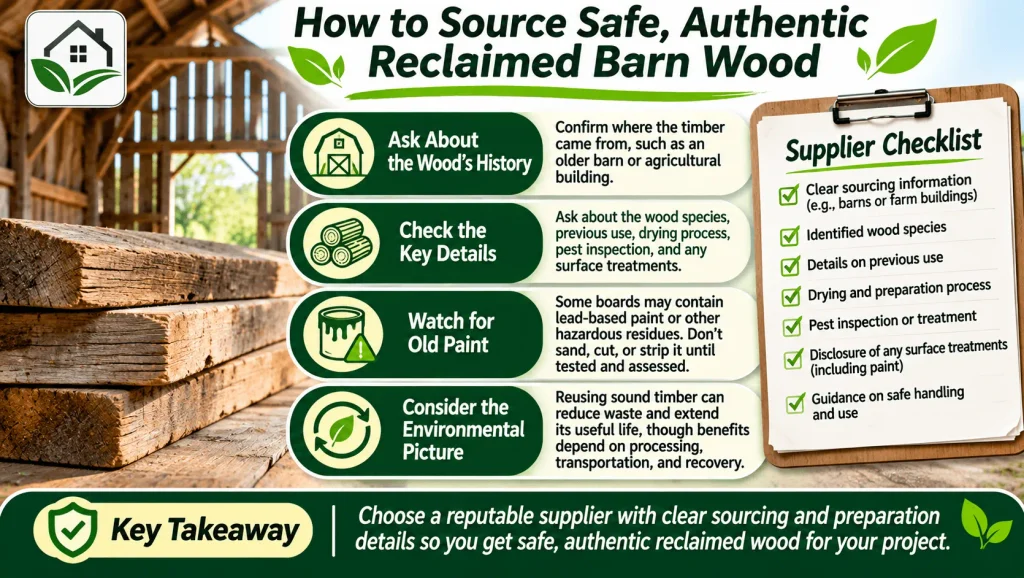
Not every product described as reclaimed wood has the same history.
Some manufacturers produce newly cut boards with a distressed finish. Others use timber genuinely recovered from demolished agricultural buildings.
Both can be decorative, but authentic reclaimed boards offer a different material history.
A reputable supplier should be able to explain where the wood originated, how it was prepared, and what checks were completed before sale.
Companies such as Historisch Hout work with reclaimed timber sourced from older barns and agricultural buildings, offering prepared wood for interior applications.
When comparing suppliers, ask about the timber species, previous use, drying process, pest inspection, and any surface treatments.
Old paint deserves particular attention. Some salvaged boards may contain lead-based paint or other potentially hazardous residues.
Do not sand, cut, or strip unidentified painted wood until its safety has been assessed. A qualified professional can advise on appropriate testing and handling.
Reusing sound timber can also reduce waste and extend the useful life of existing materials.
However, environmental benefits depend on factors such as processing, transportation, material recovery, and the amount of usable timber obtained.
Choosing properly prepared boards from a supplier with clear sourcing information is a sensible starting point.
How to Clean and Maintain Reclaimed Wood Walls
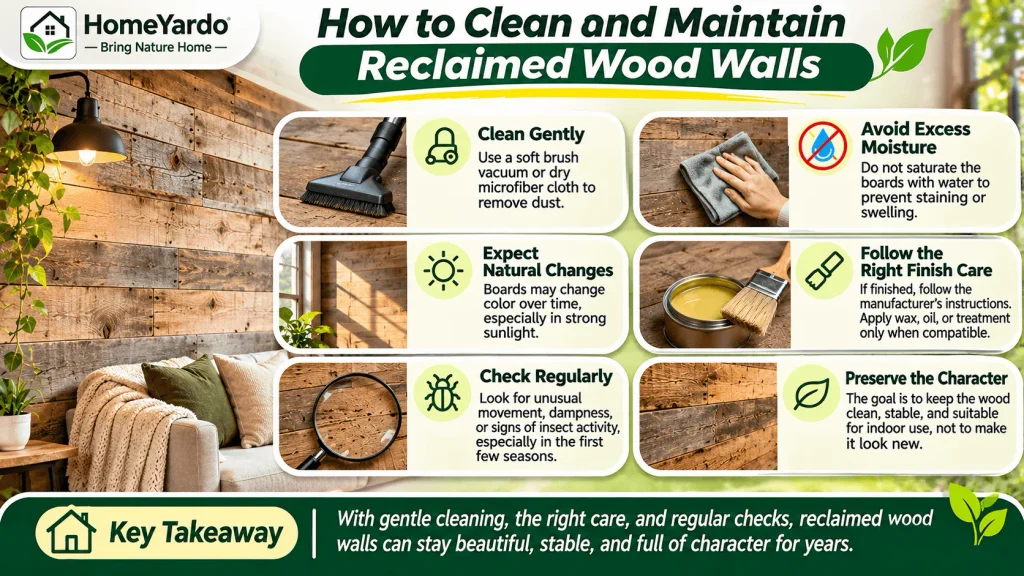
Reclaimed wood paneling generally requires straightforward care once it has been properly prepared and installed.
For routine cleaning, use a soft brush attachment on a vacuum or a dry microfiber cloth to remove dust from the grain and small surface grooves.
Avoid saturating the boards with water. Excess moisture can cause staining, swelling, or changes in the surface texture.
In rooms that receive strong sunlight, some changes in color may occur over time.
If the boards have a protective finish, follow the manufacturer’s cleaning and maintenance instructions.
Wax, oil, or another treatment should only be applied when compatible with the existing finish and timber preparation.
Regularly check for unusual movement, persistent dampness, or signs of insect activity, particularly during the first few seasons after installation.
The goal is not to make weathered wood look new. It is to preserve its original character while keeping the surface clean and suitable for indoor use.
Final Takeaway
Reclaimed barn wood brings something different to modern interiors: visible history, natural texture, and an appearance that cannot be perfectly repeated from one board to another.
A carefully positioned accent wall can soften contemporary furniture, complement neutral colors, and make an ordinary living space feel more personal.
The best results come from choosing suitable timber, checking its preparation, and selecting a location where moisture, heat, and everyday wear can be managed.
With thoughtful installation and simple maintenance, reclaimed wood paneling can remain an attractive feature for many years.
Frequently Asked Questions
Yes. Properly prepared reclaimed barn wood can be used for decorative interior wall paneling. Before installation, check its moisture condition, structural suitability, pest history, and any existing paint or chemical residues.
Yes. Reclaimed barn wood complements modern interiors by introducing natural texture and contrast. It works particularly well alongside neutral walls, contemporary furniture, black metal accents, and simple lighting.
Reclaimed wood has been recovered from a previous use, such as an old barn or building. Distressed wood may be new timber that has been treated or textured to imitate an aged appearance.
Not always. The need for sealing depends on the wood’s condition, preparation, intended location, and supplier recommendations. A suitable matte finish can help protect certain surfaces while preserving their appearance.
Yes. Salvaged timber may contain wood-boring insects if it has not been properly inspected or treated. Ask the supplier about pest screening and preparation before bringing the material indoors.
Use a soft brush, dry cloth, or vacuum brush attachment to remove dust. Avoid soaking the boards or using harsh cleaners. Follow the finish manufacturer’s care instructions where applicable.
Reusing timber can reduce construction waste and extend the life of existing materials. Its overall environmental impact also depends on transportation, processing, treatments, and the amount of usable wood recovered.
Properly prepared and installed reclaimed wood can last for decades in suitable indoor conditions. Its lifespan depends on the timber’s condition, humidity, installation quality, maintenance, and exposure to water or pests.